Eastern Washington · Washington
Moving to Spokane Valley from California: The Honest Comparison (2026)
The Bay Area software engineer who bought a 3-bedroom ranch in Veradale with a yard big enough for a dog and a vegetable garden — and kept their $180,000 remote salary — is not an outlier. Neither is the San Diego family who opened their first Spokane Valley utility bill and felt something close to relief. The Sacramento buyer who sold a 1,200-square-foot townhome and bought a 2,400-square-foot home with a two-car garage and cash remaining in the bank has become a recognizable character in this market. Spokane Valley is drawing California transplants not because it's the easiest sell, but because the financial math is genuinely hard to argue with.
What this guide won't do is pretend the move is seamless. Spokane Valley is not California — not in climate, not in cultural density, not in food scene breadth, and certainly not in winters. The transplants who struggled are the ones who arrived expecting a sunnier, cheaper version of Sacramento and got something fundamentally different instead. The ones who thrived are the ones who understood what they were actually trading and made that trade intentionally.
This guide covers the full cost comparison by California region, what your specific equity level actually buys here, the tax reality, the weather truth, and a comparison tool to look up your exact California city. If you're seriously considering the move, this is the research that replaces three months of Zillow browsing.
| Spokane Valley, WA | Bay Area | Southern CA | Sacramento Metro | Central Valley | |
|---|---|---|---|---|---|
| Median Home Price (approx. 2026) | $458,645 | $1.7M (SF) / $1.2M (East Bay) | $950K–$1.1M | $540K–$620K | $380K–$450K |
| Property Tax Rate (effective) | ~0.95% | ~1.1%–1.25% | ~1.1%–1.25% | ~1.0%–1.2% | ~1.0%–1.1% |
| State Income Tax | None | Up to 13.3% | Up to 13.3% | Up to 13.3% | Up to 13.3% |
| State Sales Tax | 8.9% (local avg) | 8.625%–10.25% | 7.25%–10.5% | 8.75% | 7.25%–8.75% |
| Avg Utilities (monthly est.) | $180–$230 | $280–$380 | $260–$350 | $220–$300 | $210–$280 |
| Avg 1BR Rent | $1,100–$1,400 | $2,800–$3,800 | $2,200–$3,000 | $1,600–$2,000 | $1,100–$1,500 |
Washington's zero state income tax is the advantage that doesn't show up in Zillow listings but shows up every single month in your checking account. A California resident earning $150,000 is paying roughly $11,000–$13,000 per year in state income tax. That money disappears the moment they establish Washington residency. The sales tax in Spokane Valley runs around 8.9% — higher than California's base rate but lower than most major California metro effective rates — and it softens the advantage somewhat. On most income levels, however, the net swing is strongly positive, often representing $800–$1,100 per month in additional take-home pay.
Washington is one of only nine states with no income tax. For a California transplant, this is the single largest financial variable in the entire move — and it's one that doesn't require any financial strategy or planning. You simply stop paying it.
| Tax Item | California | Washington | Net Impact for Transplant |
|---|---|---|---|
| State Income Tax ($120K income) | ~$8,100/yr | $0 | +$8,100/yr take-home |
| State Income Tax ($150K income) | ~$11,500/yr | $0 | +$11,500/yr take-home |
| State Income Tax ($200K income) | ~$16,800/yr | $0 | +$16,800/yr take-home |
| Capital Gains Tax (over $262K/yr) | Up to 13.3% | 7% (LT gains only) | CA still higher |
| Sales Tax (effective local rate) | 8.625%–10.5% | ~8.9% (Spokane Valley) | Roughly comparable |
| Property Tax (on $458,645 home) | ~$5,000–$5,700/yr | ~$4,357/yr | ~$700–$1,300/yr savings |
| Senior Property Tax Exemption | Limited | Yes, 61+ income-based | Meaningful for retirees |
For buyers 61 and older, Washington's income-based senior property tax exemption adds another layer of relief. Income limits and reduction amounts are set at the county level and adjust periodically — the Spokane County Assessor's office is the right starting point — but the program is real, actively used, and meaningful for retirees relocating from California on fixed incomes.
A buyer selling in San Jose, Fremont, or Walnut Creek with $1.4 million or more in equity is arriving in Spokane Valley with the ability to purchase any home in the market outright — and still have $700,000–$900,000 left over. At the top end of Spokane Valley's market, $600,000–$750,000 buys genuinely executive-level homes: new construction in the Barker/Progress Road corridor with 3,000+ square feet, three-car garages, mountain view lots, and finishes that would cost three times as much in the South Bay. The Mirabeau area, positioned near CenterPlace Regional Event Center and Mirabeau Point Park, offers updated homes in the $450,000–$550,000 range that feel like a significant step up from comparably priced California suburbs.
Bay Area buyers who arrive all-cash have a meaningful negotiating advantage in Spokane Valley's market. Homes are moving in roughly 26 days on average, and cash offers without financing contingencies regularly win in multiple-offer situations. The remaining equity, if invested conservatively, can generate monthly income that effectively replaces what would have been a mortgage payment — a financial position that feels almost disorienting to buyers who spent years in California's debt-heavy homeownership model.
A buyer leaving Irvine, Carlsbad, or the western San Fernando Valley with $900,000 in equity lands in Spokane Valley with options unavailable to almost anyone who grew up here. At $458,645 as the market median, a Southern California seller putting $500,000 down is carrying a mortgage under $200,000 — a figure that feels almost abstract compared to what they left. The Veradale area, considered one of Spokane Valley's more established and polished neighborhoods, has homes ranging from $450,000 to $650,000 that offer the kind of finished, move-in quality that Southern California buyers expect.
What buyers from Orange County and San Diego often underestimate is how far into the premium tier their equity places them locally. They're not buying the median home in Spokane Valley — they're buying toward the top of the market, and that top tier is genuinely appealing. The South Pines neighborhood offers larger lots with mature trees, the Dishman Hills area provides proximity to over 500 acres of preserved natural area, and newer builds along the Barker corridor deliver the finishes and floor plans Southern California buyers are accustomed to.
Sacramento and Inland Empire buyers have a closer relative gain, but the move still changes their financial picture meaningfully. A buyer from Rancho Cucamonga or Elk Grove selling at $580,000 with $450,000 in equity is looking at Spokane Valley as a near-lateral home price move with a dramatically different tax environment on the other side. The no-income-tax advantage alone — worth $8,000–$12,000 per year at median-to-above-median incomes — is what tips the calculation decisively.
At $430,000–$480,000, Sacramento and Inland Empire buyers land squarely in Spokane Valley's sweet spot. Neighborhoods like Greenacres offer established single-family homes on larger lots than California buyers expect at this price, and Trentwood delivers solid construction and quieter streets with easy access to the Centennial Trail. The buyers who find the move most satisfying in this equity tier are the ones who prioritize the monthly cash flow improvement over the home itself — and then discover the home is better than they expected anyway.
The Central Valley buyer — Fresno, Bakersfield, Stockton — has the most modest relative advantage in raw equity terms, but the quality-of-life comparison is often the starkest. At $400,000 in Spokane Valley, the same budget that buys a modest Central Valley home in a heat-stressed, traffic-dense corridor buys a 1,700-square-foot home in a quieter, greener neighborhood with four actual seasons. The Opportunity neighborhood and the Evergreen area offer entry-level and mid-range homes in the $350,000–$430,000 range that represent genuine upgrades in space and setting.
Central Valley buyers should pay particular attention to the tax picture. Moving from California's income tax to Washington's zero-income-tax environment on a $75,000–$100,000 household income saves $3,000–$6,000 per year — not life-changing, but meaningful. Combined with lower utility costs and the removal of wildfire season anxiety that many Central Valley families carry, the case for the move is more than just math.
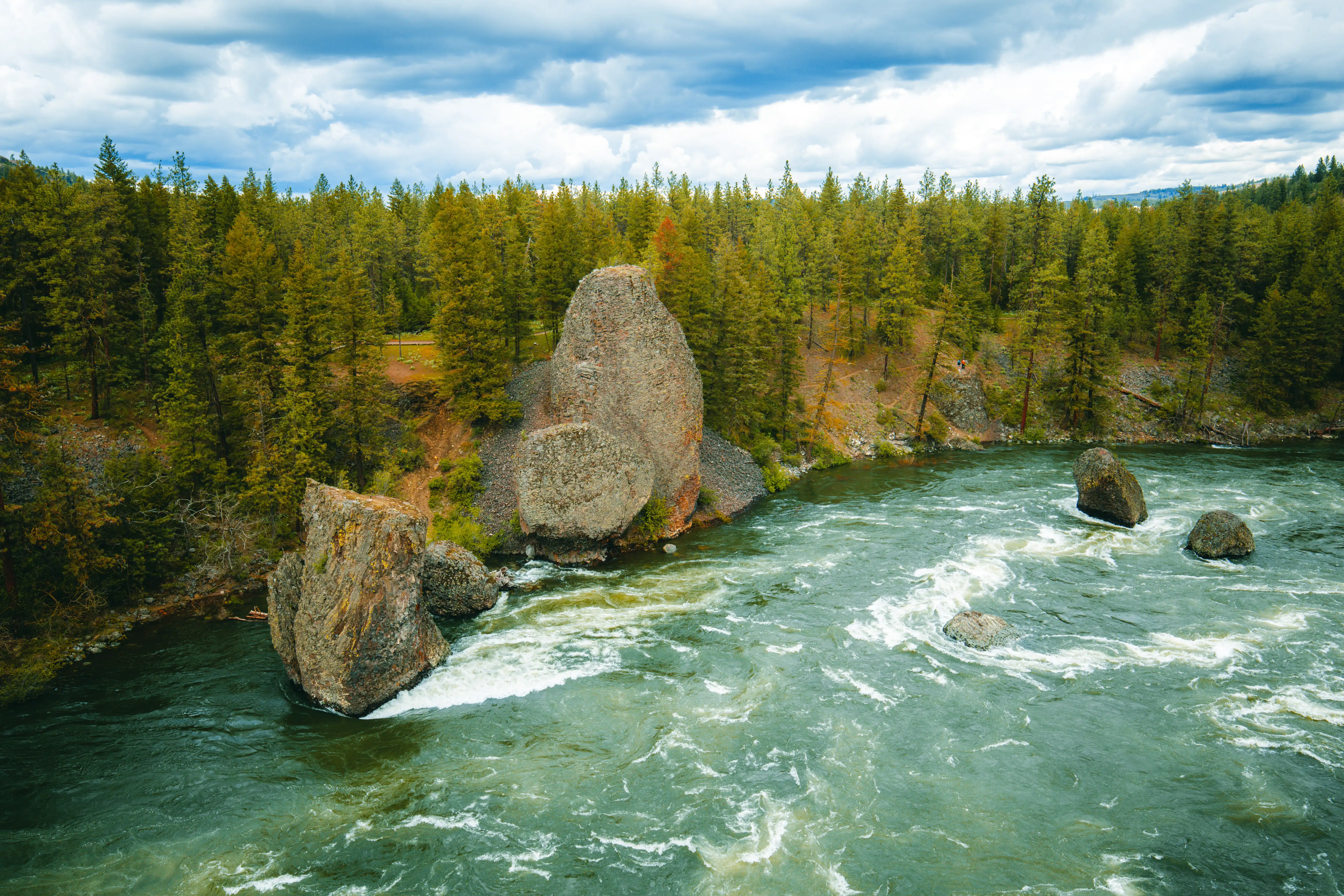
Here is what a friend who moved from San Diego to Spokane Valley three years ago would actually tell you: the summers are genuinely spectacular. Spokane Valley averages around 174 sunny days per year and accumulates roughly 2,530–2,580 hours of annual sunshine — comparable to San Francisco and dramatically sunnier than Seattle. July averages a high of 85°F with low humidity, the kind of dry warmth that makes evening outdoor dining, hiking in the Dishman Hills, and weekends at the river feel like a genuine outdoor lifestyle. The "rainy Pacific Northwest" stereotype does not apply to Eastern Washington, and most California transplants are surprised by how sunny the summers feel.
What your San Diego friend won't downplay is winter. Spokane Valley averages around 42 inches of snow annually, December sunshine sits at roughly 22% of daylight hours, and January temperatures regularly drop below freezing. This is not Oregon coast drizzle — it's genuine cold-weather winter with real snow accumulation. Los Angeles and San Diego buyers find the adjustment most significant; Bay Area and Sacramento buyers tend to adapt more quickly. The outdoor culture shifts: summer hiking and cycling give way to skiing at nearby Mt. Spokane, ice skating, and a slower social pace. Some transplants love it. Others struggle with the seasonal mood shift and miss the year-round beach access they had taken for granted.
What California transplants consistently say after a year in Spokane Valley: they didn't expect the community to feel so immediate. The pace is slower without feeling sleepy. The farmers markets, the trail system along the Centennial Trail, the summer events at Mirabeau Meadows — these things fill the social calendar in ways that feel earned rather than purchased. What they miss is less surprising: the specific restaurant ecosystems of their California cities, the density of cultural events, and — always — the ocean. The Pacific Ocean is irreplaceable, and no amount of correct financial math fills that particular gap.
If you want to see how Spokane Valley compares directly to the city you're leaving, use the tool below — it covers the 120 largest California cities with current housing and tax data.
Home prices: Redfin median sale data, Q1–Q2 2026. Select your city to compare.
Ready to talk through what your specific California equity could do in Spokane Valley? Todd can model your exact scenario in a single call.

From a lending standpoint, where you land in Spokane Valley genuinely matters for long-term value. Neighborhoods like Veradale and Mirabeau tend to draw strong buyer interest, and well-priced homes there can move within days — sometimes before buyers from out of state even have a chance to schedule a tour. Greenacres is worth watching too, as it offers a bit more breathing room in price while still holding solid resale appeal. For California buyers making the move, finding quality homes under $750,000 is very realistic here, which is often a welcome shift from what they've been facing back home.
That said, I always encourage people to talk with a lender before they start touring homes. Your maximum approval number and your comfortable budget are rarely the same thing, and the full monthly picture — taxes, insurance, any HOA dues, and how your loan is structured — can look different than you expect. When the right home appears in a fast-moving market like this, being pre-approved and financially clear-headed means you can move with confidence instead of scrambling.
Mistake 1: Treating Spokane Valley as one uniform market. Buyers from Los Angeles or the Bay Area often approach Spokane Valley as a single affordable blob and pick a home based purely on price-per-square-foot. In reality, the character differences between neighborhoods are significant. The Dishman area near the natural hills feels completely different from the flat commercial corridors along East Sprague, and the newer Barker/Progress Road developments have more in common with Irvine's planned residential feel than with the older Trentwood streets a few miles west. Buying without understanding these distinctions leads to buyers ending up in neighborhoods that don't match their lifestyle at all.
Mistake 2: Underestimating winter driving. A buyer who spent twenty years commuting in Southern California has essentially zero experience with icy roads and real snow accumulation. Spokane Valley roads in January are not San Diego roads in January. The Sullivan Road interchange, the stretch of Sprague Avenue through the commercial corridor, and the on-ramps to I-90 all behave very differently in February than in July. Buying all-wheel drive before winter, not after the first slip, is the move. Most California transplants who've been here a few winters say the adaptation is manageable — but month one on a snowy morning is genuinely jarring.
Mistake 3: Assuming the no-income-tax savings is theoretical. California buyers who run the numbers know Washington has no income tax, but many still budget as if they'll spend the difference. The buyers who get the most out of this move are the ones who redirect that $800–$1,100 per month directly into their mortgage principal, retirement accounts, or investment property. The financial advantage of this relocation compounds aggressively if it's treated as capital, not lifestyle spending.
Mistake 4: Expecting California's food and retail density everywhere. The Spokane Valley Mall and the Pines Corridor provide solid retail access, and the restaurant scene has grown meaningfully over the past several years. But a buyer leaving San Francisco's Mission District or Santa Monica's Abbot Kinney expecting that kind of density and culinary adventurousness will feel the gap. This is not a criticism — it's a real difference in what the two markets offer. Buyers who do best are the ones who treat Spokane Valley's dining and culture scene as genuinely good on its own terms, rather than as a lesser version of what they left.
Bay Area sellers arriving with $1.2 million or more in equity face a genuinely unusual decision: in most Spokane Valley price ranges, a conventional mortgage isn't necessary. All-cash buyers close faster, avoid appraisal contingencies, and hold a meaningful negotiating position in a 26-day average market. For buyers who sold a California investment property, a 1031 exchange into Spokane Valley residential or commercial property is worth exploring before closing the California sale — the window is 45 days to identify and 180 days to close, and the tax deferral on large gains can be substantial.
Southern California buyers with $700,000–$900,000 in equity are looking at conventional financing with down payments well above 20% on most Spokane Valley purchases. In a market where the median sits at $458,645, jumbo loan territory begins above $806,500 — a threshold most Spokane Valley purchases don't approach. Standard conforming loans with large down payments keep rates straightforward and avoid the documentation complexity of jumbo products.
Sacramento and Inland Empire buyers landing in the $400,000–$500,000 price range may find themselves eligible for Washington State Housing Finance Commission programs, including the WSHFC Home Advantage loan, which combines competitive rates with optional down payment assistance. Buyers in this equity tier who preserved capital through the California sale should ask their lender specifically about DPA stacking options — the Spokane Valley Down Payment Assistance Guide covers the current programs in detail.

Local Expert Takeaway: The California transplant who moves to Spokane Valley and keeps spending as if they still have a California mortgage is leaving the single biggest financial advantage of this move on the table. The no-income-tax reality — worth $8,000 to $16,000 per year depending on income — combined with a dramatically lower mortgage payment creates a monthly cash flow reset that most buyers haven't modeled concretely. Before you finalize your offer in any neighborhood, run the side-by-side monthly budget comparison with Washington taxes. The number will likely change your down payment strategy.
✅ Washington has zero state income tax — worth $8,000–$16,000+ per year for most California transplants, and it starts the month you establish residency.
⚠️ Spokane Valley winters are real — 42 inches of snow on average, genuine cold, and driving conditions that California experience doesn't prepare you for. Plan for this, don't be surprised by it.
📍 Your equity level determines your neighborhood tier — Bay Area sellers can buy outright in any neighborhood; Sacramento buyers land near the median and still have strong options in Greenacres, Trentwood, and the Opportunity area.
Is moving from California to Spokane Valley worth it?
For most California transplants who've done the math, yes — but "worth it" depends on what you're optimizing for. The financial case is strong at nearly every California equity level: lower home prices, zero state income tax, and a cost of living that runs near the national average rather than 38–64% above it. The lifestyle case is strong for buyers who want space, outdoor access, and a smaller-city pace. It's a harder case for buyers who want the cultural density, dining scene, or ocean access that California cities provide at a higher cost.
How much cheaper is housing in Spokane Valley vs. California?
The gap ranges from significant to staggering depending on your origin city. Compared to San Francisco's median sold price of roughly $1.7 million, Spokane Valley's $458,645 median represents a difference of over $1.2 million on the same purchase. Compared to the Sacramento metro, the gap narrows to roughly $100,000–$160,000 in home price — but the tax advantage on the Washington side still adds meaningfully to the total financial picture over time.
What do I need to know about moving from California to Washington?
Establish Washington residency promptly and intentionally — update your driver's license, vehicle registration, and voter registration within the statutory deadlines, and stop filing California state income tax returns. California's Franchise Tax Board monitors high earners who relocate, and incomplete residency documentation can create an audit exposure. Beyond the administrative side, plan your arrival around spring or early summer so you experience Spokane Valley's best season before the winter. Most transplants say the first summer makes them confident they made the right call.
Explore the full Spokane Valley series: The Ultimate Spokane Valley Relocation Guide · Is Spokane Valley Safe? · Cost of Living in Spokane Valley · Best Neighborhoods in Spokane Valley · Spokane Valley Schools & Family Life · Spokane Valley Youth Sports · Spokane Valley Parks & Recreation · Retiring in Spokane Valley · 1031 Tax-Deferred Exchange in Spokane Valley · Spokane Valley First-Time Homebuyers Guide · Spokane Valley Down Payment Assistance Guide · Moving to Spokane Valley from California