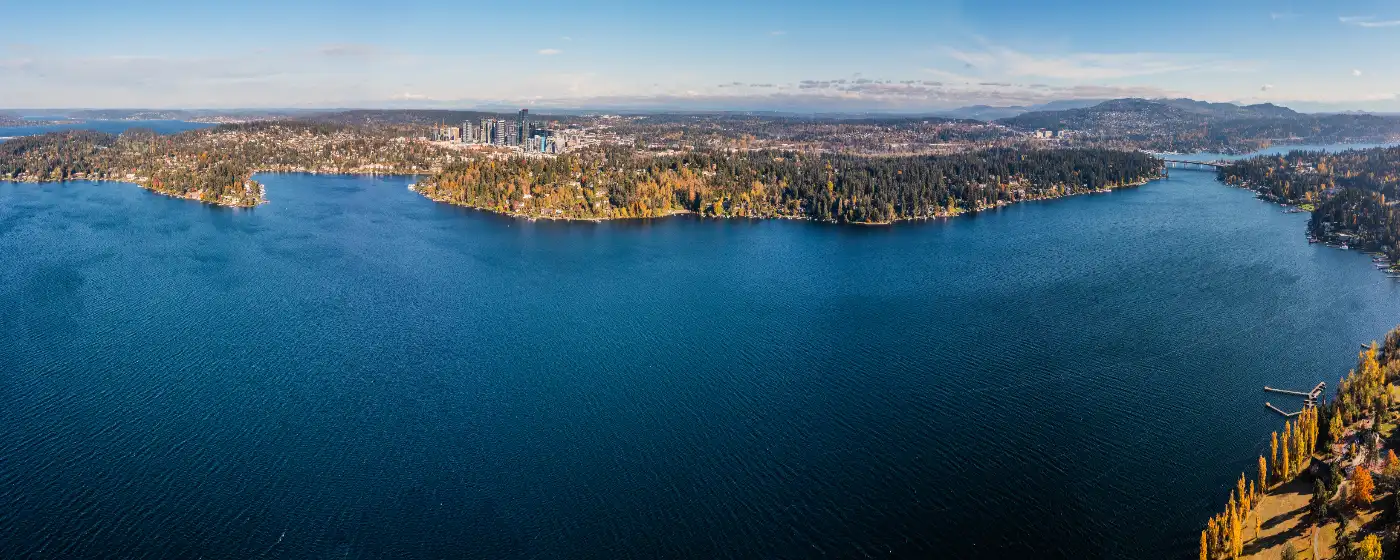
Puget Sound · Washington
Best Neighborhoods in Bellevue: Where to Buy or Rent (2026)
Bellevue is not a city where any neighborhood will do. The difference between buying in Crossroads versus West Bellevue isn't just a price gap — it's a fundamentally different daily life, school catchment zone, commute pattern, and social environment. Buyers who treat Bellevue as a single homogeneous market tend to end up in the wrong neighborhood for their situation, sometimes discovering the mismatch only after they've signed.
The geographic divide here runs roughly north-south and east-west at the same time. The western neighborhoods — from Meydenbauer to Enatai — sit closer to Lake Washington with the views and prices to match, while central and eastern neighborhoods like Lake Hills and Crossroads offer more accessible entry points with a denser, more eclectic character. The hills of Somerset and Bridle Trails occupy their own tier entirely, elevated both literally and in terms of price per square foot.
This guide breaks down where buyers are actually looking, what each neighborhood costs, and where the overlooked trade-offs live. Whether you're relocating from out of state for a tech job, moving up within the Eastside, or trying to find a rental while you figure out the market, the neighborhood decision is the most consequential one you'll make in Bellevue.
| Neighborhood | Best For | Price Range | Vibe |
|---|---|---|---|
| Downtown / Meydenbauer | Walkability seekers, urban professionals | $800K–$2.5M+ | High-rise energy, walkable retail |
| West Bellevue | Luxury buyers, waterfront access | $3M–$10M+ | Private, prestige, estate-level |
| Crossroads | Budget-conscious buyers, renters | $550K–$1.3M | Diverse, community-focused, central |
| Bridle Trails | Large lot buyers, equestrian enthusiasts | $1.5M–$3M+ | Wooded, quiet, estate residential |
| Somerset | Families with kids, view seekers | $1.5M–$2.2M+ | Hilltop, scenic, suburban |
| Newport / Newport Hills | Water access buyers, families | $1.3M–$2.5M | Canal living, mature trees |
| Lake Hills | Families, professionals, I-90 commuters | $1.2M–$1.8M | Established, reliable, central |
| Eastgate | Value buyers, commuters | $1.0M–$1.6M | Practical, wooded, understated |
| Wilburton | Light rail commuters, condo buyers | $500K–$1.4M | Transitional, investment-forward |
| BelRed | Renters, younger buyers | $450K–$1.2M | Evolving, walkable nodes, tech-adjacent |
| Buyer Type | Best Neighborhood | Why |
|---|---|---|
| First-time buyer | Crossroads or BelRed | Most accessible price points in the city; condo entry starts under $600K |
| Luxury buyer | West Bellevue / Meydenbauer | Waterfront, lake views, global prestige market |
| Walkability seeker | Downtown Bellevue | Bellevue Square, restaurants, East Link all within walking distance |
| Families with kids | Somerset or Bridle Trails | Top Bellevue School District schools, large lots, low cut-through traffic |
| Commuters to Microsoft | Northeast Bellevue or Bridle Trails | Closest to Redmond campus; 520 corridor access |
| Large lot buyers | Bridle Trails or Somerset | Mature trees, generous parcels, true residential quiet |
| Renters | BelRed or Crossroads | New apartment stock, transit access, lower per-square-foot rents |
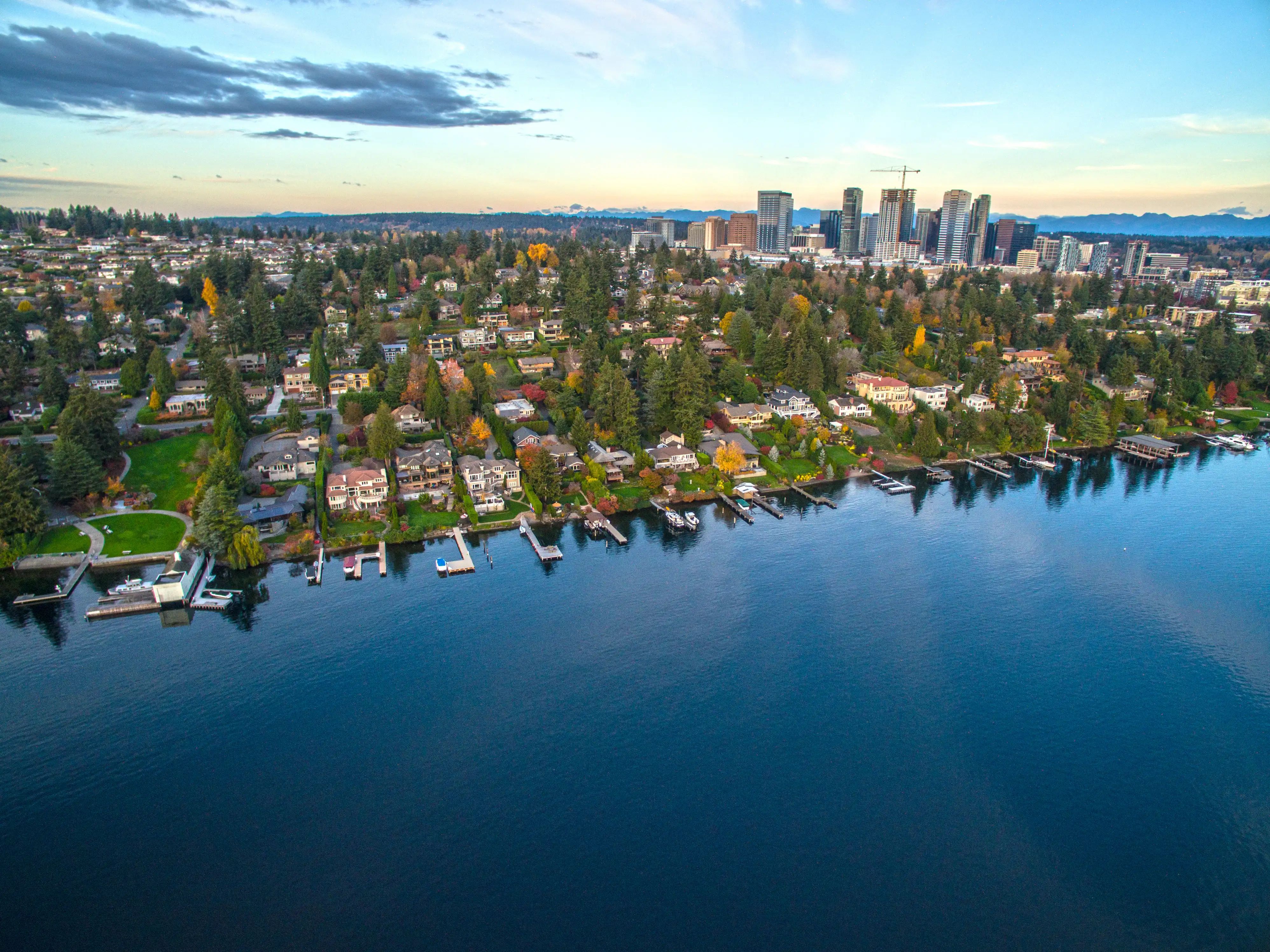
Downtown Bellevue has matured into one of the most genuinely walkable urban cores in the Pacific Northwest, with Bellevue Square, Lincoln Square, and the restaurant row along Bellevue Way all reachable on foot from most buildings. The Meydenbauer Bay area adds a waterfront dimension that few buyers expect — you can walk home from dinner to a neighborhood that looks out over the bay, which is rare even by Seattle standards. The downside is real: high-rise condo living means HOA fees that can run $700–$1,200 per month, and street noise on the NE 8th and 106th Ave NE corridors can be significant, particularly for buyers coming from quieter suburban backgrounds. Single-family options in this zone are limited and command a premium above $2M when they surface.
Best for: Urban professionals, walkability-first buyers, and tech workers who want Seattle-adjacent amenities without the Seattle commute.
West Bellevue — encompassing the Clyde Hill, Yarrow Point, and Medina-adjacent corridors — operates as a global luxury market that doesn't follow conventional real estate cycles. Buyers here tend to be equity-rich or cash purchasers; the profile includes senior tech executives, international buyers, and generational wealth, not rate-sensitive households. Entry points start around $3M and climb well above $10M for waterfront estates on Lake Washington. What buyers don't always anticipate is how constrained resale inventory is — there simply aren't many homes for sale at any given time, and the buying process often takes 12–18 months of active searching to find the right property.
Best for: Luxury buyers, waterfront seekers, and those who prioritize prestige address and views above all other considerations.
Crossroads is Bellevue's most ethnically and economically diverse neighborhood, anchored by the Crossroads Shopping Center and a community culture that draws residents from across the city. Single-family homes here run $1.2M–$1.4M at the median, but the condo and townhome inventory drops the effective entry point well below that — buyers who move quickly can still find units in the $550K–$750K range. The catch is density and traffic: the 156th Ave NE corridor through central Crossroads handles significant through-traffic from both the 520 and I-90 interchanges, and buyers who want quiet residential streets will need to look carefully at specific blocks rather than assuming the whole neighborhood feels the same.
Best for: First-time buyers, budget-conscious professionals, and buyers who prioritize cultural diversity and community programming.
Bridle Trails is named for exactly what it sounds like — the neighborhood wraps around Bridle Trails State Park, with actual equestrian trails threading between cul-de-sacs and mature Douglas fir lots. Single-family homes sit on generous parcels, and the neighborhood's position between Bellevue and Redmond makes it one of the better-positioned options for Microsoft employees on the 520 corridor. The trade-off is convenience: Bridle Trails has no walkable commercial core, no coffee shop at the end of the street, and no light rail access. Families with daily driving patterns will barely notice, but buyers who expect neighborhood walkability will find themselves getting in the car for everything.
Best for: Large-lot buyers, families with children, and commuters heading to Redmond or the 520 corridor who want estate-style living without going all the way to Sammamish.
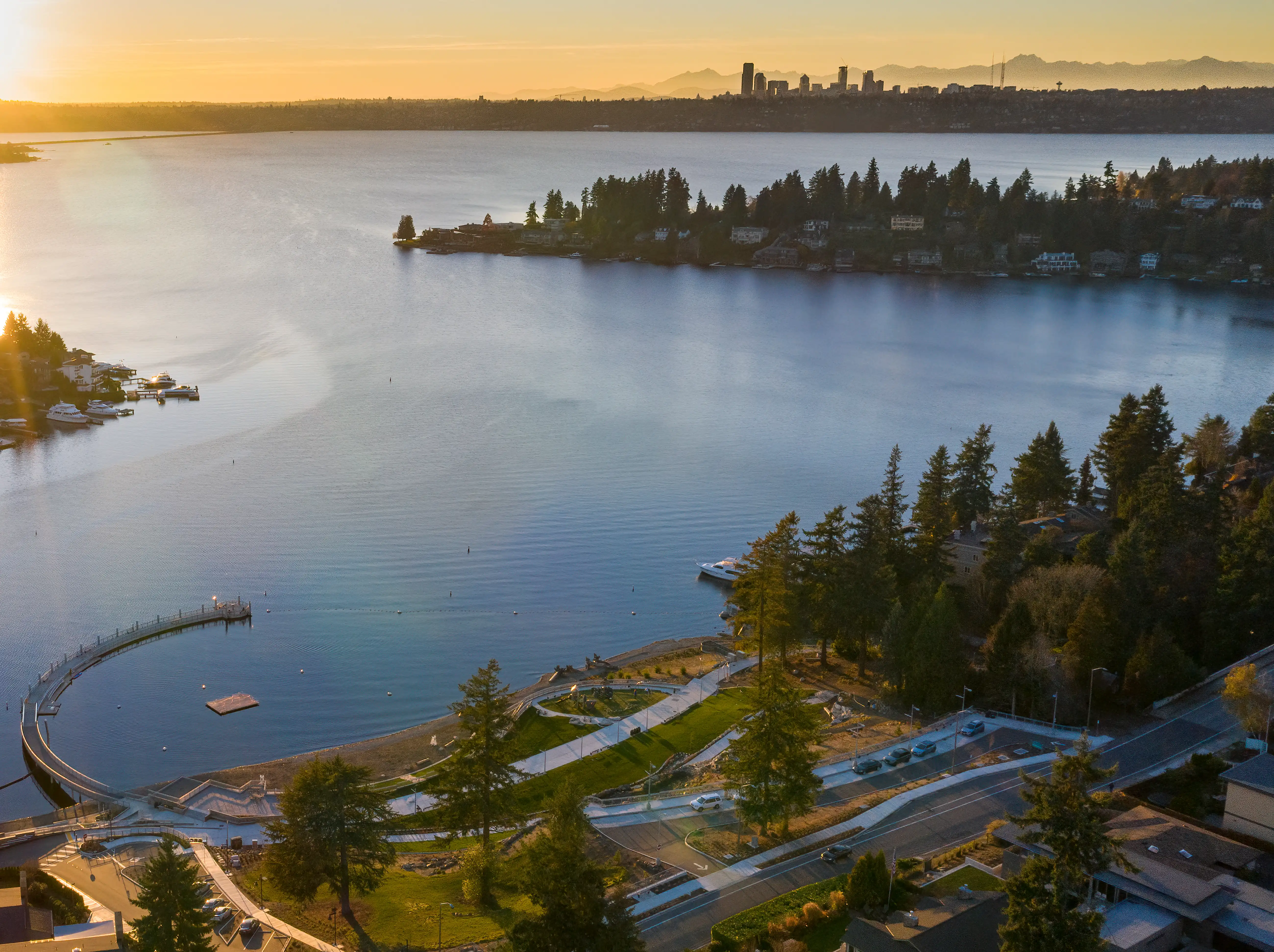
Somerset sits on a prominent hill in southeast Bellevue, and on a clear day the Olympic Mountains, Puget Sound, and Lake Washington are all visible from higher streets. The neighborhood runs from roughly $1.5M at the entry level to well above $2M for larger homes with direct view corridors, and correctly priced listings here have been closing in four to five days — faster than much of the broader market. The honest limitation is the hill itself: Somerset's elevation means getting in and out requires navigating steep grades on Coal Creek Parkway and Somerset Boulevard, which adds stress to winter mornings and makes it a harder proposition for buyers who aren't comfortable with hillside driving.
Best for: Families who want scenic hillside living, strong school access, and a quieter suburban feel without retreating all the way to the urban fringe.
Lake Hills is central Bellevue's most reliable mid-tier neighborhood — built out across the 1960s and 1970s, centered around Phantom Lake Park and the Lake Hills Greenbelt, and consistently popular with families and professionals who want proximity to both I-90 and the Eastgate commercial corridor. Median single-family prices run approximately $1.2M–$1.8M, and the neighborhood's school boundaries put most residents within the strong Bellevue School District feeder system. The honest friction here is age of housing stock: most Lake Hills homes are 50–60 years old, and buyers who overlook deferred maintenance on older systems — roofs, electrical panels, original plumbing — often encounter $40,000–$80,000 in near-term capital needs within the first two years.
Best for: I-90 commuters, families who want established neighborhood character at mid-range Bellevue prices, and buyers comfortable with older homes.
Wilburton has become one of Bellevue's most-watched neighborhoods because of what's changed along its western edge: East Link light rail opened a nearby station, and the NE 8th Street spine between downtown and Wilburton has been steadily densifying with mixed-use development. Condo buyers here have more options than almost anywhere else in the city, and values near the stations have consistently outperformed the broader condo market since the extension opened. The catch is that Wilburton is still transitioning — pockets of older commercial development and some underutilized parcels sit alongside the new construction, which means the neighborhood's character isn't fully settled yet, and buyers who need visual coherence in their surroundings may find it unsatisfying in the near term.
Best for: Light rail commuters, condo investors, and buyers who want equity growth in an emerging corridor without paying established-neighborhood prices.
BelRed — the Belt-Redmond corridor running northeast toward the Microsoft campus — has absorbed the most new apartment and mixed-use construction of any Bellevue neighborhood over the past decade. The city's long-range planning has concentrated density here deliberately, and the result is a neighborhood that feels purpose-built for younger renters and first-time buyers: newer buildings, transit access, and a price floor below almost everywhere else in Bellevue. What's missing is a genuine neighborhood identity. BelRed is functional and well-positioned, but it lacks the street-level character that draws people to Crossroads or the prestige that buyers in Bridle Trails are paying for — the area's personality is still being written, and buyers who want a neighborhood with a sense of place may find it feels anonymous.
Best for: Renters transitioning to ownership, tech workers who prioritize commute efficiency over neighborhood character, and buyers entering the Bellevue market at the most accessible price points.
Assuming the school boundary matches the neighborhood name. Bellevue School District attendance boundaries don't always follow neighborhood lines, and a home on the east side of a given street may feed into a different elementary than one on the west side. Buyers who choose a home based on the neighborhood's reputation rather than the specific parcel's school assignment sometimes discover the mismatch after closing. Always verify the actual school boundary with the district before making an offer.
Underestimating the NE 8th Street and 405 interchange at peak hours. Buyers who tour Bellevue on a Saturday afternoon see an effortlessly functional city. Buyers who commute on a Tuesday morning at 8:00 AM encounter a different reality: the interchange between I-405 and NE 8th Street is one of the most consistently congested chokepoints on the Eastside, and neighborhoods east of 405 — including portions of Lake Hills, Crossroads, and Eastgate — add meaningful time to westbound commutes in ways that a casual drive doesn't reveal.
Buying a condo in BelRed or Wilburton without checking HOA reserves. The newer construction along the BelRed and Wilburton corridors has attracted buyers who appreciate the price point and light rail access, but a significant number of these buildings are reaching the five-to-seven-year mark where deferred maintenance assessments start appearing. A condo priced at $620,000 can come with a $15,000–$40,000 special assessment if the reserve study hasn't been funded properly. Pull the HOA financials and reserve study before going under contract, not after.
Buying for the view without accounting for lot orientation. Somerset and Northwest Bellevue both offer homes marketed on their Olympic Mountain or Lake Washington views, but the view from a specific lot varies enormously based on tree lines, neighboring construction, and elevation. Multiple buyers each year purchase what they believe is a view property only to find the sightline is partially blocked or that neighboring development is permitted to obscure it. Visit the specific lot at multiple times of day and confirm what's actually protected before pricing the view into your offer.

From a lending perspective, where you buy within Bellevue matters as much as what you buy. Neighborhoods like Downtown Bellevue and Somerset tend to hold value exceptionally well, driven by walkability, top-rated schools, and proximity to major employers. West Bellevue consistently attracts strong buyer demand, and well-priced homes there often receive multiple offers within days of listing. If you're working with a budget under $750,000, Crossroads offers more accessibility while still benefiting from Bellevue's overall market strength. Understanding how neighborhood dynamics influence long-term appreciation should be part of your home search strategy from day one.
Before you fall in love with a home during a tour, sit down with a lender first. Your full monthly obligation includes not just principal and interest, but property taxes, homeowner's insurance, and potentially HOA dues — and in Bellevue, those figures can add meaningful weight to your payment. Getting pre-approved also clarifies a comfortable budget, not just your maximum approval, which are two very different numbers. When a desirable home surfaces in a competitive neighborhood, being ready to move quickly is often what separates buyers who close from
| Area | Ideal For | Typical Rent Range | Trade-off |
|---|---|---|---|
| Downtown Bellevue | Urban professionals, walkability seekers | $2,400–$4,500/mo (1–2 BR) | High HOA-equivalent costs, street noise |
| BelRed Corridor | Tech workers, first-time renters | $1,800–$3,200/mo (studio–2 BR) | Neighborhood still maturing, limited street-level amenities |
| Crossroads | Budget-conscious renters, families | $1,700–$2,800/mo (1–2 BR) | Traffic on 156th Ave NE corridor |
| Wilburton | Light rail commuters, young professionals | $1,900–$3,000/mo (studio–2 BR) | Mix of old and new building quality |
| Northeast Bellevue | Microsoft commuters, families | $2,200–$4,000/mo (2–3 BR) | Rents significantly exceed regional averages |
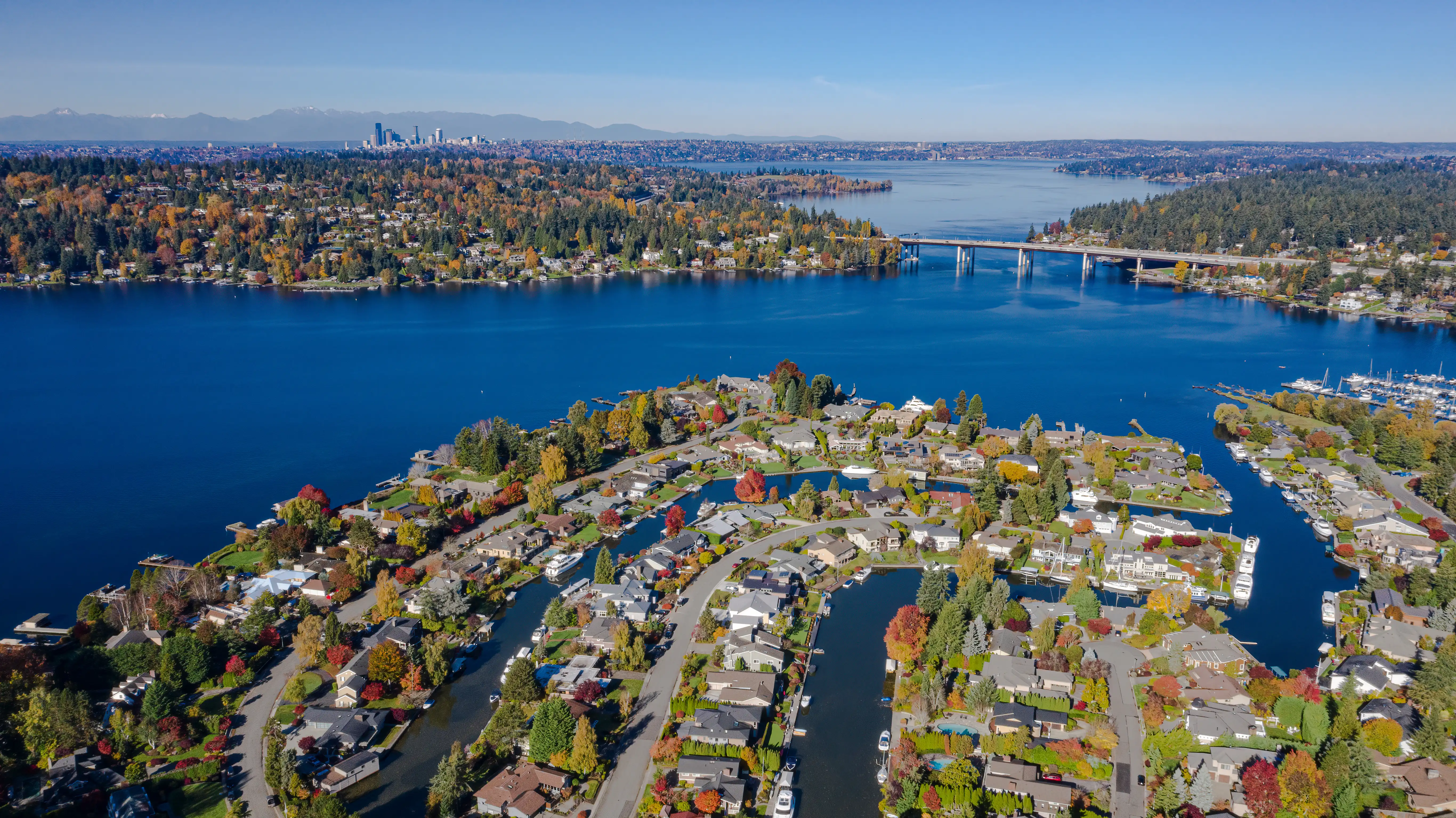
Local Expert Takeaway: The single most underappreciated move in Bellevue right now is buying a single-family home in Lake Hills or Eastgate rather than stretching for Somerset or Bridle Trails. You land in the same school district with similar commute access at roughly $400,000–$600,000 less — and that spread represents years of additional financial flexibility. For buyers who must be in the luxury tier, the Meydenbauer-to-Enatai corridor along the southern waterfront is producing faster-than-average appreciation with far less inventory pressure than West Bellevue's ultra-premium market.
Looking to buy in Bellevue? Estimate your payment.
Enter your numbers to see an estimated monthly mortgage payment.
Estimate only. Excludes HOA fees and mortgage insurance.
Is Bellevue a good place for families?
Bellevue is consistently rated among the top family destinations in Washington State, anchored by the A+-rated Bellevue School District and an abundance of parks including Kelsey Creek Farm, the Lake Hills Greenbelt, and Bridle Trails State Park. Neighborhoods like Somerset, Bridle Trails, and Lake Hills offer the combination of large lots, low through-traffic, and strong school access that parents with school-age children prioritize most.
What is the typical home price in Bellevue?
The city-wide median sold price runs approximately $1.5M as of mid-2026, but that figure masks an enormous spread. Condos in Crossroads and BelRed start in the $550K–$700K range, single-family homes in central neighborhoods like Lake Hills run $1.2M–$1.8M, and the West Bellevue luxury tier starts at $3M and has no practical ceiling. The $1.5M figure reflects the blended market, not what buyers in any single neighborhood will typically encounter.
How does Bellevue compare to nearby cities like Kirkland or Redmond?
Bellevue commands a price premium over both Kirkland and Redmond — roughly $200,000–$400,000 more for comparable single-family homes — driven by its more walkable downtown core, closer proximity to Seattle via I-90 and SR-520, and the concentration of corporate headquarters including Microsoft's Eastside offices, T-Mobile, and Valve. Kirkland offers more waterfront accessibility at somewhat lower price points, while Redmond trades Bellevue's urban amenities for closer proximity to Microsoft's main campus and a more suburban feel.
Explore the full Bellevue series: Living in Bellevue · Is Bellevue Safe? · Cost of Living · Best Neighborhoods · Schools & Family Life · Youth Sports · Parks & Rec · Retiring in Bellevue