
Puget Sound · Washington
Retiring in Federal Way: Is It the Right Fit for Your Next Chapter? (2026)
Federal Way doesn't market itself as a retirement destination the way Palm Springs or Scottsdale might, but the numbers tell a quiet story. With seniors making up roughly 34% of the population — a notably high share for a city of this size — and a median sold price of $610,000 that sits well below Seattle's entry point, the city has been quietly absorbing retirees who want Pacific Northwest quality of life without the premium price tag. Whether that makes it right for your next chapter depends on what you actually value in retirement.
The retirees who tend to thrive here share a few traits: they're comfortable being car-dependent for most errands, they care more about natural beauty and proximity to family than walkable café culture, and they appreciate having real healthcare infrastructure within the city limits rather than depending on a 30-minute drive to a major medical center. Federal Way sits between Seattle and Tacoma — close enough to both for concerts, museums, and specialist appointments, far enough away to feel genuinely residential and unhurried.
This guide covers the full retirement picture: Washington's tax advantages, what healthcare here actually looks like, which senior living communities have earned their reputations, what daily life feels like without a packed event calendar, and how Federal Way stacks up against the other South Sound cities retirees frequently consider.
Washington's biggest gift to retirees isn't a park or a program — it's what the state doesn't tax. Unlike most states, Washington levies no income tax at the state level, which means Social Security benefits, pension income, IRA distributions, and investment returns all land in your account untouched by Olympia.
| Income Type | Washington State Tax Treatment |
|---|---|
| Social Security Benefits | No state income tax |
| Pension Income (public or private) | No state income tax |
| IRA / 401(k) Distributions | No state income tax |
| Investment & Capital Gains | No state income tax (see note below) |
| Wages / Part-time Work Income | No state income tax |
| Property Tax (avg. Federal Way rate) | Approximately 1.11% of assessed value |
| Sales Tax (King County) | Approximately 10.2% combined rate |
| Estate / Inheritance Tax | Washington has an estate tax above $2.09M threshold |
For most retirees, the absence of state income tax is transformative. A couple drawing $80,000 annually in combined pension and Social Security keeps every dollar of that in Washington — while the same couple in Oregon would owe state income tax at rates climbing toward 9.9%. The practical gap between retiring in Federal Way versus comparable Oregon communities like Lake Oswego can easily reach $5,000–$8,000 annually in pure tax savings, which is real money over a 20-year retirement.
Washington also offers a meaningful property tax break for seniors. Homeowners aged 61 and older with household incomes below a qualifying threshold may apply for the Senior Citizen and Disabled Persons Property Tax Exemption, which can reduce or eliminate the taxable portion of their home's assessed value. At Federal Way's rate of approximately 1.11%, on a $610,000 home that's roughly $6,771 annually in property taxes — and even a partial exemption can meaningfully reduce that figure. The program is administered through King County, and eligibility is determined by income rather than asset level, making it accessible to many retirees living on fixed incomes who own homes that have appreciated significantly.
St. Francis Hospital (34515 Ninth Avenue South) is the anchor of Federal Way's medical infrastructure — a 158-bed community hospital operating 24 hours a day as part of the Virginia Mason Franciscan Health system. That affiliation matters more than the bed count. When Virginia Mason and CHI Franciscan merged in 2021, St. Francis gained access to one of the most respected clinical networks in the Pacific Northwest, which means specialist consultations, coordinated care protocols, and telehealth connectivity that smaller community hospitals often lack.
For day-to-day senior care, St. Francis handles the full range of what retirees need most: 24-hour emergency services, an accredited cardiac catheterization program, stroke care, and a Franciscan Breast Center with 3D digital screening. The hospital holds a U.S. News "High Performing" rating in cancer care for leukemia, lymphoma, myeloma, colon cancer surgery, and prostate cancer surgery — the categories most relevant to older adults. Roughly 85% of patients report they would recommend the facility.
What St. Francis is not is a Level I trauma center or academic medical center. Complex oncology cases, advanced cardiac surgery, and neurosurgical procedures will typically route to Tacoma General (about 20 minutes south) or the University of Washington Medical Center in Seattle (about 35–40 minutes north depending on traffic). That coverage gap is the honest trade-off for retirees evaluating Federal Way specifically for healthcare access — routine and urgent care is strong, but high-acuity specialty treatment means a drive.
The surrounding healthcare ecosystem fills in meaningfully. Kaiser Permanente Federal Way Medical Center handles primary care for members. HealthPoint Federal Way offers integrated family medicine, behavioral health, and dental care on a sliding-fee basis. The King County Public Health Center operates locally. For skilled nursing and rehabilitation, Garden Terrace Healthcare Center and Life Care Center of Federal Way (1045 S 308th Street) both offer inpatient and outpatient rehab with 24-hour skilled nursing — important facilities for retirees navigating post-surgical recovery or managing chronic conditions. Washington ranks second in the nation for long-term care quality, which gives the entire ecosystem a stronger foundation than many states can claim.
Federal Way's senior living market spans independent apartments for active 62-plus residents all the way to memory care and skilled nursing — a depth of options that matters significantly as retirement extends across multiple decades.
| Community | Type | Location / Notes | Est. Monthly Cost |
|---|---|---|---|
| Village Green Federal Way | Independent + Assisted | Locally owned by Powell Family; 4.7-star rated | ~$3,200–$4,500 |
| Farrington Court | Independent (62+) | Active community; managed by Stellar Senior Living | ~$2,800–$3,800 |
| GenCare Lifestyle at Steel Lake | Assisted Living | Mental wellness program; near Steel Lake area | $3,400–$4,050 |
| Brookdale Federal Way | Assisted Living | Views of Mount Rainier; 24/7 on-site staff | ~$4,500–$6,000 |
| Brookdale Foundation House | Independent + Assisted + Memory Care | Continuum campus; Brookdale HealthPlus® care model | ~$4,500–$6,500 |
| Mirror Lake Village | Retirement + Assisted + Memory Care | 3 acres; quiet residential setting near freeways | ~$4,200–$5,800 |
| Meridian Court | Affordable Independent (61+) | Income-restricted 1–2 BR; modern amenities | Income-qualified |
| Lakota Hills Senior Care | Assisted Living | Top-rated on A Place for Mom | ~$4,500–$5,500 |
For families navigating the transition from independent living to assisted care, Brookdale Foundation House's continuum model — where independent, assisted, and memory care all share one campus — is worth evaluating closely. Moving a parent across campuses as needs change is logistically and emotionally taxing; the single-campus model reduces that friction considerably.
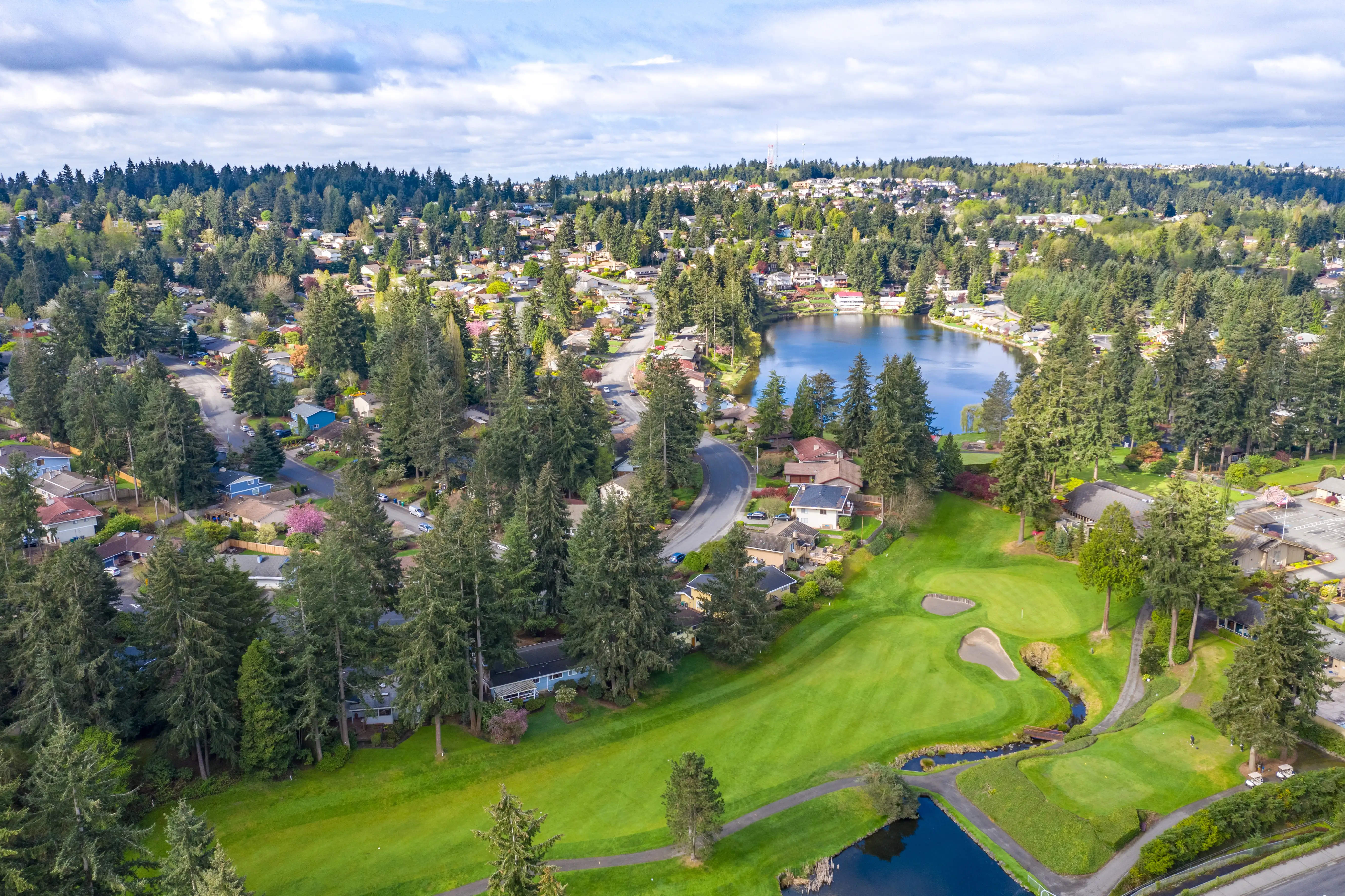
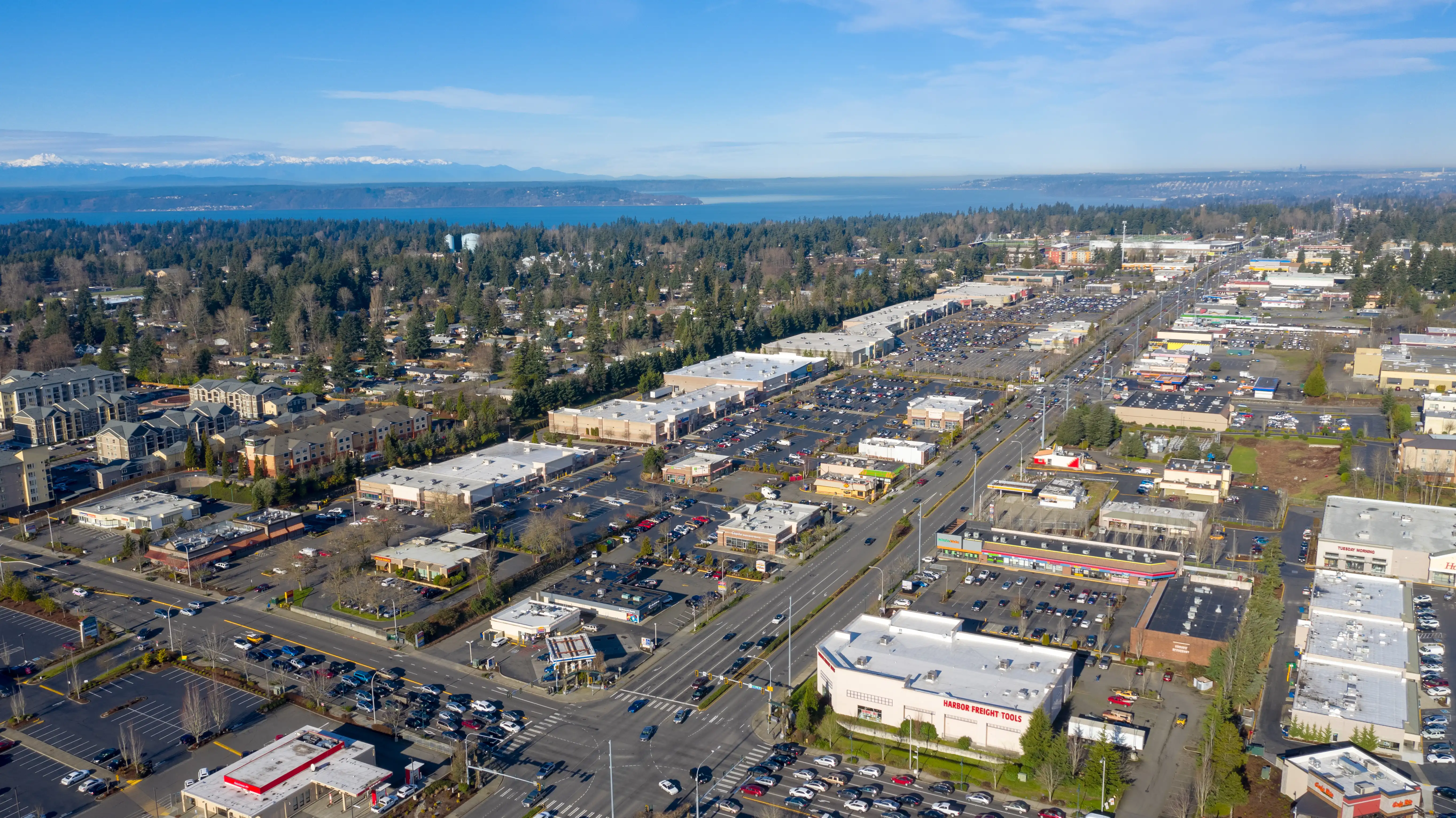
The honest answer on walkability is this: Federal Way is a car city, and retirees who expect to live without one will find it limiting. The city was built around arterials and retail corridors rather than walkable neighborhoods, and while pockets near the Town Center area and along Pacific Highway South have improved, most daily errands require a car or a ride. Retirees who've spent their careers in Seattle or Bellevue sometimes find the adjustment harder than expected at six months in.
What makes daily life rewarding here isn't walkability — it's access to nature that's genuinely close. Dash Point State Park, with its miles of saltwater shoreline and forested hiking trails, is about five minutes from most of the city's residential areas. Steel Lake Park hosts a swimming beach, picnic facilities, and a loop trail that draws regular morning walkers year-round. West Hylebos Wetlands Park offers a quieter, more contemplative experience — elevated boardwalks through a rare inland wetlands ecosystem that feels surprisingly remote given the surrounding city. The Rhododendron Species Botanical Garden and PowellsWood Garden round out a green amenity picture that most cities of Federal Way's size simply don't have.
The cultural calendar is modest by urban standards. The Federal Way Farmers Market runs seasonally and has built a genuine community following — it's less a tourist attraction and more a neighborhood gathering point. The Weyerhaeuser King County Aquatic Center hosts major swim meets and provides year-round lap swimming and fitness programs that retirees use heavily. For arts and entertainment at scale, most residents make the 30-minute drive to Seattle or head south to Tacoma, which has built a genuinely strong arts infrastructure in its own right. Federal Way is a city where you construct your own cultural life from pieces rather than stepping into a ready-made scene.
Getting around without a car is possible but limited. King County Metro serves Federal Way with several routes, and the city's transit infrastructure is set to improve as Sound Transit's light rail expansion continues progressing toward this corridor. For retirees who can still drive, the I-5 corridor connects them to Tacoma in 20 minutes and Seattle in 30 — manageable for specialist appointments or occasional cultural trips. For those transitioning away from driving, the combination of on-demand services, Metro bus, and proximity to senior living communities with transportation programs covers most essential needs.
For groceries, the Fred Meyer, Safeway, and QFC locations along the major corridors provide solid daily coverage. The town center area near Pacific Highway has the highest concentration of daily services within the shortest radius.

Neighborhoods like Twin Lakes and Steel Lake tend to attract retiring buyers who want walkability, water views, and a quieter pace — and those homes don't sit long. Well-maintained single-family properties in these areas, along with spots like Lakota, are moving quickly when priced reasonably, often under $650,000. That activity tells you something about long-term value: other buyers see the same appeal you do, and Federal Way's proximity to medical facilities, shopping, and major routes into Seattle makes these pockets especially attractive for the long haul.
Before you fall in love with a house on a tour, sit down with a lender first. Your full monthly payment in retirement isn't just principal and interest — it includes property taxes, homeowner's insurance, and potentially HOA dues, which are common in planned communities throughout Federal Way. What you're approved for and what feels comfortable on a fixed income are often two different numbers. Knowing your real budget before you start touring means you're ready to move confidently when the right home appears, and in this market, hesitation costs you.
| City | Median Home Price | Hospital Access | Walkability | Senior Living Depth | Overall Retirement Fit |
|---|---|---|---|---|---|
| Federal Way | $610,000 | St. Francis (on-site) | Car-dependent | Strong | Good — value-driven retirees |
| Tacoma | ~$400,000–$450,000 | Tacoma General (Level II) | Moderate | Extensive | Very good — lower cost, urban access |
| Des Moines | ~$580,000 | Via Federal Way or Highline | Car-dependent | Limited | Decent — quieter, Puget Sound views |
| Auburn | ~$530,000 | MultiCare Auburn | Car-dependent | Moderate | Good — suburban, affordable |
| Burien | ~$590,000 | Highline Medical Center | Moderate | Moderate | Good — closer to Seattle, airport noise |
| Kent | ~$550,000 | Valley Medical Center | Car-dependent | Moderate | Good — diverse, practical, affordable |
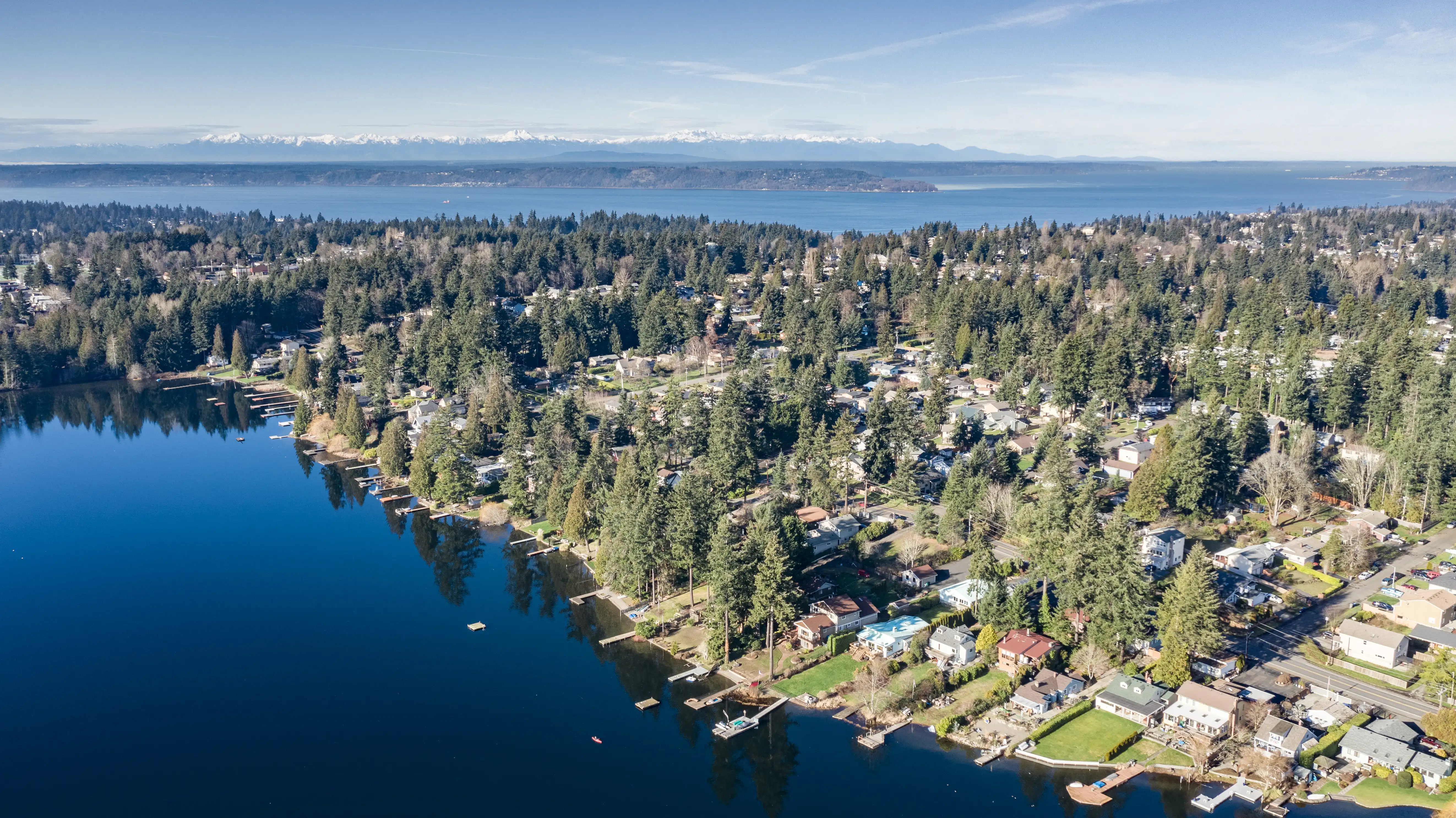
Local Expert Takeaway: Retirees who do best in Federal Way tend to own their home, have at least one car, and value outdoor access more than walkable nightlife. Neighborhoods like Twin Lakes and Mirror Lake offer the quietest residential character with the easiest access to green space — these are the areas worth prioritizing in a serious home search. Retirees who genuinely need to live without a car, or who want a walkable urban core with daily on-foot errands, will likely find Tacoma a better fit for that chapter of life.
Is Federal Way a good place to retire?
For retirees who prioritize value, natural amenity, and healthcare access without paying Seattle prices, Federal Way makes a strong case. The city's senior population is large enough that services, programs, and senior living communities are genuinely developed — and Washington's tax structure amplifies every fixed-income dollar.
What healthcare is available for seniors in Federal Way?
St. Francis Hospital provides 24-hour emergency care, cardiac services, stroke care, and cancer services within the city. The surrounding network includes Kaiser Permanente, HealthPoint, skilled nursing facilities, and telehealth options through Virginia Mason Franciscan Health — giving retirees multiple access points for routine and specialized care.
How does Federal Way compare to retiring in Tacoma?
Tacoma offers lower home prices and more urban walkability, which makes it a stronger fit for retirees who want to eventually give up a car or prefer a more active arts and dining scene. Federal Way trades some of that urban energy for quieter residential neighborhoods, a deeper senior living market, and a slightly more suburban feel — the right choice depends heavily on your lifestyle priorities.
Explore the full Federal Way series: Living in Federal Way · Is Federal Way Safe? · Cost of Living · Best Neighborhoods · Schools & Family Life · Youth Sports · Parks & Rec · Retiring in Federal Way