
Puget Sound · Washington
Cost of Living in Kenmore: Housing, Taxes, Utilities & Lifestyle (2026)
Most people come to Kenmore expecting a discount suburb — a place where you trade a Seattle address for a lower price tag and bank the difference. That's not quite how it works. The median sold price in Kenmore sits at $853,500 as of spring 2026, and when you account for Washington's 10.2% sales tax, King County's property levies, and everyday expenses running roughly 30–43% above the national average, the math demands more than a casual review.
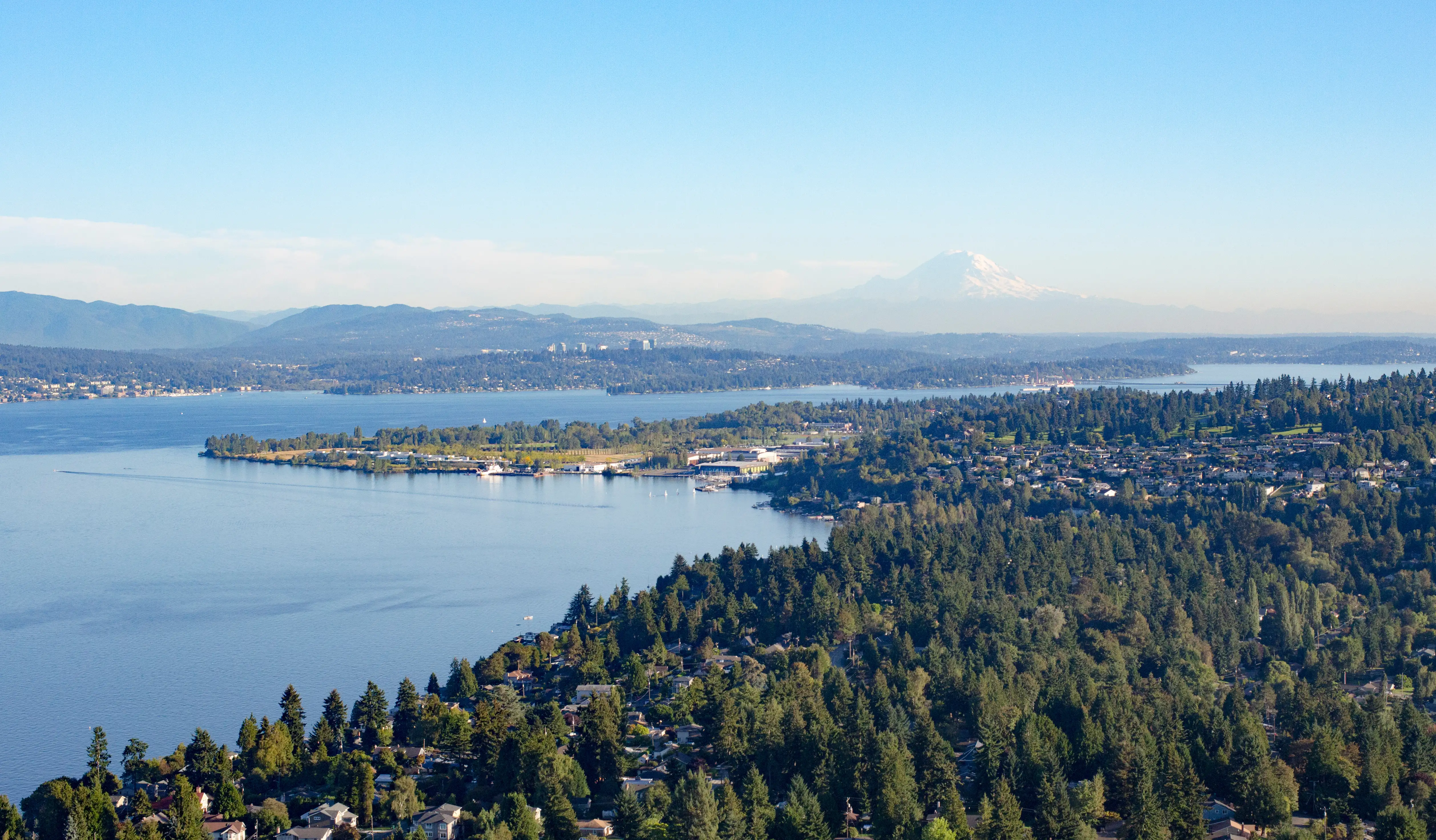
What shapes the cost picture here is a combination of geography and demand. Kenmore sits at the northern tip of Lake Washington, 24 minutes from downtown Seattle, inside one of the most sought-after school districts in the state. That combination — water access, commute efficiency, and Northshore School District's A+ rating — creates a price floor that won't budge much regardless of market cycles.
This guide breaks down every meaningful cost category: what you'll actually pay for housing at different budget levels, how property taxes work under Washington's levy system, what renters are finding in the current market, and where Kenmore lands when you stack it against Bothell, Kirkland, and Lake Forest Park. If you're deciding whether Kenmore fits your financial picture, these are the numbers you need.
The April 2026 NWMLS median sold price of $853,500 is a real figure — but it reflects a moment in a market that's been running anywhere from $900,000 to over $1.1 million across trailing 12-month averages. Buyers should budget $900,000–$1.1 million for a realistic median-range purchase, with the lower end of that range typically landing you a 1970s or 1980s ranch or split-level on a modest lot in neighborhoods like Linwood Heights or Kenmore Terrace. Spend closer to $1.1 million and you're looking at updated Craftsman-style homes on tree-covered streets in Moorlands or Northshore Summit, often with finished basements and recent kitchen renovations.
At $453 per square foot (the current going rate), a 2,000-square-foot home prices out around $906,000 before negotiation. Homes are moving in roughly 15–19 days on average, and the sale-to-list ratio holds near 99.5%, which means there's little room for low-ball offers in desirable pockets. The inventory picture — about 91 active listings and 3.6 months of supply — is technically buyer-leaning by definition, but competitive homes near Log Boom Park or with water views still attract multiple offers. Entry-level condos and townhomes open the door around $450,000–$550,000, while lakefront and premium view properties push well past the median into $1.5 million and above.
The scenario that surprises most incoming buyers: homes in Kenmore that look like they should be $700,000 — older construction, dated finishes, undersized garages — routinely sell above $850,000 because of lot size, school zone, and the simple fact that this end of the lake has fewer comparable options than Kirkland or Redmond.
| Budget Range | What You'll Typically Find |
|---|---|
| Under $600K | Condos, townhomes, older 2BR homes needing updates |
| $700K–$899K | 3BR split-levels and ranches, 1970s–1990s construction |
| $900K–$1.1M | Updated single-family, newer Craftsman, good lots |
| $1.1M–$1.5M+ | Premium homes, water views, lakefront access, large lots |
On the $853,500 median home, Kenmore's effective property tax rate of approximately 0.96% works out to roughly $8,194 per year — about $683 per month added to your housing cost. Washington state caps annual levy increases at 1% without a public vote, which provides some stability over time, but King County flagged Kenmore among its highest residential tax increase areas for 2025, driven largely by passage of Fire District #16's permanent lid lift. Homeowners 61 and older with household income under $84,000 may qualify for King County's senior property tax exemption, which freezes the assessed value used for the state levy and can meaningfully reduce the annual bill.
About 30% of Kenmore households rent, and the rental market here skews toward apartment communities rather than single-family home rentals. The average monthly rent for an apartment runs approximately $2,183 as of mid-2026, which sits about 16% above the national average but tracks reasonably close to what you'd pay in neighboring Bothell or Lake Forest Park.
| Unit Type | Average Monthly Rent | Typical Size |
|---|---|---|
| Studio / Micro | ~$1,500–$1,700 | Under 550 sq ft |
| 1-Bedroom | $1,795 | ~696 sq ft |
| 2-Bedroom | $2,366 | ~1,005 sq ft |
| 3-Bedroom | $3,186 | ~1,536 sq ft |
| 3BR+ Single-Family | $4,395–$4,750+ | 2,000+ sq ft |
Utilities in Kenmore run higher than national benchmarks, consistent with the region's overall cost of living premium. Electricity is supplied by Puget Sound Energy; natural gas service in the area is also PSE-managed. A typical monthly utility bundle — electricity, gas, water, and sewer — runs in the range of $225–$300 for a single-family home, with higher heating costs in wet winter months. Internet service through providers like Xfinity or CenturyLink generally runs $70–$100 per month for standard broadband packages.
Getting around Kenmore without a car is possible but limited. The Burke-Gilman Trail runs directly through the city and connects cyclists north and south with impressive utility, but transit options are primarily King County Metro bus routes rather than light rail. Community Transit Route 312 and Metro's Route 372 serve SR 522 corridor commuters heading toward Seattle, though the 24-minute drive assumes off-peak conditions — add 15–25 minutes during I-5 and SR 522 rush hour. The practical reality is that most Kenmore households own two vehicles.
Groceries and dining are accessible but not abundant within the city limits. A Safeway anchors day-to-day shopping needs along the SR 522 commercial corridor; additional options require a short drive to Bothell or Kenmore's borders with Lake Forest Park. Food costs run approximately 16% above the national average — an individual household typically budgets around $430 per month on groceries, while a family of four runs closer to $1,400. Local dining options are present but modest compared to Kirkland or Seattle; the Burke-Gilman-adjacent coffee culture is strong, and Kenmore Air Harbor adds an interesting character to the waterfront food and drink scene near Log Boom Park.
Sales tax at 10.2% affects every retail and restaurant purchase in Kenmore — on a $50 grocery run that becomes $55.10, and on a $30,000 vehicle it adds $3,060. This is one of the costs that catches transplants from lower-tax states off guard.

Kenmore's position in the cost landscape becomes clearest when you stack it directly against its neighbors. It's consistently less expensive than Kirkland and Woodinville for housing while carrying similar or slightly higher daily costs than Bothell.
| City | Approx. Median Home Price | Property Tax Rate | State Income Tax | Commute to Seattle | School District Rating |
|---|---|---|---|---|---|
| Kenmore | $853,500 | ~0.96% | None | ~24 min | A+ (Northshore) |
| Kirkland | ~$1.3M–$1.5M | ~1.0% | None | ~28 min | A (Lake Washington) |
| Bothell | ~$800K–$900K | ~1.0% | None | ~30 min | A+ (Northshore / Northshore) |
| Lake Forest Park | ~$800K–$950K | ~0.95% | None | ~22 min | B+ (Shoreline) |
| Woodinville | ~$950K–$1.1M | ~0.95% | None | ~35 min | A+ (Northshore) |
| Shoreline | ~$750K–$850K | ~0.92% | None | ~20 min | B+ (Shoreline) |
| Seattle (North End) | ~$850K–$1.0M | ~0.91% | None | ~15 min | B (Seattle) |

Kenmore's neighborhoods each tell a different cost-of-living story, and where you land within the city genuinely shapes long-term value. Homes in Northshore Summit and Inglewood tend to attract strong buyer interest because of their elevation, views, and proximity to good schools — well-priced listings there often move within days, not weeks. Northlake Terrace offers a slightly different pace but has seen consistent appreciation as more buyers discover the neighborhood. If you're targeting something under $750,000 in any of these areas, expect competition and have your financing in order before you start touring.
That leads to the conversation I always encourage before anyone walks through a single door: talk to a lender first, not to find out your maximum approval, but to understand your complete monthly picture. Property taxes, homeowner's insurance, any HOA dues, and your loan structure all stack together in ways that can genuinely surprise people. Knowing your comfortable number — not just your ceiling — means that when the right home in Kenmore appears, you're ready to move with confidence instead of scrambling.
This budget reflects a household purchasing at the $853,500 median price with 10% down ($85,350), financing $768,150 at an assumed mid-2026 rate. Property tax uses the 0.96% rate from Kenmore's data.
| Budget Category | Estimated Monthly Cost |
|---|---|
| Mortgage Principal & Interest | ~$5,100 |
| Property Taxes (0.96% of $853,500) | ~$683 |
| Homeowner's Insurance | ~$175 |
| HOA (if applicable — many homes have none) | $0–$250 |
| Electricity & Gas (PSE) | ~$175 |
| Water, Sewer & Garbage | ~$90 |
| Internet | ~$85 |
| Groceries (2-person household) | ~$800 |
| Dining Out & Entertainment | ~$400 |
| Transportation (2 vehicles, gas + maintenance) | ~$700 |
| Health Insurance (employer-supplemented) | ~$500 |
| Childcare or School Activities | ~$400–$1,200 |
| Total (without childcare) | ~$8,708/month |
| Total (with childcare) | ~$9,100–$9,900/month |
Washington's complete absence of a state income tax is genuinely significant for higher earners. A household earning $200,000 annually in Oregon would owe roughly $18,000–$19,000 in state income tax; in Washington, that's $0. That annual savings covers more than half of Kenmore's property tax bill and meaningfully offsets the 10.2% sales tax rate that applies to purchases in the city.
Washington also has no capital gains tax on real estate for primary residences (the state's 7% capital gains excise tax applies to long-term capital gains on financial assets above $262,000, passed in 2021 and upheld in 2023, but does not apply to real estate). For homeowners building equity in a $853,500–$1M+ home, this distinction matters at the time of sale.
Senior residents should know about Washington's Property Tax Deferral program, which allows eligible homeowners 60 and older with household income under $84,000 to defer property tax payments until the property is sold or transferred — a meaningful cash-flow option for retirees on fixed incomes sitting on appreciated Kenmore real estate.
The combined effect of no income tax, deferred property tax availability for seniors, and Washington's homestead equity protections makes the tax side of Kenmore ownership more favorable than headline cost-of-living numbers suggest.

Local Expert Takeaway: The buyers who feel best about Kenmore two years after closing are the ones who factored in the full ownership cost — not just the purchase price. Run the numbers with property taxes at $683/month, utilities at $265/month, and two vehicles in a car-dependent suburb, and then check whether your gross income covers it with room to save. If it does, Kenmore's combination of Northshore schools, lake access, and a 24-minute Seattle commute is hard to replicate at this price point anywhere else on the Eastside.
Looking to buy in Kenmore? Estimate your payment.
Enter your numbers to see an estimated monthly mortgage payment.
Estimate only. Excludes HOA fees and mortgage insurance.
Is Kenmore an affordable place to live?
Kenmore is significantly more expensive than the U.S. national average — cost of living runs roughly 30–43% higher depending on the index you use. That said, it offers meaningful value relative to its immediate neighbors: housing is priced considerably below Kirkland and Bellevue while sharing the same Northshore School District and similar lake access. For households earning $140,000 or more, Kenmore fits comfortably; for households below $100,000, renting or purchasing at the entry-level condo tier is typically the realistic entry point.
What are property taxes like in Kenmore?
At an effective rate of approximately 0.96%, annual property taxes on the $853,500 median home run around $8,194 — roughly $683 per month. Washington state's 1% annual levy cap limits runaway increases in most years, though major local ballot measures (like the 2025 fire district levy) can cause single-year jumps. Homeowners 61 and older with qualifying income may apply for King County's senior property tax exemption, which can reduce the effective bill meaningfully.
How does Kenmore compare to Bothell for cost of living?
The two cities are closely matched. Bothell's median home prices run slightly below or on par with Kenmore's depending on the neighborhood, and both fall within the Northshore School District for many of their residential areas. Kenmore's direct lake frontage and waterfront recreational access give it a modest price premium in comparable homes, while Bothell's more developed downtown commercial corridor provides slightly better walkability for everyday errands. For buyers who prioritize cost above all else, Bothell's Canyon Park and north Bothell neighborhoods often come in a notch below Kenmore's going rates.
Explore the full Kenmore series: The Ultimate Kenmore Relocation Guide · Is Kenmore Safe? · Cost of Living in Kenmore · Best Neighborhoods in Kenmore · Kenmore Schools & Family Life · Kenmore Youth Sports · Kenmore Parks & Recreation · Retiring in Kenmore · 1031 Tax-Deferred Exchange in Kenmore · Kenmore First-Time Homebuyers Guide · Kenmore Down Payment Assistance Guide · Moving to Kenmore from California