Southwest Washington · Washington
Best Neighborhoods in Longview: Where to Buy or Rent (2026)
Longview is a city where the neighborhood you pick matters far more than most buyers realize before they arrive. The price gap between the cheapest and most sought-after areas runs well over $200,000 — on a market where the citywide median sits at $375,000. That kind of spread means a buyer who does their homework can land a well-located home in a genuinely desirable pocket, while a buyer who shops on square footage alone might end up somewhere that disappoints in ways that don't show up on a listing sheet.
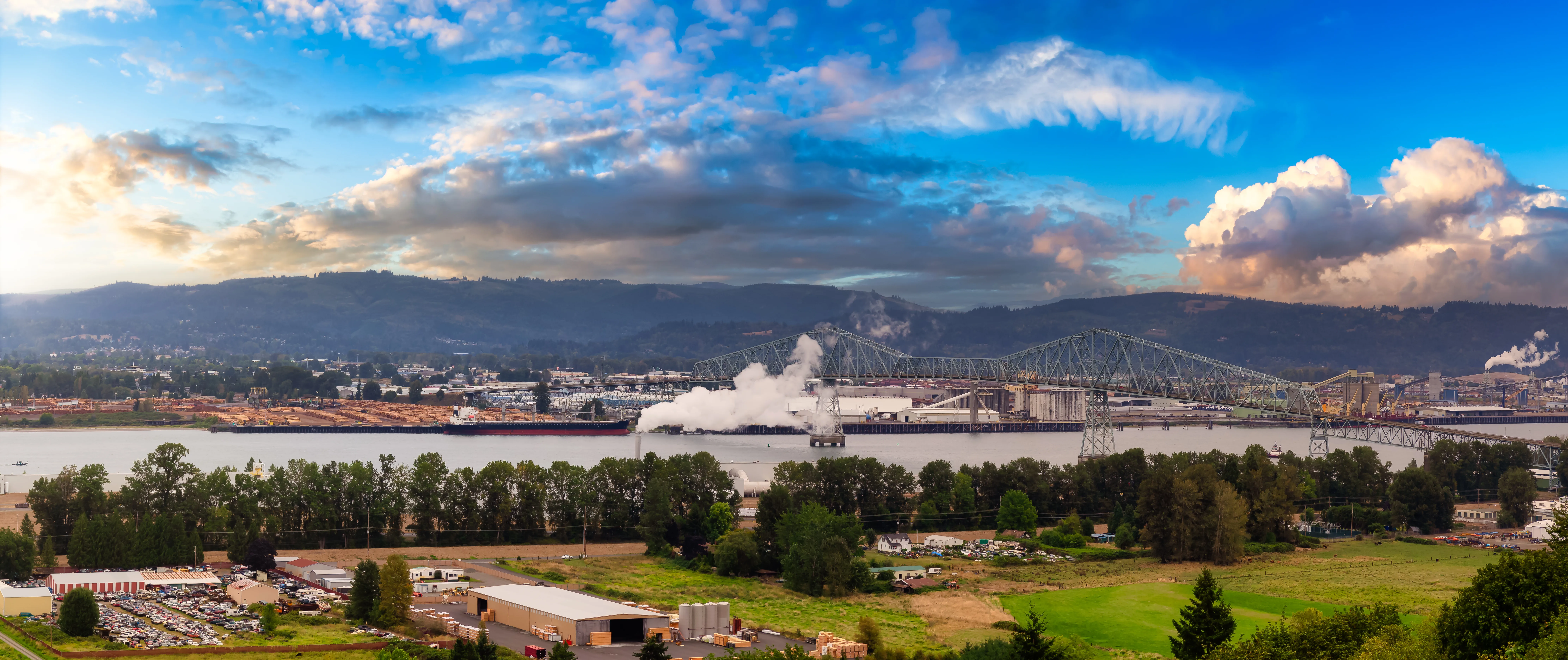
The city divides along geography and character. The older neighborhoods near Lake Sacajawea and the established west side tend to command premium prices for their mature landscaping, proximity to green space, and quiet residential feel. The flatlands and corridors closer to industrial activity along the Columbia River waterfront tell a different story — more affordable, more functional, and more honest about what Longview is at its industrial core.
This guide walks through the best neighborhoods for buyers and renters at every budget, maps out the trade-offs that catch relocating buyers off guard, and gives you the geographic foundation to make a decision you won't second-guess in six months.
| Neighborhood | Best For | Price Range | Vibe |
|---|---|---|---|
| Cascade-City View | Premium buyers, views | $470,000–$495,000 | Elevated, quiet, established |
| Glenwood | Families, large lots | $460,000–$475,000 | Spacious, suburban, wooded edges |
| Columbia Heights East | Move-up buyers, views | $455,000–$520,000 | Hillside, newer construction, panoramic |
| Hillside Acres | Value-seekers near top end | $440,000–$450,000 | Residential, established, under the radar |
| Old West Side | Character buyers, walkability | $425,000–$455,000 | Historic, tree-lined, Lake Sacajawea adjacent |
| West Longview | River proximity, variety | $335,000–$500,000 | Mixed-use residential, golfers, retirees |
| Mint Valley | Golf lifestyle, newer builds | $370,000–$445,000 | Green, tranquil, single-family focused |
| Columbia Valley Gardens | First-time buyers | $360,000–$370,000 | Accessible, family-oriented |
| Memorial Park | Renters and budget buyers | $345,000–$355,000 | Working-class, central, utilitarian |
| Highlands | Entry-level, investors | $255,000–$280,000 | Dense, older stock, affordability-first |
| Buyer Type | Best Neighborhood | Why |
|---|---|---|
| First-time buyer | Columbia Valley Gardens | Near citywide median, established streets, accessible to services |
| Luxury buyer | Cascade-City View | Highest values in Longview, elevated setting, limited inventory |
| Walkability seeker | Old West Side | Lake Sacajawea frontage, Japanese Gardens, Columbia Theatre district |
| Families with kids | Glenwood | Large lots, quieter streets, close to recreational areas |
| Commuters (Portland) | West Longview | SR-4/I-5 access, proximity to Lewis and Clark Bridge corridor |
| Large lot buyers | Columbia Heights East | Hillside parcels with acreage potential, panoramic Columbia River views |
| Renters | Memorial Park / Highlands | Most accessible price points, rental inventory, central location |
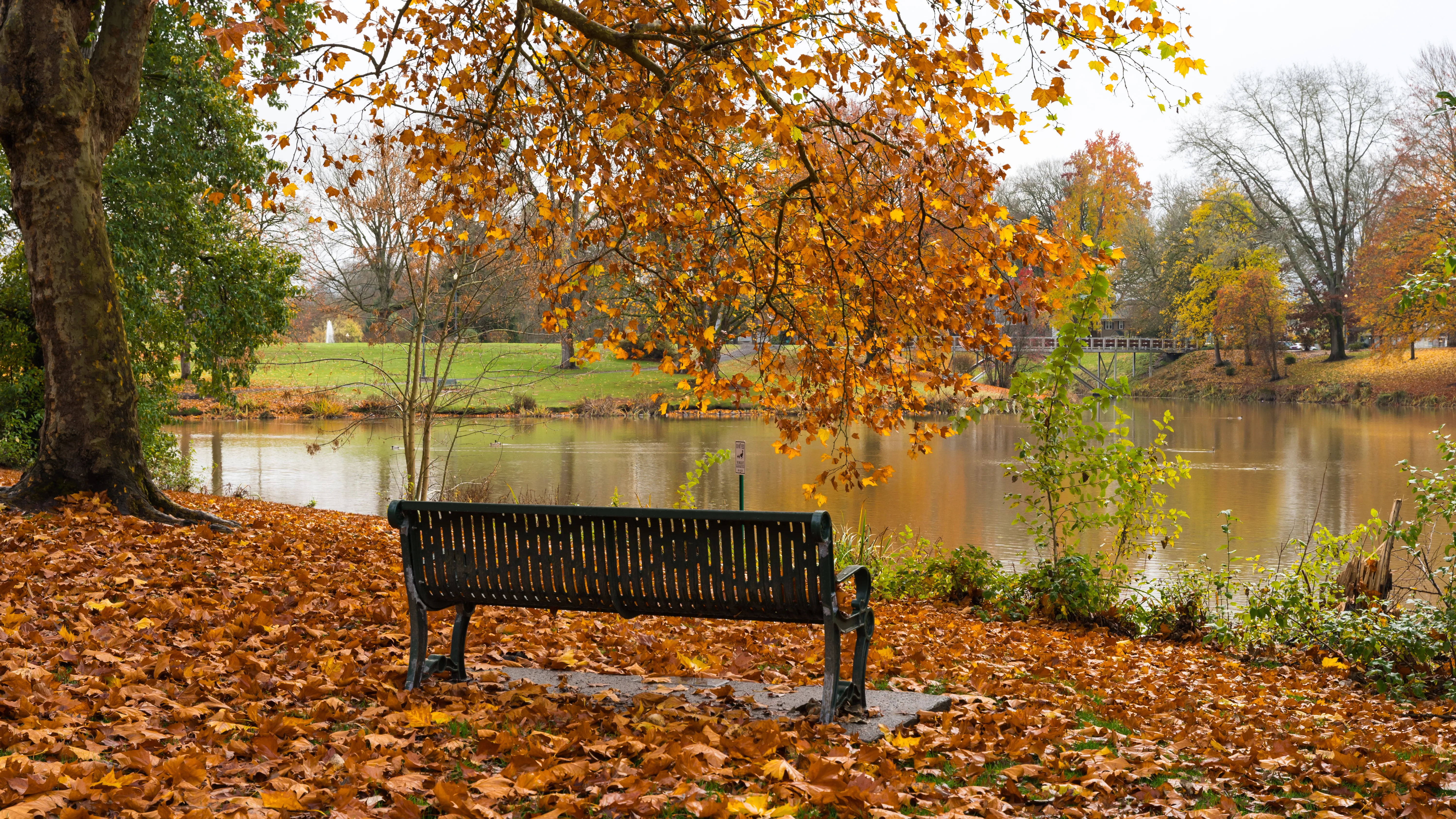
Old West Side is the neighborhood Longview residents point to when someone asks where the character lives. It sits adjacent to Lake Sacajawea Park — a 110-acre urban lake with a three-mile walking loop, Japanese Gardens, and the beloved Nutty Narrows Bridge — which means residents walk out their front door into one of the most genuinely beautiful urban green spaces in Southwest Washington. Homes here run from the mid-$420s to the mid-$450s, reflecting a mix of classic bungalows, period craftsman builds, and larger mid-century homes on established lots. The catch is condition variability — older housing stock means buyers will encounter deferred maintenance that doesn't always show up in listing photos, and a pre-offer inspection is non-negotiable here.
Best for: Buyers who prioritize walkability, neighborhood character, and proximity to Longview's best green space over modern finishes.
Cascade-City View sits at the top of Longview's price ladder, with Zillow values clustering between $477,000 and $489,000 and some sales reaching into the low $500s. The elevated position delivers views across the Columbia River valley and a separation from the industrial flatlands that defines the city's lower elevations. Inventory here is genuinely limited, and when homes do come to market they move — often within two to three weeks. The catch is that hillside living means steeper driveways, occasional ice concerns in winter, and longer drives to everyday services than neighbors at lower elevation enjoy.
Best for: Premium buyers seeking the highest-value addresses in Longview with long-term appreciation potential.
Glenwood sits in the upper tier of Longview's residential market, with homes typically ranging from the low $460s to the mid-$470s. The neighborhood's appeal centers on lot size — parcels here run noticeably larger than the city average — and the greener, more wooded character that comes with proximity to the city's hillside topography. It attracts households with children who want space to spread out without the premium of the Columbia Heights East hillside. The downside is distance from everyday convenience: groceries, services, and downtown Longview all require a drive, and the neighborhood has minimal on-foot access to anything.
Best for: Families with kids who prioritize outdoor space, privacy, and quieter residential streets over walkability.
Columbia Heights East is where buyers come when they want Longview's most dramatic real estate — hillside lots, panoramic Columbia River views, and price points that push well above the citywide average. Homes regularly list in the $455,000 to $520,000 range, with some parcels offering acreage that's rare anywhere else inside city limits. The neighborhood has attracted move-up buyers priced out of the Portland metro who arrive expecting compromise and leave impressed by what their money buys on the hillside. Practically speaking, the elevation cuts both ways: the views are real, but the winding access roads and limited public transit mean car-dependent living is non-negotiable.
Best for: Move-up buyers and those relocating from pricier metros who want maximum space and views for their dollar.
West Longview is the most diverse neighborhood in the city by housing type — single-family homes in the $333,000 to $500,000 range coexist with gated condo communities, a 55-plus development called Willow Pointe, and several manufactured home parks including Heron Pointe and Sunny Meadows. Roy Morse Park anchors the area with 60 acres of athletic fields and disc golf, and the Mint Valley Golf Course border means golfers have the city's only public 18-hole course within walking distance. The neighborhood sits roughly four miles from Longview's center, which keeps commutes manageable for workers at PeaceHealth St. John or Port of Longview, but buyers should know that the distance creates a degree of isolation from downtown services that surprises people who didn't scout it in person first.
Best for: Buyers with diverse budgets, retirees drawn to the 55-plus community, and golf lifestyle seekers.
Mint Valley has been one of Longview's quiet success stories — Redfin recorded a median sale price of $440,000 in late 2025, up nearly 24% year-over-year, a jump driven by demand for newer construction in a market with tight inventory. The neighborhood wraps around Mint Valley Golf Course, giving it a landscaped, unhurried feel that contrasts with the denser central neighborhoods. Most of the housing stock is newer or well-maintained single-family construction, which reduces the deferred maintenance risk that comes with Longview's older districts. The limitation is that Mint Valley's separation from commercial corridors means residents are driving for nearly every errand — the tranquility is real, but so is the car dependency.
Best for: Buyers who want newer construction, a golf-adjacent lifestyle, and genuine quiet without leaving Longview's city limits.
Columbia Valley Gardens occupies the accessible middle of Longview's market — homes here cluster in the $360,000 to $370,000 range, which positions the neighborhood right at the citywide median and makes it one of the most realistic entry points for first-time buyers. Streets are established, the residential character is consistent, and proximity to Highway 432 gives commuters a practical connection to I-5 without navigating downtown. What buyers give up here is the architectural character of Old West Side and the elevated views of the hillside neighborhoods — Columbia Valley Gardens is functional and fairly priced, but it doesn't generate the emotional pull of Longview's more distinctive districts.
Best for: First-time buyers and households who want solid value near the city median without overextending.
Highlands is Longview's most affordable established neighborhood, with Zillow values ranging from roughly $255,000 to $280,000 — well below the citywide median and a legitimate entry point for buyers with tight down payments or investors looking at rental yields. The trade-off is honest and worth naming: the housing stock is older, density is higher than the city average, and the neighborhood's proximity to some of Longview's busier commercial and industrial corridors means ambient noise and traffic are part of daily life. Highlands functions well as a stepping-stone neighborhood, but buyers expecting the residential quiet of Mint Valley or Glenwood at this price will be disappointed.
Best for: Entry-level buyers, investors, and renters transitioning toward ownership who prioritize affordability above all else.
Treating the city as geographically uniform. Longview's topography creates real divisions that don't appear on a map. Buyers who shop purely by zip code end up comparing homes in Highlands against homes in Cascade-City View as if they're interchangeable — they aren't, by $200,000 or more. Before you write an offer, drive the neighborhood at 7am on a weekday and again on a Saturday afternoon. The difference between a hillside street in Columbia Heights East and a flat block near Industrial Way is stark and doesn't reduce to a price-per-square-foot comparison.
Underestimating the Ocean Beach Highway corridor. SR-4/Ocean Beach Highway is the primary east-west connector in Longview, and during peak commute hours it backs up in ways that add 15 to 20 minutes to trips that look trivial on Google Maps. Buyers drawn to West Longview for its river proximity and relative quiet sometimes discover that daily commutes to central Longview employers like PeaceHealth or Lower Columbia College are slower than expected. Test your actual commute route during morning hours before you commit to a neighborhood on the west side of the city.
Skipping flood zone research. Approximately 11% of Longview properties carry meaningful flood risk over a 30-year horizon — a number that's easy to overlook when you're focused on price and square footage. The risk clusters in low-lying areas near the Columbia River waterfront and certain flatland corridors. A FEMA flood map check and a direct conversation with your insurance broker before closing is not optional in this market. Buyers who skip this step can face insurance costs that meaningfully change the affordability math on what looked like a great deal.
Buying in Highlands expecting appreciation to match the hillside. Highlands is a legitimate neighborhood for the right buyer, but relocating buyers sometimes acquire a home there under the assumption that Longview's overall market appreciation will lift all neighborhoods equally. The upper-tier neighborhoods — Cascade-City View, Columbia Heights East, Old West Side — have historically led appreciation cycles. Highlands serves a specific purpose in this market, and that purpose is affordability and investor yield, not maximum long-term equity growth.

Longview's neighborhoods each tell a different story when it comes to long-term value, and where you land on the map really does matter. Areas like West Longview and Columbia Heights East have shown consistent buyer interest, largely because of their accessibility and established character. Highlands attracts buyers who want more space and a quieter feel, and well-priced homes there tend to go quickly once they hit the market. Most buyers in these neighborhoods are working within a budget under $400,000, though desirable properties in stronger pockets can push higher. When inventory is limited, hesitation is expensive.
Before you fall in love with a home on a tour, it's worth sitting down with a lender first. Your actual monthly obligation goes well beyond the loan itself — property taxes, homeowner's insurance, any HOA dues, and how your loan is structured all factor into what you'll pay every month. Getting pre-approved helps you understand a comfortable budget, not just your maximum approval, so when the right home appears in a competitive Longview neighborhood, you're ready to move with confidence.
| Area | Ideal For | Typical Rent Range | Trade-off |
|---|---|---|---|
| Old West Side / Lake Sacajawea | Professionals, couples, walkers | $1,400–$1,800/mo | Limited rental inventory, high competition |
| Highlands | Budget renters, single occupants | $950–$1,250/mo | Older stock, higher noise, less curb appeal |
| Downtown Longview | Urban-oriented renters, LCC students | $1,100–$1,500/mo | Parking challenges, limited grocery walkability |
| West Longview | Families wanting space, 55+ renters | $1,600–$2,000/mo | Distance from central Longview services |
| Columbia Valley Gardens | Families, first-time renters | $1,300–$1,600/mo | Quieter but limited walkability |
Local Expert Takeaway: If you're deciding between Longview neighborhoods and your budget lands in the $400,000 to $450,000 range, the choice usually comes down to Old West Side versus Mint Valley — and that decision is really about lifestyle, not price. Old West Side gives you walkable access to Lake Sacajawea, the Columbia Theatre, and Longview's historic character, but the older housing stock means inspection surprises are common. Mint Valley gives you newer construction and golf-course quiet, but you're driving for everything. For buyers prioritizing long-term appreciation, Cascade-City View's elevation, limited inventory, and strong price history make it worth stretching the budget if you can get there — homes there move in roughly two weeks when well-priced, so act decisively.
Looking to buy in Longview? Estimate your payment.
Enter your numbers to see an estimated monthly mortgage payment.
Estimate only. Excludes HOA fees and mortgage insurance.
Is Longview a good place to buy a home in 2026?
Longview offers genuine value in a Southwest Washington market where most comparable cities have moved well above $400,000. With a citywide median sold price of $375,000 and a competitive but not frenzied market, buyers who choose their neighborhood carefully can find solid long-term investments — particularly in hillside areas with limited inventory and strong historical appreciation.
Which Longview neighborhood has the lowest home prices?
Highlands consistently offers the city's most accessible entry points, with typical values in the $255,000 to $280,000 range. The affordability is real, but so are the trade-offs — older housing stock, higher density, and proximity to busier commercial corridors. It functions best as a starter neighborhood or investor play rather than a long-term family destination.
How far is Longview from Portland for daily commuters?
The drive from Longview to Portland runs approximately 52 minutes under normal conditions via I-5 — though peak-hour congestion on the Bridge of the Gods and near the Washington-Oregon border can push that to 65 to 75 minutes on bad days. Buyers prioritizing the Portland commute tend to gravitate toward West Longview and neighborhoods near the Highway 432/I-5 interchange for the most direct access to the freeway.
Explore the full Longview series: Living in Longview · Is Longview Safe? · Cost of Living · Best Neighborhoods · Schools & Family Life · Youth Sports · Parks & Rec · Retiring in Longview