Southwest Washington · Washington
Living in Longview: The Ultimate Relocation Guide (2026)
Maybe your company is transferring you to the southwest corner of Washington and Longview keeps coming up in the search results. Maybe you've been watching Portland's housing market creep past $500,000, $600,000, $700,000 and someone finally said: "Have you looked across the river?" Maybe you drove through on I-5 once, saw the paper mills and the river fog, and wrote it off without stopping. That would be a mistake — but it would also be an understandable one. Longview occupies a strange position in the Pacific Northwest imagination: a planned industrial city that genuinely works as a place to live, priced far below the regional median, sitting just under an hour from Portland, and almost never discussed seriously in relocation circles. That gap between reality and reputation is exactly the tension at the center of this guide.
Longview sits at the confluence of the Cowlitz and Columbia rivers in southwestern Washington, about 45 miles north of Portland via I-5. It was designed from scratch in 1921 by city planner George Kessler — the same kind of deliberate grid-and-park system you'd recognize from civic-minded Midwestern cities — and it shows. The street layout is unusually logical, the parks are large and well-placed, and there's a cohesion to the older neighborhoods that most towns of this size don't have. What shapes daily life here isn't the urban energy of Portland or the manicured affluence of Clark County suburbs like Camas or Battle Ground — it's something quieter and more industrial: a working-class city with genuine bones, surrounded by the green valleys and forested ridgelines of the Cowlitz County interior.
This guide will help you figure out whether Longview is the right call for your household. You'll find honest assessments of what the market actually looks like at $375,000 median, which neighborhoods match different priorities, how the commute to Portland really plays out, what the schools are doing, and what long-term residents quietly wish they'd known before buying. There's no spin here in either direction — Longview has real advantages that get undersold and real drawbacks that get glossed over, and you deserve both.
Not every buyer landing in southwest Washington is looking for the same thing. Longview makes sense for some profiles and doesn't for others — here's the honest breakdown.
| Best For | Why |
|---|---|
| First-time buyers | $375,000 median puts real homeownership within reach without a jumbo loan or a decade of saving |
| Portland commuters on a budget | The 52-minute drive to Portland is real but manageable; the home price differential is enormous |
| Retirees seeking affordability | Low property taxes (~0.88%), walkable Lake Sacajawea area, strong healthcare access at PeaceHealth St. John |
| Remote workers | Lower cost of living, reasonable internet access, and a quieter pace suits remote workers who don't need daily urban access |
| Families with kids in trades or manufacturing | Strong local employer base in manufacturing, port logistics, and healthcare creates realistic local career paths |
| Buyers priced out of Clark County | Camas, Washougal, and Battle Ground have all pushed past $500,000–$600,000 median; Longview is the affordable alternative with a different vibe |
The first thing most newcomers notice is how green it is. The city sits in a shallow river valley ringed by forested hills, and even the older industrial corridors have mature trees softening the edges. Lake Sacajawea — a long, narrow lake running through the center of the city — functions as something between a spine and a living room for the community. On weekday mornings there are walkers and cyclists circling it before work; on summer evenings it fills up with families. It's the kind of civic infrastructure that makes a city feel like someone actually thought about livability, which tracks given Longview's planned-city origins.
Daily life runs at a distinctly unhurried pace. The average local commute is just over 14 minutes — not to Portland, just within the city — and that number captures something real about the texture of getting around. You're not fighting a metro grid. You're moving through a manageable mid-sized city where parking is free, traffic jams are mostly limited to one or two intersections during school pickup, and the notion of spending 45 minutes driving across town isn't a thing.
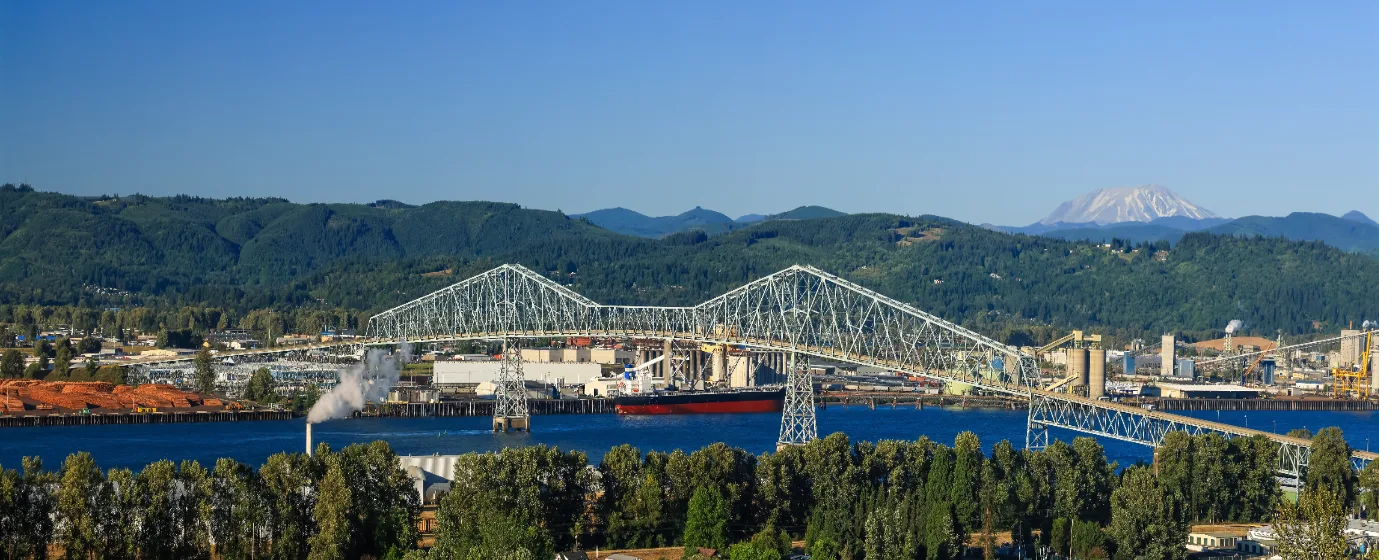
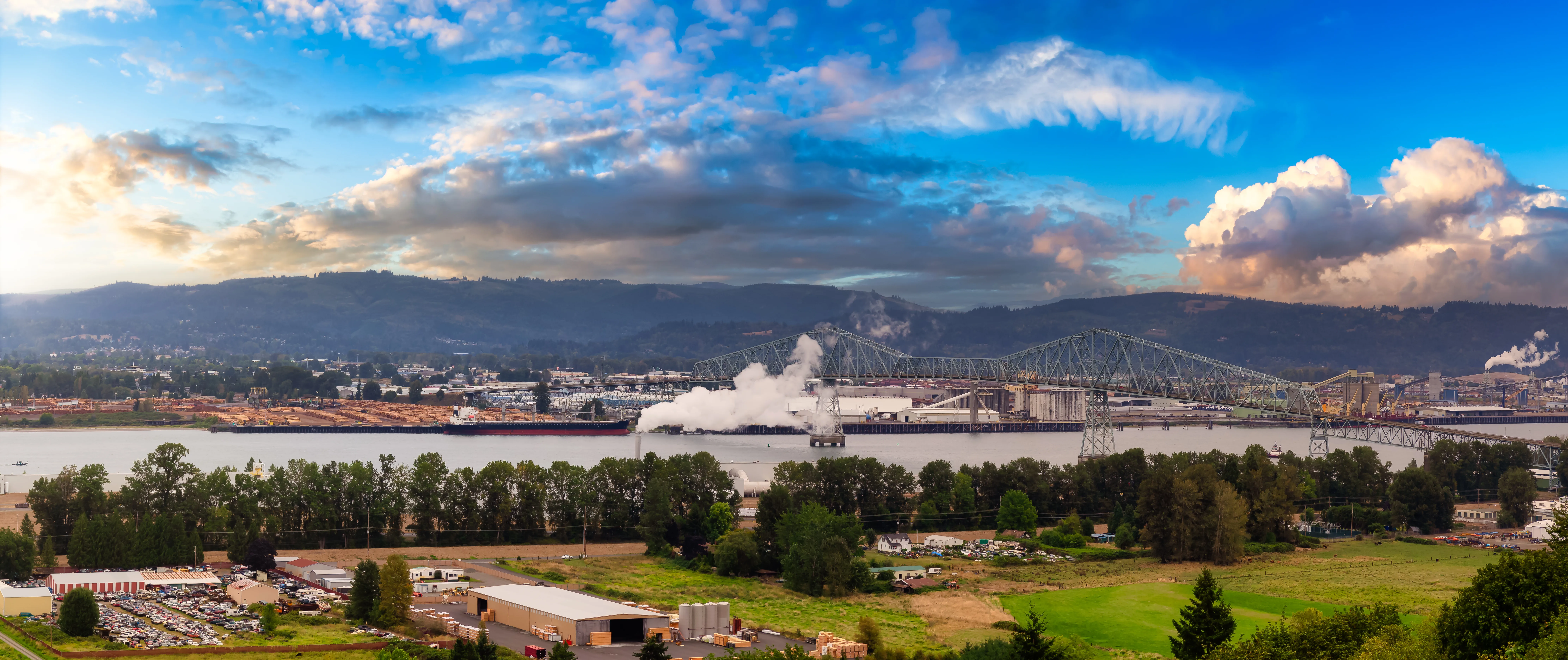
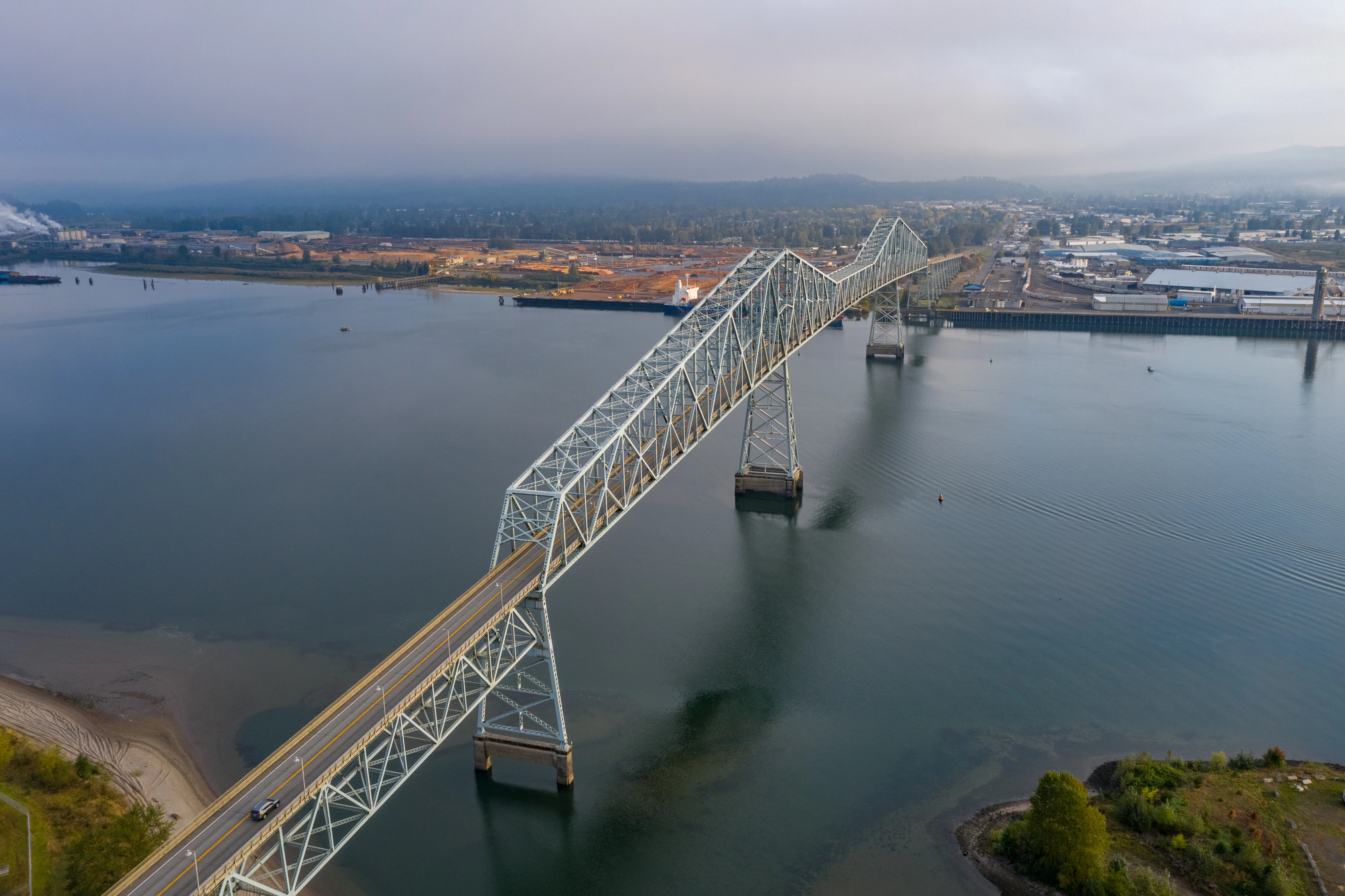
The Portland commute, however, is a different story. The 52-minute figure assumes reasonable I-5 conditions, and between roughly 7:00 and 8:30 a.m. heading south, it can stretch to 70–75 minutes when there's an incident south of Woodland or congestion at the I-205 interchange. Buyers who commute daily to Portland should factor this in carefully. The Lewis and Clark Bridge crossing into Rainier, Oregon adds a scenic but narrow alternative for those with offices in Portland's western or northern quadrants, though it doesn't meaningfully cut time for most destinations.
The community vibe is working-class and unpretentious in the best sense. Longview isn't trying to be Portland-adjacent or cultivating a craft-beverage-and-boutique-hotel identity. There's a local sports culture anchored by Mark Morris and R.A. Long high school athletics, strong participation in outdoor recreation (especially fishing, hunting, and river activities), and a civic pride that connects to the city's unusual origin story. People here tend to know their neighbors, and the transition from stranger to regular somewhere is faster than in a larger city.
Homeownership is actually achievable here. In a state where the median home price runs past $607,000, Longview's $375,000 median is remarkable. A household earning the local median income of $61,747 can genuinely qualify for a mortgage on a real three-bedroom home without exotic financing or a massive family subsidy. That's not true in Tacoma, not true in Olympia, and increasingly not true anywhere in Clark County. For buyers who want to own — actually own, not stretch into something financially precarious — Longview is one of the few remaining places in Washington where that math works.
The park system is legitimately excellent. Lake Sacajawea Park stretches nearly a mile and a half through the middle of the city, with paved walking and cycling paths, Japanese Gardens, the famous Nutty Narrows squirrel bridge (a small pedestrian bridge built in 1963 specifically for squirrels — yes, really), and picnic areas that fill up on summer weekends. Mint Valley Golf Course sits on the west side, and the Frank Willis Arboretum near the lake offers a collection of mature specimen trees that landscape enthusiasts will appreciate. For a city of 38,000, the maintained green space per capita is genuinely impressive.
Healthcare access is a significant quality-of-life factor that rarely gets enough credit in Longview relocation discussions. PeaceHealth St. John Medical Center is a full-service regional hospital — not a rural clinic — with a trauma center, cardiac services, and specialty care that would cost you a 90-minute drive from comparable-priced towns in eastern Washington or rural Oregon. For retirees and families with healthcare as a priority, this matters enormously.
Lower Columbia College, a two-year community college on the north end of the city, adds an educational and cultural layer that smaller cities of Longview's size rarely have. It hosts community events, continuing education programs, and performing arts that feed into the broader community calendar. The Columbia Theatre for the Performing Arts downtown — a renovated 1920s venue — brings in touring productions and local performances year-round, and the Monticello Convention Monument near the civic center grounds the city in genuine Pacific Northwest history. Longview's newspaper, The Daily News, won a Pulitzer Prize in 1981 for its Mount St. Helens coverage — a fact that surprises most newcomers and reveals something about the quality of civic life here.
The economy hasn't fully recovered from the structural shifts of the 1970s and 1980s, when lumber companies mechanized production and eliminated thousands of local jobs. Manufacturing still accounts for nearly 20% of local employment, but it's a leaner, more automated version of the industrial base that built this city. The poverty rate sits around 16%, and the educational attainment numbers — roughly 10% of residents hold a bachelor's degree — reflect a community that has been more working-class than college-educated for a generation. None of that makes Longview a bad place to live, but it does shape the commercial landscape: fewer upscale restaurants, less boutique retail, and a downtown that is working hard to revitalize but isn't there yet.
Property crime is the most legitimate safety concern. At approximately 31 incidents per 1,000 residents, the property crime rate is meaningfully elevated — higher than the national average and something any buyer should factor into neighborhood selection. Violent crime, at roughly 2.1 per 1,000, is more moderate and comparable to similar-sized Washington cities. The practical takeaway isn't that Longview is dangerous; it's that specific neighborhoods carry more risk than others, and choosing the right one matters. The Neighborhoods section below gets into that directly.
The school district deserves an honest look. Longview School District earns a B- on aggregate rating platforms, and the underlying data shows math proficiency around 32% and reading proficiency near 44% — both below Washington state averages. The district has improved graduation rates from 81% to roughly 88% over five years, which reflects real institutional effort. Families with school-age children should visit individual schools, review recent performance data, and understand that outcomes vary considerably within the district.
Why do people leave Longview? The most commonly cited reasons are job ceilings — professional-track career growth is genuinely limited locally, which pushes ambitious mid-career workers toward Portland, Seattle, or the tri-cities — and the psychological weight of winter. Roughly 45 inches of rain annually and a valley microclimate that traps clouds longer than surrounding areas means the November-through-March stretch can feel relentless. People who leave after two or three years often cite the weather and professional stagnation together as the combination that wore them down.
Longview's neighborhood geography matters more than in many cities its size. The industrial corridors, the lake, the hillside terrain, and the proximity to the Kelso border create meaningful distinctions between areas that are only a mile apart.
West Longview sits just across the border from Kelso and functions as a largely residential extension of the broader metro area, with a mix of modest ranch homes and mid-century construction that tends to run slightly below the city median. It's a practical choice for buyers who prioritize square footage and want easy access to the SR-432 corridor without paying Mint Valley or Highlands pricing. The tradeoff is that it lacks the park proximity and walkability of neighborhoods closer to Lake Sacajawea.
Best for: Budget-conscious buyers who want space over location premium.
The Highlands sits on elevated terrain north of downtown, offering some of the better views in the city and a more established residential feel than lower-lying neighborhoods. Homes here tend to be larger mid-century and 1970s-era construction; prices run near or slightly above the city median in the $380,000–$430,000 range. The hillside setting creates a sense of separation from the industrial waterfront that many buyers find appealing.
Best for: Buyers who want established, spacious lots and don't mind the hilly terrain.
Olympic West is a quieter residential area on the city's western edge, close to Mint Valley Golf Course and the surrounding greenspace. It attracts buyers who want a suburban feel within Longview proper — larger lots, lower density, and easy access to outdoor recreation without a long drive. Pricing tends to be competitive with the city median, and turnover is relatively low.
Best for: Outdoor recreation households who want green surroundings and room to breathe.
Columbia Heights East sits in the northeastern quadrant of the city, home to Columbia Heights Elementary School and a mix of working-class residential streets and newer infill development. It's more affordable than Highlands or Mint Valley, with many homes coming in below the city-wide median — an entry-level opportunity for buyers who want to get into the market without stretching. The neighborhood is functional rather than scenic, and buyers trading price for charm should know that going in.
Best for: First-time buyers prioritizing price point over neighborhood character.
Mint Valley is consistently one of the neighborhoods local agents mention first for families, and the reasons are straightforward: proximity to Mint Valley Golf Course, the arboretum, and well-maintained streets lined with mature trees. Homes here tend to run $390,000–$450,000, putting it at the upper end of Longview's range, but the combination of lot sizes, school access, and setting justifies the premium for many buyers. It's the neighborhood that most closely approximates what people picture when they imagine a comfortable Pacific Northwest suburb.
Best for: Families with kids who want the best available residential setting within Longview.
The Old West Side is Longview's historic district in the most literal sense — these are the blocks that went in during the city's planned 1920s development, with craftsman bungalows, mature street trees, and the kind of architectural consistency that only comes from a single-era build-out. Prices vary widely depending on condition, with restored examples commanding $400,000+ and deferred-maintenance properties offering genuine value in the low $300,000s. Walkability to Lake Sacajawea is excellent here.
Best for: Buyers who value historic architecture and lake proximity over square footage.
Glenwood is a mid-city residential area with a mix of post-war and 1960s construction, sitting between the lake and the commercial corridors of the city's interior. It's a steady, unglamorous neighborhood with good bones — the kind of place where long-term residents have owned for 20-plus years and turnover is driven more by life events than dissatisfaction. Entry-level pricing below the city median makes it worth a look for buyers who want to be centrally located without paying Old West Side or Mint Valley rates.
Best for: Value buyers who want central location and stability over aesthetic appeal.
Downtown Longview is in the middle of a slow but visible revitalization, anchored by the Columbia Theatre, the civic center, and a handful of local businesses that have committed to the corridor. It's not a destination downtown yet — the vacancy rate on storefronts tells that story clearly — but the bones of the planned-city grid give it more potential than most comparably-sized downtowns. Residential options are limited and primarily rentals; buyers interested in downtown living will find more options in adjacent Old West Side.
Best for: Urban enthusiasts who want to be early in a neighborhood trajectory and can tolerate the current state.

When relocating to Longview, where you land within the city can meaningfully shape your home's long-term value. Neighborhoods like West Longview and Columbia Heights East tend to draw consistent buyer interest, and well-maintained homes in the Highlands often move quickly — sometimes within days of hitting the market. If your budget stretches toward the upper end, you'll find more options under $400,000 than in many comparable Pacific Northwest markets, which is part of what makes Longview worth a serious look for relocating families and remote workers alike.
That said, getting pre-approved before you start touring homes isn't just a formality — it's how you protect yourself from falling in love with a home that quietly breaks your budget once the full monthly picture comes into focus. Taxes, insurance, HOA dues, and loan structure all layer onto your payment in ways that aren't obvious from a listing price. I always encourage buyers to aim for a comfortable payment, not just a maximum approval. When the right home appears in a competitive neighborhood, being ready to move is everything.
| City | Best For | Median Home Price | Commute to Portland | Vibe |
|---|---|---|---|---|
| Longview, WA | Affordability, homeownership access | $375,000 | ~52 min | Industrial planned city, working-class, river-adjacent |
| Kelso, WA | Even lower price points, county services access | ~$330,000 | ~55 min | Smaller, quieter, county seat neighbor |
| Kalama, WA | Rural feel, river access, small-town pace | ~$400,000 | ~40 min | Small-town Washington, tight-knit, less commercial |
| Woodland, WA | Suburban feel, slightly closer to Portland | ~$450,000 | ~35 min | Suburban growth corridor, newer construction |
| Castle Rock, WA | Rural affordability, outdoor lifestyle | ~$310,000 | ~65 min | Rural, slower-paced, nature-forward |
| Battle Ground, WA | Clark County schools, suburban infrastructure | ~$545,000 | ~35 min | Fast-growing Clark County suburb, family-oriented |
| Metric | Longview |
|---|---|
| Population | ~38,506 |
| Median Home Price (2026) | $375,000 |
| Median Household Income | $61,747 |
| Property Tax Rate | ~0.88% |
| Commute to Portland | ~52 minutes via I-5 |
| Violent Crime per 1,000 | 2.1 |
| Property Crime per 1,000 | 31 |
| School District Rating | B- (Longview School District) |
| Median Rent | ~$1,119/month |
| Annual Rainfall | ~45 inches |
| Closest Major Airport | Portland International (~48 miles) |
Longview celebrates its squirrel bridge. The Nutty Narrows Bridge — a small, elevated pedestrian bridge built in 1963 to help squirrels cross Olympia Way safely — has become an unlikely civic landmark and local point of pride. The city added additional squirrel bridges over the years, and there's an annual Squirrel Fest in August that draws several hundred visitors. It's goofy and completely genuine, and it tells you something about the community's relationship with its own history and eccentricities.
The planned-city grid is real and navigable. Because Longview was designed by a professional planner modeled loosely on Washington D.C.'s radial grid, the street layout is more logical than almost any other city of its size in Washington. Newcomers consistently report that they had the city's major corridors memorized within two weeks of arrival. This sounds minor until you've spent six months lost in an organically developed small city — it's a genuine quality-of-life advantage that locals take for granted.
Mount St. Helens is not a metaphor. The 1980 eruption was a defining community event, and Longview was close enough that ash fall and lahar risk were real concerns. The Daily News coverage earned a Pulitzer Prize. Long-term residents who lived through it carry the experience in a way that occasionally surfaces in conversation with newcomers — it's part of the local identity in a way that outsiders don't always expect.
What I would not do if moving to Longview: I would not buy in the blocks immediately adjacent to the industrial waterfront corridors near Industrial Way or the port terminals without doing a very specific environmental and noise assessment first. The Port of Longview operates eight marine terminals handling everything from grain to calcined coke, and the activity — sound, odor, and truck traffic — is real. Homes in those corridors can look like excellent value plays on paper. Some of them are; some of them will remind you every evening why the price was low.

Local Expert Takeaway: If you're relocating from Portland or Clark County, target Mint Valley or Old West Side for your first look — those two neighborhoods offer the strongest combination of livability, long-term value retention, and daily quality of life within Longview's price range. Don't skip the Lake Sacajawea corridor when touring; proximity to the lake's walking paths genuinely changes how a neighborhood feels on a daily basis. And if you're commuting to Portland, spend a week testing the actual I-5 drive before you go under contract — the 52-minute average is real on good days, but the 70-minute version during bad weather or incidents happens often enough to matter.
✅ Longview offers genuine homeownership access at a $375,000 median in a state where the average home costs over $600,000 — a rare opportunity for first-time buyers and budget-conscious commuters.
⚠️ Property crime is elevated and neighborhood selection matters; buyers should research specific streets and blocks rather than treating Longview as a uniform market.
📍 The Portland commute is workable but not effortless — the 52-minute average can stretch significantly during peak conditions, and daily commuters should test the drive before committing to a specific neighborhood.
Is Longview, Washington a good place to raise a family?
Longview can work well for families, particularly those settling in Mint Valley, Highlands, or Old West Side. The parks system is excellent, PeaceHealth St. John provides strong local healthcare, and the overall cost of living makes one-income or early-career households far more viable than in most Washington cities. The school district carries a B- rating and is improving its graduation rates, though math and reading proficiency scores run below state averages — families who prioritize academics should visit individual schools and review current performance data.
What is the crime rate in Longview?
Violent crime in Longview runs approximately 2.1 incidents per 1,000 residents — a moderate figure comparable to many Pacific Northwest cities of similar size. Property crime is the more significant concern at roughly 31 per 1,000 residents, which is elevated above the national average. Like most cities, risk varies considerably by neighborhood, and buyers focused on safety should prioritize areas closer to Lake Sacajawea and avoid the industrial waterfront corridors.
How does Longview compare to Kelso and other nearby cities?
Kelso, Longview's immediate neighbor to the east and the Cowlitz County seat, runs slightly cheaper on home prices and has a smaller, quieter feel — it's the choice for buyers who want to be in the metro area but don't need Longview's parks and urban infrastructure. Woodland and Battle Ground to the south are closer to Portland and carry more suburban amenity depth, but at significantly higher price points. Longview is the best fit for buyers who prioritize affordability and homeownership access over school rankings or suburban polish.
Explore the full Longview series: Living in Longview · Is Longview Safe? · Cost of Living · Best Neighborhoods · Schools & Family Life · Youth Sports · Parks & Rec · Retiring in Longview