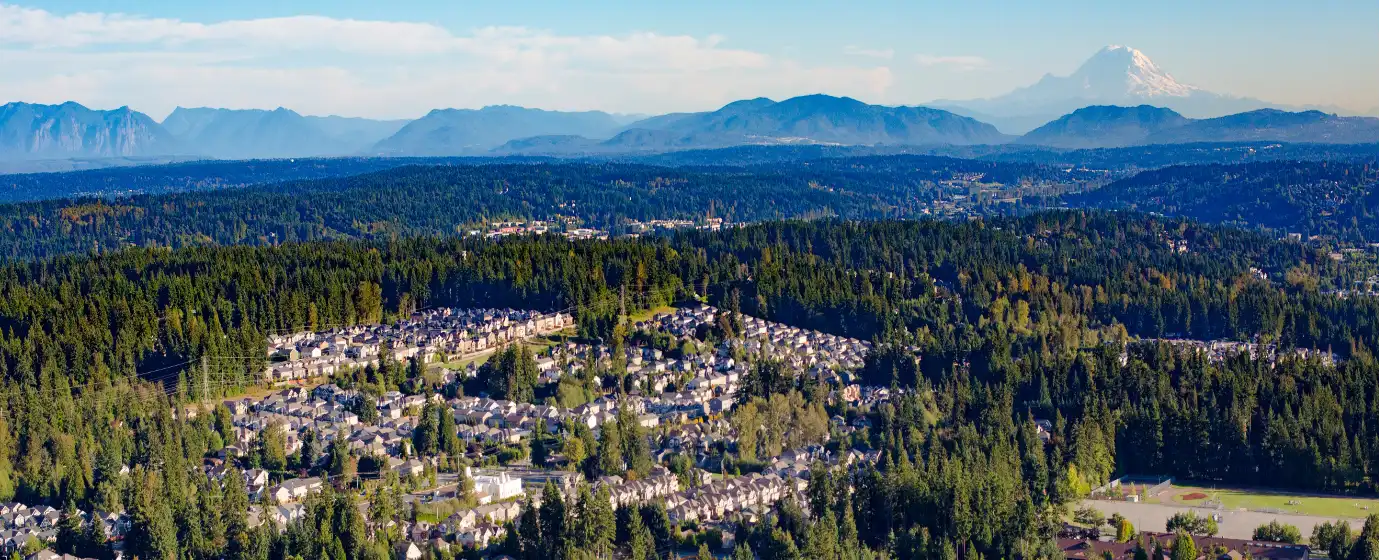
Puget Sound · Washington
Living in Bothell: The Ultimate Relocation Guide (2026)
Maybe your company just relocated you to the Eastside tech corridor and someone on your team mentioned Bothell as "the move." Maybe you've been watching Kirkland and Redmond prices climb past $1.3 million and started doing the math on what you'd actually get for your money thirty minutes north. Or maybe you drove through downtown on a Saturday afternoon, saw McMenamins Anderson School — a 1931 junior high turned 72-room hotel with a brewery, movie theater, and rooftop pool — and thought: this doesn't look like a suburb. It isn't, exactly. And that's the tension at the center of every Bothell buying decision. This is a city that has outgrown its bedroom-community identity without fully becoming something else yet, and buying here means deciding which version of Bothell you're betting on.
Geographically, Bothell straddles King and Snohomish counties — a boundary that shapes everything from your property tax bill to which school district serves your address. The city sits at the intersection of SR-522 and I-405, which makes it a genuine crossroads for commuters heading toward Seattle, Bellevue, Redmond, or Lynnwood. The Sammamish River and Burke-Gilman Trail run through it. UW Bothell's campus anchors the eastern edge of downtown. And three business parks locals call "The Technology Corridor" — home to biotech firms, medical device manufacturers, and engineering companies — have quietly transformed what was once a pass-through community into a genuine employment hub. The median household income here runs approximately $140,000, and it shows.
This guide is built to answer the question that spreadsheets can't: Is Bothell actually right for you? You'll find honest takes on the commute reality, the neighborhood differences that matter most, what locals love after year one, and what tends to push people back toward Seattle or out toward Snohomish County. By the end, you'll know whether Bothell fits your life or whether one of its neighbors fits better.
| Best For | Why |
|---|---|
| Tech & biotech commuters | 15–25 minutes to Kirkland and Redmond campuses; on-site employers in the Technology Corridor reduce commute entirely |
| Families with school-age children | Northshore School District ranks in the top 5% statewide; multiple high-performing high schools within the district |
| Remote workers seeking space | Larger lots than Bellevue or Kirkland at a lower per-square-foot cost; genuine neighborhood character without urban density |
| First-time buyers priced out of the Eastside | Townhomes from the low-to-mid $700s offer an entry point that Kirkland and Redmond no longer do |
| Retirees downsizing from pricier Eastside cities | Walkable downtown, strong community programming, medical facilities nearby, without the Bellevue premium |
| Renters transitioning to ownership | Median rent around $2,295/month makes the buy-vs-rent math increasingly compelling at current interest rates |
The first thing most people get wrong about Bothell is the commute. The city is approximately 50 minutes from downtown Seattle on a normal day — but "normal" is doing a lot of work in that sentence. SR-522 southbound toward Lake City can stack up hard between 7 and 9 a.m., and the I-405 interchange near Canyon Park is genuinely one of the more frustrating chokepoints in the north metro. Buyers who work hybrid schedules two or three days a week barely notice it. Buyers who need to be at First Hill or SLU at 8:30 a.m. every day tend to reassess after their first winter.
What replaces the commute friction is a daily-life quality that surprises most people who moved here skeptically. Downtown Bothell has been rebuilt from the ground up over the past decade — not in the shiny-mixed-use way that feels corporate, but in the way that produces a farmers market, a walkable stretch of restaurants along Main Street, and a historic hotel with four bars inside it that becomes a genuine gathering point on Friday evenings. The Park at Bothell Landing sits along the Sammamish River just a few blocks from Main Street, and on a summer evening the trail fills with strollers, cyclists, and dogs in a way that feels lived-in rather than planned.
The county split — King to the south and west, Snohomish to the north and east — has practical consequences beyond property taxes. Addresses north of the county line typically feed into Snohomish County court systems, emergency services, and occasionally different school attendance zones. It's not a dealbreaker for most buyers, but it's the kind of thing that catches people off guard at closing.
What surprises most people after six months of living here is how much the city has its own distinct identity. Bothell isn't Kirkland-with-worse-traffic or Kenmore-with-better-restaurants. It has UW Bothell's campus drawing a young, educated population into the downtown core, a tech corridor that means your neighbor is as likely to be a biotech researcher as a software engineer, and a historical character — the Bothell Historical Museum, the Anderson School building, the Blyth Park trails — that most Eastside cities of this size don't have.
The Northshore School District alone keeps a significant number of families from ever seriously considering a move. With a graduation rate commonly reported around 94–96% and academic proficiency scores well above state averages, the district delivers results that show up in day-to-day school life — smaller free-lunch populations, high teacher tenure averaging nearly 14 years, and high school options that include International Baccalaureate coursework at Inglemoor. Families who buy into a Northshore attendance zone tend to stay through high school graduation.
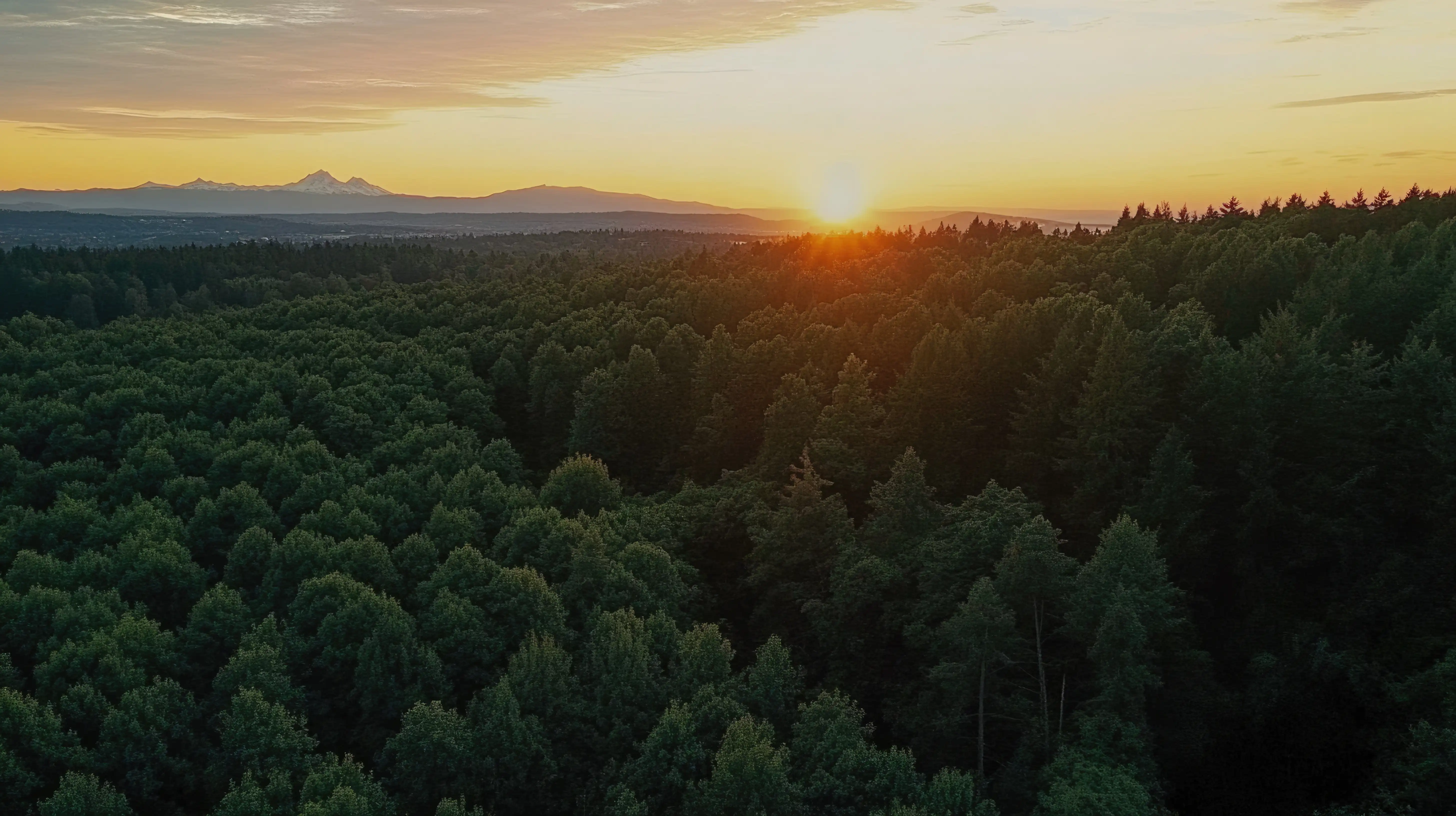
The outdoor access is genuinely exceptional for a city this close to a major metro. The Burke-Gilman Trail connects Bothell to a network that runs all the way to Seattle. The Sammamish River Trail is flat and family-friendly. North Creek Forest — a rare intact urban forest — offers trail access within city limits that feels more like the Cascades foothills than a suburb. Blyth Park on the river's edge adds picnic areas, sports fields, and direct water access within a mile of downtown.
The Technology Corridor has changed the employment calculus in ways that don't get enough credit. AGC Biologics, FUJIFILM Sonosite, Seagen, Lockheed Martin, and Bristol Myers Squibb all operate here, meaning a significant share of Bothell residents work within 10 minutes of home. That changes not just commute time but daily quality of life — lunch at home, school pickup without the freeway, a weekend that doesn't start with decompression from a long drive.
Bothell's position as what some locals call the "Goldilocks" suburb isn't marketing language — it reflects genuine comparative value. You're getting Eastside school quality without Eastside prices, nature access without driving to it, and a downtown with actual foot traffic. The median home price citywide sits at $970,000 as of March 2026, which puts it above the state median but below what equivalent homes cost in Kirkland or Redmond. For buyers who've been watching the Eastside market for two years, that gap matters.
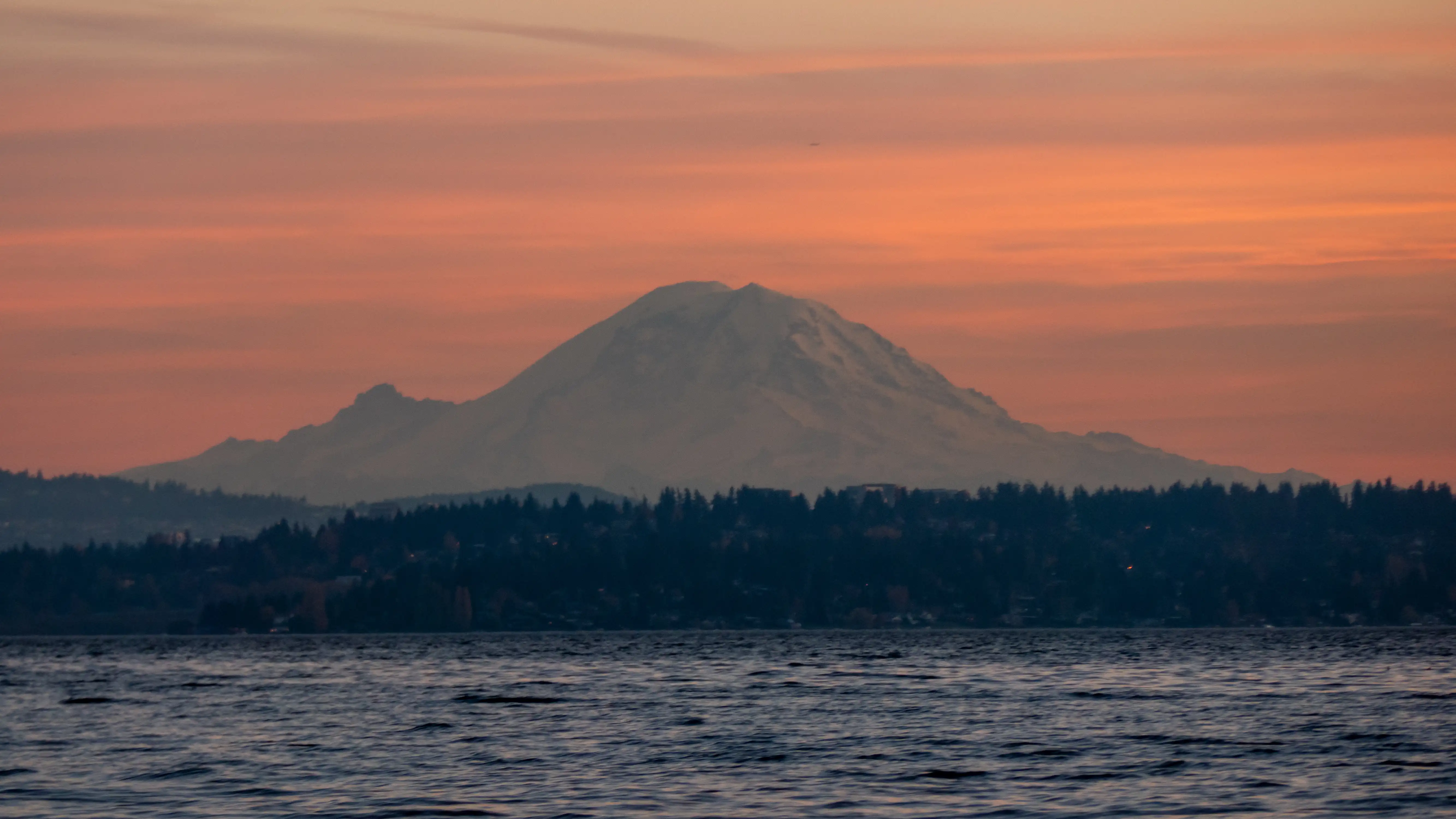
Bothell is not a walkable city in the way Seattle neighborhoods are. The downtown core has improved considerably, but most of the residential fabric — Canyon Park, North Creek, Norway Hill, the hillside neighborhoods — requires a car for groceries, school runs, and anything beyond a weekend walk to the river. If you're coming from Capitol Hill or Fremont expecting to trade a car for a trail, the math doesn't work. The Trail is wonderful. It doesn't replace a car.
The price reality deserves more nuance than most relocation guides give it. The $970,000 citywide median is real, but it's not the price you'll encounter in the neighborhoods that families most want — particularly those feeding North Creek High School, where the city-wide median of single-family homes typically lands between $1.1 and $1.5 million. Norway Hill frequently exceeds $1.3 million. Bothell East's median sold price in early 2026 ran around $1.5 million. The entry-level story exists, but it's in townhomes and condos near the freeway corridors — a different living experience than the tree-lined residential streets most buyers are picturing.
Why some people leave Bothell: The most common departures are buyers who move here for the schools, stay through their kids' elementary years, and then either upsize into Woodinville or Kirkland when their income grows — or relocate entirely to more rural Snohomish County when they realize they want actual acreage rather than a larger suburban lot. The city's rapid growth over the past decade has also driven density in areas that used to feel open, and buyers who purchased in the early 2010s now have neighbors and traffic that didn't exist when they chose the neighborhood.
Traffic on I-405 through the Bothell corridor — particularly the stretch from SR-522 to the Kenmore exit — has become a genuine quality-of-life issue. The afternoon window between 4 and 6:30 p.m. northbound can add 20 to 35 minutes to a commute that looks clean on Google Maps at noon. Buyers who work flexible hours absorb this with minimal impact. Buyers with fixed schedules and school pickups learn to plan around it within the first month.
Downtown is the city's most walkable neighborhood and its most rapidly transformed. The Park at Bothell Landing, McMenamins Anderson School, and the Sammamish River Trail are all within a short walk of Main Street's restaurants and cafes. Home prices in the immediate downtown core range from the high $700s for older single-family homes to well over $1 million for newer construction, with the trade-off being smaller lot sizes and street noise closer to SR-522.
Best for: Buyers who prioritize walkability, downtown energy, and proximity to the trail system over lot size.
Canyon Park sits in Bothell's northern quadrant and functions as the city's commercial and employment hub, anchored by the Technology Corridor business parks. The neighborhood draws heavily from the biotech and engineering workforce — AGC Biologics and FUJIFILM Sonosite both operate here — and housing ranges from townhomes in the $600,000–$730,000 range to larger single-family homes and newly constructed luxury townhomes topping $1 million. The honest downside is that SR-522 noise and commercial density make it feel less residential than the hillside neighborhoods to the south and east.
Best for: Biotech and tech professionals who want a short commute to the Technology Corridor without paying Kirkland prices.
North Creek is among the most sought-after residential addresses in Bothell, feeding into the highly regarded North Creek High School and offering a mix of newer construction and established homes on generous lots. Prices here typically range from $1.1 to $1.5 million for single-family homes, reflecting both the school assignment and the neighborhood's sense of separation from commercial corridors. The catch is inventory — North Creek homes move quickly, often in under two weeks, and buyers who aren't pre-approved and prepared often lose their first two or three offers.
Best for: Families with school-age children who prioritize the Northshore district pipeline and are prepared to compete at the $1.1M–$1.5M range.
Norway Hill occupies elevated terrain on Bothell's east side and commands some of the city's highest residential prices, frequently exceeding $1.3 million. Homes here are typically larger, on wooded lots with views, and the neighborhood has a quieter, more established character than the development-active corridors near the freeway. Getting on and off the hill requires navigating a limited road network, which makes SR-522 and I-405 congestion feel more constraining than it does in flatter parts of the city.
Best for: Buyers seeking space, privacy, and a wooded Eastside aesthetic who are willing to pay a premium for elevation and separation from commercial traffic.
Queensborough sits in Bothell's southwest corner, straddling the King/Snohomish county line, and offers some of the city's more accessible single-family pricing compared to North Creek and Norway Hill. The neighborhood has a relatively traditional suburban character — cul-de-sac streets, moderate lot sizes, a mix of 1990s and 2000s construction — and benefits from reasonable access to both SR-522 and I-405. School assignments in this area should be verified at purchase, as the county line affects district boundaries in ways that vary street by street.
Best for: Buyers who want a conventional single-family home in the Northshore district without the $1.3M+ price floor of the premium neighborhoods.
Brentwood is a quiet, established neighborhood on Bothell's west side with a mix of mid-century and 1970s–1980s construction. Prices tend to run below the city median, making it one of the more accessible entry points for single-family buyers. The neighborhood doesn't have the trail access or walkability of downtown or the prestige cachet of North Creek, but it offers stability, mature trees, and a genuine sense of residential quiet that newer developments don't replicate.
Best for: Buyers who want a single-family home below the city median and don't need to be walking distance from downtown or the river.
Crystal Springs occupies a hillside position on Bothell's western edge and offers a mix of wooded single-family homes that tend to sit near the city-wide median range. The neighborhood has a semi-rural character unusual for a city this close to the Eastside tech corridor, with larger lots and more separation between homes than Canyon Park or the downtown-adjacent neighborhoods. Access to SR-522 via 228th Street SE means commute options are reasonable, though the hillside road network requires some familiarity.
Best for: Buyers who want more land and natural surroundings without fully committing to a rural Snohomish County address.
Westhill sits on elevated terrain on Bothell's west side and is one of the neighborhoods where older, more affordable housing stock meets city-limit convenience. Homes here vary considerably in age and condition — you'll find 1960s ranches alongside 1990s construction — and the price range reflects that diversity. The neighborhood benefits from proximity to the I-405 corridor without the commercial noise of Canyon Park, and it attracts buyers who want a single-family home with room to update.
Best for: Value-oriented buyers comfortable with older homes who want to stay within Bothell city limits without paying North Creek prices.

Bothell's neighborhoods each tell a different story when it comes to long-term value, and knowing those differences before you shop matters. Canyon Park continues to attract buyers for its proximity to the tech corridor along SR-522, and well-priced homes there — particularly those under $750,000 — routinely see multiple offers within days of listing. North Creek draws similar urgency, especially for families eyeing the school access and trail connectivity. Downtown Bothell has seen steady appreciation as the revitalized core brings more walkable amenities, making it a smart long-term bet for buyers who want built-in lifestyle value alongside equity potential.
Before you fall in love with a home on tour, sit down with a lender first. Your approval number and your comfortable budget are rarely the same figure, and a monthly payment includes more than principal and interest — property taxes, homeowner's insurance, and any HOA dues can shift your picture significantly. Bothell moves fast enough that when the right home in Queensborough or Brentwood hits the market, you won't have time to scramble. Being pre-approved means you can make a confident decision rather than a rushed one.
| City | Best For | Home Price (approx.) | Commute to Seattle | Vibe |
|---|---|---|---|---|
| Bothell | Families, biotech workers, Eastside value | $970K citywide median | ~50 min | Suburban w/ growing urban core |
| Kirkland | Walkability, lakefront, tech proximity | $1.3M+ | ~40 min | Polished lakeside town |
| Kenmore | Affordability, outdoor access, lake living | $850K–$950K | ~50 min | Quieter, less commercial |
| Woodinville | Wine country feel, larger lots, rural character | $1.1M–$1.3M | ~55 min | Semi-rural, winery culture |
| Mill Creek | Newer construction, planned community feel | ~$945K | ~55 min | Master-planned suburban |
| Redmond | Tech campus proximity, urban amenities | $1.2M+ | ~45 min | Tech-centric, denser |
| Metric | Detail |
|---|---|
| Population | Approximately 50,000–51,000 (2025–2026 est.) |
| Median home price | $970,000 (citywide median sold, March 2026) |
| Median household income | ~$140,427 |
| Property tax rate | Approximately 0.82% |
| School district | Northshore School District (top 5% statewide) |
| Commute to Seattle | ~50 minutes (I-405/SR-522) |
| Violent crime rate | 2.6 per 1,000 residents |
| Property crime rate | 13 per 1,000 residents |
| County | King and Snohomish (split) |
| UW Bothell campus | Yes — located in city limits |
Bothell has a tradition that anchors the downtown calendar in a way few similarly sized cities can claim: the Bothell Fourth of July parade, one of the oldest community parades in the north metro, which draws residents from across the Northshore area to Main Street each year. It has the slightly chaotic, genuinely neighborhood feel of a parade that hasn't been corporate-sponsored into smoothness yet — which, depending on your preferences, is either its greatest asset or its most charming flaw.
McMenamins Anderson School deserves more than a passing mention in any honest account of what makes Bothell specific. The 1931 brick building functioned as Bothell Junior High for decades before McMenamins converted it into a hotel, and the rooms, bars, and common spaces are filled with locally commissioned murals documenting the city's history. The Friday-evening energy in the hotel's courtyard between April and October is one of the most genuinely pleasant gathering points in the north metro — residents from Kenmore, Woodinville, and Kirkland make the drive specifically for it.
The UW Bothell campus, opened in 1990 and now serving thousands of students annually, changed the demographic character of the downtown area in ways that are still playing out. The campus anchors a concentration of coffee shops, casual restaurants, and cultural programming that gives downtown Bothell an intellectual energy unusual for a city of its size. It also means the apartment and rental market near campus runs tight, which matters if you're in a transitional housing situation while your home purchase closes.
What I would not do if moving to Bothell: I would not buy on SR-522 frontage or within two blocks of the I-405 interchange in Canyon Park without spending a Tuesday at 5:30 p.m. sitting in the driveway with the windows down. The noise and light pollution from those corridors are easy to underestimate on a weekend showing. Plenty of buyers make this work, but going in clear-eyed is better than going in surprised.
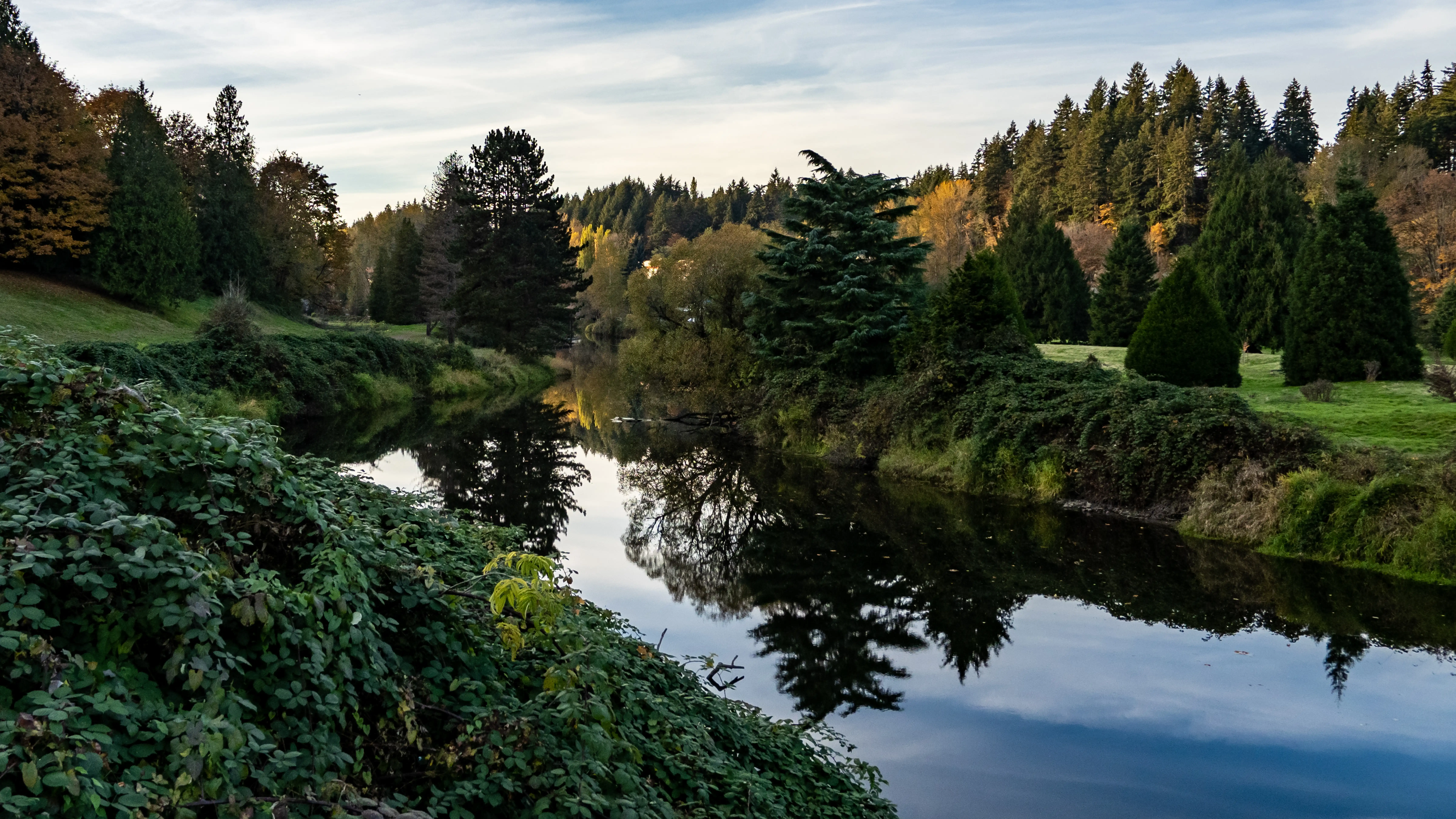
Local Expert Takeaway: If you're choosing between Bothell and Kirkland, the decision usually comes down to how much the school district assignment matters relative to your price ceiling. Families who need North Creek High School or Inglemoor's IB program can access both from Bothell neighborhoods that come in $200,000–$400,000 below comparable Kirkland addresses. For buyers who don't have school-age children, the strongest value play right now is the Bothell West corridor — median sold prices trending around $932,000 with positive year-over-year appreciation and a short drive to both downtown and the Technology Corridor. The county split is real, so verify your address against the King/Snohomish line before closing.
✅ Northshore School District is the strongest single reason to buy in Bothell — ranked second in Washington, with multiple high schools offering distinct academic tracks including International Baccalaureate. For families with school-age children, this district delivers results that justify the price premium over Kenmore or Lynnwood.
⚠️ The citywide median price of $970,000 understates what you'll pay in the neighborhoods most families want. North Creek and Norway Hill routinely run $1.1–1.5 million for single-family homes. Set your expectations based on the neighborhood, not the city average.
📍 The King/Snohomish county split is not a paperwork footnote — it affects property taxes, emergency services, and occasionally school attendance zones. Verify your specific address before submitting an offer.
Is Bothell a good place for families?
Yes — Bothell is consistently one of the stronger family destinations in the north Puget Sound region. The Northshore School District's graduation rate and academic proficiency scores place it among the best-performing districts in Washington, and the city's combination of trail access, parks like Blyth Park and North Creek Forest, and a walkable downtown core give families an active outdoor lifestyle without leaving the city. The main consideration is budget: neighborhoods feeding the most sought-after high schools tend to sit well above the city's median price.
What is the crime rate in Bothell?
Bothell's violent crime rate runs approximately 2.6 per 1,000 residents — meaningfully below the national average for cities of comparable size. Property crime runs around 13 per 1,000, which is moderate and largely concentrated near commercial corridors rather than residential neighborhoods. Most long-term residents describe the city as safe and consistent with other Eastside suburban communities.
How does Bothell compare to nearby Kirkland or Kenmore?
Kirkland offers more lakefront access, a more polished downtown, and stronger walkability scores, but entry-level single-family homes typically start $200,000–$400,000 above equivalent Bothell properties. Kenmore sits directly adjacent to the south with access to Lake Washington and often comes in slightly below Bothell's price range, but with a smaller downtown core and less employment density. Bothell's strongest advantage over both is the Northshore School District assignment and the active employment base in the Technology Corridor — two factors that generate consistent buyer demand and have supported long-term appreciation.
Explore the full Bothell series: Living in Bothell · Is Bothell Safe? · Cost of Living · Best Neighborhoods · Schools & Family Life · Youth Sports · Parks & Rec · Retiring in Bothell