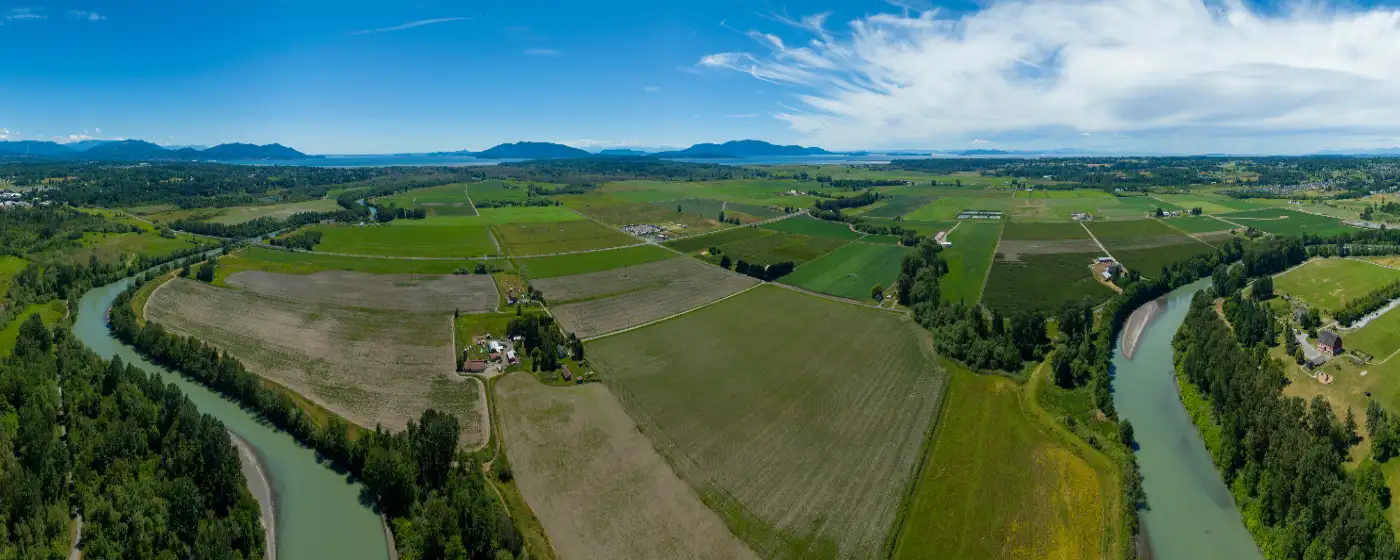
Puget Sound · Washington
Cost of Living in Ferndale: Housing, Taxes, Utilities & Lifestyle (2026)
Ferndale has a reputation problem — or maybe an image gap. People hear "small town north of Bellingham" and picture low prices and easy living, then discover that the median sold price is pushing $665,000 and active listings are trending well above $700,000. The sticker shock is real, and it catches relocating buyers off guard, particularly those comparing Ferndale to smaller inland towns where similar square footage runs $150,000 to $200,000 less.
What shapes the cost picture here is a combination of geography and demand. Ferndale sits inside the Bellingham metro area — close enough to I-5 access, the Lummi Nation corridor, and a growing industrial base that includes aerospace manufacturing — yet it still feels distinctly like its own city. That positioning has kept prices climbing even as the broader Northwest market cooled. Housing makes up the biggest share of your monthly number, running well above the national average, though utilities and everyday expenses offer some relief.
This guide works through every layer of that cost picture: what homes actually trade for, what you'll pay in rent if you're not ready to buy, what your monthly budget realistically looks like at the median purchase price, and how Ferndale stacks up against nearby cities like Lynden, Blaine, and Bellingham.
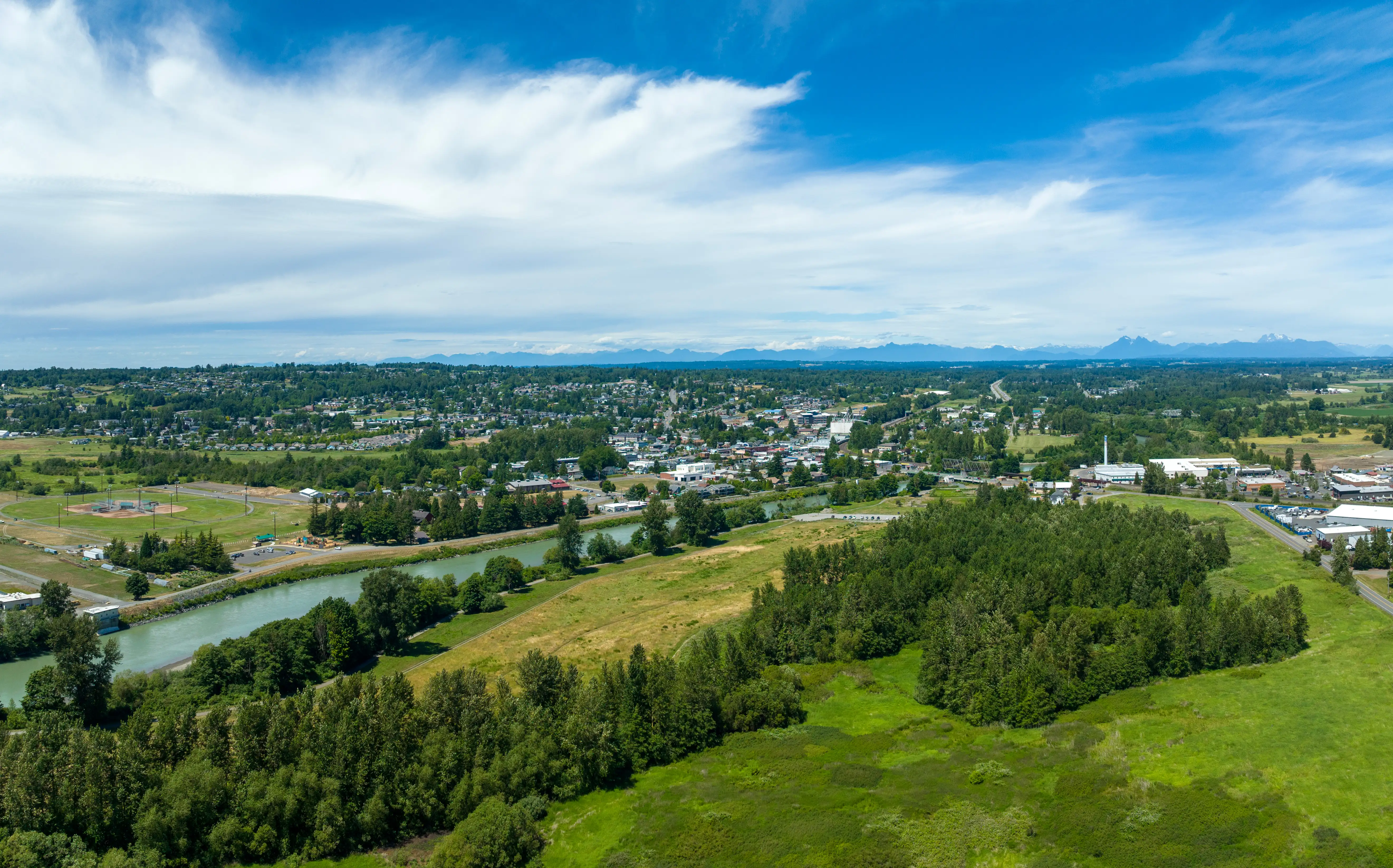
The median sold price in Ferndale sits at approximately $665,000, a figure that reflects a market that has stayed stubbornly competitive despite broader affordability pressures. At that price point, you're typically looking at a three-bedroom, two-bath home in the 1,500–1,900 square foot range — newer construction in subdivisions off Thornton Road or Vista Drive, or a well-maintained home in one of the established neighborhoods closer to downtown. Entry-level buyers can find older two-bedroom homes starting in the mid-$400,000s, but anything with good schools walkability and a two-car garage moves quickly.
The market moves at a real pace. Homes are going pending in roughly 17 days when priced correctly, with competitive listings sometimes clearing in under a week. Active listings are currently trending toward $720,000 and above, which means the gap between what recently sold and what you'll see at open houses this weekend is about $50,000 to $60,000. That's not a typo — it reflects the lag between closed transactions and current list prices in a seller's market with a Redfin Compete Score of 77 out of 100.
Multiple offers remain common, particularly for move-in-ready homes priced below $700,000. Many buyers in that range end up waiving minor contingencies to stay competitive, while offers above $750,000 tend to get a bit more breathing room. The conforming loan limit for Washington sits at $832,750, which means most Ferndale purchases fall inside conventional financing territory without jumping to a jumbo product.
| Budget Range | What to Expect |
|---|---|
| Under $500,000 | Older 2BR/1BA homes (1,100–1,300 sq ft), limited inventory, may need updates |
| $500,000–$625,000 | 3BR/2BA in established neighborhoods, 1,400–1,700 sq ft, competitive |
| $625,000–$775,000 | Newer construction, 3–4BR, 1,700–2,200 sq ft, HOA communities common |
| $775,000+ | Larger homes, acreage, waterfront near Sandy Point, custom builds |
Whatcom County levies approximately 0.86% in effective property tax rate, which translates to roughly $5,719 annually on a $665,000 home — or about $477 per month added to your housing cost. Washington's levy limit system caps annual property tax increases at 1% without a voter-approved measure, which provides meaningful predictability compared to states with uncapped assessment cycles. Homeowners aged 61 and older may qualify for the Washington State Senior Citizen Exemption, which can freeze or reduce assessed value for qualifying lower-income households — a meaningful benefit for retirees buying here on fixed income.
The rental market reflects the same supply constraints as ownership, with average monthly rents running between $1,900 and $2,200 depending on the source and unit type. Two-bedroom units — which make up the largest share of Ferndale's rental stock — average in the low-to-mid $1,900s for apartment-style housing and push closer to $2,600 for a detached rental house. Inventory skews toward single-family rentals and smaller apartment complexes rather than large institutional properties.
| Unit Type | Average Monthly Rent |
|---|---|
| Studio | $1,075–$1,250 |
| 1-Bedroom | $1,600–$1,900 |
| 2-Bedroom Apartment | $1,740–$1,965 |
| 3-Bedroom Apartment | $2,200–$2,420 |
| 3-Bedroom House | $2,600+ |
| 4-Bedroom House | $3,200+ |
Ferndale's utility costs run below the national average — utilities index at 86 compared to the national baseline of 100 — which is one of the genuine budget reliefs in an otherwise above-average cost market. Puget Sound Energy handles electricity and natural gas for most of the city. A typical household monthly utility bill runs in the $150–$200 range depending on season, home size, and how hard you're running heat in January, when Whatcom County winters push into the 30s.
Car dependency is essentially mandatory in Ferndale. There is no meaningful public transit connecting the city to Bellingham, and the daily lifestyle — groceries, kids' activities, work commutes, errands — is structured around driving. Average car ownership sits at two vehicles per household, and the transportation cost index matches housing at 126 above the national average. Gas was running approximately $3.71 per gallon locally in mid-2026. The I-5 corridor is your primary artery, and the 15-minute commute to Bellingham assumes off-peak timing — morning rush on southbound I-5 near the Guide Meridian interchange can add 10–15 minutes.
Grocery access is anchored by Safeway on Main Street, with Costco and Fred Meyer easily reachable in Bellingham within 15–20 minutes. Day-to-day food costs run slightly below the national average — a loaf of bread around $4.38, a gallon of milk near $5.07, eggs in the $5 range. Dining out is available locally, though Ferndale's restaurant scene is modest; most residents who want a broader dining selection make the short drive south into Bellingham. Healthcare costs also run below national averages, with PeaceHealth as the regional provider network anchoring medical access across Whatcom County.
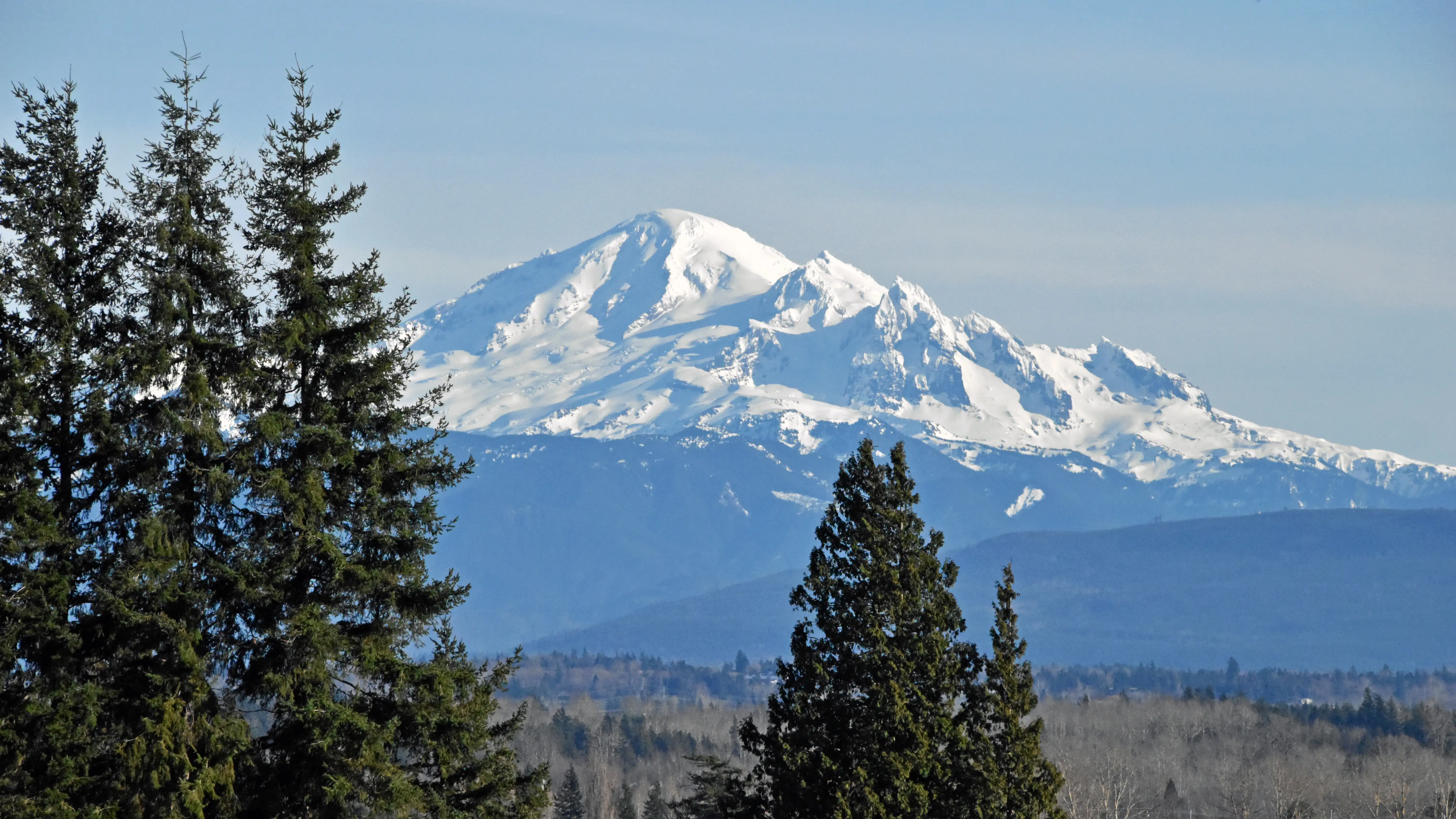
Understanding where Ferndale sits relative to its neighbors gives context to the $665,000 median that pure income-to-price math doesn't fully explain.
| City | Median Home Price | Property Tax Rate | State Income Tax | Commute to Bellingham | Notable Character |
|---|---|---|---|---|---|
| Ferndale, WA | $665,000 | 0.86% | None | 15 min | Fast-growing, family-oriented |
| Bellingham, WA | $640,000–$720,000 | ~0.90% | None | — | Urban amenities, university city |
| Lynden, WA | $590,000–$640,000 | ~0.87% | None | 20 min | Rural-agricultural, Dutch heritage |
| Blaine, WA | $525,000–$575,000 | ~0.85% | None | 30 min | Border town, slower growth |
| Everson, WA | $430,000–$490,000 | ~0.88% | None | 35 min | Very small, rural, limited services |
| Custer, WA | $480,000–$550,000 | ~0.86% | None | 25 min | Semi-rural, acreage properties |
| Lummi Island, WA | $650,000–$850,000 | ~0.85% | None | 35+ min (ferry) | Remote, waterfront, seasonal feel |

As someone who works with buyers across Whatcom County, I can tell you that where you land within Ferndale genuinely shapes your long-term investment. Homes near Downtown Ferndale and Malloy Village tend to attract strong interest because of walkability and community amenities, and well-priced listings in those areas rarely sit long — sometimes just days. Vista Drive has also drawn consistent buyer attention, particularly for families thinking about space and resale. Most move-in-ready homes in Ferndale's more desirable pockets are still findable under $600,000, though that window doesn't stay open forever as the area continues to grow.
What I always tell buyers is this: tour homes with a clear picture of your full monthly obligation, not just a loan approval letter. Property taxes, homeowner's insurance, and any HOA dues stack onto your principal and interest in ways that can genuinely surprise people. Getting preapproved and walking through those real numbers with a lender first means you're shopping for a comfortable payment, not just a maximum one — and when the right home in Ferndale appears, you're ready to move with confidence.
The table below reflects a household purchasing at the $665,000 median with 10% down ($66,500), financing $598,500 at approximately 6.75%.
| Expense Category | Monthly Estimate |
|---|---|
| Mortgage (P&I, 6.75%, 30-yr) | $3,882 |
| Property Taxes (0.86% annual) | $477 |
| Homeowner's Insurance | $120–$150 |
| HOA Fees (where applicable) | $0–$150 |
| Utilities (PSE gas + electric) | $150–$200 |
| Internet (Comcast/Xfinity) | $70–$90 |
| Groceries (family of 4) | $1,100–$1,300 |
| Transportation (2 cars, gas, insurance) | $800–$1,000 |
| Healthcare (out-of-pocket avg) | $350–$500 |
| Childcare or School Activities | $400–$800 |
| Dining, Entertainment, Misc | $400–$600 |
| Total Estimated Monthly | $7,750–$9,150 |
One of Ferndale's genuine financial advantages — shared across all of Washington — is the absence of a state income tax. For a household earning $87,579, that represents a meaningful difference compared to California (9.3% marginal rate) or Oregon (8.75%), where state income taxes would claim roughly $5,000–$8,000 annually before federal taxes. Washington funds its services largely through sales tax, with Ferndale's rate starting at 6.5%, and through property taxes governed by the 1% annual levy limit.
Washington does impose a capital gains tax on gains above $270,000 from the sale of long-term assets — but the primary residence exclusion under federal law ($250,000 single / $500,000 married) typically shields most homeowners from this impact on a home sale. The state also administers a property tax deferral program for senior and disabled homeowners, allowing qualifying individuals to defer current-year property taxes until the home sells — a genuine financial planning tool for retirees on fixed incomes who own in a rising-value market.
The net effect for most relocating buyers, particularly those coming from California or Oregon, is a tax environment that's more favorable than it appears at first glance when measured only against the high housing costs. The no-income-tax advantage doesn't fully offset a $665,000 mortgage, but it does meaningfully improve the monthly take-home picture for mid-to-high earners.
Local Expert Takeaway: The buyers who come out ahead in Ferndale are the ones who stop comparing it to "what it was five years ago" and start comparing it to what equivalent new construction costs in south Bellingham or Whatcom County's Birch Bay corridor. For buyers with $600,000–$700,000 in purchasing power, the Thornton Road and Farmstead neighborhoods offer 2020s construction at prices that still make sense — but that window is narrowing as list prices push toward $724,000 on the active market. If you're waiting for prices to soften meaningfully, the data suggests you're more likely to be waiting through another cycle of appreciation than through a correction.
Looking to buy in Ferndale? Estimate your payment.
Enter your numbers to see an estimated monthly mortgage payment.
Estimate only. Excludes HOA fees and mortgage insurance.
Is Ferndale, Washington an affordable place to live?
Ferndale costs roughly 15% more than the U.S. national average overall, with housing running about 57% higher than the national average. That said, utilities and everyday expenses run meaningfully below the national baseline, and Washington's zero income tax meaningfully improves take-home pay compared to neighboring Oregon or California. Affordability depends heavily on income — households earning $120,000 or more generally find the math workable; those near the $87,579 median often find it tight at current prices.
How do property taxes in Ferndale compare to other Washington cities?
Ferndale's effective property tax rate of 0.86% is relatively moderate within Whatcom County, producing approximately $5,719 annually on the median-priced home. Washington's 1% annual levy limit keeps tax growth predictable year to year, and the state's senior exemption program gives homeowners 61 and older a meaningful avenue to reduce their tax burden. Compared to high-tax states like California or New Jersey, Washington property taxes are far lower relative to home values.
Is it cheaper to live in Ferndale or Bellingham?
The gap is smaller than most buyers expect. Ferndale's median sold prices now run close to Bellingham's, though Bellingham's median skews higher when its premium neighborhoods near Fairhaven and Edgemoor are included. Ferndale's advantage tends to show up in newer construction availability, slightly more competitive offer dynamics in the $620,000–$680,000 range, and comparable property tax rates — rather than in a dramatic price-per-square-foot difference.
Explore the full Ferndale series: The Ultimate Ferndale Relocation Guide · Is Ferndale Safe? · Cost of Living in Ferndale · Best Neighborhoods in Ferndale · Ferndale Schools & Family Life · Ferndale Youth Sports · Ferndale Parks & Recreation · Retiring in Ferndale · 1031 Tax-Deferred Exchange in Ferndale · Ferndale First-Time Homebuyers Guide · Ferndale Down Payment Assistance Guide · Moving to Ferndale from California