
Southwest Washington · Washington
Best Neighborhoods in Kelso: Where to Buy or Rent (2026)
Where you land in Kelso matters more than most people shopping the market realize. The city covers roughly nine square miles, but that footprint contains everything from century-old bungalows near the downtown grid to quiet hillside subdivisions with valley views to sparse rural stretches along the southern edge where lots are measured in acres rather than square feet. A buyer who just searches "Kelso WA homes under $400K" without understanding these distinctions may end up in a neighborhood that checks none of their actual boxes.
The fundamental divide in Kelso runs roughly north-to-south and elevation-to-elevation. The flatter central and eastern corridors — grid streets, mature trees, older housing stock — tend to offer more on-foot access to downtown Kelso and the Cowlitz River trail system. The elevated neighborhoods like Beacon Hill and the Highlands sit above the valley floor with quieter streets and more recent construction. Then there's the southern half, which thins out quickly into rural terrain — fine if you want land, less ideal if you want a 10-minute grocery run.
This guide breaks down where buyers and renters are actually looking in 2026, what you get in each part of the city, and which neighborhoods consistently trip people up. By the end, you'll know exactly which part of Kelso fits your household's priorities.
| Neighborhood | Best For | Price Range | Vibe |
|---|---|---|---|
| The Trails | Move-up buyers, established feel | $350K–$430K | Quiet subdivision, high buyer traffic |
| Industrial Way | Value seekers, first-time buyers | $240K–$310K | Mixed, working-class, surprisingly safe |
| Third Avenue | Walkability, urban access | $230K–$320K | Central grid, older homes, urban edge |
| Broadway | Commuters, central location | $250K–$340K | Corridor living, convenient |
| West Kelso / Old West Side | River access, proximity to Longview | $260K–$360K | Riverside character, mixed-age housing |
| Highlands | Views, newer construction | $380K–$500K | Elevated, quieter, suburban feel |
| Beacon Hill | Hillside setting, privacy | $370K–$470K | Upslope, spacious lots, low traffic |
| Lexington South | Suburban families, larger yards | $310K–$420K | Suburban, well-maintained |
| Columbia Heights East | Renters, mid-tier buyers | $280K–$360K | Apartment clusters, accessible |
| South Kelso | Large lots, rural buyers | $200K–$290K | Sparse, rural, affordable entry point |
| Buyer Type | Best Neighborhood | Why |
|---|---|---|
| First-time buyer | Industrial Way | Lowest price points in a consistently safe-rated area |
| Luxury / high-end buyer | Highlands or Beacon Hill | Best construction quality, views, larger lots |
| Walkability seeker | Third Avenue | Closest to downtown grid, errands on foot |
| Families with kids | Lexington South | Suburban layout, quieter streets, yard space |
| Commuters to Portland | Broadway / West Kelso | Fast I-5 on-ramp access, 50-minute Portland corridor |
| Large lot buyers | South Kelso or Rose Valley | Rural southern fringe, acreage available |
| Renters | Columbia Heights East | Most apartment inventory, mid-range rent |
Kelso's residential market sits in a price band that still makes sense on paper for buyers who've been squeezed out of Portland, Vancouver, or Longview's most competitive pockets. Entry-level inventory — homes in the $240,000–$310,000 range concentrated in neighborhoods like Industrial Way and the Central Grid — moves quickly when it appears, and buyers who arrive pre-approved and ready to write are consistently outperforming those still shopping lenders. The upper tier, anchored by The Trails subdivision at $350,000–$430,000, moves more deliberately, which gives move-up buyers a little more runway to get positioned before committing.
What brokers are watching in mid-2026 is the gap between listed prices and what properties are actually appraising at. Kelso doesn't have the appraisal buffer that competitive urban markets produce — comps are thinner and older stock is harder to value confidently — so buyers using conventional financing need to be realistic about the risk of an appraisal gap on hillside or rural-fringe properties. Cash offers and larger down payments continue to carry disproportionate weight with sellers, even at price points where they shouldn't, simply because the local appraisal environment makes financing contingencies feel riskier than they should.
The most consistent advice from brokers working this market: don't let the modest price points create false urgency. Kelso isn't a market where waiting a year will price you out — but it is a market where buying the wrong neighborhood relative to your daily life (commute route, school zone, distance to the river trail system) can create friction that outlasts any deal you got on the purchase price. The I-5 corridor neighborhoods offer the most predictable commute math; South Kelso and the rural southern fringe offer the best price-per-square-foot with the clearest trade-off in proximity to Three Rivers Mall, Riverside Park, and the city's core amenities.
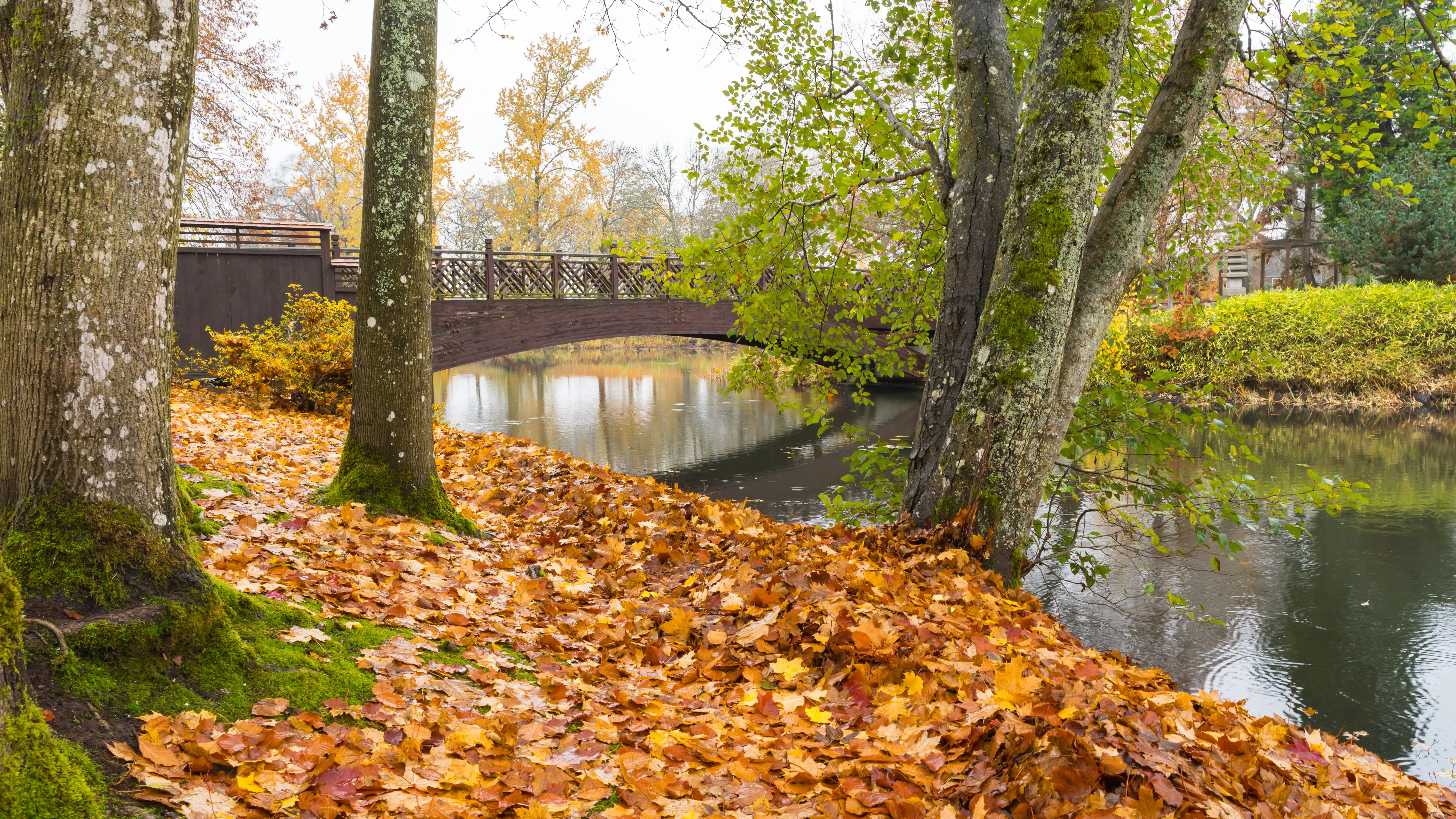
The Trails ranks among Kelso's most searched neighborhoods on buyer platforms, and that consistent interest isn't accidental — this is one of the more finished-feeling subdivisions in the city, with a suburban layout that reads as established rather than transitional. Homes here typically land in the $350,000–$430,000 range, sitting at the higher end of Kelso's market without pushing into true luxury territory. The catch is that The Trails can feel somewhat removed from walkable amenities, and buyers who prioritize on-foot access to downtown or the river trail system will find the car-dependent reality frustrating after the first few weeks.
Best for: Move-up buyers or relocating families who want a subdivision feel with neighbors in a similar life stage.
Industrial Way carries a name that would scare off most buyers without context, but Movoto's May 2026 neighborhood analysis ranked it first among Kelso's safest and best areas — a counterintuitive result that reflects its consistently low crime profile relative to the rest of the city. Price points here run $240,000–$310,000, making it the most accessible entry point among Kelso's named residential neighborhoods. The trade-off is the mixed-use character of the surrounding corridor: light commercial and industrial activity nearby means this neighborhood lacks the residential-only quiet that buyers coming from purely suburban environments often expect.
Best for: First-time buyers and value-focused buyers who prioritize safety metrics over neighborhood aesthetics.
Third Avenue sits inside Kelso's central grid and delivers the most walkable day-to-day experience the city offers — you're within reasonable distance of downtown services, the Cowlitz County Historical Museum area, and the general retail corridor without needing to plan a drive. Homes here are older, often pre-1970 construction, with prices generally running $230,000–$320,000 depending on renovation condition. The honest downside: older homes on Third Avenue frequently come with deferred maintenance, and buyers who don't budget for roof, electrical, or plumbing updates in the first two to three years commonly find themselves stretched thin after closing.
Best for: Walkability seekers, urban-leaning buyers, and investors comfortable with older housing stock.
Broadway is Kelso's central spine, and homes along and adjacent to this corridor reflect that — you're close to everything, but "everything" includes traffic flow and commercial noise that buyers used to quieter cul-de-sacs find unwelcome. The price range of $250,000–$340,000 is competitive for the access level, and the I-5 on-ramp proximity makes this one of the better commuter-friendly addresses in the city for people making the 50-minute Portland run regularly. That same freeway proximity is exactly why buyers with young children or anyone sensitive to road noise should do a long weekend visit before making an offer.
Best for: Commuters, renters transitioning to ownership, and buyers who prioritize central access over quiet.
West Kelso sits closest to the Longview border and the Cowlitz River, giving this part of the city a slightly different character than the interior grid — more green space nearby, a mix of housing ages, and easy access to the shared retail and services the Kelso-Longview corridor provides. Prices here run $260,000–$360,000, with older river-adjacent homes at the lower end and anything with meaningful lot size or river proximity pushing toward the top of that range. The practical limitation is that West Kelso's proximity to Longview is a feature for some buyers and a psychological hesitation for others — people who specifically want to be "in Kelso" rather than straddling the border sometimes feel this neighborhood is geographically ambiguous in a way that matters to them.
Best for: Buyers who want river access, cross-city flexibility, and don't mind older housing stock.
Beacon Hill sits above the valley floor with the kind of lot separation and traffic quiet that's genuinely difficult to find at Kelso's price points, and active listings consistently confirm it as one of the city's recognized residential neighborhoods with real sales activity. Prices run $370,000–$470,000, which represents a meaningful premium over central Kelso but still looks accessible compared to hillside neighborhoods in Portland's metro suburbs. The honest trade-off is that Beacon Hill's elevated position — which creates the privacy and the views — also means longer drives to groceries, schools, and the river trail system, and anyone who moved here imagining occasional walks to amenities tends to find the reality more car-dependent than expected.
Best for: Buyers prioritizing quiet, lot size, and hillside character over walkability and urban access.
Lexington South delivers the most conventional suburban experience in Kelso's lineup — cleaner street layouts, homes with proper yard separation, and a neighborhood character that reads as settled and family-oriented without pushing into the price ranges that similar suburban subdivisions command further north in the Vancouver corridor. Typical prices land in the $310,000–$420,000 band, with newer builds and larger lots toward the top of that range. For buyers with school-age children, this is one of the neighborhoods that comes up frequently in conversations about where families with kids tend to concentrate — though it's worth confirming school boundary assignments directly before making a final decision, as attendance zones shift more often than most buyers expect.
Best for: Families with children, buyers transitioning from a larger suburban market who want familiar surroundings at Kelso prices.
The Highlands represent Kelso's closest approximation of a premium residential zone — newer construction, elevated position, and a neighborhood aesthetic that reads more like newer Clark County development than the working-class bungalow character of the city's older interior neighborhoods. Prices here run $380,000–$500,000, which is the top end of Kelso's market without crossing into true custom-build territory. The limitation that most buyers discover after a few months is that the Highlands' distance from downtown Kelso and the river corridor means nearly every errand requires a car, and the neighborhood's quietness — a selling point on paper — can feel isolating to buyers who moved from more pedestrian-friendly environments.
Best for: Move-up buyers, households prioritizing newer construction and neighborhood presentation over central location.

Kelso's neighborhoods vary more than people expect, and that variation matters when you're thinking about long-term value. Areas like the Camelot Subdivision and West Kelso tend to attract buyers looking for stability and community feel, and well-priced homes there move quickly — sometimes within days of listing. The Trails offers a different vibe but similar demand. Most single-family homes in these neighborhoods are coming in under $400,000 right now, which keeps Kelso genuinely accessible compared to a lot of Southwest Washington. Where you buy within the city can meaningfully shape your equity trajectory, so it's worth thinking beyond just the house itself.
Before you start touring homes, please talk to a lender first — and I mean really talk, not just get a preapproval number. Your maximum approval and your comfortable budget are rarely the same thing. Your full monthly obligation includes property taxes, homeowner's insurance, any HOA dues, and your loan structure, and those pieces together can shift your picture significantly. Knowing all of that before you fall in love with a home in Camelot Subdivision or West Kelso means you can move confidently and quickly when
Treating I-5 access as uniform across the city. Not all Kelso addresses give you the same freeway on-ramp experience. Broadway and West Kelso corridors have straightforward I-5 access that keeps the 50-minute Portland commute realistic. Buyers who purchase in South Kelso or the rural southern fringe and then discover their on-ramp involves navigating through the city's interior grid during morning traffic often add 10–15 minutes they weren't budgeting for.
Overlooking what "southern Kelso" actually means in practice. The southern half of the city transitions quickly from residential to rural and sparsely populated. Buyers who find a large lot at an attractive price in South Kelso and imagine themselves close to Three Rivers Mall and Riverside Park tend to be surprised by how far daily errands feel once they're actually living there. The price-per-square-foot is genuinely compelling — but the trade-off in proximity is real.
Assuming all hillside neighborhoods are interchangeable. Beacon Hill and the Highlands are both elevated above the valley floor, but they're not the same neighborhood with the same access patterns or the same construction era. Buyers who mix up listings from both areas and then make an offer based on a neighborhood drive through the other one are a regular occurrence in this market. Drive the specific street of any home you're seriously considering — the difference becomes obvious.
Chasing square footage without checking the renovation reality on older central homes. Third Avenue and Broadway offer the most home for the money in central Kelso, and the square footage on pre-1970 bungalows can look exceptional on a listing sheet. What those listings don't highlight is the deferred maintenance that's accumulated over five or six decades of Washington weather. Buyers who skip thorough inspections or underestimate renovation budgets on these properties consistently find themselves stretched after closing.
| Area | Ideal For | Typical Rent Range | Trade-off |
|---|---|---|---|
| Columbia Heights East | Renters wanting multi-unit inventory | $1,100–$1,450/mo | Limited walkability, car-dependent |
| Broadway Corridor | Commuters, short-term renters | $1,000–$1,350/mo | Road noise, commercial activity nearby |
| Third Avenue / Central Grid | Urban-leaning renters, young professionals | $950–$1,300/mo | Older buildings, maintenance varies |
| West Kelso | Renters wanting quieter riverside feel | $1,050–$1,400/mo | Limited inventory, sporadic availability |
| South Kelso | Budget renters, those needing space | $875–$1,150/mo | Distance from services, rural feel |
Local Expert Takeaway: If you're buying in Kelso for the first time, the single most useful thing you can do before making an offer is drive the I-5 on-ramp from your prospective address at 7:30 a.m. on a weekday. Broadway and West Kelso buyers rarely have surprises. South Kelso and rural-fringe buyers frequently do. For families, Lexington South and The Trails offer the most settled neighborhood feel at prices that still make financial sense — but verify school boundaries before you commit, because attendance zones here don't always follow the neighborhood logic you'd expect.
Looking to buy in Kelso? Estimate your payment.
Enter your numbers to see an estimated monthly mortgage payment.
Estimate only. Excludes HOA fees and mortgage insurance.
What are the best neighborhoods in Kelso, WA for families?
Lexington South and The Trails are the two neighborhoods that consistently come up in conversations about where families with children tend to land in Kelso. Both offer suburban street layouts, yard space, and a neighborhood character that reads as stable and settled — at price points that remain well below comparable suburban subdivisions in the Vancouver or Portland metro areas. Confirm school boundary assignments directly with the Kelso School District before closing, as attendance zones can shift.
Is Kelso, WA a good place to buy a home in 2026?
For buyers priced out of Clark County or the Portland metro, Kelso offers a genuine value case — a city-wide median around $367,569, a Redfin Compete Score of 53 out of 100, and homes that typically spend around 46 days on market. It's not a zero-competition environment, but it's far from the frenzied bidding that defines markets to the north. The tradeoff is a smaller job market locally and a 50-minute Portland commute that requires honest assessment before committing.
What is the most affordable neighborhood in Kelso?
South Kelso and the Industrial Way corridor offer Kelso's lowest entry-level prices, with homes available in the $200,000–$310,000 range depending on size and condition. Industrial Way has the advantage of strong safety ratings despite its industrial-sounding name, making it a better long-term value proposition than rural South Kelso for buyers who want affordable ownership without sacrificing proximity to city services.
Explore the full Kelso series: The Ultimate Kelso Relocation Guide · Is Kelso Safe? · Cost of Living in Kelso · Best Neighborhoods in Kelso · Kelso Schools & Family Life · Kelso Youth Sports · Kelso Parks & Recreation · Retiring in Kelso · 1031 Tax-Deferred Exchange in Kelso · Kelso First-Time Homebuyers Guide · Kelso Down Payment Assistance Guide · Moving to Kelso from California