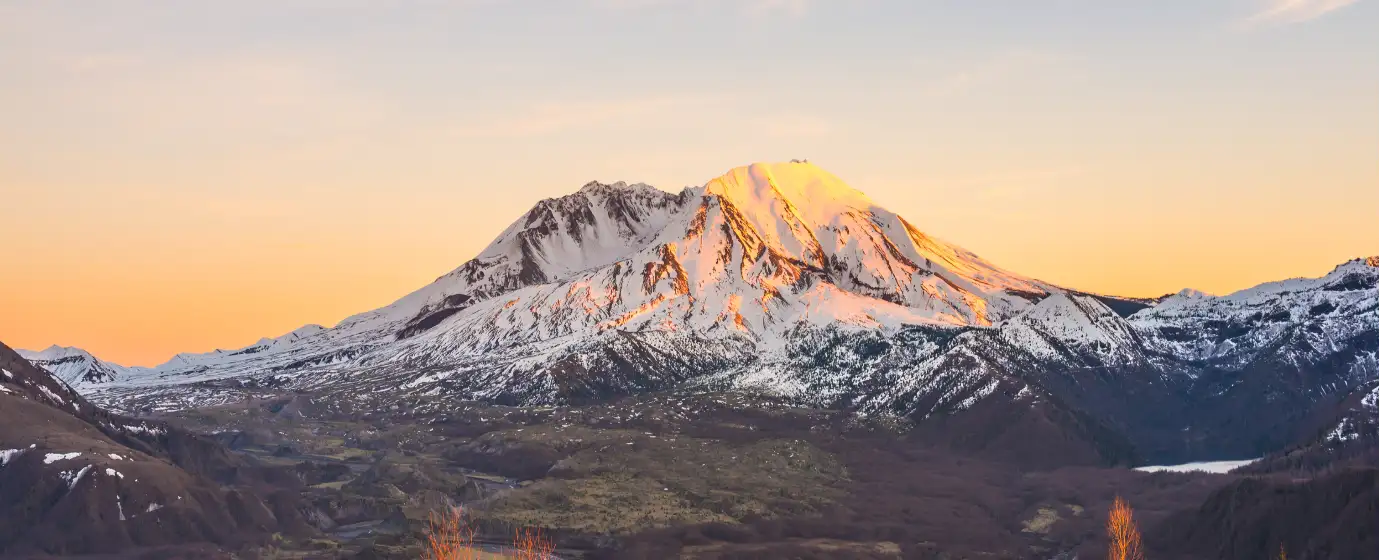
Southwest Washington · Washington
Living in Kelso: The Ultimate Relocation Guide (2026)
Maybe your employer is sending you to the southwest Washington region and you've been scanning zip codes north of Vancouver. Maybe you've priced yourself out of Portland's close-in suburbs and someone in a Facebook group mentioned Kelso as the alternative that actually makes financial sense. Maybe you just drove through on I-5, saw the river, the hills, the exit signs, and thought: what actually goes on there? Kelso is a city that rewards curiosity. It's also a city where the gap between first impressions and lived reality is wider than most relocation guides bother to acknowledge. The central tension here is straightforward: Kelso offers genuinely affordable homeownership in a part of Washington that still has scenery, community, and room to breathe — but it trades proximity, polish, and economic momentum for that affordability. Whether that trade works for you depends entirely on where you are in life.
Sitting at the confluence of the Cowlitz and Coweeman Rivers about 35 miles north of Vancouver and roughly 50 minutes from downtown Portland, Kelso is the county seat of Cowlitz County and the commercial anchor of the Longview–Kelso metro area. The city isn't large — approximately 12,795 residents within about 8.5 square miles — but it functions as the administrative and retail backbone for a much wider region. I-5 runs directly through the city, connecting it to the Portland metro to the south and to Olympia and Seattle to the north. That freeway is simultaneously Kelso's greatest asset and the reason parts of the city feel like a corridor rather than a destination. Daily life here is practical, affordable, and grounded — not suburban-polished, not rural-isolated, but genuinely in between.
This guide is designed to give you the unfiltered picture: what the housing market actually looks like in 2026, which neighborhoods fit different kinds of buyers, what the schools and employers look like, and the honest reasons people both stay and leave. If you're choosing between Kelso and somewhere else in southwest Washington — Longview, Woodland, Ridgefield, or even closer-in Vancouver — this guide will help you frame that decision with real specificity rather than marketing language.
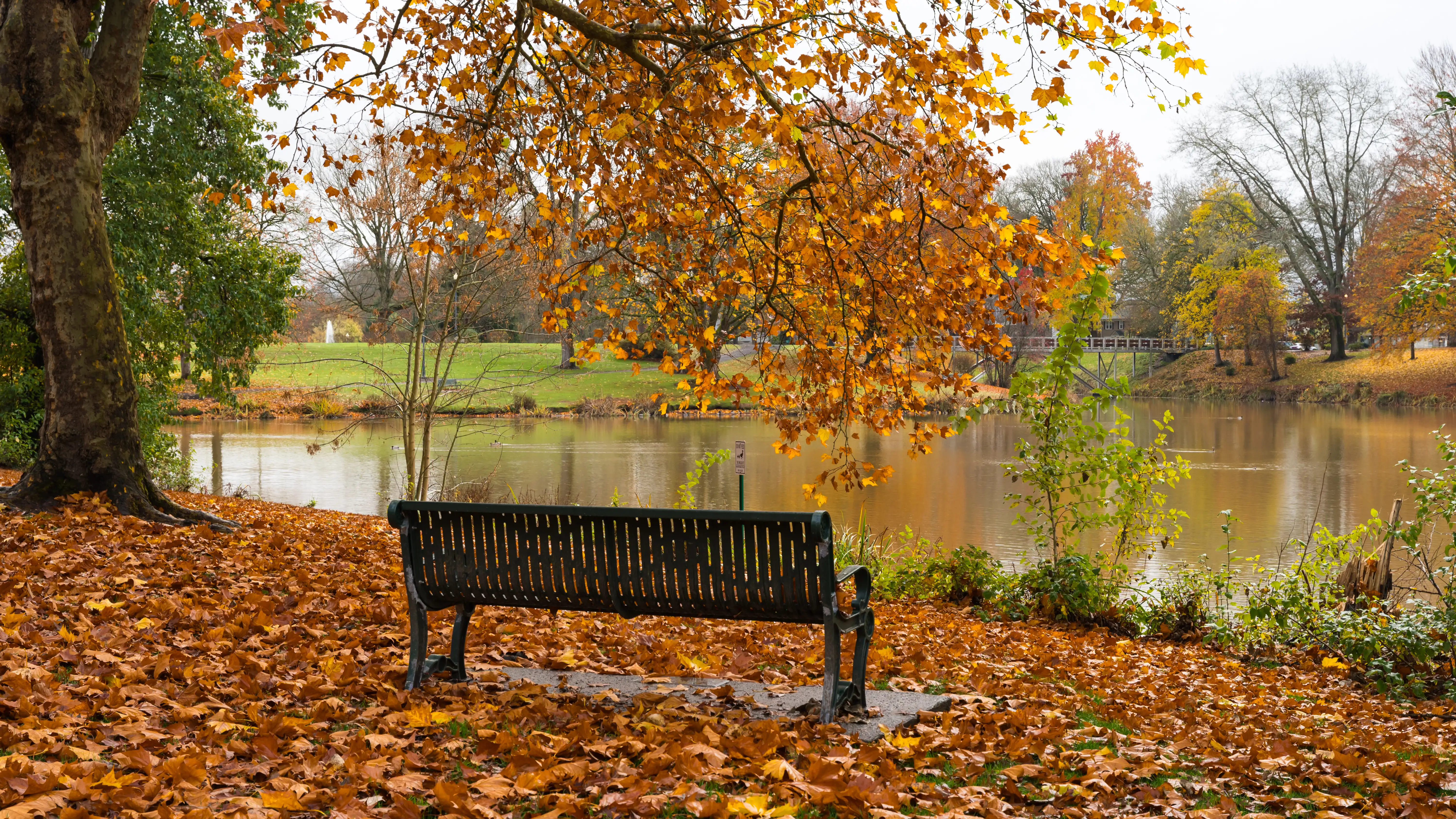
Not every city fits every buyer, and Kelso is no exception. Before getting into the details, here's a direct read on who tends to find this city the right fit — and who tends to leave disappointed.
| Best For | Why |
|---|---|
| First-time buyers | Median sold prices around $367,569 make ownership achievable; entry-level bungalows start below $250K |
| Portland-area commuters | 50-minute I-5 drive opens up dramatically lower housing costs vs. the Portland metro |
| Retirees on fixed incomes | No Washington state income tax, affordable housing, walkable downtown core near medical services |
| Outdoor-focused households | Cowlitz River access, Coweeman River Trail, Three Rivers Golf Course, proximity to Cascade foothills |
| Remote workers from expensive metros | Buying here vs. Southern California or Portland can reduce housing costs by $800–$1,500/month |
| Families prioritizing homeownership over prestige schools | Kelso School District serves the community adequately, though academic proficiency scores lag state averages |
The most accurate way to describe daily life in Kelso is functional and unpretentious. The city has a genuine downtown along South Pacific Avenue and Broadway, with local businesses, the Cowlitz County Historical Museum, and the kind of small-town commercial strip that's been bypassed in some cities and quietly maintained in others. Three Rivers Mall anchors the retail side of life and draws shoppers from across Cowlitz County, giving Kelso a retail density unusual for a city of roughly 13,000 people. What you won't find is the wine bar strip, the farm-to-table restaurant row, or the curated coffee shop district — that part of the Pacific Northwest lifestyle is centered in Vancouver or Portland, and it's a 50-minute drive away.
The geography shapes everything. Kelso sits in a river valley, with the Cowlitz River forming its western edge and hills rising to the east. The gridded street layout of the northern neighborhoods gives way to more rural, sparsely populated terrain in the southern half of the city. Neighborhoods like Beacon Hill sit elevated with views down into the valley, while areas near the river feel decidedly more flat and industrial-adjacent. Getting oriented to this topography within the first few weeks matters — it explains why homes in apparently similar price ranges feel so different in terms of setting and daily livability.
The traffic reality is worth addressing honestly. The I-5 interchange near the South Kelso corridor gets congested during morning and evening commutes, particularly between the Three Rivers Mall area and the merge points heading south toward Vancouver. Locals heading to Portland typically aim to leave before 7:00 AM or after 9:00 AM to avoid adding 20 minutes to that 50-minute baseline. The Cowlitz Way and Ocean Beach Highway corridors are the routes most drivers know for skirting the worst of it. Within Kelso itself, the average commute runs around 22 minutes — a number that reflects the city's compact footprint and generally manageable internal traffic.
What surprises most people after about six months of living here is how tight the community actually feels for a city of this size. Kelso has the kind of place-memory that smaller cities accumulate over generations — people know each other's families, the high school football rivalry with R.A. Long has been running for over 90 games, and events like the holiday parade and the Cowlitz County Fair draw turnout that would embarrass some larger cities. It's not the curated community of a planned suburb. It's the real thing, with all the roughness and loyalty that implies.
The housing math is Kelso's most compelling argument. A median sold price of $367,569 — with entry-level inventory still available below $250,000 for older bungalows needing work — gives buyers options that have essentially disappeared from the Portland metro and are rapidly closing in Clark County. Washington's lack of a state income tax compounds that advantage for anyone crossing the river from Oregon. The property tax rate runs approximately 1.01%, meaning a home at the median price carries roughly $3,712 in annual property taxes — a figure that looks almost quaint compared to what buyers pay in comparable metro markets.
The outdoor access is legitimate, not aspirational. The Coweeman River Trail gives residents a genuine multi-use path along the river corridor. Tam O'Shanter Park and Riverside Park provide accessible greenspace within city limits. Three Rivers Golf Course across the Cowlitz River draws players from throughout the region. The new riverfront community near the course is being built around water access specifically — boating, fishing, and paddleboarding on the Cowlitz, with eagles, herons, and the occasional sea lion reported along the shoreline. The Cascade foothills start rising within a short drive east, putting Mount St. Helens, Silver Lake, and serious hiking terrain within 45 minutes.
Kelso functions as the county seat and commercial hub of Cowlitz County, which means civic services, healthcare, and retail density that outliers of similarly sized cities don't have. PeaceHealth operates locally and serves as one of the region's major healthcare employers. The school district, with 13 schools and just under 5,000 students, is a significant institutional anchor. Cowlitz County government offices are based here, providing stable public-sector employment that insulates the local economy from some of the cyclical volatility that hits purely industrial or retail-dependent small cities.
The sense of permanence here is real. Kelso doesn't feel like a city in transition, always chasing the next redevelopment cycle. That stability reads differently to different buyers — some find it reassuring, others find it stagnant. But for households who want to plant roots without worrying about displacement from rising prices or neighborhood transformation, Kelso delivers.
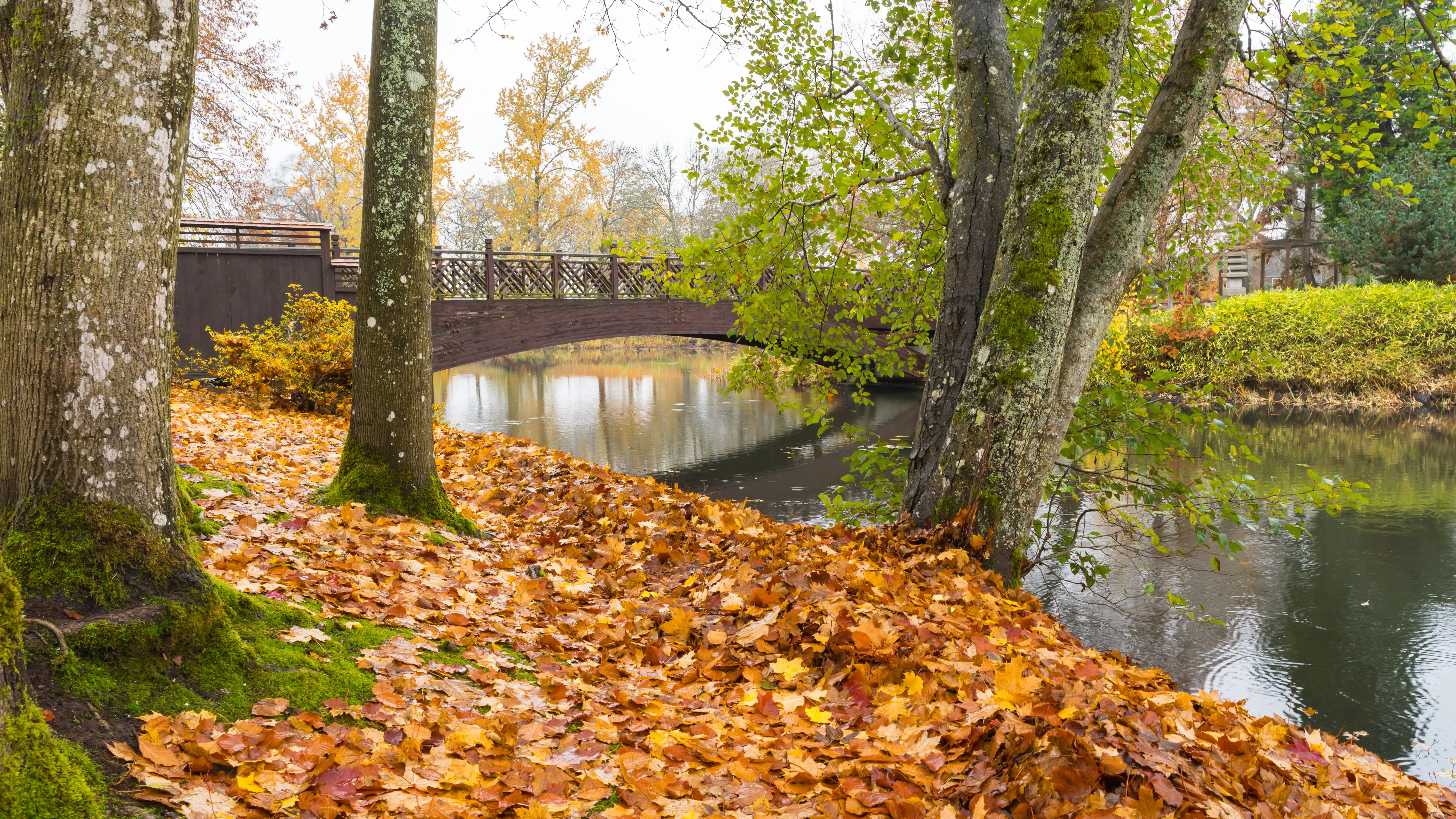
No relocation guide does its job without this section. Kelso's affordability isn't accidental — it reflects real limitations that buyers should understand before signing.
The school performance gap is the most significant concern for families with children. Kelso High School posts a 91% graduation rate, which is genuinely above the Washington state average. But math proficiency sits around 14.83% of students — well below the state average of roughly 34% — and the district's overall academic ranking falls in the bottom half of Washington's 306 school districts based on proficiency measures. Families who prioritize academic outcomes in a traditional metrics-driven sense will want to look carefully at supplemental options, private tutoring, or the district's specific program offerings before assuming the school situation is equivalent to districts in Vancouver or west of Longview. The district is improving — graduation rates climbed from 84% over the past five school years — but the gap on proficiency measures is real.
The economic picture has some vulnerability. Local unemployment runs around 5.0%, modestly above the national average, and per capita income sits at roughly $50,380 — about 21% below the national average. The poverty rate is approximately 12%, and about half of the district's students qualify for economically disadvantaged status. That socioeconomic profile shapes the character of certain neighborhoods, the retail mix, and the pace of business investment in ways that are visible to observant buyers. Kelso is not a struggling city, but it is not a high-growth boomtown either.
The dining and entertainment gap is genuine. Residents heading out for dinner beyond the chain restaurant options near Three Rivers Mall are typically driving to Longview or making the longer trip to Vancouver or Portland. The local food scene has independent options, but it's limited. For buyers accustomed to a dense urban or even well-developed suburban restaurant and entertainment corridor, the adjustment takes some intentionality.
Why some people leave comes down to a specific pattern: buyers arrive with a realistic financial plan and genuine appreciation for the affordability, then find after two or three years that the lack of career advancement options locally — combined with the commute cost of accessing Portland-area employers — makes the math feel less favorable than it initially appeared. Remote work has shifted this calculus considerably, but for workers who eventually return to in-person roles at Portland-area companies, the 50-minute commute five days a week is a meaningful quality-of-life factor that compounds over time.
Kelso's neighborhoods span a real range — from historic gridded streets close to downtown to newer subdivisions on the hillside edges and rural stretches toward the city's southern limits. Here are the eight neighborhoods that matter most for relocating buyers.
The Trails ranks among the most consistently active neighborhoods in Kelso's buyer market, drawing interest for its relatively newer residential stock and suburban feel within a practical distance of I-5 access. Homes here tend to be in better condition than the older bungalow stock downtown, and the neighborhood's layout appeals to households looking for a quieter residential setting without sacrificing access to the Three Rivers Mall corridor. Pricing typically falls within the city-wide range, though well-maintained homes move quickly given the demand.
Best for: Commuters and families who want a move-in-ready home without paying a premium for new construction.
Despite the name, Industrial Way as a residential neighborhood is one of Kelso's safer and more stable addresses, consistently appearing on local safety rankings alongside Third Avenue and Old West Side. The area benefits from its position relative to major retail and employment corridors, making daily errands straightforward. It doesn't have the aesthetic character of the hillside neighborhoods, but buyers focused on practicality over setting find strong value here.
Best for: Practical buyers who prioritize safety data and access to services over scenic setting.
Third Avenue runs through an established residential corridor that reflects Kelso's older housing stock and historic grid — homes here are often 1940s through 1970s construction with the mix of care and deferred maintenance you'd expect in a mid-century neighborhood. The location within the city core keeps this area walkable to downtown, which matters for residents who want to access the Cowlitz County Historical Museum corridor and the South Pacific Avenue commercial strip without a car. Pricing on Third Avenue tends to run at or slightly below the city median for comparable square footage.
Best for: Buyers who want walkable access to the city core and can handle older homes with renovation potential.
Broadway anchors the commercial and civic identity of downtown Kelso, with the surrounding residential blocks offering a genuine small-city feel that some buyers specifically seek. Living near Broadway puts residents within walking distance of city services, local shops, and the kind of foot traffic that gives a neighborhood texture. Homes vary significantly in condition and style, which means buyers with patience for the search can find real value here.
Best for: Buyers who want to be embedded in the community fabric and are comfortable with an older, mixed-condition housing market.
West Kelso sits closer to the Cowlitz River edge and offers a distinctly different feel from the hillside and inland neighborhoods — flatter terrain, older residential blocks, and proximity to river-adjacent recreation. The neighborhood's affordability makes it attractive to first-time buyers and investors, and its location near the new riverfront development corridor means it's worth watching as that project matures. Buyers here are trading hillside views and newer construction for lower entry prices and direct river access.
Best for: First-time buyers and investors watching the riverfront development story unfold.
Camelot is one of Kelso's cleaner, more established suburban subdivisions — the kind of neighborhood where streets are quiet, lots are maintained, and the housing stock reflects consistent middle-class investment. Families with school-age children and households looking for the most conventionally suburban experience within Kelso's city limits tend to gravitate here. Prices typically land near or slightly above the city median depending on lot size and home condition.
Best for: Families with children who want a conventional suburban neighborhood within city limits.
Beacon Hill occupies elevated terrain above the valley floor, giving many homes here views that most of Kelso's flatter neighborhoods simply can't offer. The hillside position also provides easy access toward Longview's adjacent commercial areas, which some buyers find useful for daily errands. Active listing counts on Beacon Hill have been moderate — roughly 9 active listings visible in recent market snapshots — suggesting a neighborhood with real demand and limited turnover.
Best for: Buyers who prioritize views and hillside setting and want proximity to Longview's retail without leaving Kelso.
Lexington South occupies the quieter, more residential southern edge of Kelso's organized neighborhood fabric, before the city transitions into its more rural southern half. The area offers a lower-density feel compared to the northern grid neighborhoods, with somewhat larger lots and a residential character that appeals to households looking for space between neighbors. It's less active in the buyer market than the northern neighborhoods, which can mean more negotiating room.
Best for: Buyers who want more lot space and a quieter residential feel at or below the city median.

Kelso's neighborhoods each tell a different story when it comes to long-term value. Established areas like the Camelot Subdivision and West Kelso tend to attract consistent buyer interest because of their residential character and accessibility, and well-priced homes there can move within days in a competitive stretch. Third Avenue offers a different pace and price point, giving buyers more breathing room while still keeping them close to everyday conveniences. Most single-family homes across Kelso remain attainable compared to larger Washington metros, with many options available under $400,000 — though that window can shift quickly depending on what's hitting the market.
Before you start scheduling tours, sit down with a lender and get a honest look at what your full monthly payment actually looks like — not just principal and interest, but property taxes, homeowner's insurance, and any applicable HOA dues all factored in together. Pre-approval also tells you where your comfortable budget sits, which isn't always the same as your maximum approval. When the right place in a neighborhood like West Kelso comes along, being ready to move quickly makes a real difference.
| City | Best For | Median Home Price | Commute to Portland | Vibe |
|---|---|---|---|---|
| Kelso | Affordable ownership, county services, river access | ~$367,569 | ~50 min | Practical small city, working-class roots |
| Longview | Slightly larger city feel, more retail variety | ~$340,000–$370,000 | ~55 min | Industrial history, improving walkable core |
| Woodland | Quieter, more rural, Clark County proximity | ~$420,000–$450,000 | ~35 min | Small-town rural, limited services |
| Ridgefield | High-growth suburb, stronger school profile | ~$550,000–$600,000 | ~30 min | Fast-growing, newer construction, family-focused |
| Kalama | Extreme quiet, riverfront setting, tiny city | ~$380,000–$410,000 | ~45 min | Rural riverside, very limited services |
| Castle Rock | Maximum affordability, rural quiet | ~$280,000–$320,000 | ~65 min | Rural, limited employment base |
| Metric | Detail |
|---|---|
| Population | ~12,795 (2026 estimate) |
| Median sold home price | $367,569 |
| Property tax rate | ~1.01% |
| Median household income | ~$66,751 |
| Commute to Portland | ~50 minutes via I-5 |
| Violent crime rate | 4 per 1,000 residents |
| Property crime rate | 19 per 1,000 residents |
| School district rating | B- (Kelso School District) |
| State income tax | None (Washington) |
| County seat | Yes — Cowlitz County |
Kelso carries a few traditions that don't show up in most relocation summaries but tell you a lot about the character of the place.
"The Battle of the Plaid" is the name locals give to the Kelso–R.A. Long High School football rivalry — more than 90 games played and still going, with a competitive intensity that extends well beyond the stadium seats at Rister Stadium. If you move here with a high school student, expect to be asked immediately which side you're on. It's a real community focal point, not a casual sporting event.
The Cowlitz County Fair is the other institution worth knowing about. Held annually at the Cowlitz County Fairgrounds, it's a multi-day event drawing attendance from throughout the county and functioning as one of the year's major social anchors for the region. New residents who make it out in their first year typically come away with a much better feel for how the community actually sees itself.
The Rhododendron Gardens — part of Kelso's civic identity since the city was officially named Washington's "Rhododendron City" — bloom in spring with a display that genuinely surprises visitors who arrive expecting a typical river-valley industrial city. Local pride around the bloom season is real, and it connects Kelso to a historical botanical tradition that predates most of the city's other civic institutions.
What I would not do if moving to Kelso: I would not buy in the far southern half of the city without driving those streets on a weekday and genuinely understanding how isolated from city services you'd be. The southern end transitions quickly from urban to rural, and homes listed at Kelso addresses can sit 10–15 minutes from the nearest grocery option. The practical inconvenience surprises buyers who assume "within city limits" means suburban convenience throughout.
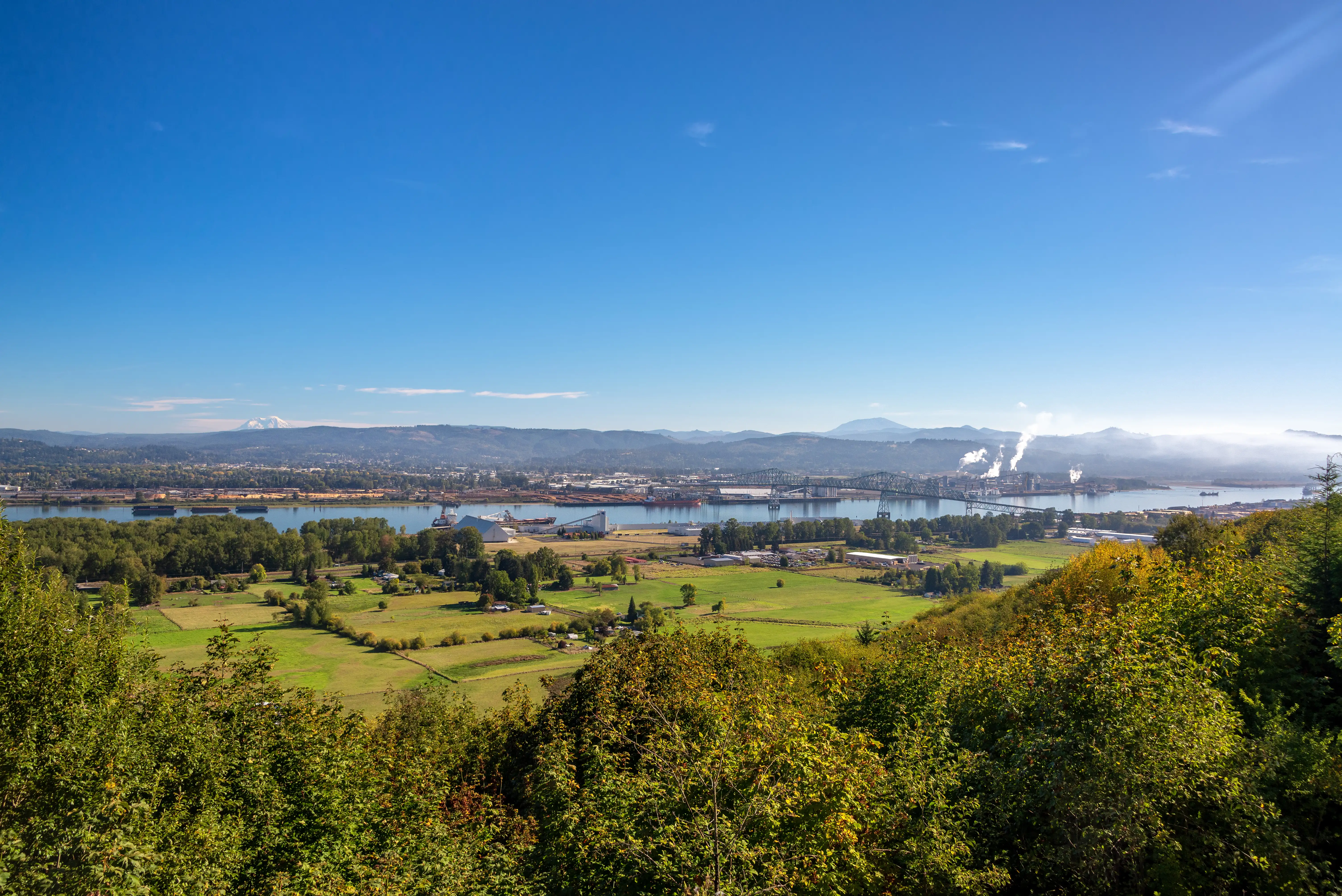
Local Expert Takeaway: If you're relocating from the Portland metro or California and your budget tops out around $400,000, Kelso deserves serious attention in 2026 — not as a compromise, but as a deliberate choice. Prioritize The Trails and Camelot Subdivision for the best combination of condition and livability, and look hard at Beacon Hill if views and hillside setting matter to you. The riverfront new construction near Three Rivers Golf Course is worth watching even if it's above your budget — the fact that developers are building $700K–$900K homes here says something about where the market ceiling is heading over the next five to seven years.
✅ Kelso's affordability is real and defensible — a median sold price near $367,569 with no state income tax makes ownership math work for buyers priced out of Clark County and the Portland metro.
⚠️ School academic performance lags state averages — the graduation rate is strong at 91% for Kelso High, but math proficiency metrics are well below state norms, which matters for families evaluating long-term educational fit.
📍 Geography and neighborhood location within Kelso matter more than most buyers expect — hillside vs. valley, northern grid vs. southern rural, and proximity to I-5 access create meaningfully different daily experiences at similar price points.
Is Kelso, Washington a good place to raise a family?
Kelso offers genuine affordability, outdoor access, and a tight-knit community feel that many families value — especially households prioritizing homeownership over school-district prestige. The Kelso School District has improved its graduation rate meaningfully over recent years, and the city's parks, trails, and river access give kids real outdoor opportunity. Families who go in with realistic expectations about school proficiency metrics and supplement accordingly tend to find it a workable and affordable place to raise children.
What is the crime rate in Kelso?
Kelso reports a violent crime rate of approximately 4 per 1,000 residents and a property crime rate of around 19 per 1,000 residents. The property crime figure is the more significant concern for most buyers and reflects patterns common to small cities with higher poverty rates. Neighborhoods like Industrial Way, Third Avenue, and Old West Side consistently rank among the safer areas within the city, and buyers focused on safety would do well to prioritize those corridors.
How does Kelso compare to Longview, its immediate neighbor?
Kelso and Longview function almost as a single metro area and the day-to-day boundary is nearly invisible to residents. Longview carries slightly more retail and dining variety along its own commercial corridors, while Kelso offers the county seat infrastructure and a marginally different neighborhood character in its hillside areas. Home prices are similar between the two cities — within a range of each other in most market snapshots — and commute times to Portland are comparable. The meaningful decision between them usually comes down to specific neighborhood preferences rather than city-wide differences.
Explore the full Kelso series: The Ultimate Kelso Relocation Guide · Is Kelso Safe? · Cost of Living in Kelso · Best Neighborhoods in Kelso · Kelso Schools & Family Life · Kelso Youth Sports · Kelso Parks & Recreation · Retiring in Kelso · 1031 Tax-Deferred Exchange in Kelso · Kelso First-Time Homebuyers Guide · Kelso Down Payment Assistance Guide · Moving to Kelso from California