
Puget Sound · Washington
Cost of Living in Mercer Island: Housing, Taxes, Utilities & Lifestyle (2026)
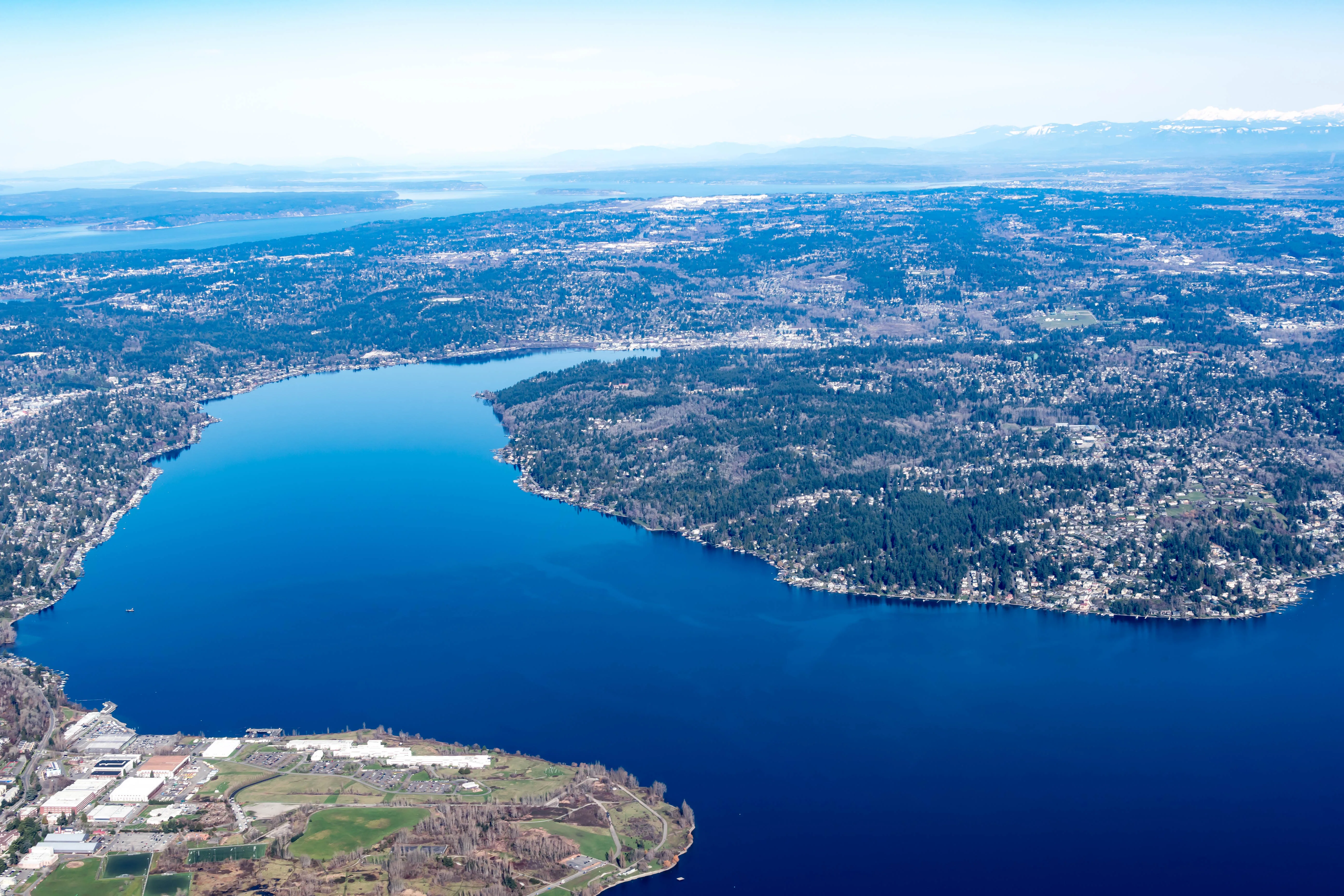
The number that stops most buyers cold is the median sold price — hovering between $2.2 million and $2.55 million depending on the quarter, with the trailing six-month NWMLS figure landing at roughly $2.4 million for single-family homes. That is not a typo, and it is not inflated by a handful of waterfront outliers. It is the actual center of the market on this six-square-mile island in the middle of Lake Washington.
What shapes that price is geography as much as prestige. Mercer Island is physically constrained — you cannot build more of it. Every home sits within minutes of the water, I-90 connects the island directly to Seattle in about 15 minutes, and the school district consistently earns an A rating. Those three facts compress demand into a fixed supply in a way that simply does not happen in mainland suburbs.
This guide will walk you through exactly what your dollar buys here — by price range, neighborhood, and lifestyle tier — along with property taxes, utilities, rental inventory, and how Mercer Island stacks up against Bellevue, Seattle, and the other high-cost addresses in the region. If you are seriously considering a move to the island, the numbers in here are the ones to build your budget around.
The six-month trailing median sold price for single-family homes on Mercer Island sits at approximately $2.4 million, and the 2025 full-year median closed at $2.55 million according to Windermere's annual Mercer Island report. Homes sold for an average of $895 per square foot last year, and 56% of all sales went under contract within the first ten days — a pace that leaves little room for indecision. At the entry end of the single-family market, buyers are typically looking at homes built in the 1960s and 1970s on modest lots in interior neighborhoods, while the $3 million-and-above tier opens up newer construction, larger footprints, and proximity to the water.
The condo and townhome market is where buyers find a genuinely different price point. Downtown Mercer Island's vertical product — primarily condos and smaller townhomes near the Town Center core — has been moving at a median around $525,000, which represents the island's most accessible entry point. That figure reflects the mix of small one- and two-bedroom condos in the walkable core, not the island's broader residential character. For a house, the floor is closer to $1.8 million in mid-island neighborhoods away from the waterfront.
Market tempo has been brisk. Homes have been averaging five to seven days on market in competitive sub-markets like South End, and Redfin's Compete Score for the island overall sits at 82 out of 100 — classified as "Very Competitive." Buyers coming from slower markets should understand that competitive offers, limited contingency windows, and pre-inspections are the norm here, not the exception.
| Price Range | What You're Getting |
|---|---|
| $500K–$900K | Condos and townhomes in the Town Center core; 1–2 bedrooms; walkable to shops and transit |
| $1.8M–$2.4M | Interior single-family homes in Mid-Island, South End, or First Hill; 3–4 bedrooms; 1,800–2,800 sq ft |
| $2.4M–$3.5M | Updated single-family on larger lots; some views; newer construction or fully remodeled; East Mercer or elevated North End |
| $3.5M–$6M+ | Westside bluff and near-waterfront estates; direct lake access starts in this range; 4,000+ sq ft custom builds |
| $6M–$25M+ | True waterfront with private docks; architecturally significant properties; North End and West Mercer dominate this tier |
King County assesses Mercer Island at a property tax rate of approximately 0.61%, which is low by national standards but still produces a significant annual bill given home values. On a $2.4 million home, that translates to roughly $14,640 per year. Washington State's levy limit system caps annual increases at 1% for regular levies, which provides meaningful long-term predictability — your tax bill will not suddenly spike 15% in a single reassessment cycle the way it can in states without that protection. Homeowners 61 and older may qualify for King County's senior exemption program, which can reduce or freeze the assessed value used for tax calculations depending on income thresholds.
Rental inventory on Mercer Island is thin. The island's residential character is overwhelmingly owner-occupied, and purpose-built apartment complexes are limited almost entirely to the Town Center area. Most renters on the island are in newer mixed-use buildings near SE 27th Street or in scattered single-family rentals and smaller condo conversions.
| Unit Type | Avg Monthly Rent (2026) |
|---|---|
| Studio / 1-Bedroom Condo | $2,000–$2,600 |
| 2-Bedroom Apartment / Condo | $2,800–$3,600 |
| 3-Bedroom Townhome or House | $4,500–$6,500 |
| 4+ Bedroom Single-Family Rental | $6,500–$12,000+ |
Utilities on Mercer Island run through Puget Sound Energy for electricity and natural gas, with average monthly household bills in the range of $160–$220 depending on home size and season. Larger homes in the $3M–$5M tier — often running in-floor radiant heat, EV charging, and extensive outdoor lighting — can push utility costs meaningfully higher. Water and sewer service is provided through the City of Mercer Island, with combined monthly bills typically in the $80–$130 range for a mid-size household.
Car dependency is the practical reality for most island residents. The Mercer Island Park & Ride connects to Sound Transit's East Link light rail and ST Express bus service, which makes a car-free Seattle commute genuinely viable for downtown workers. But for grocery runs, youth sports pickups, medical appointments, and anything outside the Town Center, you will need a car. Most island households run two vehicles. Gas prices in the immediate area track King County averages — typically 15–25 cents above the national average.
Grocery access is adequate but not abundant. Town Center anchors include a QFC and the Mercerdale neighborhood's proximity to that same commercial corridor. For warehouse shopping, Costco in Factoria (Bellevue) is the closest option, roughly a 10-minute drive across I-90 East. Specialty grocery and organic options expand significantly once you cross into Seattle or Bellevue, so most island households do a mix of local convenience shopping and a bigger weekend run off-island.
Dining and services in Town Center lean upscale — expect $15–$22 entrées at casual spots and $30–$55 at the island's nicer restaurants. The concentration is modest given the income level of the community, which means most residents treat Seattle and Bellevue dining as part of their regular rotation rather than an occasional splurge.

| City | Median Home Price | Property Tax Rate | State Income Tax | Commute to Seattle | School Rating |
|---|---|---|---|---|---|
| Mercer Island | ~$2.4M–$2.55M | 0.61% | None | ~15 min | A |
| Bellevue | ~$1.5M | ~0.85% | None | ~20–30 min | A |
| Seattle | ~$875K | ~0.93% | None | 0 (already there) | B+ |
| Newcastle | ~$1.2M | ~0.90% | None | ~25 min | A- |
| Clyde Hill | ~$3.5M+ | ~0.65% | None | ~20 min | A |
| Beaux Arts Village | ~$2.8M+ | ~0.70% | None | ~20 min | A |
| Renton | ~$620K | ~1.05% | None | ~25–35 min | B |

Mercer Island's geography plays a real role in how homes hold and grow in value over time. The North End and West Mercer areas tend to draw strong buyer interest for their lake access and views, and well-priced homes there routinely go under contract within days — sometimes hours — of hitting the market. Mid-Island offers a bit more variety in price points, though finding anything under $1.5 million still takes patience and timing. Wherever you're looking on the island, the cost of living here reflects a premium that has historically been supported by consistent demand and limited inventory.
Before you fall in love with a home on a tour, sit down with a lender first. Your true monthly obligation on Mercer Island goes well beyond the loan itself — property taxes, homeowner's insurance, and potential HOA dues all stack onto your payment, and the full picture can look noticeably different from what a quick online estimate shows. Knowing your comfortable budget, not just your maximum approval, puts you in a much stronger position when the right home appears.
This budget reflects a buyer purchasing at approximately $2.4 million with 10% down, resulting in a loan of roughly $2.16 million.
| Cost Category | Monthly Estimate |
|---|---|
| Mortgage (principal & interest) | ~$13,800 |
| Property taxes (0.61% annual, monthly) | ~$1,220 |
| Homeowner's insurance | ~$450–$650 |
| HOA (if applicable — condos/some townhomes) | $0–$600 |
| Utilities (electricity, gas, water/sewer) | ~$280–$380 |
| Groceries (household of 3–4) | ~$900–$1,300 |
| Transportation (2 cars, fuel, insurance) | ~$900–$1,400 |
| Dining and entertainment | ~$800–$1,500 |
| Childcare / youth activities (if applicable) | ~$500–$2,000 |
| Total (estimated range) | ~$18,800–$22,850 |
Washington State has no personal income tax — full stop. For households earning $219,000 or more, that is a meaningful annual savings compared to California (13.3% top marginal rate), Oregon (9.9%), or New York (10.9%). That tax advantage is one of the structural reasons high-income professionals from the Bay Area and Southern California consistently target Mercer Island when relocating to the Pacific Northwest.
The state funds services primarily through the sales tax, which in Mercer Island runs approximately 10.1% — among the higher combined rates in the region when King County and city levies are stacked. There is also a capital gains tax in Washington — passed in 2021 and upheld by the state Supreme Court — applying a 7% rate on long-term capital gains above $262,000, which applies to investment income but not to the sale of a primary residence. For most Mercer Island homeowners whose wealth is primarily in real estate, this distinction matters.
Senior residents 60 and older with limited income may qualify for Washington's property tax deferral program, which allows a lien-based deferral of annual property taxes rather than immediate payment — a meaningful tool for retirees on fixed incomes sitting on significant home equity.

Local Expert Takeaway: The buyers who struggle most with Mercer Island's cost picture are those who anchor their budget to the island's median income and then attempt a median home purchase — the math is very tight at that intersection. The buyers who thrive here typically arrive with 30–40% down, a dual-income household earning $350,000 or more, or equity from a prior sale in a high-cost market. If you're targeting the $1.8M–$2.1M range in Mid-Island or South End, that is the genuine sweet spot for buyers who want the school district and the Seattle commute without stretching into the waterfront tier. Get pre-approved for a jumbo loan specifically, and work with a lender who has closed jumbo deals in King County — the underwriting is different from a conventional purchase.
Looking to buy in Mercer Island? Estimate your payment.
Enter your numbers to see an estimated monthly mortgage payment.
Estimate only. Excludes HOA fees and mortgage insurance.
Is Mercer Island affordable for a family earning $200,000 per year?
At $200,000 household income, a Mercer Island single-family purchase at current prices produces a debt-to-income ratio that most lenders will flag without a substantial down payment. Buyers in that income range typically need 30–40% down on a home in the $1.8M–$2.1M range to maintain a manageable payment. The condo market in Town Center is the more realistic entry point for households at that income level without significant existing equity.
What are the annual property taxes on a typical Mercer Island home?
At the 0.61% rate applied to a $2.4 million home, annual property taxes come to roughly $14,640 — or about $1,220 per month. That rate is low compared to many Washington cities, and the state's 1% annual levy cap provides meaningful predictability over time. Homeowners 61 and older may qualify for King County's senior exemption, which can reduce the assessed value used for tax calculation.
How does Mercer Island's cost of living compare to Bellevue?
Mercer Island's median sold price runs approximately $800,000 to $1 million higher than Bellevue's current median, and the island's housing stock is more uniformly expensive — there is no large lower-priced district equivalent to Bellevue's Crossroads or Newport Hills areas. Where Mercer Island wins on cost is the property tax rate (0.61% versus Bellevue's roughly 0.85%) and the Seattle commute advantage. Buyers who need more housing variety or a lower entry price typically land in Bellevue; those who prioritize school district cohesion, island lifestyle, and a shorter Seattle commute tend to stretch for the island.
Explore the full Mercer Island series: The Ultimate Mercer Island Relocation Guide · Is Mercer Island Safe? · Cost of Living in Mercer Island · Best Neighborhoods in Mercer Island · Mercer Island Schools & Family Life · Mercer Island Youth Sports · Mercer Island Parks & Recreation · Retiring in Mercer Island · 1031 Tax-Deferred Exchange in Mercer Island · Mercer Island First-Time Homebuyers Guide · Mercer Island Down Payment Assistance Guide · Moving to Mercer Island from California