
Eastern Washington · Washington
Cost of Living in Pasco: Housing, Taxes, Utilities & Lifestyle (2026)
The case for Pasco is easy to make on paper. The median sold price sits at $418,000 — roughly 4% below the national median and less than half what buyers are paying in the Seattle metro — and Washington's lack of a state income tax means every dollar of your Hanford or Lamb Weston paycheck goes further than it would in Oregon or California. But the cost picture here isn't uniformly rosy, and buyers who move to Pasco without understanding which neighborhoods are appreciating, which utilities run high, and where the hidden expenses live tend to get surprised in year two.
What shapes daily costs here is a combination of Tri-Cities geography, Franklin County's relatively low property tax rate, and the sheer scale of Pasco's recent growth. The west side of town has exploded with new construction, retail corridors, and commuter-friendly development over the past decade. That growth has pushed entry-level prices higher in desirable pockets while keeping costs competitive in established east-side neighborhoods — creating real differences in what your dollar buys depending on which zip code you're targeting.
This guide walks through every major cost category a relocating buyer or renter needs to understand: housing by budget range, rental market realities, utilities, transportation, taxes, and how Pasco stacks up against Kennewick, Richland, and the rest of the Tri-Cities. If you're running the numbers on a move to Pasco in 2026, this is the breakdown you need.

The median sold price in Pasco as of Q1 2026 is $418,000 — a figure that has pulled back modestly from the pandemic-era peak of $490,000 reached in early 2022. That correction has been a quiet gift for buyers. Homes are sitting on the market for around 78 days on average, and most sellers are accepting offers slightly below list price, which means negotiating room exists in a way it didn't three years ago. At $267 per square foot on sold transactions, Pasco delivers significantly more house per dollar than virtually any west-side Washington market.
What does $418,000 actually get you? In West Pasco near the Road 68 corridor, it lands you in newer construction — think 2010s builds with open floor plans, attached garages, and access to well-maintained community parks. In East Pasco and areas near downtown, the same budget buys substantially more square footage in older homes from the 1940s through 1970s, often on larger lots, though with more potential maintenance costs baked in. The entry point for a livable single-family home starts around $290,000, while the top of the market extends past $3 million for estate properties and riverfront lots.
The market has cooled from its frenzied highs, but it hasn't collapsed. Active inventory remains manageable, and three-bedroom homes continue to move faster than other configurations — so buyers targeting that profile should be ready to act within a reasonable timeframe when the right listing appears.
| Budget Range | What You'll Find in Pasco |
|---|---|
| Under $300K | Smaller older homes in East Pasco; some condos and townhomes; fixer-uppers |
| $300K–$400K | Entry-level single-family homes; established neighborhoods; 3BR 1970s–1990s builds |
| $400K–$500K | Median range; newer construction in West Pasco; Road 68 area suburbs |
| $500K–$650K | West Pasco newer builds; some Riverview-adjacent homes; larger footprints |
| $650K+ | Riverview waterfront premium; Broadmoor luxury; Island Estates higher-end |
Franklin County's property tax rate is one of Pasco's quiet competitive advantages. The effective rate on a Pasco home runs approximately 0.71%, which translates to roughly $2,968 annually on the $418,000 median — notably below the national effective median and well below Benton County's rate that applies to buyers shopping across the river in Kennewick or Richland. Washington's levy limit system caps annual increases at 1% without voter approval, which provides meaningful long-term predictability for budgeting purposes. Homeowners aged 61 and older may also qualify for Washington's senior property tax exemption program, which can significantly reduce the annual bill for qualifying retired households.
The rental market in Pasco has tightened over the past three years as population growth outpaced apartment construction, though new multifamily projects near the Road 68 and Broadmoor corridors have added inventory. Vacancy rates have loosened modestly from the near-zero levels seen in 2022, giving renters slightly more leverage on negotiating lease terms.
| Unit Type | Average Monthly Rent (2026) |
|---|---|
| Studio / 1BR | $950 – $1,150 |
| 2BR Apartment | $1,200 – $1,500 |
| 2BR House | $1,400 – $1,700 |
| 3BR House | $1,650 – $2,000 |
| 4BR House | $1,900 – $2,400 |
Utilities in Pasco run slightly above the Pacific Northwest average, largely because of the dual demand for cooling in summer and heating in winter. The Columbia Basin's hot, dry summers push air conditioning costs meaningfully — plan for electricity bills in the $180–$250 range during July and August for a typical 1,800-square-foot home. Winters are cold but rarely severe, and natural gas heating keeps winter utility costs manageable, typically in the $120–$180 monthly range from November through February. Pasco residents are served by Franklin PUD for electricity and Cascade Natural Gas for most residential heating. Water and sewer through the city adds roughly $60–$90 monthly depending on household size.
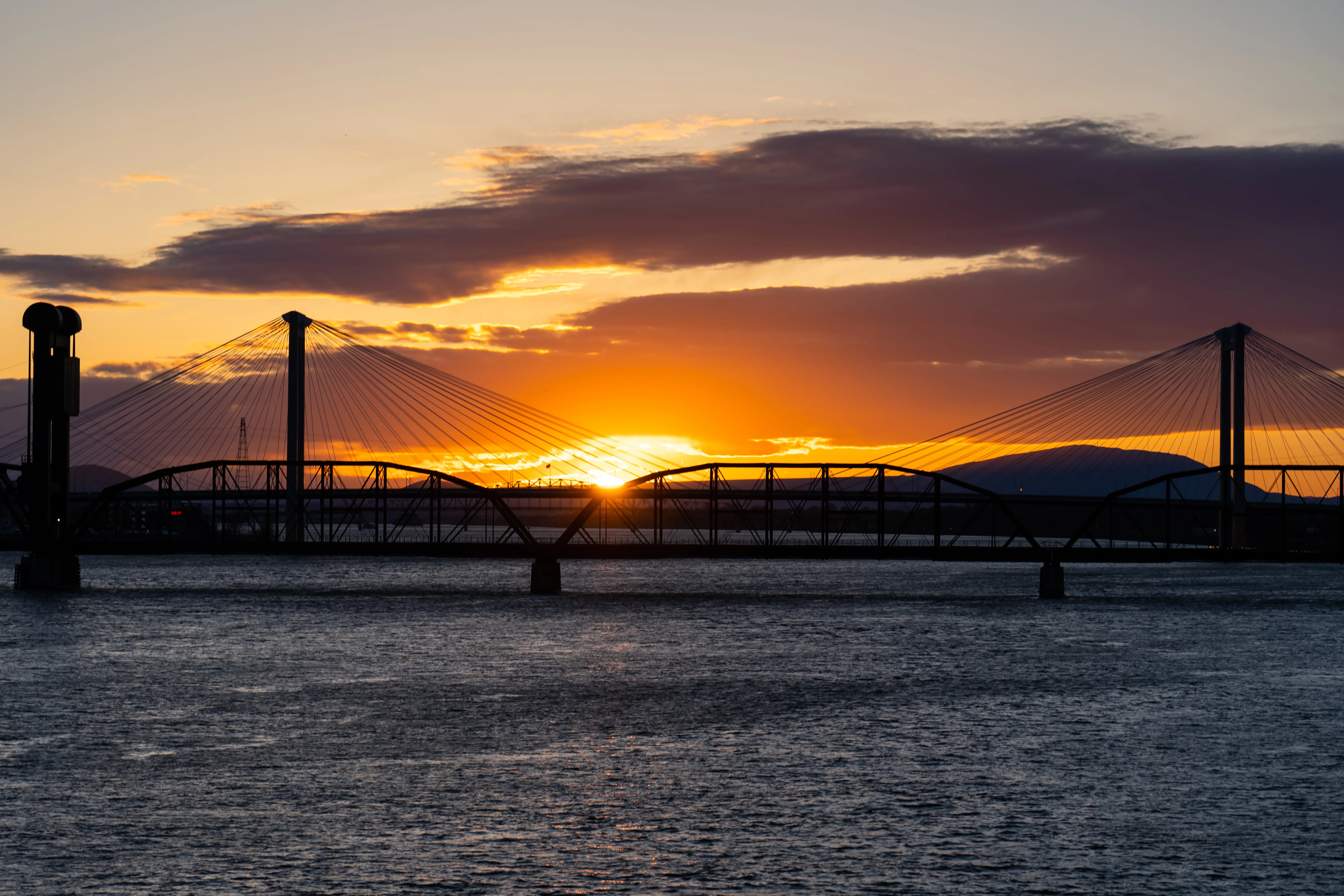
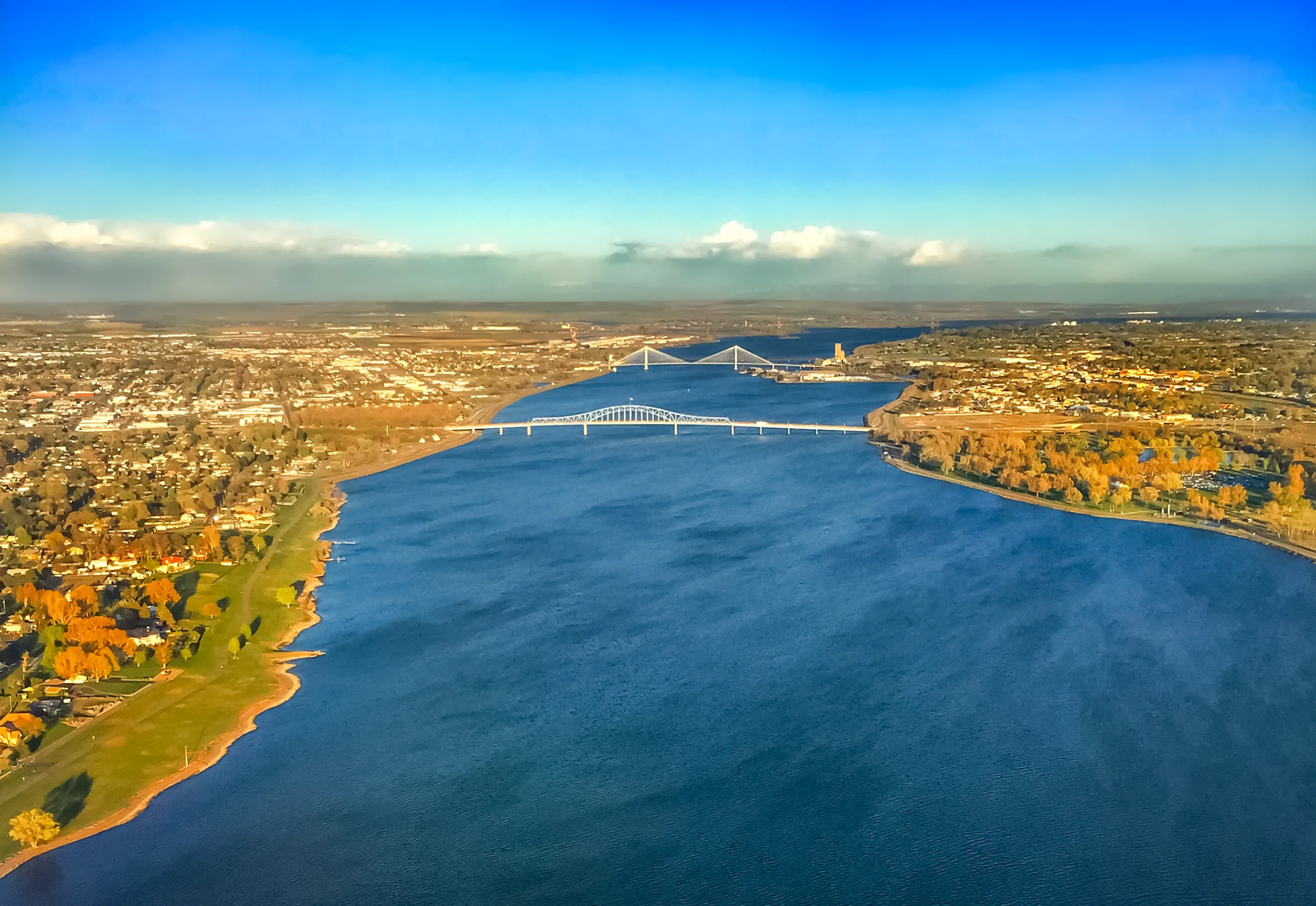
Transportation is almost entirely car-dependent. Pasco does not have a commuter rail connection, and while Ben Franklin Transit provides bus service throughout the Tri-Cities, the coverage and frequency aren't sufficient to replace a vehicle for most working households. Fuel costs here track statewide averages, and the commutes are relatively short — Kennewick is roughly 10–15 minutes depending on which part of town, and Richland runs about 23 minutes. The Cable Bridge and Blue Bridge provide the primary east-west connections across the Columbia and Snake rivers, and the I-182 corridor can back up during morning and afternoon commute windows. Buyers who work at the Hanford Site and live in West Pasco should account for the Route 240 merge at Stevens Drive — that interchange adds 5–10 minutes on busy days.
Groceries and dining access is solid but concentrated. Pasco has a Fred Meyer, Walmart Supercenter, Grocery Outlet, and several Hispanic grocery stores (Fiesta Foods is a well-established option) that serve the city's significant Latino community. The Pasco Farmers Market, typically running Saturday mornings through the growing season near downtown, offers locally grown produce at competitive prices. Dining options cluster heavily along the commercial corridors — Road 68 has the broadest selection of national chains, while downtown Pasco, centered around Lewis Street, is known for its authentic Mexican restaurants. If you're relocating from a city with walkable neighborhood coffee shops and independent restaurants on every corner, adjusting expectations is part of the transition. Most residents drive 5–10 minutes to whatever they need, which feels entirely normal within the first few months.
| City | Median Home Price | Est. Property Tax Rate | State Income Tax | Avg Rent (2BR) | Notes |
|---|---|---|---|---|---|
| Pasco, WA | $418,000 | ~0.71% (Franklin Co.) | None | $1,200–$1,500 | Fastest-growing, youngest demographic |
| Kennewick, WA | ~$380,000 | ~0.85% (Benton Co.) | None | $1,150–$1,450 | Slightly lower prices, higher tax rate |
| Richland, WA | ~$450,000 | ~0.85% (Benton Co.) | None | $1,300–$1,600 | Premium for schools and Hanford proximity |
| West Richland, WA | ~$460,000 | ~0.85% (Benton Co.) | None | $1,350–$1,650 | Newer builds, quieter, suburban feel |
| Burbank, WA | ~$340,000 | ~0.71% (Walla Walla Co.) | None | $1,000–$1,300 | More rural, limited services |
| Connell, WA | ~$290,000 | ~0.65% | None | $900–$1,100 | Very small town, 30+ min from Tri-Cities core |
| Portland, OR | ~$510,000 | ~1.10% | Up to 9.9% state | $1,500–$1,900 | Cross-state comparison; income tax a major factor |

When thinking about long-term value in Pasco, location within the city genuinely matters. The Road 68 Corridor has seen consistent buyer demand thanks to its retail access and newer construction, and well-priced homes there move quickly — sometimes within days of listing. West Pasco and Island Estates tend to attract buyers looking for established neighborhoods with more mature landscaping and a quieter feel, and desirable properties in those areas rarely sit long either. For most buyers, finding something that checks all the boxes under $750,000 in these pockets means being ready to act, not just browse.
That's exactly why I encourage people to talk with a lender before they ever step into a showing. Your pre-approval number is a ceiling, not a target — and the full monthly payment picture includes property taxes, homeowner's insurance, any HOA dues, and how your loan is structured, all of which affect what actually feels comfortable month to month. Knowing that number upfront means you're not falling in love with a home only to discover later it stretches the budget thinner than you'd like.
This table models ownership costs for a buyer purchasing at $418,000 with 10% down ($41,800), based on a 30-year fixed mortgage at approximately 6.8% (mid-2026 prevailing rate range).
| Cost Category | Estimated Monthly Cost |
|---|---|
| Mortgage (principal + interest) | ~$2,460 |
| Property Tax (0.71% / 12) | ~$247 |
| Homeowners Insurance | ~$120 |
| Utilities (electricity, gas, water/sewer) | ~$280 |
| Internet (Spectrum or Ziply) | ~$60 |
| Groceries (family of 3–4) | ~$700 |
| Transportation (1–2 vehicles, gas + insurance) | ~$650 |
| Dining / Entertainment | ~$350 |
| Cell Phones (2 lines) | ~$120 |
| Estimated Total | ~$4,987 |
Washington's lack of a state income tax is the single largest cost-of-living advantage for anyone relocating from California, Oregon, or most of the Midwest. A household earning $85,000 in Oregon would pay roughly $5,000–$7,000 annually in state income tax alone — money that, in Pasco, remains in the paycheck. The state funds its budget primarily through sales tax, which in Pasco runs approximately 8.6% (combined state and local rate), which is relevant at the register but far less painful than a progressive income tax for most working households.
Washington also offers a property tax deferral program for eligible senior and disabled homeowners, separate from the exemption program mentioned earlier. Qualifying residents can defer a portion of their annual property taxes until the property is sold, which can materially improve monthly cash flow for retirees on fixed incomes.
The only notable Washington-specific tax burden to understand is the Real Estate Excise Tax (REET) on home sales, currently 1.28% on the first $525,000 of sale price at the state level, plus a local component. This is a seller-paid tax in most transactions, but it factors into long-term equity math if you're planning a shorter-term hold.
Local Expert Takeaway: The sharpest financial decision a Pasco buyer can make in 2026 is distinguishing between where they want to live and where they're being told to shop. West Pasco near Road 68 gets most of the attention — and prices reflect that. But buyers who spend a weekend driving East Pasco, Chiawana, and the established neighborhoods between Court Street and Lewis Street often find comparable school access, shorter grocery runs, and home prices $40,000–$80,000 below what the west side commands for similar square footage. The Franklin County tax rate advantage persists regardless of which zip code you choose — so the neighborhood decision is almost entirely about lifestyle and commute, not taxes.
Looking to buy in Pasco? Estimate your payment.
Enter your numbers to see an estimated monthly mortgage payment.
Estimate only. Excludes HOA fees and mortgage insurance.
Is Pasco an affordable place to live compared to the rest of Washington?
Yes — Pasco consistently ranks among the more affordable mid-size cities in Washington. The median sold price of $418,000 is well below what buyers encounter in western Washington markets, and the combination of no state income tax and Franklin County's relatively low property tax rate makes total monthly housing costs genuinely competitive for households earning at or above the area median income of $85,586.
How do property taxes in Pasco compare to Kennewick and Richland?
Pasco falls within Franklin County, which carries an effective property tax rate of approximately 0.71% — lower than the roughly 0.85% rate in Benton County, where Kennewick and Richland are located. On a $418,000 home, that difference translates to several hundred dollars annually. Over a 10-year ownership period, Franklin County's lower rate is a meaningful advantage that often goes unnoticed by buyers shopping across the river simultaneously.
What is the typical monthly cost of owning a home in Pasco at the median price?
A buyer purchasing at $418,000 with 10% down on a 30-year fixed mortgage can expect all-in monthly housing costs — mortgage, taxes, and insurance — in the range of $2,800–$2,850, before utilities and transportation. Adding typical household expenses brings the total estimated monthly budget to approximately $5,000 for a family of three to four, which is achievable for dual-income households at or above the area median income.
Explore the full Pasco series: Living in Pasco · Is Pasco Safe? · Cost of Living · Best Neighborhoods · Schools & Family Life · Youth Sports · Parks & Rec · Retiring in Pasco