
Eastern Washington · Washington
Living in Pasco: The Ultimate Relocation Guide (2026)
Maybe your company just announced a relocation to the Tri-Cities and Pasco landed on your shortlist — or maybe you've been tracking Eastern Washington home prices and noticed Pasco's $418,000 median looks like a different market entirely compared to the Seattle suburbs you've been watching. Maybe you drove through once on U.S. 395 and weren't sure what to make of it: wide streets, food processing plants visible from the highway, a farmers market downtown, families everywhere. Pasco is one of those cities where the spreadsheet makes an immediate case but the street-level reality takes a few visits to fully understand. The central tension here is real: this is a genuinely affordable, fast-growing city with a young population and strong employment anchors — but it carries tradeoffs in school performance, urban polish, and infrastructure that are worth understanding before you make an offer.
Geographically, Pasco sits at the confluence of the Snake and Columbia Rivers in Franklin County, forming the northeastern corner of the Tri-Cities metro alongside Kennewick and Richland. U.S. Route 395 is the city's spine, and it creates a meaningful divide: east of 395, you're in historic Pasco with homes from the 1930s and 1940s and deep community roots; west of 395, you're in the newer subdivisions and commercial corridors that have absorbed the city's explosive growth — 135% since 2000. The Hanford Site, Lamb Weston, Tyson Foods, BNSF Railway, and Darigold anchor the local economy, which means this is a working city with working-city wages and working-city housing prices.
This guide is designed to tell you what the listing photos and neighborhood walk-throughs won't. You'll learn which parts of the city are actually worth your time, what the commute reality looks like across the Tri-Cities, why people who move here often stay longer than they expected, and what the honest downsides are for buyers coming from more polished metro markets. By the end, you'll know whether Pasco fits your life — or whether Richland or Kennewick is the better call.

Before going deeper, here's a quick orientation for buyers at different life stages.
| Best For | Why |
|---|---|
| First-time buyers | The $418,000 median sold price is among the most accessible in the entire Tri-Cities — and Washington's lack of a state income tax stretches purchasing power further |
| Families with school-age children | Proximity to newer West Pasco and Road 68 schools, combined with affordable larger-lot homes, draws households with kids — though buyers should research individual schools before committing |
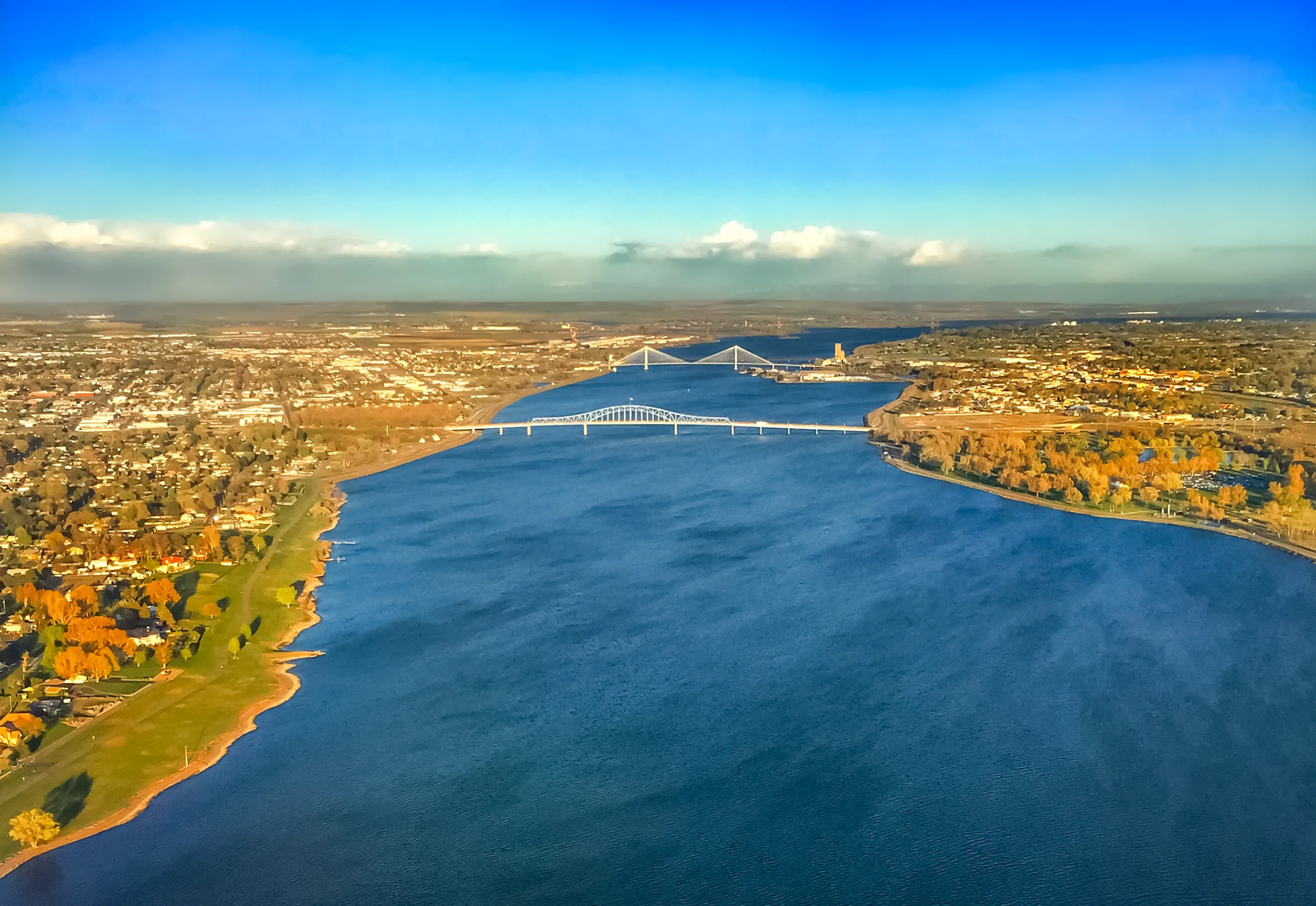
| Commuters to Hanford or Richland | A 23-minute drive to Richland puts Pasco within easy reach of the Hanford corridor; morning traffic on the Cable Bridge or Blue Bridge is manageable compared to metro commutes |
| Remote workers | Low housing costs, wide open desert landscape, and a genuinely local pace of life appeal to remote workers who want space without a rural isolation penalty |
| Buyers relocating from California | Pasco's price point, no state income tax, and warm, dry summers feel like a significant lifestyle upgrade for buyers arriving from Central Valley or San Diego |
| Retirees on a budget | Low property taxes (approximately 0.71% effective rate), mild four-season weather, and access to Columbia River recreation make Pasco a legitimate retirement option |
Pasco has the feel of a city that is still figuring out what it wants to be — and that's not a criticism. With a median age of just 30.3 years and approximately 50% of residents speaking a language other than English at home, Pasco is one of the most culturally dynamic cities in Washington state. The Hispanic community, predominantly of Mexican heritage, has shaped the food culture, the commercial corridors along 4th Avenue, and the rhythms of daily life in ways that make Downtown Pasco feel more like a Southwestern city than a typical Pacific Northwest suburb.
The geography shapes your daily experience in ways that matter. The Columbia River is never far from view, and the Sacajawea Heritage Trail gives residents a continuous 23-mile stretch of riverfront path connecting Pasco to Kennewick and beyond. Getting around the city itself is largely car-dependent — there is no meaningful transit network, and the sprawl of newer West Pasco development means that most errands require a drive. Road 68 is the corridor where most of that commercial activity concentrates, and during peak afternoon hours, the intersection at Road 68 and Burden Boulevard backs up consistently. Plan to leave between 4:30 and 5:45 p.m. if you want to avoid it, or take Chapel Hill Boulevard as an alternate route north.
The commute to Richland runs approximately 23 minutes under normal conditions — manageable by any standard, though the bridges over the Columbia and Snake Rivers can add 5–10 minutes during peak morning hours when Hanford workers are all heading west at the same time. Downtown Pasco, centered around Lewis Street and 4th Avenue, has a gritty, authentic commercial energy anchored by the Pasco Farmers Market, which opened its 2026 season in May and draws serious weekend crowds through September. It's the kind of Saturday morning spot where you actually run into your neighbors.
The honest friction moment: Pasco's air quality during summer wildfire season can be genuinely poor. Eastern Washington sits in a smoke corridor when fires burn in Oregon, Idaho, or central Washington, and there are typically two to three weeks each August and September where the air quality index climbs into unhealthy ranges. Buyers coming from the coast often find this more disruptive than they anticipated.
Housing affordability relative to the rest of Washington is the headline reason people come to Pasco — and it's real. At a $418,000 median sold price, Pasco is running approximately 4% below the national median and significantly below the Puget Sound market. The property tax effective rate sits at approximately 0.71%, which translates to roughly $2,968 annually on a median-priced home. For buyers arriving from King County, Pierce County, or the Portland metro, those numbers register as a genuine lifestyle unlock.
The Columbia River system is an underrated quality-of-life asset. Chiawana Park and Sacajawea State Park put river access, boat launches, sandy beaches, and picnic grounds within minutes of most Pasco neighborhoods. The Sacagawea Heritage Trail runs along the shoreline and connects into Kennewick and Richland, giving cyclists, runners, and walkers a riverside path that few cities of Pasco's size can match. On summer weekends, this corridor functions as the city's de facto living room — jet skis, fishing rods, and lawn chairs all sharing the same stretch of riverbank.
The economic foundation here is more stable than it appears from the outside. Hanford Site cleanup operations, administered by the U.S. Department of Energy, represent a multi-decade federal employment anchor with wages well above regional averages. Lamb Weston's potato processing operations, Tyson Foods' production facility, Darigold, and Twin City Foods create a diverse industrial base that has held steady through economic cycles. BNSF Railway's regional presence adds another layer of working-class stability that keeps unemployment low and household incomes healthier than Pasco's modest housing prices might suggest.
Washington's lack of a state income tax is a genuine financial advantage that compounds over time. On a $85,586 median household income, the absence of state income tax puts real money back into residents' budgets each year — money that in Oregon, California, or Idaho would be redirected to the state. Combined with Pasco's lower housing costs, this creates a meaningful wealth-building environment for households who came here for a job and decided to stay.
The community is genuinely welcoming and deeply rooted. Pasco's Hispanic cultural traditions show up in everything from the taqueria density along 4th Avenue to the energy of summer community events. The Pasco Specialty Kitchen incubator program has helped local food entrepreneurs launch businesses that reflect this cultural richness, and the city's overall growth momentum suggests a community that is adding rather than losing population and investment.
The schools are the most significant concern for families with children, and it's worth being direct about it. The Pasco School District carries a C+ rating, and while there are individual schools within the district performing above that overall grade, families relocating from higher-performing suburban districts in Western Washington or from states with stronger public education outcomes will notice the difference. The district serves a student population with high rates of English language learners and socioeconomic challenges that affect standardized test scores across the board. Buyers who prioritize school quality above most other factors should at minimum visit individual school campuses, research specific attendance zones, and compare against what Richland or Kennewick school options look like.
The city's commercial and cultural infrastructure lags behind its residential growth. West Pasco and the Road 68 corridor have attracted chain retail, fast food, and big-box stores efficiently — but there is a relative shortage of the independent restaurants, coffee shops, and arts venues that buyers arriving from Seattle, Portland, or Spokane may have come to expect. Downtown Pasco's revitalization is genuine and ongoing, but it remains a work in progress. The city's dining scene is strong within specific cuisines (Mexican food, in particular, is excellent) but thin in others.
Infrastructure in some growth areas hasn't kept pace with development. Road conditions on newer subdivisions off Argent Road and portions of the Northwest corridor can feel unfinished, and the lack of sidewalks in some West Pasco neighborhoods is a real quality-of-life friction point for families who want their kids to walk to school. Traffic management along Road 68 during commercial build-out is an ongoing issue that city planners are working on, but it is unlikely to be fully resolved in the near term.
Why some people leave: Buyers who moved to Pasco primarily for affordability and then find that the school performance or the car-dependent suburban infrastructure doesn't match their lifestyle often relocate to Richland or West Richland within five to seven years — trading up to better-performing schools at a higher price point once they've built equity. This is a common pattern in the Tri-Cities, and it means that Pasco's churn rate in newer subdivisions is higher than it might appear from the outside.
Best for: Families with children who want newer construction, good proximity to commercial amenities, and a more traditional suburban feel.
Best for: Buyers who prioritize convenience and don't mind trading neighborhood quiet for immediate access to services.
Best for: Buyers seeking an upscale Pasco address with Columbia River proximity and strong long-term value retention.
Best for: Buyers who want a quiet, established neighborhood with a track record of consistent values.
Best for: Buyers who prefer older construction with character, a more walkable urban pattern, and lower entry points than West Pasco.
Best for: First-time buyers, investors, and buyers who want lower entry prices and don't need newer construction.
Best for: Buyers who want authentic urban character, walking access to the farmers market and local dining, and lower entry prices.
Best for: Buyers who want brand-new construction and don't mind the early-adopter tradeoffs of a developing neighborhood.

From a mortgage standpoint, where you land within Pasco can meaningfully shape your long-term equity story. The Road 68 Corridor continues to attract strong buyer demand thanks to its proximity to retail, dining, and easy freeway access, and well-priced homes there routinely go under contract within days. West Pasco and Island Estates tend to draw buyers looking for newer construction and more established streetscapes, with much of the desirable inventory priced under $500,000 — though that ceiling shifts with the market. Understanding which pockets align with your lifestyle early in the process helps us structure financing that makes sense for where you actually want to be.
Before you fall in love with a home on a tour, I'd strongly encourage a real conversation with a lender — not just a quick online pre-qualification. Your true monthly commitment includes principal, interest, property taxes, homeowner's insurance, and potentially HOA dues, and that full picture looks quite different from a purchase price alone. Getting pre-approved first means we build around a payment that feels comfortable, not just the maximum a lender will approve. When the right home in Pasco moves fast, and they do
| City | Best For | Median Home Price | Commute to Pasco | Vibe |
|---|---|---|---|---|
| Pasco | Affordability, first-time buyers, cultural diversity | $418,000 | — | Working-class, fast-growing, authentic |
| Kennewick | Mid-range buyers, suburban amenities | ~$450,000–$470,000 | 15 min | Established suburb, commercial density |
| Richland | School quality, Hanford workers, higher incomes | ~$500,000–$530,000 | 23 min | Polished, planned, higher-cost |
| West Richland | Quiet suburban living, newer builds | ~$510,000–$540,000 | 28 min | Low-density, upscale suburban feel |
| Connell | Rural affordability, agricultural setting | ~$280,000–$320,000 | 35 min | Small-town, rural, limited amenities |
| Burbank | Waterfront access, rural quiet | ~$350,000–$380,000 | 20 min | Rural residential, limited commercial |
| Metric | Value |
|---|---|
| Population (2026) | 83,888 |
| Median sold home price | $418,000 |
| Median household income | $85,586 |
| Property tax rate | ~0.71% (approx. $2,968/year on median home) |
| Sales tax rate | 8.9% |
| State income tax | None |
| Commute to Richland | ~23 minutes |
| Violent crime per 1,000 residents | 3.9 |
| Property crime per 1,000 residents | 22 |
| School district | Pasco School District (C+ rating) |
| Median age | 30.3 years |
| Average days on market (2026) | 78 days |
Pasco's Farmers Market is more than a Saturday errand — it functions as the social glue of Downtown Pasco from May through September, drawing buyers, growers, and community members from across the Tri-Cities into a weekly ritual on Lewis Street. The 2026 season opened in May and runs weekly; local produce, flowers, and artisan goods fill the stalls in a way that reflects the agricultural richness of Eastern Washington rather than the curated aesthetic of a Seattle neighborhood market. If you're evaluating whether you'd enjoy living near downtown, spending a Saturday morning at the market is the most efficient research you can do.
The HAPO Center draws regional events — concerts, trade shows, sporting competitions — that give Pasco a cultural calendar significantly larger than a city its size would otherwise support. Gesa Stadium, home to the Tri-City Dust Devils minor league baseball team, anchors summer evenings along the river and has the kind of unpretentious, affordable charm that has largely disappeared from major metro stadiums. A $15 ticket, a clear view of the Columbia River valley in the distance, and no traffic nightmare getting out of the parking lot — that experience alone wins over a surprising number of transplants in their first summer.
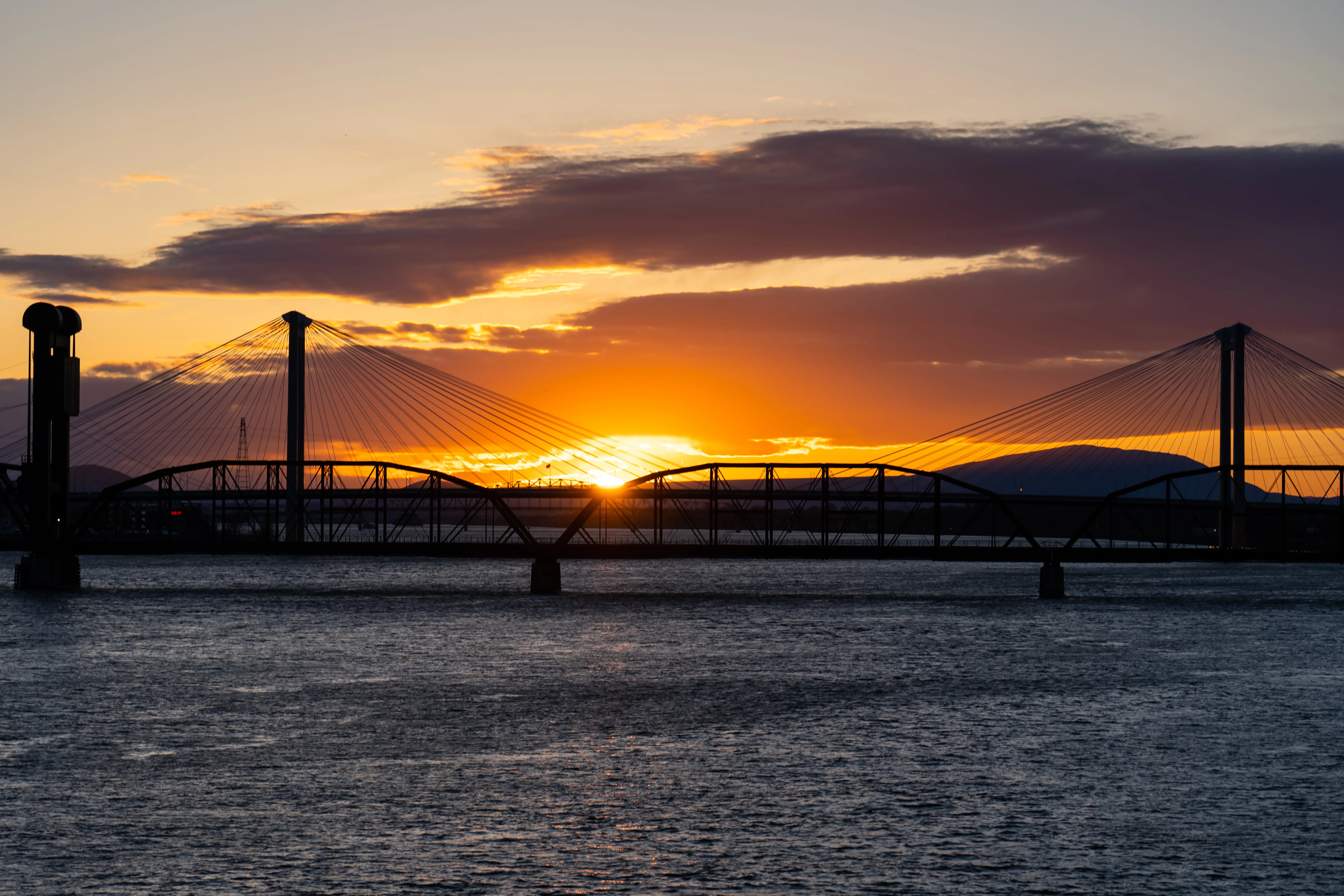
The Cable Bridge — formally the Ed Hendler Bridge — is both a functional crossing between Pasco and Kennewick and something of a local landmark. Its cable-stayed design is visible from a wide arc of the Tri-Cities, and for residents commuting between the cities, it becomes a daily backdrop that marks the beginning and end of the workday. New residents consistently mention that the bridge view during a clear Eastern Washington sunset is something they didn't expect to miss when they imagined moving here.
What I would not do: I would not buy a home in the industrial-adjacent corridors of East Pasco near the railroad tracks along Court Street east of 395 without driving those streets between 10 p.m. and midnight on a Friday. Parts of that area have elevated property crime and train noise that doesn't show up in daytime drive-throughs, and buyers who skip the evening reconnaissance have occasionally been surprised by the gap between what the listing photos suggested and what the neighborhood actually feels like after dark.
Local Expert Takeaway: If you're a first-time buyer entering the Pasco market in 2026, the West Pasco and Road 68 corridor neighborhoods offer the strongest combination of newer construction, relative safety, and resale liquidity — but don't overlook Riverview and Island Estates if you can stretch the budget, because those neighborhoods have held value through multiple market cycles in a way that the newer fringe developments have not yet proven. For buyers who prioritize schools above all else, the honest answer is to cross the bridge: Richland's school district consistently outperforms, and the price premium is real but has historically been recoverable in resale. Whatever you buy, get a sewer scope and a full inspection — Pasco's older east-side homes especially carry deferred maintenance that doesn't always surface in a standard walkthrough.
✅ Pasco delivers genuine affordability at the $418,000 median price point, Washington's lack of state income tax, and a 0.71% property tax rate — a combination that creates real purchasing power for buyers priced out of Western Washington.
⚠️ The school district is the most important variable for families with children. Research individual school campuses and attendance zones carefully — district-wide performance metrics don't capture the full picture, but they do set a baseline expectation buyers should understand before committing.
📍 The city is bifurcated in ways that matter. East Pasco and West Pasco are essentially different markets with different price points, infrastructure quality, and daily rhythms. Buying without understanding that divide is the most common mistake relocating buyers make in Pasco.
Is Pasco a good place to raise a family?
Pasco has meaningful strengths for families — affordable larger-lot homes, extensive river recreation, and a tight-knit community culture are genuine draws. The school district performance is the most significant variable families should research carefully before committing, and buyers who prioritize academic outcomes above other factors often find that Richland or Kennewick's school options justify the higher entry price. For families where the school question is resolved or where private school is in the picture, Pasco offers a quality of life that is difficult to match at this price point in Washington state.
What is the crime rate in Pasco?
Pasco reports approximately 3.9 violent crimes per 1,000 residents and 22 property crimes per 1,000 residents — figures that place it in a moderate range for a city of its size and growth rate. Property crime is the more relevant concern for most buyers, and it is geographically concentrated rather than uniformly distributed across the city. Newer West Pasco neighborhoods and communities like Riverview and Island Estates report notably lower crime rates than the historic east-side corridors near the commercial center.
How does Pasco compare to Kennewick and Richland?
Pasco is the most affordable of the three primary Tri-Cities — typically $30,000 to $100,000 below Richland depending on neighborhood and home size — with a younger, more culturally diverse population and stronger raw growth momentum. Kennewick sits in the middle on both price and school performance. Richland commands the premium for a reason: higher-performing schools, a more polished commercial corridor, and proximity to Hanford's professional workforce. The decision between the three cities usually comes down to one question: how much does school district performance matter relative to your monthly housing budget?
Explore the full Pasco series: Living in Pasco · Is Pasco Safe? · Cost of Living · Best Neighborhoods · Schools & Family Life · Youth Sports · Parks & Rec · Retiring in Pasco