Puget Sound · Washington
Cost of Living in Sammamish: Housing, Taxes, Utilities & Lifestyle (2026)
You came to the Eastside with a budget in mind. Maybe you heard Sammamish was "expensive but worth it," or maybe a colleague who lives there mentioned the schools and you started doing the math. What most buyers don't anticipate is how far the gap stretches between "Eastside expensive" and Sammamish expensive. The citywide median sold price sits at $1.6 million — not in a gated enclave, not on a lakefront lot, but across the entire city. That number will recalibrate every assumption you've made about what your dollar buys on this side of the lake.
What shapes the cost picture here is a combination of geography, income, and scarcity. Sammamish sits on a plateau between Lake Sammamish to the west and the Issaquah Alps to the east, with almost no remaining developable land. The city's 82.6% homeownership rate and a median household income of $239,690 — highest among Washington cities its size — have created a housing market that doesn't respond like a typical suburb. Renters are scarce by design, new inventory is limited, and the demand floor is set by a resident base that earns more than almost anywhere else in the country.
This guide breaks down exactly what you're spending in Sammamish across housing, taxes, utilities, rent, and daily life — and how it stacks up against the surrounding Eastside cities competing for the same buyers.
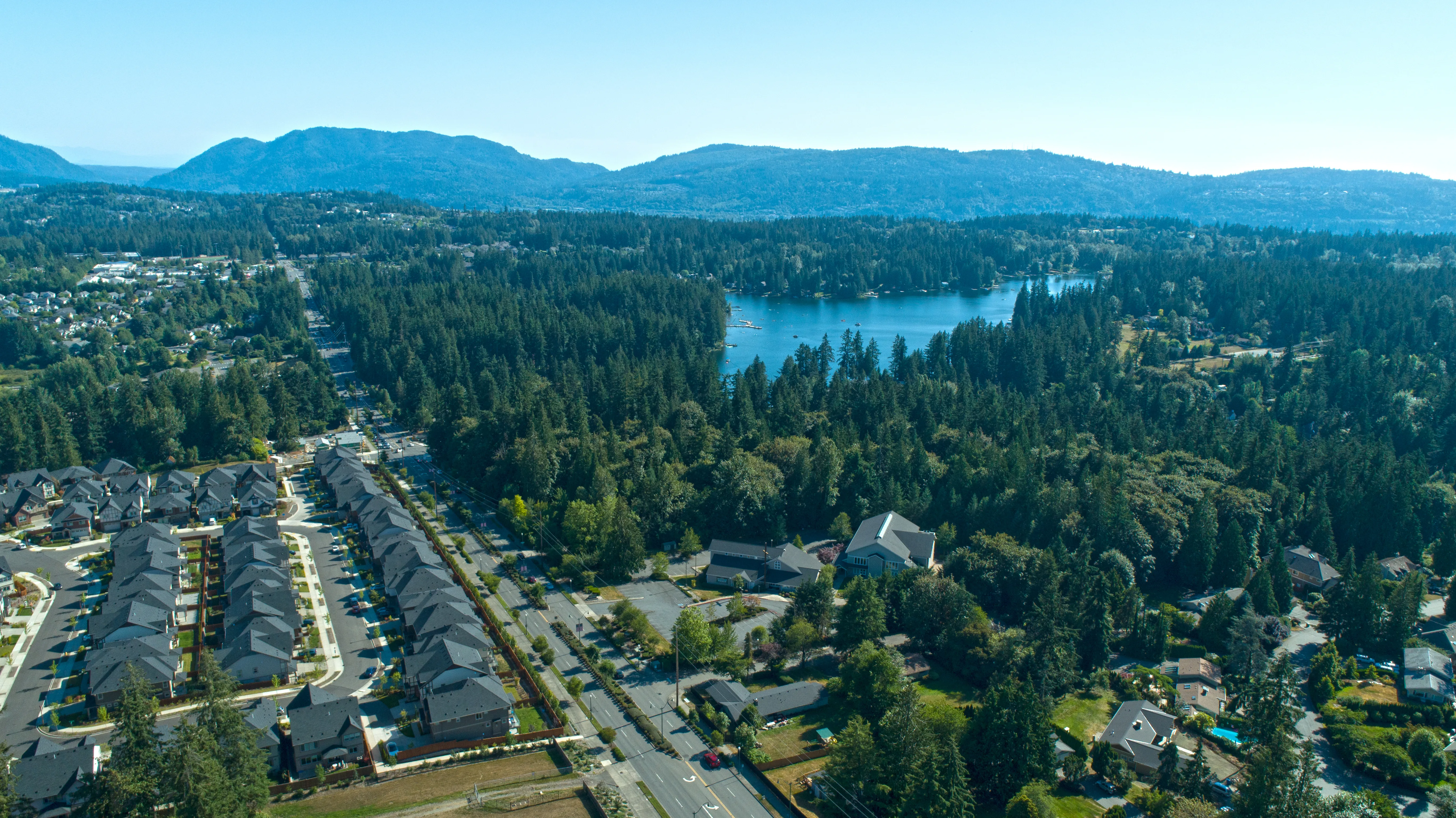
The $1.6 million median sold price isn't a ceiling — it's a midpoint. At that figure, you're typically getting a 4-bedroom, 2,500-to-3,200 square foot home built in the late 1990s through 2010s, likely in an established planned community with HOA amenities, solid school access, and a commute to Seattle that runs around 25 minutes on a good day. The market moves quickly: homes across Sammamish receive an average of two offers and frequently go to pending within a week of listing, particularly in the $1.2M–$1.8M range where the most active competition sits.
The entry point for a detached single-family home lands in the high $900,000s, typically for older construction on smaller lots or homes requiring meaningful updates. From there, prices scale sharply with lot size, view corridors, and school zone. South Sammamish (ZIP 98075) carries a higher median — homes there have recently closed around $1.8 million — while the north and central areas of ZIP 98074 track closer to $1.5 million. Lakefront properties at Pine Lake and Beaver Lake operate in their own tier, with some parcels exceeding $4 million.
The price-per-square-foot citywide runs approximately $613, which gives buyers a useful cross-comparison tool when evaluating specific properties. Townhomes and condos do exist — Klahanie being the clearest example with condos starting near $400,000 — but they represent a small fraction of Sammamish's overwhelmingly single-family housing stock.
| Budget Range | What It Buys in Sammamish |
|---|---|
| $900K–$1.1M | Older single-family homes, smaller lots, potential updates needed; some Klahanie condos/townhomes |
| $1.1M–$1.5M | Established neighborhoods like Timberline, Inglewood, Klahanie SFH; 3–4 bed, mid-size lots |
| $1.5M–$2.2M | Newer or renovated homes in Plateau, Pine Lake, Heritage Hills, Beaver Lake; strong finishes |
| $2.2M+ | Sahalee, Aldarra, Trossachs, lakefront Pine Lake; luxury construction, golf/gate access, views |
King County assesses Sammamish properties at approximately 0.81% of assessed value annually, which on the $1.6 million median home translates to roughly $12,960 per year — or about $1,080 per month added to your housing costs. Washington State's levy limit system caps annual property tax increases at 1% on existing levies without a public vote, which provides meaningful long-term predictability compared to states without similar protections. Homeowners 61 and older may qualify for King County's senior and disabled persons exemption program, which can reduce assessed value and cap the taxable amount depending on income — a significant benefit for buyers planning to age in place.
Renting in Sammamish is possible, but the inventory is thin enough that most would-be renters end up searching Issaquah or Redmond for more options. The citywide average for an apartment runs approximately $2,600–$2,650 per month — roughly 48% above the national average and consistent with what you'd expect from a city where 83% of households are owner-occupied. Most rental units exist within Klahanie's condo and townhome stock or scattered single-family rentals where owners have relocated temporarily.
| Unit Type | Average Monthly Rent |
|---|---|
| Studio | $1,775–$1,810 |
| 1-Bedroom | $2,100–$2,400 |
| 2-Bedroom | $2,600–$3,000 |
| 3-Bedroom (townhome/SFH) | $3,400–$4,200+ |
Utilities in Sammamish run close to regional norms, though the size of the homes tends to push monthly costs above what you'd see in denser cities. Puget Sound Energy handles electricity and natural gas for most of the plateau, and residents in a typical 2,500–3,000 square foot home can expect to pay $180–$260 per month combined depending on season and heating system. Water and sewer services are provided through various district suppliers, with monthly bills typically running $80–$130 for a single-family home. Internet service is available through Comcast Xfinity and Ziply Fiber in most parts of the city, with gigabit plans running $60–$100 per month.
Transportation in Sammamish is a car-dependent reality with almost no exceptions. The plateau has no light rail, no commuter rail, and limited bus service through King County Metro. Getting to Seattle in that 25-minute window requires SR-520 or I-90 — and either route becomes 45–60 minutes during peak commute hours without question. The I-90 interchange at Issaquah and the 228th Ave corridor in Sammamish itself are the two chokepoints locals navigate daily. If you're commuting to Microsoft's Redmond campus, the drive runs 15–20 minutes in light traffic and is genuinely manageable. Fuel costs, car maintenance, and parking should be factored as unavoidable monthly line items — budget at least $300–$500 per month per commuting adult depending on distance.
Groceries and dining are well-served in and around the plateau. The Klahanie Town Center and the intersection of SE 4th and 228th Ave host a Safeway and various everyday retailers. Costco is within easy reach in Issaquah. For specialty groceries, Whole Foods and QFC in Redmond or Issaquah represent a 10–15 minute drive for most Sammamish addresses. The dining scene on the plateau itself is limited — residents generally drive to Issaquah's Front Street district, downtown Redmond, or Bellevue for a broader restaurant selection. Budget $600–$900 per month for groceries for a family of four, and count on dining out requiring a short drive more often than not.
| City | Median Home Price | Property Tax Rate | Avg Commute to Seattle | State Income Tax | Notes |
|---|---|---|---|---|---|
| Sammamish | $1,600,000 | 0.81% | ~25 min | None | Highest median income in WA; plateau geography |
| Bellevue | $1,450,000 | ~0.85% | ~20 min | None | More urban amenities; stronger walkability |
| Redmond | $1,250,000 | ~0.84% | ~25 min | None | Microsoft HQ; tech-heavy; more rental inventory |
| Kirkland | $1,300,000 | ~0.87% | ~25 min | None | Waterfront access; walkable downtown |
| Issaquah | $900,000 | ~0.89% | ~30 min | None | Entry-level Eastside; growing downtown |
| Newcastle | $1,100,000 | ~0.88% | ~20 min | None | Quieter; less amenity-rich than Bellevue |
| Snoqualmie | $750,000 | ~0.96% | ~40 min | None | Newer development; longer commute trade-off |

Sammamish holds its value well across the board, but where you buy within the city genuinely matters for long-term equity. Neighborhoods like Sahalee and Pine Lake tend to attract serious buyers quickly — well-priced homes there routinely go under contract within days, not weeks. Klahanie draws strong demand too, particularly from families who value the established feel and community amenities. If you're eyeing something under $1.2 million in any of these areas, expect competition. Waiting to "see what happens" with the market rarely works in your favor here.
That's exactly why I encourage buyers to connect with a lender before they ever step foot in a showing. Knowing your purchase price range is just the starting point — your real monthly commitment includes property taxes, homeowner's insurance, any HOA dues, and how your loan is structured. Those pieces together can shift what actually feels comfortable versus what you're technically approved for. Sammamish moves fast enough that when the right home appears, you want to be ready to act with confidence, not scrambling to figure out your numbers.
This table reflects a household purchasing at the $1.6 million citywide median, with 10% down ($160,000), and a 30-year fixed mortgage at approximately 6.7% interest.
| Expense Category | Estimated Monthly Cost |
|---|---|
| Mortgage (P&I, 6.7%, 30yr, 10% down) | $9,280 |
| Property Taxes (0.81% annually) | $1,080 |
| Homeowner's Insurance | $200–$280 |
| HOA Fees (if applicable) | $80–$250 |
| Utilities (electricity, gas, water, internet) | $320–$450 |
| Groceries (family of 4) | $700–$900 |
| Transportation (2 cars, fuel, maintenance) | $600–$900 |
| Dining Out & Entertainment | $400–$700 |
| Childcare or Youth Activities | $500–$1,500 |
| Total Estimated Monthly | $13,160–$15,340 |
Washington State's most buyer-friendly financial feature is simple: there is no state income tax. For households earning $239,690 or more — the Sammamish median — this represents tens of thousands of dollars annually that would otherwise go to state income tax in California, Oregon, or most other high-income states. Oregon's top marginal rate runs 9.9%, which means a dual-income tech household earning $400,000 saves roughly $30,000–$35,000 per year by living in Washington instead. That figure matters when you're evaluating whether a $1.6 million home price is actually more expensive than a $1.1 million home in a state with income tax.
Washington does have a capital gains tax of 7% on gains exceeding $262,000 from the sale of assets like stocks — though primary residence sales remain exempt under the federal exclusion. For equity-heavy tech workers liquidating RSUs to fund a down payment, this is worth reviewing with a tax advisor before timing a large sale. The state also levies a Real Estate Excise Tax (REET) on home sales, which operates on a graduated scale and falls primarily on sellers, not buyers. Sammamish property owners 61 and older can apply for the state's Property Tax Deferral Program, which allows qualifying seniors to defer a portion of property taxes as a lien against the home rather than paying annually — a meaningful cash-flow tool for retirees on fixed incomes who want to stay on the plateau.
Local Expert Takeaway: The buyer who wins in Sammamish typically enters with two things ready before they start touring: a pre-approval at the full price point and a clear understanding of which neighborhood tier actually fits their monthly budget after taxes and HOA. The $1.1M–$1.5M range in Klahanie and Timberline moves faster than anything else on the plateau, and those homes sit in an income-to-payment range that more buyers can actually qualify for. If you're flexible on neighborhood but firm on schools and safety, targeting that tier with a decisive offer strategy will outperform waiting for the "perfect" Sahalee-adjacent home at $2.2M that generates 6 competing offers.
Looking to buy in Sammamish? Estimate your payment.
Enter your numbers to see an estimated monthly mortgage payment.
Estimate only. Excludes HOA fees and mortgage insurance.
Is Sammamish affordable for a family earning $200,000 per year?
It depends on down payment, lifestyle priorities, and risk tolerance. At the $1.6 million median with 10% down, the monthly housing costs alone — mortgage, taxes, and insurance — exceed $10,500. A household earning $200,000 would typically qualify for a purchase in the $900,000–$1.1 million range, which covers some Klahanie townhomes and the lower end of the Timberline neighborhood. Families at that income level who prioritize Sammamish schools and safety often enter those neighborhoods and grow equity before trading up.
How do property taxes in Sammamish compare to the rest of King County?
Sammamish's effective property tax rate of approximately 0.81% sits on the lower end of King County cities, reflecting the city's high assessed values relative to the levy amounts. On a $1.6 million home, that means roughly $12,960 annually. Washington's 1% annual levy increase cap keeps these costs predictable year over year, though voter-approved levies for schools and infrastructure can push the total rate higher in any given year.
Why do people leave Sammamish after buying there?
The most common reasons are car dependency and the limited on-plateau social scene. Residents who didn't anticipate how much time they'd spend driving — to restaurants, to entertainment, to anything that isn't a school or a park — often find the trade-off harder to live with than expected. Families with older teens especially note the lack of walkable hangout options for high schoolers. Some buyers also underestimate how isolating the plateau's geography feels during winter months when the commute window tightens and the surrounding natural beauty is less accessible.
Explore the full Sammamish series: Living in Sammamish · Is Sammamish Safe? · Cost of Living · Best Neighborhoods · Schools & Family Life · Youth Sports · Parks & Rec · Retiring in Sammamish