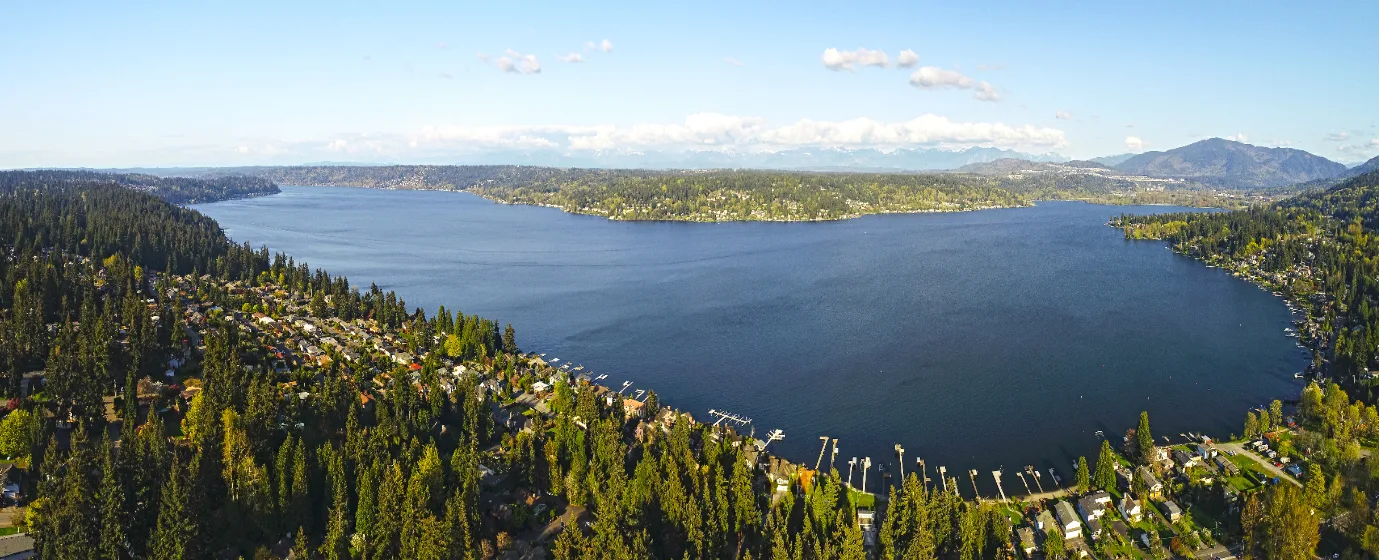
Puget Sound · Washington
Living in Sammamish: The Ultimate Relocation Guide (2026)
Maybe your company just moved you into a Microsoft building in Redmond and you've spent three weekends driving the Eastside, watching the price tags climb and the lot sizes shrink. Maybe someone at your new job said, "Have you looked at Sammamish?" and you pulled it up on Zillow and immediately thought there'd been a typo. Maybe you've been priced out of Bellevue and you're hoping the plateau to the east offers some relief. It won't — not exactly. But Sammamish offers something different: more space, quieter streets, arguably the best public schools on the Eastside, and a median home price of $1,600,000 that reflects exactly how desirable all of that has become.
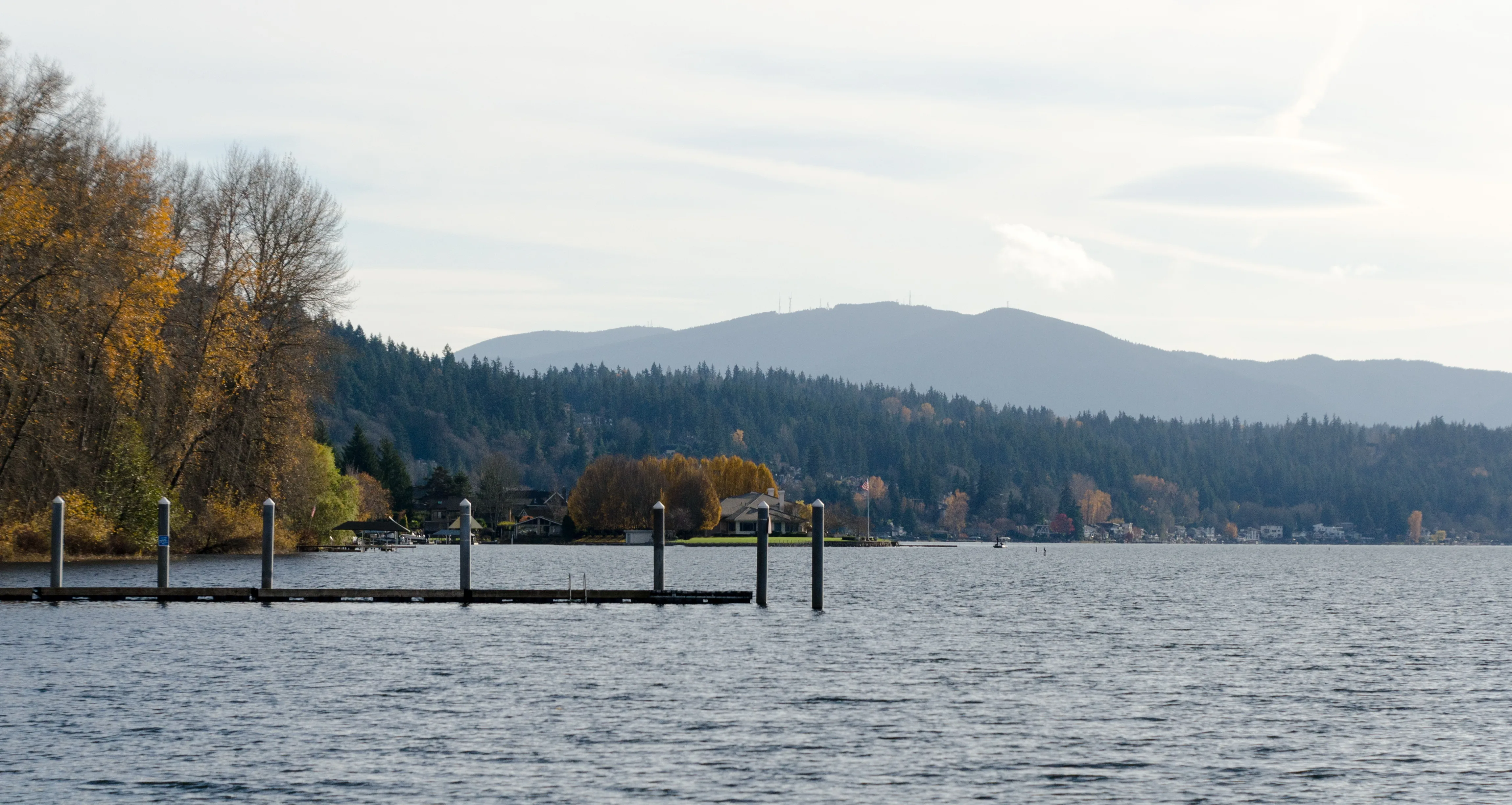
Sammamish sits on a plateau above Lake Sammamish, roughly 25 minutes east of Seattle and equidistant between Redmond and Issaquah. It incorporated as a city only in 1999, which partly explains why it still feels more like a collection of planned neighborhoods than a traditional downtown grid. The East Lake Sammamish Trail runs along the shoreline below. Soaring Eagle Regional Park anchors the forested interior. The commercial centers — primarily along 228th Avenue SE and the Issaquah-Pine Lake Road corridor — are functional and improving, but nobody moves here for the restaurant scene.
This guide is designed to tell you whether Sammamish is genuinely right for your life — not just your spreadsheet. You'll get honest neighborhood breakdowns, the real commute story, what longtime residents wish they'd known before buying, and exactly who this city serves well and who it quietly frustrates.
Sammamish earns its price tag for some buyers and baffles others. The table below cuts to the intent.
| Best For | Why |
|---|---|
| Tech commuters to Redmond/Bellevue | 25-minute Seattle commute, 15–20 minutes to Microsoft or Amazon Eastside campuses |
| Families with school-age children | Issaquah and Lake Washington school districts both rank among Washington's very best |
| Remote workers who want space | Large lots, quiet cul-de-sacs, home office culture baked into the neighborhood fabric |
| Move-up buyers from Bellevue or Kirkland | More square footage per dollar while staying in King County |
| Outdoor-oriented households | Trail access, lake access, Soaring Eagle Regional Park, Evans Creek Preserve all within the city |
| High-income professionals prioritizing safety | Violent crime rate of 1.7 per 1,000 is among the lowest in the region |
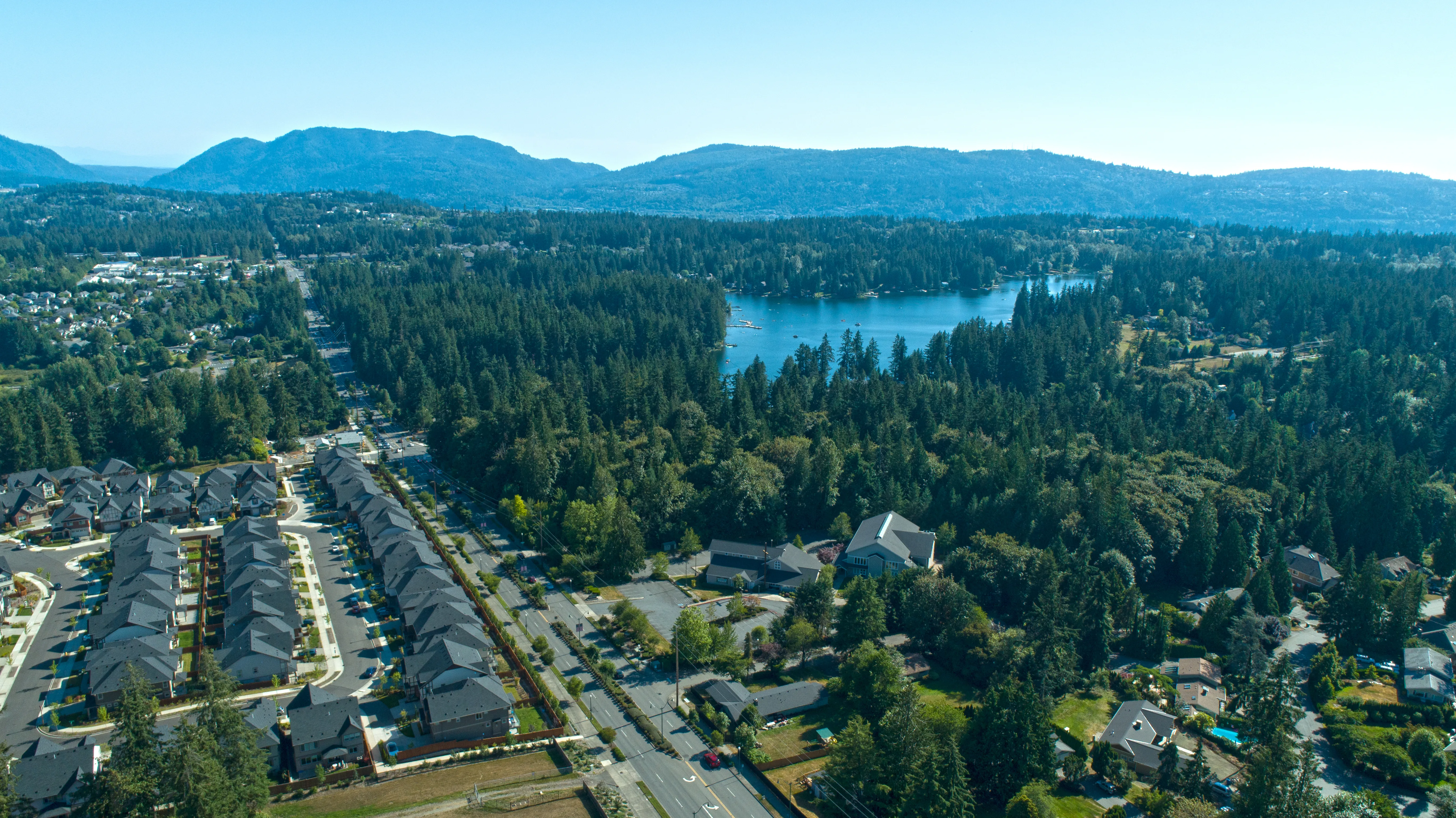
The first thing that strikes most new residents isn't the homes — it's the trees. Unlike the lower-elevation Eastside cities where development cleared the canopy decades ago, Sammamish still feels genuinely forested between the cul-de-sacs. Soaring Eagle Regional Park puts 640 acres of second-growth forest in the geographic heart of the city. Evans Creek Preserve adds another 240 acres to the northwest. Walking your dog on a Tuesday morning in September, you can forget for long stretches that a metro of four million people surrounds you.
The daily-life geography centers on a few key corridors. The 228th Avenue SE spine runs north-south through the city and connects the two commercial clusters most residents use for errands. The Issaquah-Pine Lake Road corridor serves the southern half. Neither has the restaurant density or retail polish of downtown Bellevue, but both have matured significantly in the past decade with grocery options, fitness studios, and the kind of service businesses a car-dependent suburb needs. Sammamish Landing, the emerging mixed-use town center development on SE 8th Street, is slowly adding the walkable retail core the city has lacked since incorporation.
The commute reality is more complicated than the 25-minute figure suggests. That number assumes off-peak travel on I-90 or SR-520 — it's real, but it describes maybe a third of the days you'll actually experience. During morning rush on I-90 westbound between Sammamish and Seattle, 45 to 55 minutes is more typical. The reverse commute to Redmond via Redmond-Fall City Road or 228th to SR-520 runs smoother, which is one reason the Microsoft-employee household is so common here. Eastbound SR-520 at 8:15am near Redmond is genuinely manageable in a way that westbound I-90 toward Seattle is not.
The community vibe is best described as educated, driven, and intensely family-focused. School district news travels fast in this city. Roughly 73% of the adult population is married, and approximately 62% of households include children under 18. PTA meetings here are well-attended, youth sports leagues fill quickly, and the neighborhood Facebook groups are highly active in a way that reflects genuine community investment rather than just complaint threads. What surprises most people after six months of living here is how invisible city life is — there's no downtown to drift toward on a Friday evening, so community happens inside neighborhoods, at school events, at the trailheads.
The schools are the first reason, and they're not overstated. Sammamish splits between the Issaquah School District and the Lake Washington School District — both rank among Washington's top systems, with Issaquah placing third among 247 districts statewide. Skyline High School, which sits inside Sammamish on 228th Avenue SE, offers International Baccalaureate coursework with a 43% IB participation rate. Issaquah High School, serving the city's southern sections, carries an AP participation rate of 63%. The district-reported graduation rate hovers around 96%, which aligns with what you'd expect from a city where 76% of adults hold a bachelor's degree.
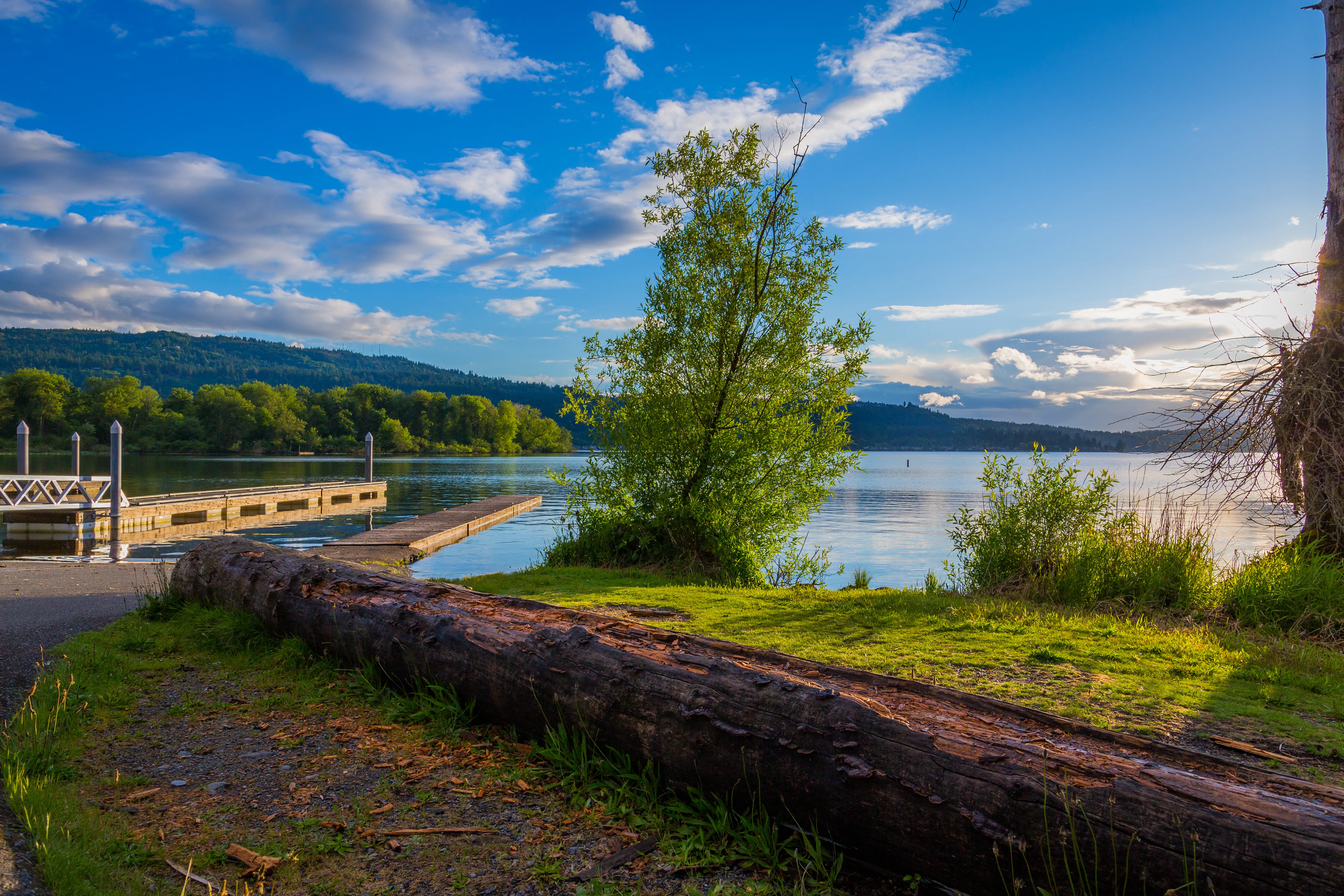
The outdoor access is legitimate, not just marketing language. The East Lake Sammamish Trail runs 11 miles along the eastern shoreline of Lake Sammamish, connecting to Issaquah at the south and the Redmond connector trail at the north. Big Rock Park off SE 56th Street drops into a wooded ravine that most newcomers don't discover for months. Beaver Lake Park combines a fishing lake with forested loop trails. Families who prioritize outdoor infrastructure — particularly those with kids who cycle or trail-run — find the network genuinely impressive for a suburban plateau.
The safety profile is a real selling point, not a platitude. With a violent crime rate of 1.7 per 1,000 residents, Sammamish sits well below regional averages and below most of its Eastside neighbors. Property crime at 9.2 per 1,000 is elevated compared to the violent crime picture, but still modest for a city of this size and economic profile. This is the kind of number that matters to families choosing between a home in Sammamish and a similarly priced property closer to a more urban core.
The income and education profile of the neighbors matters more than it sounds. Median household income in Sammamish runs approximately $239,690 — well above the state median and among the highest in King County. That income concentration funds well-maintained HOAs, well-capitalized school levies, and a neighbor pool with significant professional stability. Approximately 36% of Sammamish residents were born outside the United States, with the Asian-American community making up roughly 37% of the city's population — a diversity profile that shapes both the school environment and the restaurant scene in ways that longtime residents frequently cite as a genuine asset.
The lot sizes and construction quality in the established neighborhoods hold up in ways that older Eastside development doesn't always deliver. Trossachs and Aldarra homes from the early 2000s typically run 3,500 to 5,000 square feet on lots large enough for real yards. Sahalee's 1990s construction on elevated terrain delivers views of Lake Sammamish that no amount of remodeling can add to a flat-lot Bellevue colonial. Buyers who prioritize indoor space per dollar consistently find that $1.6 million in Sammamish delivers more house than the same number buys in Kirkland or the Bellevue Eastgate corridor.
The car dependency is real and worth naming plainly. Sammamish has no light rail, no meaningful bus network to Seattle, and no walkable downtown that reduces the need for daily driving. If you move here without two cars and a comfortable relationship with I-90, daily life will grind. The Eastside's transit expansion has improved connections in Redmond and Bellevue considerably, but the plateau remains largely insulated from those gains. Walk Score for most Sammamish neighborhoods falls in the 10–25 range — functional for exercise trails, but not for errands.
The isolation effect accumulates slowly. New residents from urban backgrounds frequently describe the first year as comfortable and the second year as occasionally lonely. Sammamish has no neighborhood bar, no real downtown gathering spot, no coffee shop district where you run into acquaintances by accident. Community life organizes around schools, neighborhood associations, and planned events. This suits many households perfectly — but people who relied on casual urban social infrastructure in their previous city discover its absence more acutely here than they expected. It's one of the more commonly cited reasons households with older children or empty-nesters eventually leave.
Why some people leave Sammamish after their kids graduate is worth naming directly. The school system draws families here, and the school system is what retains them. Once the youngest child leaves for college, a notable share of households re-evaluate the car dependency, the distance from Seattle's cultural amenities, and the cost of maintaining a 4,000-square-foot home. The plateau's isolation that felt peaceful with a full house can feel like inconvenience when it's just two adults. Several of Sammamish's neighboring cities — Kirkland in particular — offer a denser, more walkable version of the same Eastside safety and income profile.
The price appreciation story has also shifted. After years of aggressive gains, Sammamish saw median sold prices decline roughly 3.5% year-over-year in early 2026, with inventory up more than 77% from the prior year. For buyers, that's genuinely good news — negotiating room has returned to a market that had none. For owners who bought at 2022 peaks expecting continued appreciation, the recalibration has been uncomfortable. The for-sale inventory increase also means the "you have to waive everything and close in 10 days" dynamic has eased meaningfully in most sub-markets.
Klahanie is Sammamish's most accessible entry point — literally and financially. Built primarily in the 1990s, the neighborhood runs along the city's western edge near the Issaquah border and contains a genuine mix of single-family homes, townhomes, and condominiums that starts around $400,000 for attached units and climbs to $1.5 million for larger detached homes. The commercial cluster at the Klahanie Shopping Center handles most daily errands, and the trail access along the East Lake Sammamish corridor is directly accessible. The catch is that Klahanie's western position puts it closest to the SR-900 and I-90 interchange noise corridors, and the neighborhood's density is higher than the more interior plateau communities.
Best for: Buyers who need Sammamish school district access without the $1.6M+ price tag, and households who want walkable retail within the neighborhood itself.
Sahalee is the plateau's prestige address — full stop. The community wraps around Sahalee Country Club, a private golf club that has hosted U.S. Open qualifying and USGA events, and homes here trade at prices that reflect both the golf access and the elevated terrain. 1990s four-bedroom construction in Sahalee regularly lists near $3 million; homes with direct views of Lake Sammamish from the western ridge run $3.5 to $7 million. The neighborhood has a gated feel even where it isn't technically gated, with curving roads and mature landscaping that signal what the HOA dues are going toward. The downside is that Sahalee's topography and private-road orientation make it one of the more isolated neighborhoods on the plateau.
Best for: High-net-worth buyers who want golf club access, lake views, and the most prestigious address on the Eastside plateau.
Trossachs sits in Sammamish's interior and represents the high-functional sweet spot many families are actually targeting when they say they're looking in Sammamish. Homes here run primarily $1.7 to $2.5 million, built in the late 1990s through mid-2000s, with large lots, established landscaping, and the kind of quiet cul-de-sac geometry that parents with young children specifically seek out. The neighborhood feeds into well-regarded elementary schools and sits in reasonable driving distance of both the 228th corridor and Issaquah proper. What you sacrifice in Trossachs is any walkability or on-foot access to retail — this is entirely car-dependent suburban living at its most comfortable.
Best for: Families prioritizing space, safety, and school access who are comfortable with full car dependency.
Pine Lake is where Sammamish's outdoor lifestyle residents tend to cluster. The neighborhood surrounds Pine Lake itself, a 93-acre freshwater lake with a public park, swimming beach, and boat launch at its northern end. Homes range from $1.2 million for older construction on the outer streets to $2.2 million and above for renovated properties near the water, with lakefront homes pushing $3 million and beyond. The neighborhood's housing stock spans several decades — some early-1970s ranches sit alongside 2000s-era colonials — which creates more price variability than in the newer planned communities. Pine Lake Park is genuinely one of the better family parks in the region, which keeps demand for this neighborhood consistently strong.
Best for: Families who want recreational lake access and park-centered outdoor living baked into their daily geography.
Beaver Lake occupies the northeastern section of the city and offers the most dramatic price spread of any Sammamish neighborhood. Entry-level detached homes start around $1.1 million for older construction, but lakefront properties on Beaver Lake itself have sold above $4 million. Beaver Lake Park provides fishing access, forested trails, and a community feel that's less developed than Pine Lake but arguably more peaceful for it. The neighborhood tends to attract buyers who want genuine lake access without the full Sahalee price point, though lakefront lots here carry their own premium. The commute toward Redmond from this northeast corner of the plateau runs through Novelty Hill Road, which can bottle up badly during peak hours.
Best for: Buyers who want private-feeling lake access and are willing to manage a more complex commute in exchange for it.
Inglewood is one of Sammamish's oldest neighborhoods — much of it built in the late 1970s and early 1980s — which makes it unusual on a plateau where most construction dates from the 1990s or later. Homes run $1 million to $1.8 million, and some properties have access to a private beach club on Lake Sammamish, which adds recreational value that doesn't show up in the square footage. The older construction means buyers should budget for kitchen and bath updates; the lots tend to run larger than what newer HOA-managed neighborhoods allow. Inglewood's position near the 228th and SE 8th corridor puts it reasonably close to Sammamish Landing's emerging retail and the main commercial spine.
Best for: Buyers who want larger lots, older-tree canopy, and potential lake access at a relative discount to newer Sammamish construction.
Aldarra sits in the city's interior alongside the Aldarra Golf Club (a semi-private course, distinct from the fully private Sahalee), and delivers a similar residential feel to Trossachs at a broadly comparable price point. Homes run $1.7 to $2.5 million, primarily built in the late 1990s through early 2000s, with the kind of mature landscaping and established neighborhood infrastructure that newer communities are still developing. The golf club provides an amenity anchor without the full exclusivity premium of Sahalee, and the neighborhood's interior position keeps it relatively quiet on traffic. Aldarra tends to attract professional households who specifically want the golf community adjacency without paying Sahalee prices.
Best for: Golf-adjacent buyers who want established neighborhood character and slightly less isolation than Sahalee's western ridge.
Timberline occupies the central plateau and tends to attract buyers who want the Sammamish fundamentals — schools, safety, space — in a slightly lower-profile setting than the marquee neighborhoods command. Homes here sit in a range broadly consistent with the city-wide median, built across the 1990s and early 2000s, with the typical Sammamish profile of four to five bedrooms on a well-landscaped lot. What distinguishes Timberline is its proximity to Soaring Eagle Regional Park's trailhead access, which puts genuine old-growth-adjacent forest within walking distance of the neighborhood. Buyers who prioritize trail access over lake access often discover Timberline before they find the lake-adjacent neighborhoods and frequently stop looking.
Best for: Trail-oriented buyers who want the Sammamish school district and forested adjacency without the lake-premium price tag.

Sammamish holds its value exceptionally well, and where you land within the city genuinely matters for long-term equity. Neighborhoods like Sahalee and Pine Lake consistently attract strong buyer demand thanks to their established amenities, mature landscaping, and community character — homes there rarely sit more than a week or two before drawing multiple offers. Klahanie is another area worth watching closely, with its trail access and neighborhood feel driving real resale staying power. If your target budget is under $900,000, be prepared to move decisively, because well-priced homes in these pockets disappear fast.
Before you fall in love with a house during a tour, sit down with a lender first. Your actual monthly obligation in Sammamish includes not just principal and interest, but property taxes, homeowner's insurance, and potentially HOA dues — and those numbers together can shift your comfortable range significantly from whatever a quick online calculator suggested. There's also a real difference between what you're approved for and what genuinely fits your life. Getting pre-underwritten early means when the right home in Sahalee or Pine Lake surfaces, you're ready to act the same day.
| City | Best For | Home Price (Median) | Commute to Seattle | Vibe |
|---|---|---|---|---|
| Sammamish | Families, space, top schools | $1,600,000 | ~25 min off-peak | Quiet suburban plateau, no downtown |
| Bellevue | Urban amenities + suburban access | $1,400,000–$1,800,000 | ~20 min | High-rise mixed with suburb |
| Kirkland | Walkability + lakefront lifestyle | $1,200,000–$1,500,000 | ~25 min | Lively downtown, lake culture |
| Redmond | Tech campus proximity, trails | $1,100,000–$1,400,000 | ~30 min | Tech-focused, growing urban core |
| Issaquah | Mountain access, smaller-town feel | $900,000–$1,300,000 | ~30–35 min | Outdoor lifestyle, tighter community |
| Snoqualmie | Affordability, mountain setting | $750,000–$1,100,000 | ~40 min | Small-town feel, newer development |
| Metric | Data (2026) |
|---|---|
| Population | Approximately 65,700 |
| Median Household Income | $239,690 |
| Median Home Price | $1,600,000 |
| Property Tax Rate | 0.81% |
| Violent Crime Rate | 1.7 per 1,000 residents |
| Property Crime Rate | 9.2 per 1,000 residents |
| School Districts | Issaquah School District (3rd in WA) & Lake Washington School District |
| Commute to Seattle | ~25 minutes off-peak via I-90 |
| Residents with Bachelor's Degree | ~76% |
| Foreign-Born Population | ~36% |
| Median Age | 39.9 years |
The Sahalee effect on neighborhood identity. Sahalee Country Club has hosted USGA championship events, and the club's presence shapes how the surrounding residential community thinks about itself. Members and non-members alike reference Sahalee the way Eastside residents reference other prestige landmarks — it's shorthand for the upper tier of the plateau's housing hierarchy. If you're not on the golf list and not in the budget range for that western ridge, it matters mostly as context for why some homes in adjacent neighborhoods carry a modest Sahalee-adjacency premium in their listing descriptions.
The Sammamish Farmers Market runs June through October at Sammamish Landing on SE 8th Street, and it has become one of the primary community gathering rituals on the plateau. In a city with no downtown bar district and no lakefront promenade, the Saturday farmers market is where the community actually sees itself in one place — kids running between vendor tents, neighbors catching up, and the neighborhood identity that doesn't have a physical address the rest of the year briefly materializing. Long-term residents treat it as genuinely sacred summer-morning territory.
The plateau road geometry will humble you the first month. Sammamish's street network was built neighborhood by neighborhood, which means the roads between subdivisions frequently don't connect logically. What looks like a short cut on the map may dead-end at an HOA fence or a ravine. New residents commonly discover that the 0.8-mile straight-line distance between two neighborhoods translates to a 4-mile car trip on the actual road network. Learning the connectors — 228th Avenue SE, SE 4th Street, and the Issaquah-Fall City Road — before you need them during a school pickup emergency is genuinely useful.
What I Would Not Do: I would not buy on the steep western slope of the plateau facing I-90 without standing in the backyard at 7am on a weekday morning first. The freeway noise at that elevation carries differently than you'd expect from the listing photos, and several of the more aggressively priced western-facing homes carry a highway-acoustics discount that isn't always disclosed with the emphasis it deserves. The eastern neighborhoods — Beaver Lake, the Pine Lake corridor, the interior plateau — simply don't have this issue.
Local Expert Takeaway: If you're choosing between Sammamish and Kirkland at comparable price points, make the decision on your social needs, not your square footage needs — Sammamish will almost always deliver more house, but Kirkland will almost always deliver more daily-life texture. Within Sammamish, buyers who enter the market at the city-wide median of $1,600,000 should resist the pressure to buy in Sahalee-adjacent streets they can't fully afford; the interior neighborhoods — Trossachs, Timberline, Aldarra — deliver the full Sammamish school-and-safety value proposition at prices that leave budget for the renovation the 1990s construction will eventually need.
✅ Sammamish delivers genuine value for families with school-age children — the Issaquah and Lake Washington school districts are among the best-documented educational assets in Washington State, and the safety profile is among the strongest on the Eastside plateau.
⚠️ The $1,600,000 median is the floor, not the ceiling, in several neighborhoods — buyers targeting Sahalee, Pine Lake waterfront, or Beaver Lake lakefront will encounter significantly higher price points, and the 1990s construction common throughout the city often requires renovation budgeting.
📍 Sammamish's lack of walkable commercial infrastructure is its defining limitation — if your daily satisfaction depends on being able to walk to a coffee shop, restaurant, or retail district, this plateau city will frustrate you regardless of how good the schools are.
Is Sammamish a good place for families?
Sammamish consistently ranks as one of the strongest family environments in the Pacific Northwest. The combination of dual top-tier school districts, a violent crime rate of 1.7 per 1,000, and the large-lot neighborhood fabric that most families target means the city genuinely delivers on the family-focused reputation that drives its price premium.
What is the cost of housing in Sammamish?
The median sold price sits at $1,600,000 as of early 2026, though that figure spans a wide range — from condominiums in Klahanie starting around $400,000 to lakefront and golf-view properties in Sahalee and Pine Lake that exceed $4 million. Entry-level detached single-family homes in most neighborhoods start around $1.1 million for older construction.
How does Sammamish compare to Issaquah for families?
Sammamish and Issaquah share the same school district for a portion of their students, but the two cities feel considerably different. Issaquah has a functioning downtown, more mountain-adjacent outdoor access, and median home prices that run roughly $300,000 to $500,000 below Sammamish. Sammamish offers more space per dollar within the plateau, quieter residential streets, and a slightly higher-income neighbor profile. The choice typically comes down to whether a walkable downtown core matters enough to justify smaller lots and older commercial infrastructure.
Explore the full Sammamish series: Living in Sammamish · Is Sammamish Safe? · Cost of Living · Best Neighborhoods · Schools & Family Life · Youth Sports · Parks & Rec · Retiring in Sammamish