
Puget Sound · Washington
Is Seattle Safe? Crime Rates, Safest Neighborhoods & Local Reality (2026)
Seattle's safety story is more complicated than either side wants to admit. The city has genuine crime challenges — property crime in particular runs well above national averages — but the narrative that Seattle is uniformly dangerous gets something important wrong: crime here is extraordinarily concentrated. A City Auditor study found that four to five percent of street segments account for roughly half of all reported crime incidents over a 14-year span. That means the neighborhood you choose matters far more than the citywide headline number.
What the numbers mean in daily practice depends heavily on where you live and what part of the day you're moving through the city. The violent crime rate runs approximately 7.75 per 1,000 residents, and property crime sits around 50 per 1,000 — both well above national benchmarks. But 2025 brought the most significant across-the-board decline in years: homicides dropped 36% to their lowest level since before the pandemic, stolen vehicles fell 24%, and overall crime was down 18% from 2024. The direction matters as much as the snapshot.
This guide breaks down where those numbers are actually coming from, which neighborhoods consistently outperform the city average, which corridors deserve honest caution, and what locals do differently than the safety apps suggest. Whether you're buying in Magnolia or evaluating a Capitol Hill condo, the picture here is specific enough to actually inform a decision.
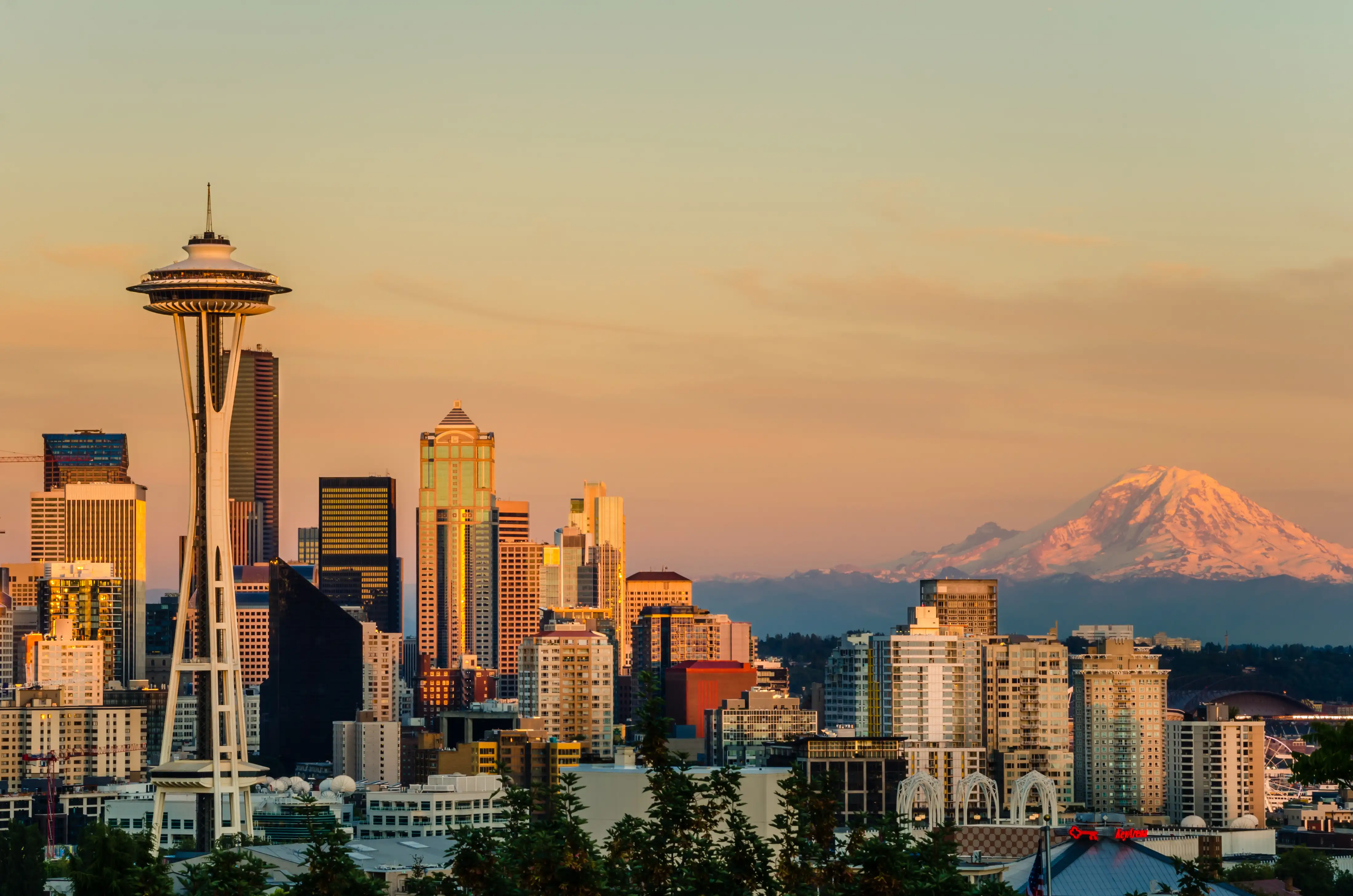
Seattle's crime figures look alarming in national context — and to be honest, some of the concern is warranted. Local police data suggests total daily crime in Seattle runs more than twice the Washington state average and nearly three times the national average. The city ranks near the bottom nationally for overall safety, sitting in roughly the 8th percentile — meaning only about 8% of U.S. cities are statistically less safe. Property crime is the dominant driver of that ranking, not violent crime, which matters when you're assessing practical daily risk.
The property crime rate of approximately 50 per 1,000 residents is what consistently pulls Seattle's overall score down. Vehicle break-ins, retail theft, and car theft are the most frequently reported offenses, and they cluster heavily around transit nodes, commercial corridors, and areas with high foot traffic. The good news embedded in the 2025 data is real: stolen vehicle incidents dropped by 1,821 cases in a single year, burglaries fell 18%, and aggravated assaults declined by 8%. The police department's homicide clearance rate hit 86%, well above the national average of 61%.
Structurally, Seattle's numbers are shaped by factors that don't evenly distribute risk. High commercial density downtown, a large unhoused population concentrated in specific corridors, and years of police understaffing all contributed to elevated counts through 2022 and 2023. The department was operating with fewer than 1,000 deployable officers as recently as early 2024 — a historic low. By late 2025, that figure had climbed to over 1,100 sworn officers after a record hiring year, with a target of full staffing by 2027. Whether that trajectory holds will shape how quickly the improvement in recent data translates into sustained change.
Locally reported violent crime runs approximately 7.75 per 1,000 residents citywide, which is about 2.4 times the Washington state average. In practice, the risk is not uniform: the chance of violent crime victimization in safer outer neighborhoods falls as low as 1 in 568 in parts of Queen Anne, while central and high-activity corridors see rates several times higher. For most residents in established neighborhoods outside the downtown core, violent crime is not a frequent daily concern — but situational awareness after dark near transit hubs and entertainment districts remains genuinely relevant.
Property crime is where Seattle's challenge is most tangible. Vehicle break-ins and theft from cars account for a substantial share of incidents, and they're concentrated near parking garages, trailheads, and areas adjacent to commercial strips. Belltown records a property crime rate around 76 per 1,000 residents — among the highest in the city — driven by its dense nightlife environment and proximity to tourist activity. Across Seattle, residents consistently report the same precautions: never leave anything visible in a parked car, use street-lit parking when available, and treat car windows as a thin barrier rather than a locked vault.
Magnolia is consistently ranked among Seattle's safest neighborhoods by multiple tracking sources, with a violent crime rate commonly reported around 2.3 per 1,000 residents — roughly a third of the citywide figure. The neighborhood's geographic separation, accessed by just three main bridges from the rest of the city, creates a natural buffer that limits through-traffic and the commercial density that tends to correlate with elevated property crime. Families and retirees who want Seattle's amenities without the noise of central neighborhoods find that the tradeoff here is primarily commute time, not safety concern.
Queen Anne's safety profile is strongest on the west side, where violent crime victimization probability falls as low as 1 in 568 — a figure that stands out even against Seattle's better-performing neighborhoods. The east side and Lower Queen Anne, closer to Seattle Center and the entertainment corridor, see higher activity, particularly around weekend events at Climate Pledge Arena. Buyers who understand that distinction — and who target the residential western streets — often find one of the most walkable and safe combinations in the city.
Ballard's violent crime rate runs approximately 2.7 per 1,000 residents, which sits well below the city average, though the neighborhood's commercial core along Ballard Avenue sees property crime activity consistent with any dense retail corridor. The residential streets north of Market Street, particularly in Loyal Heights — technically adjacent to Ballard and served by Ballard High School — report crime rates roughly 60% lower than the Seattle citywide average. The risk pattern here is predictable: car break-ins near restaurant clusters and the Locks, with genuine quiet on the residential grid.
Capitol Hill presents one of the sharpest within-neighborhood contrasts in Seattle. The neighborhood records the highest crime volume in the city overall, with nightlife-dense blocks experiencing elevated theft, vandalism, and after-dark assault incidents. Its Walk Score of 93 means residents genuinely don't need a car, which reduces vehicle break-in exposure — but that same walkability concentrates foot traffic in ways that drive theft and occasional confrontation near Broadway and Pike/Pine. Buyers here are trading a lower baseline safety profile for cultural density, transit access, and appreciation potential that consistently outperforms quieter neighborhoods.
Belltown's numbers are the hardest to contextualize fairly. The property crime rate near 76 per 1,000 residents — roughly 480% above the national average — is real, but it's substantially inflated by the ratio of visitors and commuters to actual residents. The neighborhood's concentration of nightlife, tourism, and proximity to Pike Place Market means that most crime occurs in commercial contexts rather than in residential buildings. That said, street-level drug activity and mental health emergencies in Belltown's lower blocks are daily realities, and buyers considering condos here should walk the specific streets at night before signing anything.
Ravenna consistently appears on Seattle's safest neighborhood lists and offers a quieter alternative to the denser north Seattle corridors. Limited commercial activity keeps street traffic low, the housing stock is predominantly owner-occupied single-family homes, and proximity to Ravenna Park adds a neighborhood anchor that draws engaged, long-term residents. Buyers priced out of Laurelhurst or Magnolia frequently land in Ravenna and find the safety and community feel closely comparable at a lower entry price.
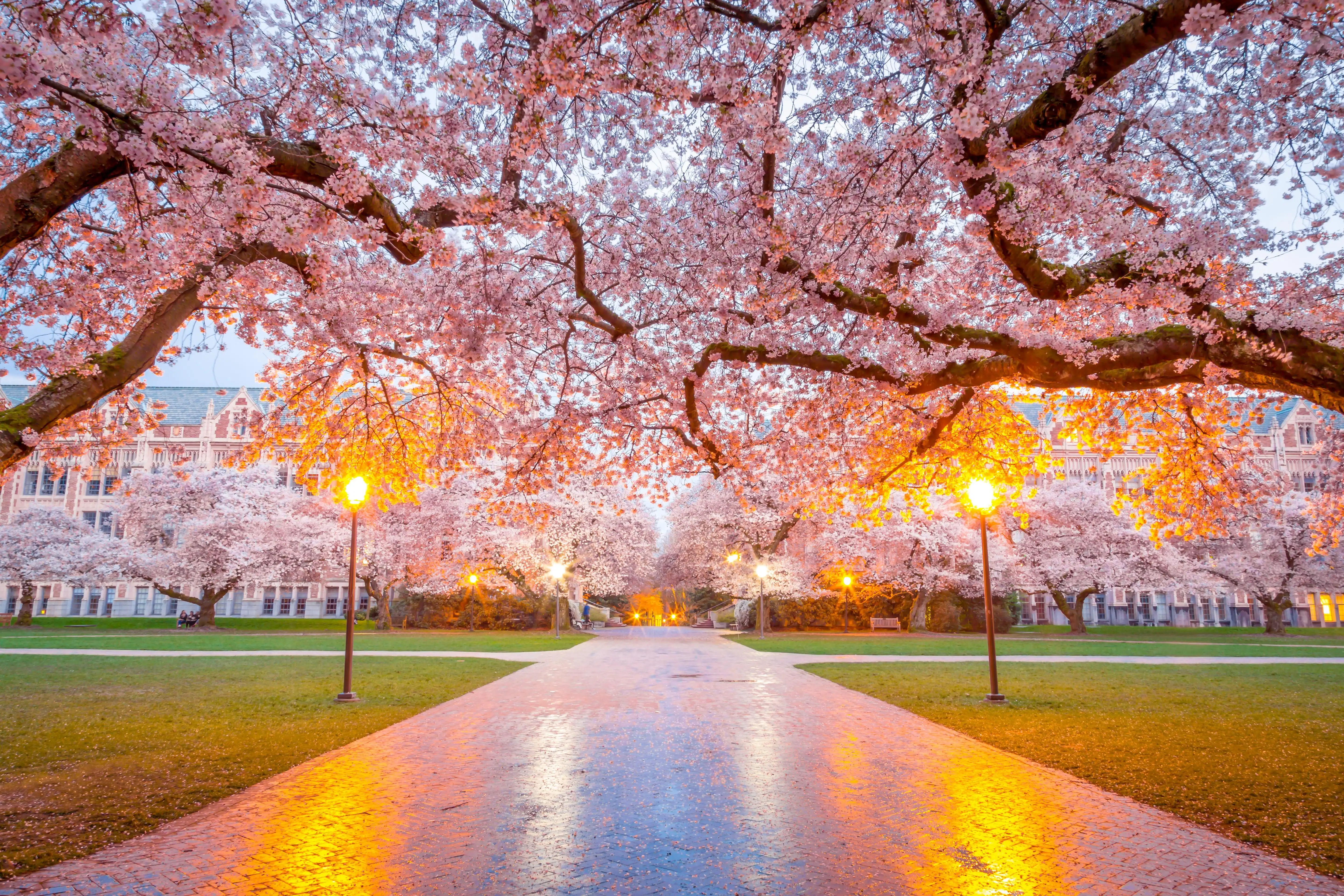
| City | Violent Crime/1K | Property Crime/1K | Overall Safety Profile |
|---|---|---|---|
| Seattle | ~7.75 | ~50.08 | Below national average; improving 2025 trend |
| Bellevue | ~1.8 | ~20.5 | Among safest large WA cities |
| Kirkland | ~1.9 | ~19.8 | Consistently low across categories |
| Redmond | ~1.4 | ~17.2 | One of the lowest rates in the region |
| Renton | ~5.2 | ~38.4 | Elevated but below Seattle |
| Everett | ~6.1 | ~44.6 | Closer to Seattle range |
| Tacoma | ~8.3 | ~52.1 | Comparable to or slightly above Seattle |

When buyers ask me about Seattle, the conversation almost always circles back to neighborhood choice — and that directly shapes long-term value. Areas like Queen Anne, Wallingford, and Green Lake consistently draw strong buyer demand because of their reputation for safety, walkability, and community stability. That perceived security isn't just a lifestyle factor; it influences resale strength and how long homes sit on the market. In those neighborhoods, well-priced homes under $750,000 move quickly — sometimes within days — so hesitation can be costly.
Before you start touring homes in Seattle, please talk to a lender first. A lot of buyers focus on the purchase price and forget that your real monthly obligation includes property taxes, homeowner's insurance, possible HOA dues, and the loan structure itself. That full number can look quite different from what a simple online calculator shows. I always encourage people to find a payment that feels genuinely comfortable, not just one that gets approved. When the right home in Wallingford or Queen Anne appears, you want to move confidently — not scramble to figure out if you can actually afford it.
The apps that assign a single safety score to a neighborhood are working against you in Seattle. The International District around 12th and Jackson has seen concentrated violent incidents that don't reflect the quieter residential blocks two streets away. Pioneer Square on a Wednesday afternoon is a different environment from Pioneer Square at 1 a.m. on a Saturday. What locals understand that newcomers often don't is that the time-of-day layer matters as much as the geographic layer — and that car break-in risk in particular is almost entirely a function of whether anything is visible inside the vehicle, not which neighborhood you're parked in.
The practical precautions Seattle residents adopt are simple and largely become habit within a few months. Nothing visible in parked cars — not bags, not change, not a phone charger. Street awareness near the downtown transit tunnel exits after 9 p.m. Choosing parking structures over street parking near Belltown and Capitol Hill for evening events. These are the behaviors locals treat as routine, not as signals of a city under siege. The 2025 improvement in crime data is genuine, and the rebuilding of the police department from a historic staffing low is a structural change worth watching — but property crime in particular will take more than a single strong year to bring Seattle into line with its Eastside neighbors.
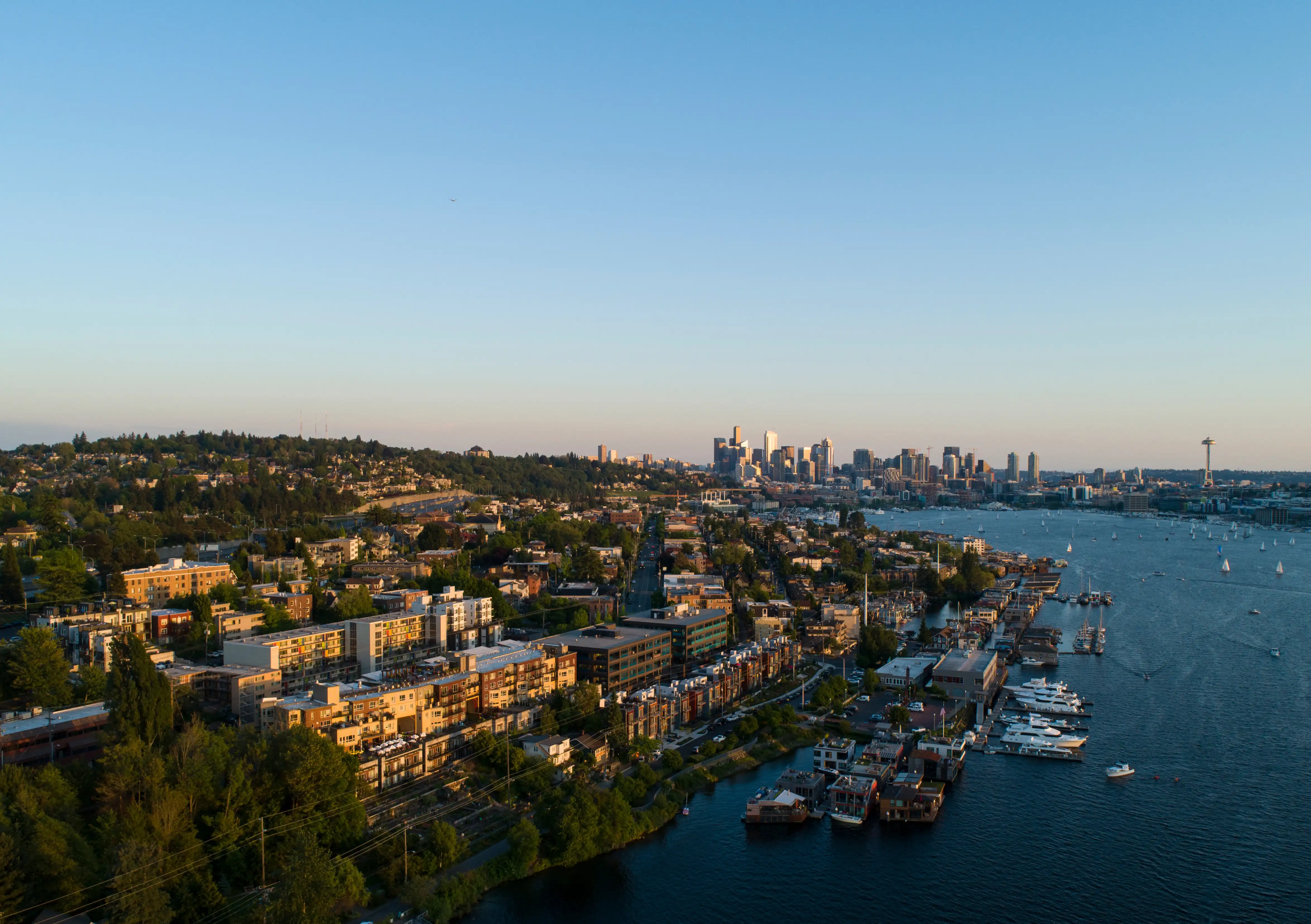
Local Expert Takeaway: Buyers fixated on the citywide crime number are making decisions based on the wrong unit of analysis. Focus on the street-level reality in your specific target neighborhood — Magnolia, Ravenna, and the residential west side of Queen Anne are operating in genuinely different safety environments than Belltown or the International District. If you're evaluating a Capitol Hill or South Lake Union condo, walk the surrounding four blocks between 10 p.m. and midnight before you make an offer. That walk will tell you more than any crime index.
✅ Seattle's crime is highly concentrated — four to five percent of street segments account for roughly half of all reported incidents, meaning neighborhood selection dramatically changes your personal risk profile.
⚠️ Property crime remains the city's most persistent challenge — vehicle break-ins and theft cluster around commercial corridors, transit hubs, and tourist areas citywide, regardless of neighborhood safety ratings.
📍 2025 brought the sharpest crime decline in years — homicides hit their lowest level since before the pandemic, stolen vehicles fell 24%, and the police department reached its highest staffing level since 2016.
Is Seattle a safe city to live in?
Seattle's safety depends significantly on which part of the city you're in. Neighborhoods like Magnolia, Ravenna, and the west side of Queen Anne report crime rates well below the city average, while areas like Belltown, the International District, and parts of Capitol Hill run substantially higher. The city is trending in the right direction after a difficult 2022–2024 period, with 2025 showing the most significant across-the-board improvement in years.
What are the safest neighborhoods in Seattle?
Consistently ranked among the safest are Magnolia, Ravenna, Loyal Heights, Queen Anne's west side, Green Lake, Madrona, and Laurelhurst. These neighborhoods share common traits: lower commercial density, high homeownership rates, and limited through-traffic. Families and buyers prioritizing daily safety typically concentrate their searches in these areas, often accepting longer commutes or higher price points as the compromise.
How does Seattle's crime rate compare to other cities in Washington?
Seattle's violent crime rate of approximately 7.75 per 1,000 residents and property crime rate around 50 per 1,000 run significantly above the Washington state average. Neighboring Eastside cities like Redmond, Kirkland, and Bellevue operate at roughly one-quarter to one-third of Seattle's crime rates across most categories. Tacoma and Everett are closer to Seattle's range, making the Eastside suburbs the sharpest contrast for buyers weighing proximity to Seattle employers against a lower crime environment.
Explore the full Seattle series: Living in Seattle · Is Seattle Safe? · Cost of Living · Best Neighborhoods · Schools & Family Life · Youth Sports · Parks & Rec · Retiring in Seattle