
Eastern Washington · Washington
Cost of Living in Wenatchee: Housing, Taxes, Utilities & Lifestyle (2026)
The number that surprises most people researching Wenatchee isn't the median home price — it's the overall cost index. Wenatchee runs roughly 18–19% more expensive than the national average, which catches buyers fleeing Seattle prices completely off guard. They come expecting a rural bargain and find a genuinely competitive market with a 72 out of 100 Redfin Compete Score and only about 106 homes available across the valley at any given time.
What shapes that cost picture is a combination of geography, demand, and limited supply. The Cascades create a natural ceiling on developable land. Seattle buyers — the single largest inbound migration group — have been bidding up prices consistently, and the 20.3% year-over-year jump in median sold price through early 2026 reflects exactly that pressure. Wenatchee is no longer an afterthought on the Eastern Washington map; it's a destination with a price tag to match.
This guide breaks down what you'll actually spend here — buying, renting, taxing, and living. Whether you're comparing Wenatchee to Leavenworth, deciding between renting and buying, or building a realistic monthly budget before you make an offer, these are the numbers you need.
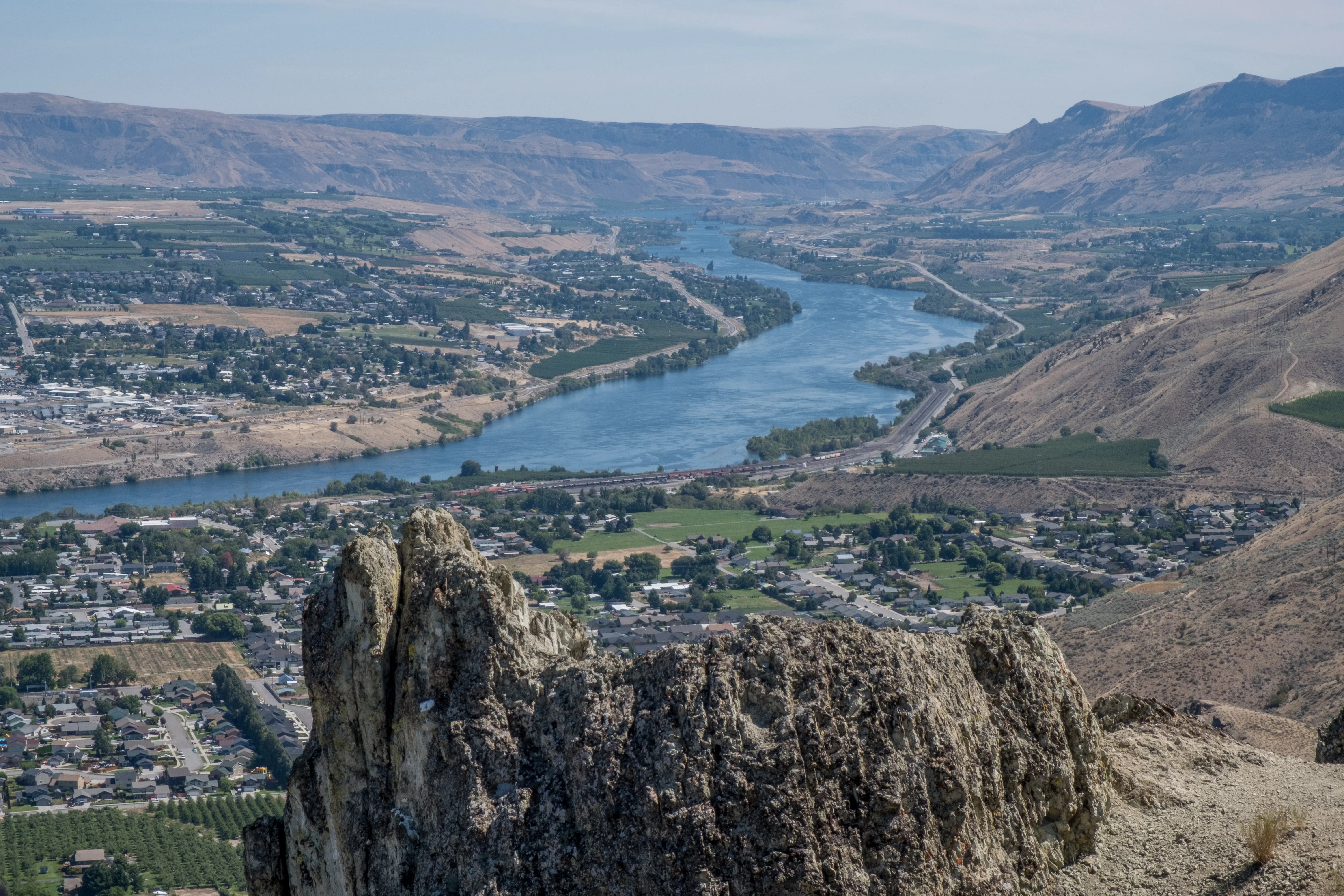
As of March 2026, the median sold price in Wenatchee sits at $528,000 — up 20.3% year-over-year and approximately 6% above the national median. At $272 per square foot, that $528K typically buys a 3-bedroom home with a modest yard in an established neighborhood, or a newer 2-bedroom closer to the river corridor. Active listings in June 2026 are running closer to $582,000, which signals continued upward pressure on what buyers will encounter at open houses.
The market moves at two speeds. Hot homes — well-priced, updated, in Sunnyslope or Central Wenatchee — go pending in roughly 9 days and sell near list price. The broader inventory averages about 79 days on market, with the typical home closing around 4% below list. That gap matters for buyers who know how to negotiate, but it shouldn't create false confidence — low inventory means well-positioned sellers still hold leverage in most price brackets.
The home value-to-income ratio here runs at 7.1x, meaning the median home costs about seven times what the median household earns annually. That's not unusual for Western Washington, but it's a number worth sitting with before assuming Eastern Washington is automatically affordable. Entry-level homes — older construction, smaller lots, South Wenatchee location — start in the $320,000 to $395,000 range. From there, prices scale quickly.
| Budget Range | What It Typically Buys |
|---|---|
| Under $400K | Older 2–3 BR in South Wenatchee or downtown core; some fixer opportunity |
| $400K–$530K | Established 3 BR with yard in Central Wenatchee or Olds Station; city median range |
| $530K–$700K | Updated 3–4 BR, larger lots, Wenatchee Heights or East Wenatchee Bench |
| $700K–$930K+ | Premium view homes in Sunnyslope; newer construction; acreage possible |
Wenatchee's effective property tax rate lands at approximately 0.85% — below Washington state's median of 0.92% and meaningfully below the national median of 1.02%. On a $528,000 home, that translates to roughly $4,488 per year, or about $374 per month added to your housing cost. Washington's levy limit system caps annual property tax increases at 1% for existing property owners, which provides real predictability over time. Homeowners aged 61 and older may qualify for the state's senior exemption program, which can significantly reduce assessed value for tax purposes depending on income thresholds.
Wenatchee's rental market runs slightly below the national average — a meaningful contrast to its for-sale market. Average rents across all unit types run in the range of $1,518 to $1,745 per month depending on the source and timing, putting a typical 2-bedroom apartment somewhere between $1,510 and $1,906 per month.
| Unit Type | Avg. Monthly Rent |
|---|---|
| Studio | $1,040–$1,490 |
| 1-Bedroom | $1,150–$1,585 |
| 2-Bedroom | $1,510–$1,900 |
| 3-Bedroom (apartment) | $1,750–$2,600 |
| 3-Bedroom (house) | $2,100–$2,600 |
| 4-Bedroom+ | $3,180–$3,500 |
Utility costs in Wenatchee run notably below national norms — roughly 16% less than the national average — and that's a genuine financial relief given the housing costs. The Chelan County Public Utility District (PUD) provides electricity at some of the lowest residential rates in the state, backed by Columbia River hydropower. Residents typically pay in the range of $75–$120 per month for electricity depending on home size and season, with summer cooling costs pushing the higher end. Natural gas service is available in most areas through Cascade Natural Gas.
Wenatchee is a car-dependent city. The transit system, Link Transit, covers the valley reasonably well for a city of this size, but most residents drive for groceries, work, and errands. The good news is that transportation costs — despite running about 30% above the national average — are driven primarily by the distance factor, not urban congestion. Fuel and vehicle maintenance are your main variables. Link Transit does connect Wenatchee to East Wenatchee and surrounding areas, which is useful for downtown commuters, but it won't replace a second car in a two-adult household.
Groceries in Wenatchee cost roughly 6.5% more than the national average. The Costco on North Wenatchee Avenue handles bulk shopping for a large portion of the valley, and Safeway and Fred Meyer serve most residential areas. Pybus Public Market offers local produce, meats, and specialty items in a fantastic riverside setting, though it functions more as a weekend destination than a weekly grocery run. Dining out runs moderate by Pacific Northwest standards — expect $15–$20 per person at a casual sit-down, and $35–$55 at the better local spots.

The valley's cost landscape varies significantly depending on how far you're willing to drive for a lower price tag — or how much premium you'd pay for Leavenworth's charm.
| City | Median Home Price | Property Tax Rate | Cost vs. Wenatchee | Notes |
|---|---|---|---|---|
| Wenatchee | $528,000 | ~0.85% | — | Regional hub, most services |
| East Wenatchee | $445,000 | ~0.85% | ~16% less | Douglas County, quick bridge access |
| Cashmere | $480,000 | ~0.89% | ~9% less | Small-town feel, 20 min west |
| Leavenworth | $700,000–$1M+ | ~0.90% | 30–90%+ more | Tourism premium, Bavarian village |
| Chelan | $700,000–$1M+ | ~0.92% | 30–90%+ more | Lake-driven prices, summer market |
| Monitor | $450,000–$520,000 | ~0.85% | Comparable | Rural lots, longer commute |
| Malaga | $440,000–$510,000 | ~0.85% | Slight discount | Wine country feel, smaller inventory |

When it comes to long-term value in Wenatchee, location within the city genuinely matters. Homes in Wenatchee Heights tend to hold strong appeal for buyers drawn to views and established neighborhoods, while Downtown Wenatchee continues to attract people who want walkability and proximity to the riverfront. Sunnyslope has also seen consistent buyer interest, particularly among those looking for more space at a relatively accessible price point. Across all three areas, well-priced homes under $750,000 that show well aren't sitting long — in some cases, we're talking days, not weeks.
That's exactly why I'd encourage anyone serious about buying in Wenatchee to talk with a lender before they start touring homes. Your pre-approval number and your comfortable budget are often two very different things, and the gap between them usually comes down to the full monthly payment picture — property taxes, homeowner's insurance, any HOA dues, and how your loan is structured all stack on top of principal and interest. Knowing your real number ahead of time means you're not scrambling when the right home appears, and in a market that moves this quickly, being ready matters.
This table reflects costs for a household purchasing the median $528,000 home with 10% down at current rates, based on verified local data.
| Expense Category | Monthly Cost |
|---|---|
| Mortgage (P&I, 10% down) | $2,890 |
| Property Taxes (~0.85%) | $374 |
| Homeowner's Insurance | $120–$150 |
| HOA (if applicable) | $0–$200 |
| Electricity (PUD) | $85–$120 |
| Natural Gas / Heating | $50–$100 |
| Internet | $60–$90 |
| Water / Sewer / Garbage | $80–$120 |
| Groceries (family of 3–4) | $700–$950 |
| Transportation (2 vehicles) | $600–$900 |
| Dining & Entertainment | $300–$500 |
| Childcare / School Activities | $0–$1,200 |
| Total (estimated range) | $5,259–$7,604 |
Washington has no state income tax — and for buyers relocating from California, Oregon, or other high-income-tax states, that single fact can offset a significant portion of Wenatchee's higher-than-average cost of living. A household earning $100,000 saves roughly $5,000–$9,000 per year compared to Oregon's income tax structure, depending on deductions. Washington funds state operations through the sales tax instead, which runs 8.5% in Chelan County — applied to most goods but not to groceries or prescription medications.
The capital gains tax passed in Washington (applying to gains above $250,000 on certain assets) does not affect primary home sales under federal exclusion rules for most residential buyers. Property transfer taxes are limited compared to many states. For retirees specifically, Washington offers a senior property tax deferral program for homeowners 60 and older who meet income requirements — the state pays the taxes and places a lien on the property, recoverable at sale. That program can be a significant factor for fixed-income households managing a $4,000–$5,000 annual property tax bill.
The overall state tax environment is genuinely favorable for W-2 earners and retirees with pension income. The catch is that lower-income households pay a disproportionate share through sales and excise taxes — Washington's tax structure is regressive by design, and buyers coming from states with progressive income tax systems often find the headline "no income tax" obscures what they'll actually pay.
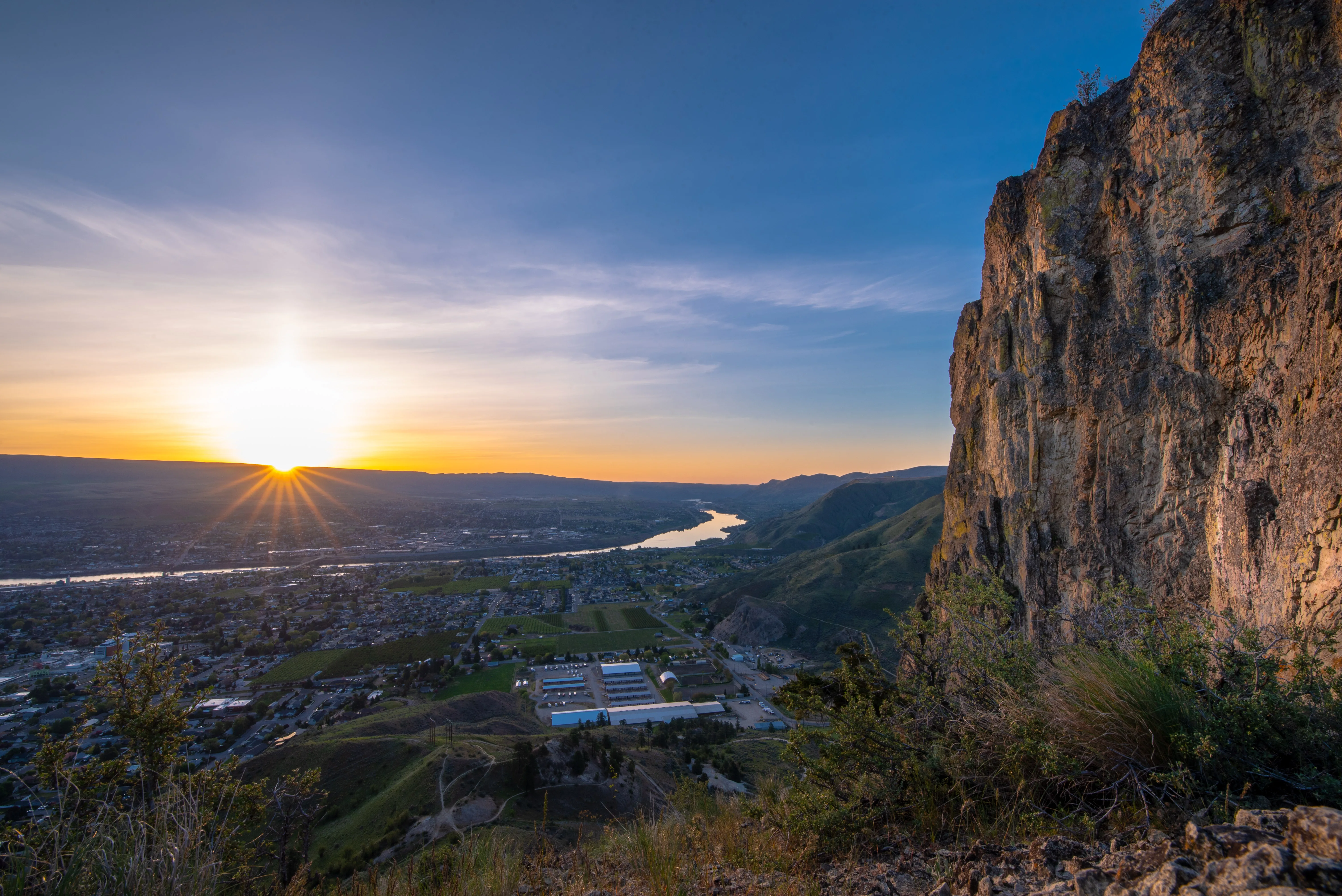
Local Expert Takeaway: The buyers who struggle most in Wenatchee are those who anchor to the $528,000 median without understanding that the active list price median is already running closer to $582,000 in mid-2026. Budget for what's on the market now, not what sold six months ago. If you want the best value per dollar, the East Wenatchee side of the river is underappreciated — you gain Douglas County's slightly lower median and the same access to every Wenatchee employer and amenity, with a two-minute bridge crossing.
Looking to buy in Wenatchee? Estimate your payment.
Enter your numbers to see an estimated monthly mortgage payment.
Estimate only. Excludes HOA fees and mortgage insurance.
Is Wenatchee affordable compared to other Washington cities?
Wenatchee runs about 18–19% above the national cost of living average, which surprises buyers expecting a rural bargain. However, compared to Seattle, overall living costs are estimated 35–45% lower — particularly in housing and utilities. Within Washington, Wenatchee ranks roughly in the middle of the affordability spectrum, significantly more affordable than the Puget Sound region but more expensive than most of Eastern Washington's smaller cities.
What are property taxes like in Wenatchee?
Wenatchee's effective property tax rate runs approximately 0.85%, which is below both the Washington state median and the national median. On the $528,000 median sold price, that works out to roughly $4,488 per year. Washington's levy limit system caps annual increases at 1% for existing owners, and homeowners 61 and older may qualify for senior exemption programs that can substantially reduce the tax burden.
How does Wenatchee's rental market compare to buying?
Wenatchee's rental market runs slightly below the national average — a rare advantage in a city where buying costs exceed the national norm. A 2-bedroom apartment typically rents in the $1,510–$1,900 range per month, which pencils out better than a mortgage for households not ready to commit to the valley long-term or without a down payment. That said, with only about 106 homes listed across the valley at any given time and active prices trending upward, buyers with a 12–18 month horizon tend to move quickly rather than waiting for better conditions that may not materialize.
Explore the full Wenatchee series: Living in Wenatchee · Is Wenatchee Safe? · Cost of Living · Best Neighborhoods · Schools & Family Life · Youth Sports · Parks & Rec · Retiring in Wenatchee