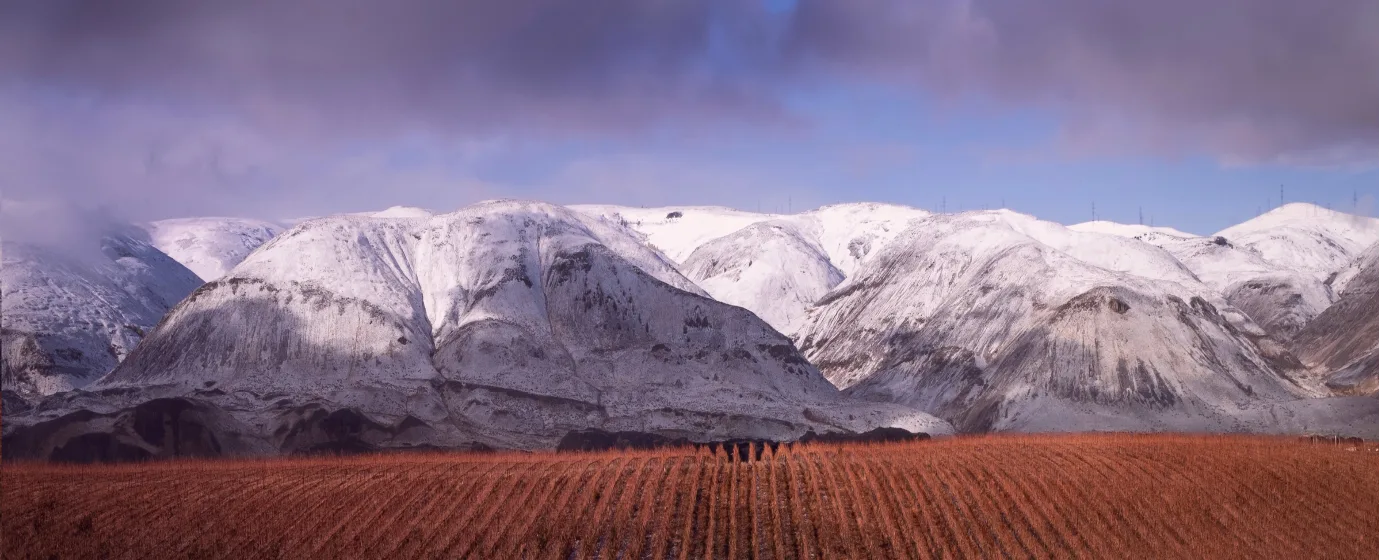
Eastern Washington · Washington
Living in Wenatchee: The Ultimate Relocation Guide (2026)
Maybe your company just went fully remote and you're finally free to leave the Seattle metro. Maybe someone at a dinner party told you that Eastern Washington has 200 sunny days a year and you looked up home prices and did a double-take. Maybe you've been watching the Cascades from the wet side for years, thinking there had to be a version of Washington that costs less and offers more sky. Wenatchee is the city those conversations eventually lead to — and the reality is more complex than the Instagram highlight reel suggests. The central tension here is geographic: this is an outdoor recreation paradise with a genuine small-city downtown, but it sits 152 minutes from Seattle over a mountain pass that closes without warning, and it carries real cost-of-living numbers that catch transplants off guard.
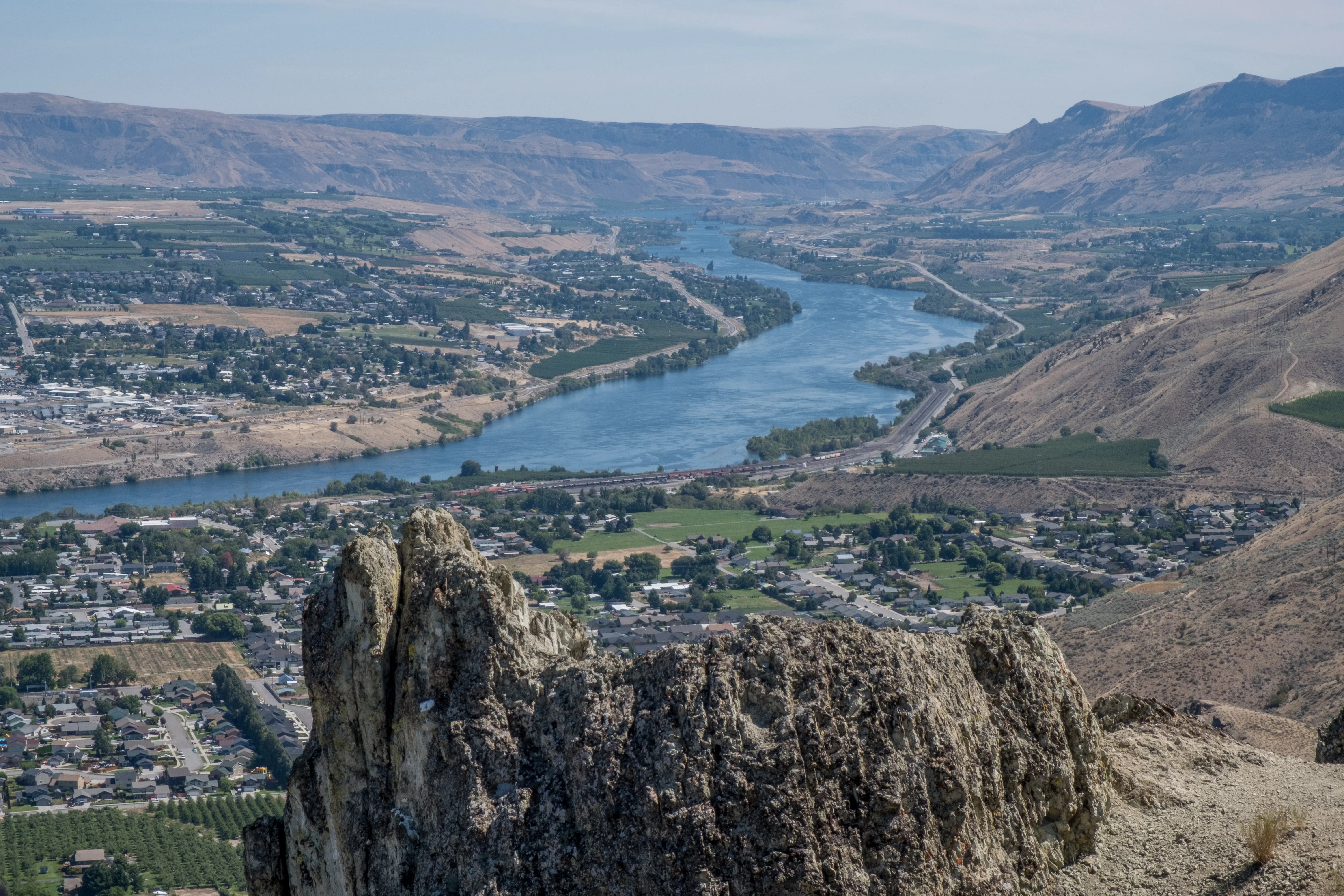
Wenatchee occupies a specific and unusual slice of the Pacific Northwest. Situated at the confluence of the Columbia and Wenatchee rivers, tucked just east of the Cascades in Chelan County, it functions as the commercial and cultural hub for a broader region that includes orchard country, ski terrain, and high desert canyon scenery. The climate here is semi-arid — roughly 10 inches of rain per year — which means the sun is out when everyone on the west side is gray. Summers run hot and dry, winters bring genuine cold and snow, and the wildfire smoke that now arrives every August is a reality that anyone moving here needs to factor into their quality-of-life math.
This guide is built for people making a serious decision. It covers who Wenatchee genuinely works for, what daily life looks like in each major neighborhood, what the housing market actually demands, and — just as importantly — who should probably keep looking. Whether you're weighing a move from Seattle, considering retirement east of the Cascades, or trying to understand which side of town makes sense for your commute, everything you need is below.
Before you fall in love with the scenery, it helps to run a quick filter. Wenatchee suits some buyers exceptionally well and leaves others frustrated within a year.
| Best For | Why |
|---|---|
| Outdoor recreation families | Apple Capital Loop Trail, river access, ski resorts within an hour, mountain biking nearby — the outdoor infrastructure is exceptional |
| Remote workers leaving the Seattle metro | Lower home prices than the west side, 200+ sunny days, a real downtown — but the 152-minute Hwy 2 drive to Seattle requires planning |
| Retirees seeking dry-climate living | Walkable riverfront, strong medical infrastructure through Confluence Health, lower utility costs, manageable city size |
| First-time buyers priced out of Western WA | Entry-level inventory exists, particularly in South Wenatchee and Olds Station; median sold price around $528,000 undercuts most west-side markets |
| Healthcare & agriculture professionals | Confluence Health and Stemilt Growers are major regional employers; the job market here runs on those two sectors plus utilities and education |
| Lifestyle-first buyers | Pybus Public Market, live music, a functioning arts scene, and four distinct seasons — Wenatchee has more cultural texture than most cities its size |
The first thing that hits transplants from the west side is the light. Not just sunlight volume — though 200 sunny days is a real number — but the quality of it: sharp, high-desert bright, bouncing off the Columbia and illuminating the canyon walls in a way that doesn't feel like Washington at all. The city itself is compact at under eight square miles, which means most errands, most restaurants, and most of what constitutes daily life are within a 10-minute drive of wherever you land.
The downtown core along Wenatchee Avenue and the riverfront is the city's connective tissue. Pybus Public Market — the second-largest public market in Washington — anchors the food and social scene with year-round tenants and a farmers market that runs May through October. Town Toyota Center draws regional events with its 4,000-seat capacity. The Numerica Performing Arts Center at the Stanley Civic Center hosts the Wenatchee Valley Symphony Orchestra and a steady calendar of traveling productions. This is not a city that requires you to drive to Spokane or Seattle every time you want a cultural experience.
The commute reality deserves its own paragraph. If your job is physically in Seattle, Wenatchee is a hard sell — 152 minutes over Stevens Pass on Highway 2, which closes for avalanche control in winter and backs up badly on ski weekends and summer Friday afternoons. The one-way trip becomes a genuine logistical challenge rather than a manageable inconvenience. Remote workers and those whose professional orbits center on the Wenatchee Valley itself will find the local commute picture looks completely different: residents average roughly 17 minutes getting to work each day, which is among the shorter averages in the state.
What surprises most people after six months of living here is how quickly the outdoor lifestyle stops feeling like a weekend bonus and starts structuring the week. The Apple Capital Loop Trail — a paved 10-mile loop connecting Wenatchee and East Wenatchee along the Columbia — becomes a Tuesday evening habit. The drive to Mission Ridge ski area takes about 25 minutes. When smoke descends in August, it's genuinely disruptive: outdoor events get cancelled, the air quality index climbs into unhealthy ranges, and longtime residents keep N95 masks within reach. That's not a rumor about the future — it's a current reality of high-desert Cascade foothills living that deserves honest weight.
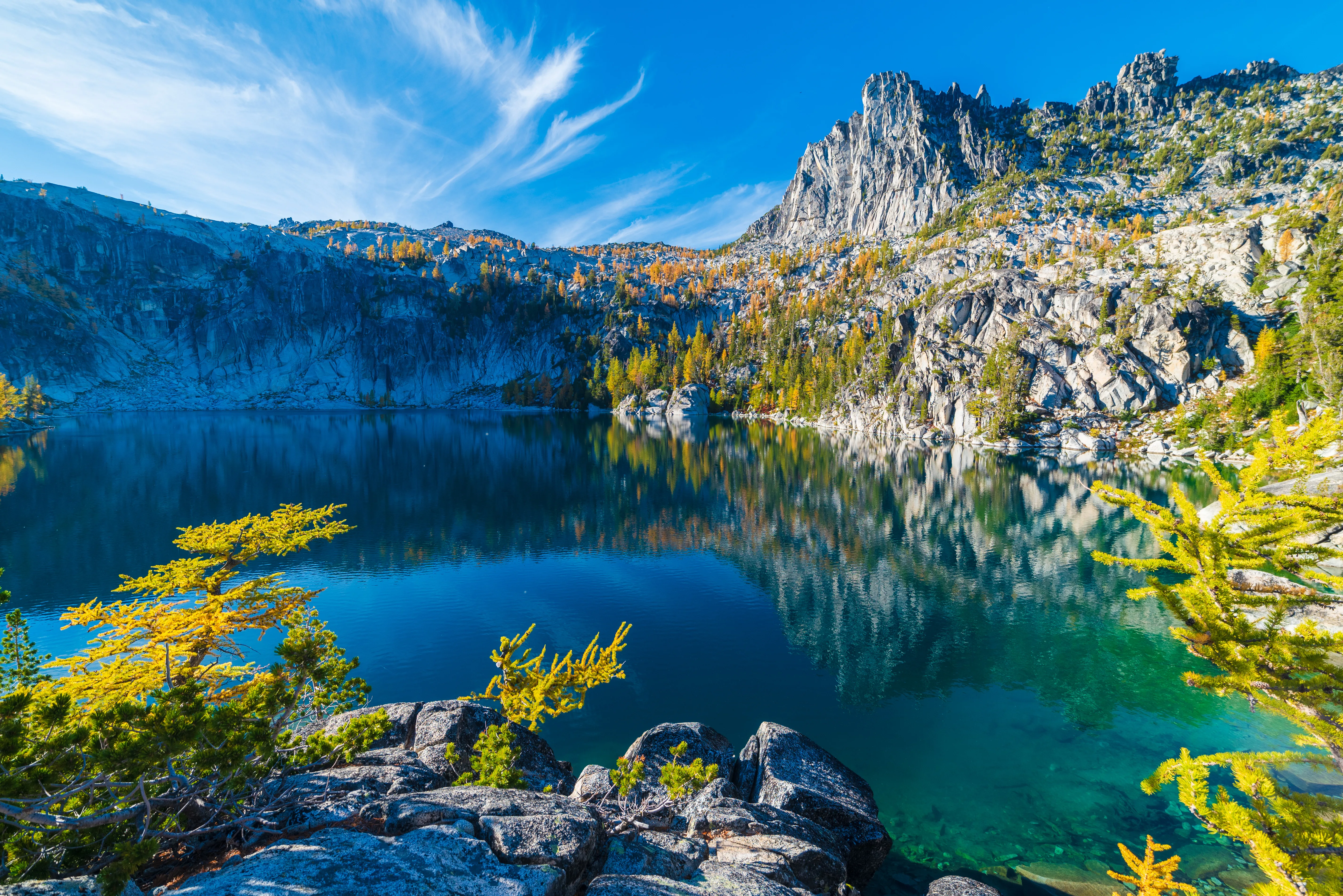
The outdoor access is the headline and it lives up to the headline. The Apple Capital Loop Trail along the Columbia River is as good as urban trail systems get — flat, paved, scenic, and usable most of the year. Wenatchee Confluence State Park, where the two rivers meet at the north end of the city, offers camping, river access, and open parkland within minutes of neighborhoods people actually live in. Within an hour, you can be on the slopes at Mission Ridge, hiking in the Enchantments permit zone, or on the water at Lake Chelan. This is not approximated outdoor access — it's the main event.
The cost of utilities in Wenatchee is genuinely striking. Power costs run significantly below national averages, a direct result of the hydroelectric dams on the Columbia — the same low-cost energy that drew Microsoft and Amazon data centers to the region. In a city where property tax runs at approximately 0.97% and the overall cost of living index sits only modestly above the national average, low utility bills create meaningful monthly breathing room that west-side transplants don't expect.
The healthcare infrastructure punches far above a city of 35,000. Confluence Health operates two hospitals and dozens of specialty clinics across the Wenatchee Valley, making the city a regional medical hub rather than a community with a single urgent care center. For retirees and families alike, having orthopedics, oncology, cardiology, and pediatric specialists available locally — without a mountain pass between you and the appointment — is a quality-of-life factor that rarely shows up in relocation listicles but matters enormously in practice.
Washington's lack of a state income tax amplifies purchasing power in ways that feel abstract until you see your first paycheck. Combined with a median household income of approximately $73,040 and home prices that, while not cheap, remain well below Seattle or Bellevue comparables, Wenatchee offers a financial equation that many west-side households find genuinely compelling on paper — and livable in practice.
The wildfire smoke issue warrants plain language: 99% of properties in Wenatchee carry some wildfire risk over a 30-year horizon, and climate projections suggest the number of extreme heat days will roughly double in the coming decades. Summers are already hot — temperatures regularly reach 90°F, and the valley's semi-arid terrain means fire conditions arrive reliably. Buyers who are sensitive to air quality, who have respiratory conditions, or who plan to spend significant time outdoors between July and September should factor this in honestly rather than treating it as a distant risk.
The Seattle distance problem is real for certain buyer profiles. Highway 2 over Stevens Pass is a two-lane mountain road for much of its length, and it behaves like one: chain requirements in winter, avalanche closures, heavy recreational traffic on weekends. The alternative through Snoqualmie Pass via I-90 adds time. If you have family, clients, or medical specialists on the west side, the logistics of that trip — at 152 minutes each way on a good day — will shape your life in ways that a weekend scouting trip doesn't fully reveal.
Why some people leave: The most common pattern among transplants who don't stay is a gradual erosion of the lifestyle reasons they came for. The smoke season grows longer. The summer heat becomes oppressive for those who prefer mild temperatures. The limited flight options out of Pangborn Memorial Airport (primarily serving Seattle-Tacoma via Alaska Airlines) mean that frequent travelers face a west-side drive every time they need a real hub. For remote workers whose companies eventually require more in-person presence, the calculus shifts permanently.
The property crime rate — approximately 28 incidents per 1,000 residents — runs higher than many west-side suburban comparables and deserves acknowledgment. Downtown and South Wenatchee neighborhoods account for a disproportionate share of those incidents. This isn't a reason to avoid the city, but it's a reason to understand which neighborhoods have different risk profiles and to budget for home security accordingly.
Downtown sits closest to the river and Pybus Public Market, with Wenatchee Avenue running the commercial spine and residential streets fanning out into older housing stock. Homes here lean toward bungalows, craftsman-era builds, and smaller lots, with the city-wide median as a rough reference and some well-positioned properties coming in below $450,000. The tradeoff is that walkability and proximity to amenities come paired with older infrastructure, tighter parking, and the highest exposure to the city's elevated property crime numbers.
Best for: Buyers who want the most walkable, culturally connected version of Wenatchee and don't need a large lot or a brand-new kitchen.
Sunnyslope sits on the hillside above the valley floor, technically an unincorporated area adjacent to the city but functionally part of the Wenatchee daily orbit. The elevated terrain means canyon views are common, lots run larger, and the feel shifts toward semi-rural residential. Pricing tends to track the city-wide median or slightly above depending on the view factor and lot size. The tradeoff is distance from the downtown core and the need to drive for nearly every errand.
Best for: Buyers who want more land, a quieter residential character, and views, without leaving the Wenatchee Valley ecosystem.
Wenatchee Heights occupies the higher western terrain above the city, where newer construction and panoramic Columbia River views command a premium. Properties in this area frequently exceed the $528,000 city-wide median, particularly on larger lots with updated interiors. This is one of the areas local agents frequently mention for buyers who want the Wenatchee lifestyle at a more premium price point. The honest catch: it's a long drive down to the valley floor during icy winter mornings, and the higher elevation means more exposure to wind.
Best for: Move-up buyers and remote workers who want views, newer homes, and don't mind a car-dependent daily routine.
Olds Station is the northeastern quadrant of Wenatchee proper, a mixed residential area with a blend of working-class and middle-income housing stock. Prices in this corridor tend to track the lower end of the city-wide range, making it one of the more accessible entry points for first-time buyers. The tradeoff is that the neighborhood offers less visual appeal and fewer walkable amenities than the riverfront districts. Proximity to North Wenatchee Avenue provides straightforward access to grocery and retail.
Best for: First-time buyers prioritizing price point over neighborhood prestige.
South Wenatchee is the city's most affordable pocket and carries a corresponding rough edge. Median transaction data from late 2025 showed activity well below the city-wide figure, and the area accounts for a meaningful share of Wenatchee's property crime statistics. The housing stock is older, lot sizes are decent, and there is genuine value for buyers who are comfortable with a fixer-upper reality and a neighborhood that hasn't gentrified. Those willing to put in improvement work can find the most accessible prices in the city here.
Best for: Buyers with renovation budgets, investors, and households prioritizing affordability above all other factors.
North Wenatchee runs along the northern edge of the city near the confluence of the rivers and the boundary with Wenatchee Confluence State Park. It offers a quieter residential character with easier access to the park's trail system and river frontage. Pricing aligns closely with the city-wide median. The neighborhood suits buyers who want proximity to green space and a more settled, owner-occupied feel without the hill-climb of the Heights neighborhoods.
Best for: Families and retirees who want park access, a settled neighborhood feel, and pricing near the city midpoint.
Central Wenatchee is the workhorse neighborhood — established residential streets, mid-century housing stock, and central access to schools, healthcare, and retail without the premium of the Heights or the rougher edges of the south end. This is where a significant share of Wenatchee's teacher, healthcare worker, and local professional population tends to land. Pricing spans broadly depending on the specific street and condition, generally tracking the $480,000–$540,000 range for updated mid-century homes.
Best for: Families with school-age children who want central access without overpaying for a view premium.
Westside refers to the residential areas along the western slopes and hillsides above the valley, sharing geographic character with the Heights but covering a broader range of elevations and price points. Newer subdivisions alongside older hillside properties create a mixed inventory. Views are a feature at higher elevations, and the area draws buyers who want the residential quiet of the hillside without committing to the top-tier pricing of Wenatchee Heights proper.
Best for: Buyers who want hillside character and Columbia River views at a slightly more accessible price point than the Heights.

Moving to Wenatchee means thinking carefully about which part of town fits your life — and your long-term investment goals. Neighborhoods like Wenatchee Heights and Sunnyslope tend to attract strong buyer interest thanks to their views, established feel, and proximity to outdoor recreation, while Downtown Wenatchee appeals to buyers wanting walkability and a more urban energy. Well-priced homes in these areas, typically under $600,000, can move within days once listed, not weeks. If you're relocating from a larger market, the pace here can catch people off guard.
That's exactly why talking with a lender before you start touring matters. Your approval amount and your comfortable budget are rarely the same number — once you factor in property taxes, homeowner's insurance, any HOA dues, and the right loan structure for your situation, the monthly reality can look quite different than the purchase price suggests. Getting pre-approved early means you've already worked through those numbers, so when the right home in Sunnyslope or Wenatchee Heights hits the market, you're ready to move with confidence rather than scrambling to catch up.
| City | Best For | Median Home Price | Seattle Commute | Vibe |
|---|---|---|---|---|
| Wenatchee | Full urban services, healthcare, culture, outdoor access | ~$528,000 | ~152 min | Compact city with high-desert energy |
| East Wenatchee | Slightly lower prices, same amenity access, across the bridge | Slightly below Wenatchee | ~155 min | Suburban, quieter, Douglas County |
| Cashmere | Small-town quiet, apple country authenticity, lower prices | Below $450,000 | ~165 min | Rural-adjacent, very slow-paced |
| Leavenworth | Bavarian tourism town, STR investment potential, seasonal charm | $600,000+ | ~150 min | Resort-town atmosphere, busy summers |
| Malaga | Rural character, larger lots, Columbia River frontage | Varies widely | ~165 min | Agricultural, semi-rural, limited services |
| Monitor | True small-town living, orchard country, very limited services | Below Wenatchee | ~160 min | Agricultural hamlet, not for service-dependent buyers |
| Category | Data |
|---|---|
| Population | ~35,516 |
| Median Sold Home Price | ~$528,000 (mid-2026) |
| Median Household Income | ~$73,040 |
| Property Tax Rate | ~0.97% |
| Average Local Commute | ~17.5 minutes |
| Seattle Drive Time | ~152 minutes via Hwy 2 |
| Annual Sunny Days | ~200 |
| Annual Precipitation | ~10 inches |
| Violent Crime (per 1K) | 3.7 |
| Property Crime (per 1K) | 28 |
| School District Rating | B (Wenatchee School District) |
| Major Employers | Confluence Health, Stemilt Growers, Chelan County PUD, Wenatchee Valley College |
Wenatchee takes its apple identity seriously in ways that go beyond orchard postcards. The Washington State Apple Blossom Festival — one of the oldest and largest festivals in the Pacific Northwest, held each spring — shuts down major roads, draws carnival rides and a parade, and functions as a genuine community event that residents either love or learn to plan their travel around. This is not a tourist-facing marketing event that locals ignore; it's a multi-day shutdown of the city center with deep local participation going back over a century.
The hydroelectric culture of the Columbia River basin shapes daily life in quieter ways. Chelan County PUD's low power costs mean residents pay utility bills that feel almost anachronistically cheap by any Pacific Northwest standard. That same power infrastructure drew data center investment from major tech companies to the region, which has created a small but real tech employment presence in a city that otherwise looks like an agricultural and healthcare economy. The Rocky Reach Discovery Center, operated by Chelan County PUD near the dam just north of the city, functions as an unexpectedly good family science and natural history destination.
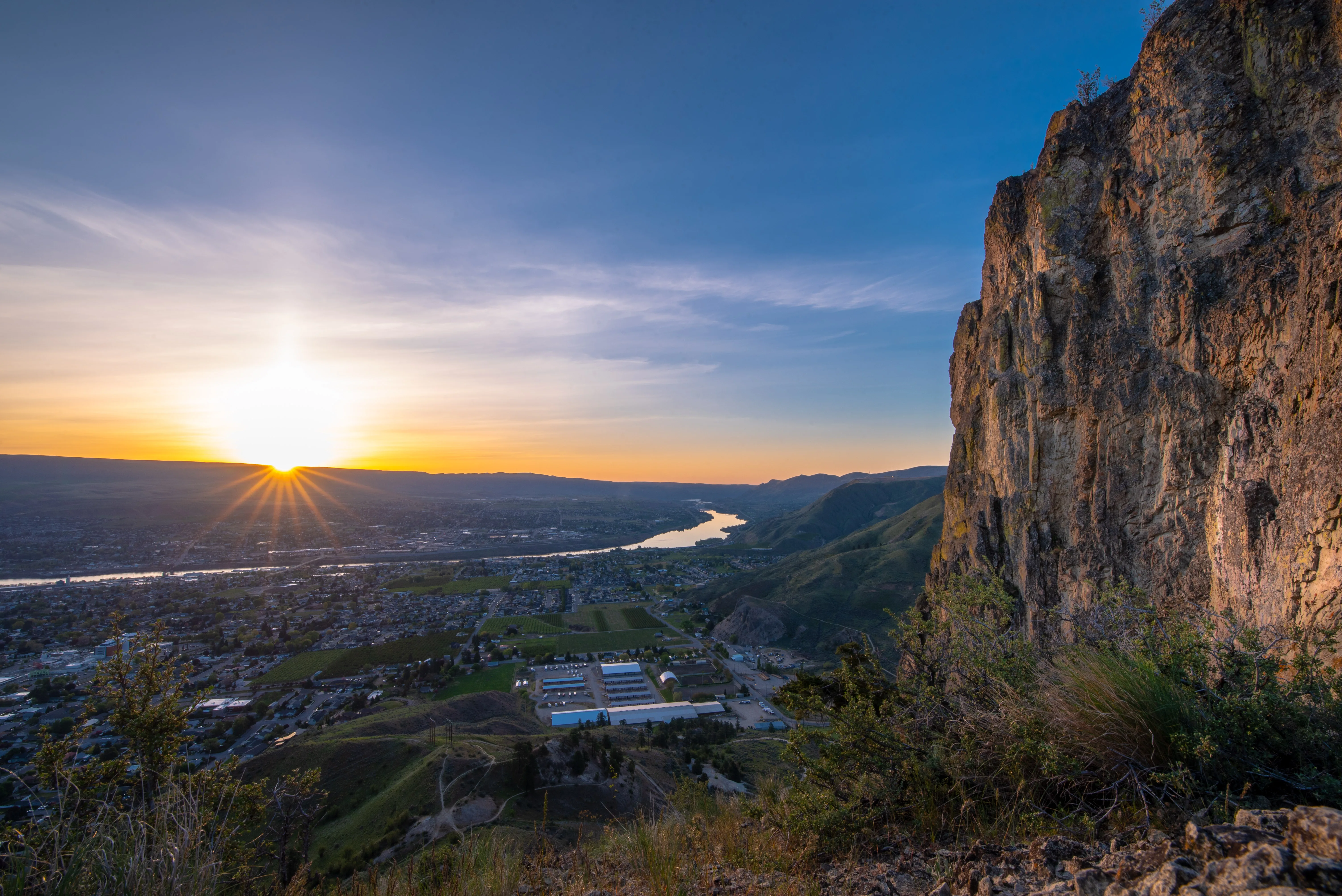
Ohme Gardens — the terraced rock garden perched on the basalt cliffs above the valley — is the kind of place that exists in only one city. Built over decades by the Ohme family beginning in the 1920s, it offers views of the Columbia and the Cascades that residents stop visiting only because they forget it's there until guests arrive and remind them. It's the clearest illustration of the broader Wenatchee pattern: the city has accumulated genuinely remarkable things, but they require a resident who pays attention.
What I would not do if moving to Wenatchee: Buy in South Wenatchee without walking the specific blocks you're considering at different times of day. The neighborhood spans a wide range of conditions across just a few streets, and the difference between a block that works well for a family and one that carries ongoing frustration is not visible on a listing page or a single daytime showing.
Local Expert Takeaway: If you're choosing between the hillside neighborhoods and the valley floor, make the decision based on your winter driving tolerance first and your view preference second — a Columbia River panorama loses its appeal quickly when you're white-knuckling a steep driveway in January. For buyers targeting the $500,000–$580,000 range, Central Wenatchee and North Wenatchee are where the most consistent value sits right now: solid housing stock, central access, and no premium for a view you can get from the Loop Trail for free.
✅ Wenatchee delivers outdoor access, 200 sunny days, low utility costs, and a genuine small-city downtown — for buyers whose professional life doesn't require frequent west-side travel, it's a compelling full-time relocation.
⚠️ The Seattle commute over Stevens Pass is a real constraint, not a minor inconvenience — 152 minutes on a two-lane mountain road rules out Wenatchee for anyone with regular Seattle office requirements.
📍 South Wenatchee and Olds Station offer the city's most accessible price points; Wenatchee Heights and the Westside corridors carry view premiums that push well above the city-wide median.
Is Wenatchee a good place to raise a family?
Wenatchee works well for families who value outdoor access, a compact and navigable city, and strong healthcare infrastructure. The Wenatchee School District carries a B rating, Confluence Health provides pediatric and specialty care locally, and the parks and trail system gives kids genuinely excellent options year-round. The catch is that summer smoke season and a property crime rate above many suburban comparables are real factors that families should weigh honestly.
What is the crime rate in Wenatchee?
Wenatchee's violent crime rate runs approximately 3.7 incidents per 1,000 residents, which is manageable for a city of its size and comparable to other Eastern Washington urban centers. The property crime rate of 28 per 1,000 is the more meaningful number for daily life — it runs elevated relative to west-side suburbs, with downtown and South Wenatchee accounting for a disproportionate share. Neighborhood selection within the city significantly affects individual exposure to that risk.
How does Wenatchee compare to Leavenworth or Cashmere as a place to live?
Wenatchee is a city with full urban services; Leavenworth and Cashmere are small towns with limited infrastructure. Leavenworth's resort-town character means higher home prices, significant tourist-season congestion, and a short-term rental economy that shapes neighborhood character. Cashmere offers genuine small-town quiet and lower prices but requires driving to Wenatchee for most healthcare, dining, and retail needs. Buyers who want Wenatchee Valley living without city density often land in East Wenatchee across the bridge — same amenity access, slightly lower costs, Douglas County tax structure.
Explore the full Wenatchee series: Living in Wenatchee · Is Wenatchee Safe? · Cost of Living · Best Neighborhoods · Schools & Family Life · Youth Sports · Parks & Rec · Retiring in Wenatchee