Eastern Washington · Washington
Living in Yakima: The Ultimate Relocation Guide (2026)
Maybe you've been priced out of the Seattle metro and someone mentioned Yakima as the affordable Eastern Washington alternative. Maybe your employer is relocating you to the Yakima Valley and you're trying to figure out whether this is a lateral move or a genuine quality-of-life upgrade. Maybe you drove through on I-82, saw the orchards and the mountains and the $370,000 median home price, and thought — what's the catch? The central tension in Yakima is real: this is a city with genuinely affordable housing, a sun-soaked climate, and a tight-knit agricultural identity, sitting alongside a school district rated C on Niche, a property crime rate that runs higher than the state average, and an economy built more on food processing and healthcare than on the tech wages most Pacific Northwest transplants are used to. The gap between what Yakima offers and what people expect it to be is wider here than almost anywhere else in Washington State.
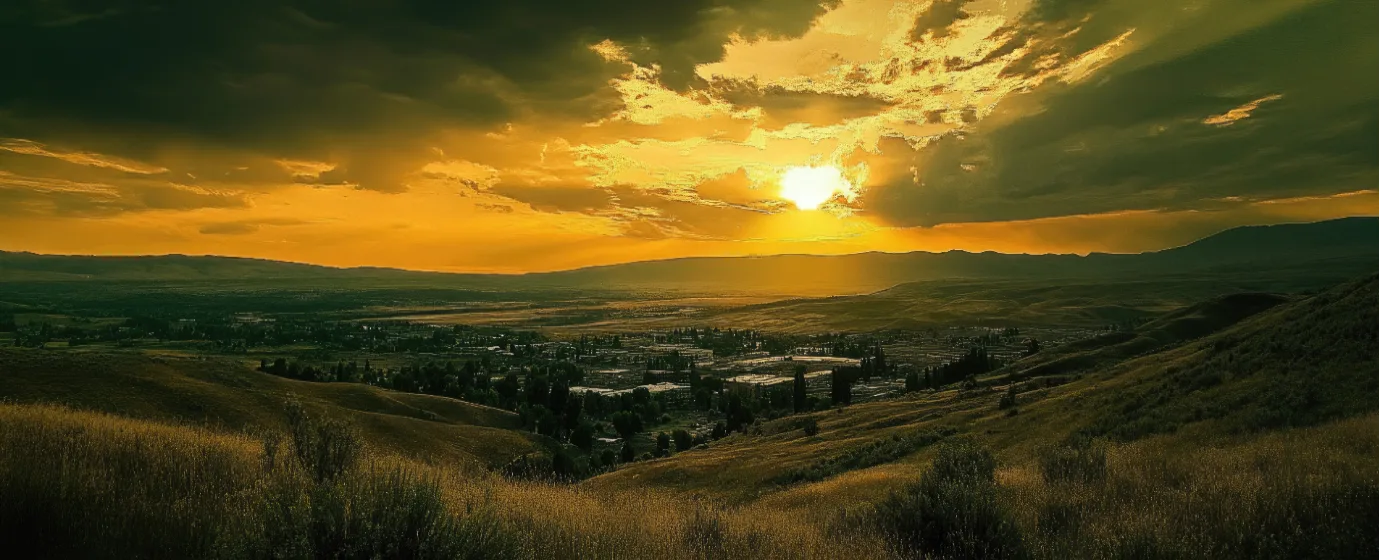
Geographically, Yakima sits in the Yakima Valley, tucked between the Cascades to the west and the Columbia Plateau to the east — which means 300 days of sunshine a year and winters that feel nothing like Seattle's gray drizzle. The city proper covers roughly 28 square miles and anchors a metro area of approximately 259,000 people across Yakima County. It's about 145 miles from Seattle — roughly a 2.5 to 3-hour drive depending on passes and traffic — which puts it firmly outside practical commuting range for most Puget Sound jobs but well within weekend-trip distance. Within the valley, smaller communities like Selah, Union Gap, and Terrace Heights sit just minutes from downtown, and together they form a web of neighborhoods that feel distinct from one another despite their close proximity.
This guide will help you figure out whether Yakima is the right fit for your specific situation — not just whether it's affordable, but whether the neighborhoods, the schools, the job market, and the day-to-day texture of life here match what you actually need. We'll walk through the genuine upsides, the honest tradeoffs, the neighborhoods that consistently come up in buyer conversations, and the local quirks that take most newcomers a full season to discover.
Not every city works for every buyer. Yakima has a specific profile — and being honest about who thrives here versus who tends to move on within two years will save you a lot of time and heartache.
| Best For | Why |
|---|---|
| First-time buyers | The $370,000 median makes ownership achievable on a single income in a way that most Washington cities no longer allow |
| Retirees on fixed incomes | Low housing costs, sunshine, a walkable downtown core, and proximity to wine country make this a legitimately underrated retirement option |
| Remote workers with portable income | You get Western Washington amenities at Eastern Washington prices — the math works if your paycheck doesn't shrink when you cross the Cascades |
| Agricultural and healthcare workers | Yakima's major employers are concentrated in these two sectors; if you work in either, you're moving toward the job market, not away from it |
| Outdoor lifestyle seekers | The Yakima Greenway, nearby Naches trails, and wine country access reward anyone who spends their weekends outdoors |
| Families prioritizing affordability | Families who supplement the school district with private tutoring or activities can get a lot of house for their money — but eyes open on the district rating |
The first thing most newcomers notice isn't the mountains or the orchards — it's the light. Yakima averages around 300 sunny days a year, which puts it in a different psychological category than the western slope of Washington. People who moved from Seattle often describe the first winter as a revelation: blue skies in January, dry cold instead of wet gray, the sense that you can actually go outside without deciding whether it's worth getting wet. That weather shapes the culture here more than any single employer or landmark.
The city itself has a real downtown — Capitol Theatre anchors the arts presence, the Yakima Valley Museum holds the area's agricultural and cultural history, and the Yakima Area Arboretum along the Greenway gives the city a green corridor that surprises first-time visitors. Downtown Yakima has been in a slow-but-genuine revitalization cycle, with the stretch along Yakima Avenue showing more foot traffic and business activity than it did five years ago. It's not Bellingham or Walla Walla yet, but it's moving in a direction that long-term residents have been waiting for.
The commute reality is one of Yakima's genuine advantages. The average drive to work runs around 15 to 19 minutes — a number that sounds unbelievable to anyone who's spent time on I-405. Most of the city is navigable in under 20 minutes from nearly any starting neighborhood, which means the quality-of-life math changes significantly compared to larger metros. The one chokepoint worth knowing: the intersection of Nob Hill Boulevard and 40th Avenue during the afternoon school-dismissal window is consistently the most frustrating 15 minutes in the city. Build that into your plans if you're in the West Valley or Nob Hill areas around 3:15 p.m.
What surprises most people after six months of living here is how tight the community actually feels at the neighborhood level. Yakima has a strong agricultural identity — this is apple, pear, and hop country — and that roots-in-the-land culture shows up in the way people interact with their neighbors, their local farms, and the farmers markets that run through harvest season. It takes a little longer to find your people here than in a larger city, but most transplants report that once they're in, they're genuinely in.
The affordability is real and it compounds. At a $370,000 median and a property tax rate of approximately 1.03%, your annual property tax on a median-priced home runs around $3,811 — a number that makes homeowners in King County physically wince. Washington's lack of a personal income tax means that combination of low housing costs and no income tax creates genuine financial breathing room that's hard to replicate west of the mountains. Renters benefit too: average rents sit around $953 a month, with the typical range landing between $879 and $1,429 depending on size and neighborhood.
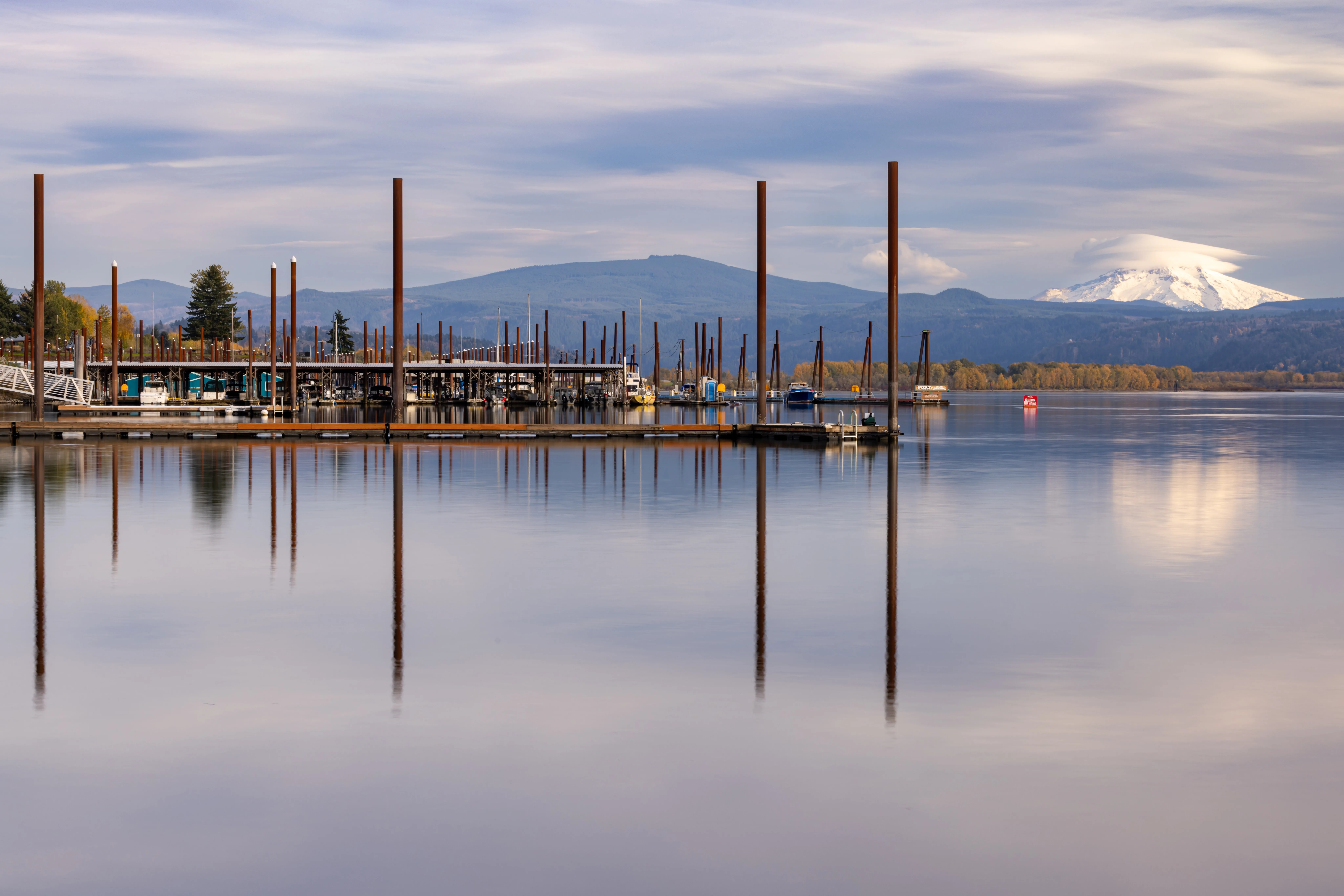
The outdoor access is legitimate and underappreciated. The Yakima Greenway stretches 10 miles along the Yakima River, connecting Sarg Hubbard Park to Rotary Lake with paved trails used by cyclists, runners, and families with strollers year-round. Franklin Park and Nob Hill Park add neighborhood-level green space, while the Yakima Area Arboretum off Naches Avenue gives the city an ecological anchor that most cities twice its size don't have. Drive 30 minutes northwest on Highway 410 and you're into the Naches Ranger District trails; drive south and you're into wine country, with tasting rooms in the Yakima Valley AVA drawing visitors from across the region.
Yakima is genuinely one of the most affordable cities in Washington — ranked among the top 10 cheapest in the state — while sitting about 13% below the Washington State average for overall cost of living. That gap closes a little on transportation (running about 21% above the national average, which is the region's least pleasant cost-of-living footnote) and utilities (roughly 11% higher than national), but on the two costs that matter most — housing and taxes — Yakima delivers.
The healthcare infrastructure is stronger than you'd expect from a city this size. Yakima Valley Memorial Hospital is a major regional medical center, and the Yakima Valley Farm Workers Clinic operates multiple locations serving a wide patient base. For a city under 100,000, the depth of medical services here is a genuine draw — particularly for retirees and families who don't want to drive to Seattle for specialist care.
The school district is the conversation no relocation guide can avoid. Yakima School District carries a C rating on Niche, which reflects a combination of test score performance, graduation rates, and the socioeconomic challenges of serving a district where over 80% of students are Hispanic or Latino and where free and reduced lunch eligibility runs high. That doesn't mean every school in the district is failing — there are individual schools with dedicated teachers and strong programs — but families with school-age children need to research specific schools, not just the district as a whole, before committing to a neighborhood. West Valley, notably, sits in the separate West Valley School District, which carries a meaningfully different profile.
Property crime is the other number that deserves honest attention. At 27.1 incidents per 1,000 residents, Yakima's property crime rate is elevated compared to Washington State as a whole. This doesn't mean the city is uniformly dangerous — neighborhoods like Terrace Heights and West Valley run quieter — but it does mean that practical habits matter here more than they would in Bellevue or Kirkland. Locking your car, using garage parking when available, and knowing which blocks see more activity than others are part of the Yakima lifestyle. The violent crime rate of 3.5 per 1,000 is more moderate in comparison.
The commute to Seattle is a significant limitation if your job, family, or medical needs require regular trips west. At roughly 2.5 to 3 hours via I-82 and US-97 over Blewett Pass — or US-12 over White Pass — Yakima is close enough to Seattle to feel accessible but far enough to make weekly commuting genuinely punishing. Snoqualmie Pass adds a winter dimension: when conditions deteriorate, the drive can stretch considerably longer or become inadvisable. Buyers who move here for a remote position and then get called back to the office face a real logistical problem.
The economy runs on agriculture, food processing, and healthcare — which is wonderful if you work in those sectors and a limiting factor if you don't. The median household income of approximately $62,815 reflects a market where high-paying tech or finance jobs are scarce. Remote workers with portable six-figure salaries find Yakima genuinely liberating; workers dependent on the local job market for income growth may find the ceiling lower than they expected. The poverty rate, commonly cited around 16.6%, signals that economic stratification in Yakima is more pronounced than in most Washington cities.
West Valley is technically an unincorporated community on Yakima's western edge — it falls under Yakima County rather than city limits — and it functions as the city's most desirable suburban flank. Homes here range from 1970s ranch-style builds to custom hillside estates pushing 6,000 square feet, with the most sought-after properties sitting above the valley floor with views of the surrounding ridgelines. Critically, West Valley sits within the West Valley School District rather than Yakima School District, which drives much of its family demand. The downside is price: West Valley properties routinely outpace the city median, with entry-level homes starting in the $400,000s and larger custom builds ranging from $500,000 to well over $1 million on the upper end.
Best for: Families prioritizing school district quality who want a suburban feel with larger lots and don't mind paying the premium.
Perched on the hills east of downtown, Terrace Heights offers something Yakima's flat neighborhoods don't: elevation and views. The Valley below stretches out to the Cascades on clear days, and the neighborhood's higher-income profile — with nearly half its working population in professional or management roles and a child poverty rate well below the national average — distinguishes it from much of the city. Most homes are 3- to 4-bedroom single-family builds from the 1970s through the 1990s, with newer development filling gaps in recent years. The vacancy rate here runs extremely low, signaling consistent demand that keeps prices from dipping even in slower markets.
Best for: Professionals and established families who want views, owner-occupied stability, and a quieter residential character without the full price premium of West Valley.
Nob Hill Boulevard is one of Yakima's primary east-west commercial spines, and the residential blocks surrounding it reflect the full spectrum of the city's middle-income housing stock — bungalows, mid-century ranches, and modest two-story builds in established yards. The neighborhood runs close to the West Valley border, giving residents access to the Nob Hill retail corridor (including Walmart and several grocers) without paying West Valley prices. It's a functional, practical neighborhood with good transit-corridor access and no particular glamour — which is exactly what a lot of practical buyers are looking for.
Best for: First-time buyers and budget-conscious families who want proximity to the commercial corridor and reasonable access to the west side without stretching into West Valley pricing.
Barge-Chestnut sits on Yakima's north side and carries some of the most architecturally interesting residential stock in the city — craftsman bungalows, early 20th-century homes with covered porches and period detail that rarely shows up in newer construction. The neighborhood offers a more affordable entry point than West Valley or Terrace Heights, making it a consistent landing spot for first-time buyers and investors who recognize that character-rich older homes in walkable urban neighborhoods tend to appreciate as a city gentrifies. The downside is that the area requires more due diligence on individual property condition — older homes mean older systems.
Best for: First-time buyers and investors who want architectural character, a walkable location, and a lower entry price, and who are comfortable with older construction.
East Yakima stretches from the Highway 12 and I-82 interchange south to East Mead Avenue, running west to east between 1st Avenue and the interstate. This is one of the city's more working-class residential quadrants, with affordable pricing that reflects both the neighborhood's demographics and its proximity to industrial corridors. It's not the first neighborhood most relocation buyers consider, but for buyers prioritizing a low price point and proximity to the eastern commercial districts, it functions. The key honest caveat: East Yakima sees higher property crime activity than the west side, and buyers should factor that into their decision-making.
Best for: Budget buyers and investors comfortable with a higher-activity neighborhood who prioritize price point above other considerations.
Central Yakima is the city's workaday middle — established residential blocks that aren't quite downtown and aren't quite suburban, sitting close enough to amenities to feel convenient without commanding the premium of the most desirable neighborhoods. The housing stock is mixed: single-family homes, duplexes, and rental conversions intermixed across streets that see both families and renters. It's the neighborhood most likely to serve as a starting point for buyers who want to plant a flag in Yakima proper without overextending.
Best for: Buyers prioritizing central location and city proximity who want to be in the heart of Yakima at a moderate price point.
Downtown Yakima is a genuine urban core in miniature — the Capitol Theatre, State Fair Park, and the Yakima Valley Museum give it cultural anchors that most cities of 97,000 lack, and the ongoing revitalization of Yakima Avenue has brought more foot traffic and business activity than the area has seen in years. Residential options here lean toward condos, lofts, and older multi-family buildings rather than single-family homes. If walkability and proximity to arts and dining matter to you, downtown is Yakima's strongest offering — but understand that the surrounding blocks require the same property crime awareness that applies to urban cores generally.
Best for: Renters, condo buyers, and urban lifestyle seekers who prioritize walkability, arts access, and dining over square footage and yard space.
Scenic Drive runs along the basalt rimrock above the city's north and east sides, and the homes along its ridge carry the most dramatic views in Yakima proper — the full valley spread, the Cascades on clear days, and a sense of elevation that makes the city below feel like a different world. Lot sizes tend to be generous, homes vary from mid-century ranches to more substantial custom builds, and the location keeps noise and commercial activity at a distance. The practical catch is access: getting in and out of the rimrock neighborhoods can add time during peak hours, and the winding roads require adjustment for drivers used to flat grid streets.
Best for: Buyers who want maximum views and privacy within city limits and don't mind the tradeoffs of hillside access and limited walkability.

Yakima's neighborhoods each tell a different story from a lending perspective. West Valley and Nob Hill tend to attract strong buyer demand, which means well-priced homes in those areas can move within days — sometimes hours — of hitting the market. Terrace Heights offers a quieter feel with solid long-term value, and we're seeing consistent interest there from relocating buyers. Most desirable single-family homes in these neighborhoods are coming in under $400,000, which keeps Yakima genuinely accessible compared to western Washington markets, but that affordability also means competition moves fast.
The biggest mistake I see relocating buyers make is touring homes before talking to a lender. Your pre-approval number and your comfortable monthly payment are two very different things — once you factor in property taxes, homeowner's insurance, any HOA dues, and the right loan structure for your situation, the picture can shift considerably. Knowing your real number before you fall in love with a home means you're ready to move confidently when the right place appears, and in a market like Yakima, that readiness genuinely matters.
| City | Best For | Home Price | Commute to Yakima | Vibe |
|---|---|---|---|---|
| Yakima | Affordability, jobs, full city services | $370,000 median | — | Working-class urban, sun-soaked, agricultural roots |
| Selah | Quiet suburbs, slightly better schools | Higher than Yakima | ~10 min north | Small-town residential, family-oriented |
| Union Gap | Budget buyers, commercial access | Below Yakima median | ~5 min south | Industrial corridor, utilitarian |
| Terrace Heights | Views, professional community, stability | Above Yakima median | ~10 min east | Hillside residential, established, owner-occupied |
| Sunnyside | Lowest price points in the valley | Well below Yakima | ~35 min southeast | Rural, agricultural community, limited services |
| Toppenish | Rural affordability, cultural heritage | Below Yakima median | ~25 min south | Yakama Nation culture, murals, agricultural economy |
| Metric | Figure |
|---|---|
| Population | 97,573 |
| Median Home Price | $370,000 |
| Median Household Income | $62,815 |
| Property Tax Rate | ~1.03% |
| Average Commute Time | 15–19 minutes (local) |
| Commute to Seattle | ~2.5–3 hours via I-82/US-97 |
| Violent Crime per 1,000 | 3.5 |
| Property Crime per 1,000 | 27.1 |
| School District | Yakima School District (C rating) |
| Average Rent | ~$953/month |
| Annual Sunny Days | ~300 |
| Cost of Living vs. WA State | ~13% below state average |
Yakima's agricultural calendar is a cultural calendar. The Central Washington State Fair at State Fair Park every September is a genuine community gathering — not a tourist event, but something locals plan around, show animals at, and attend in multiple-day stretches. Missing it in your first year means missing one of the most authentic windows into what this valley actually is. The Yakima Folklife Festival each spring draws a smaller but equally devoted crowd, and the summer farmers markets along Yakima Avenue function as the community living room from June through October — the place where you're most likely to run into your neighbors, your kids' teachers, and your Realtor on the same Saturday morning.
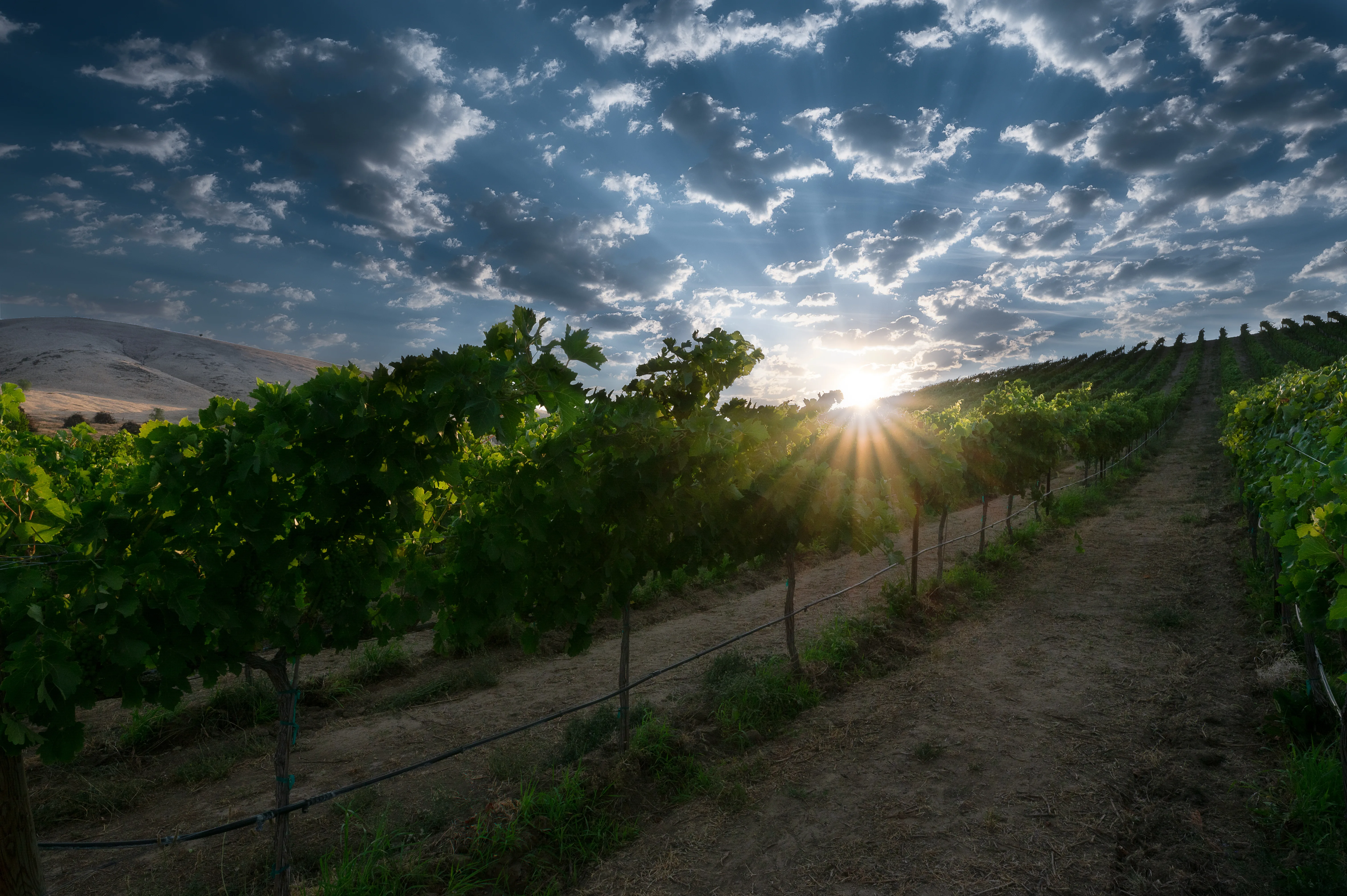
Wine country access is something Yakima residents treat as casually as Seattleites treat a coffee run. The Yakima Valley AVA is one of the most productive wine-growing regions in Washington State, and tasting rooms in Yakima, Zillah, Rattlesnake Hills, and Red Mountain are within 30 to 45 minutes of the city. Long-timers have their rotation — a winery for casual tastings, another for special occasions — and talking about local varietals is as normal a conversational opener here as talking about hiking in Bend.
The hop yards are worth understanding beyond agriculture. The Yakima Valley produces the majority of U.S. hops, which means the late-summer harvest smell — a sharp, green, almost citrusy bitterness — is something you either come to love or find perpetually strange. Most people love it. It arrives in August and lingers through September, and it's one of those purely local sensory experiences that you don't read about in any real estate listing.
What I Would Not Do if moving to Yakima: I would not buy in East Yakima east of 1st Avenue without spending time in the neighborhood at different times of day and evening. The price points are genuinely attractive, and I understand the temptation — but the property crime activity in that corridor is more concentrated than other parts of the city, and buyers who skip that homework often find themselves surprised in ways that are hard to reverse after closing.
Local Expert Takeaway: If your budget tops out between $370,000 and $450,000 and you have kids or plan to, West Valley and Terrace Heights should be your first calls — not because the city's other neighborhoods are bad, but because the school district context changes significantly in those two areas. Remote workers with Pacific Northwest income should seriously consider the Barge-Chestnut corridor for its architectural character and price point before that window closes. And regardless of neighborhood, do not skip a Yakima inspection — the sunny climate is wonderful, but it also produces foundation shifts and irrigation-adjacent moisture issues that only show up when someone's looking for them.
✅ Yakima's $370,000 median home price, ~1.03% property tax rate, and 300 sunny days a year create a cost-and-lifestyle combination that's genuinely rare in Washington State.
⚠️ The school district (C-rated Yakima School District) and elevated property crime rate (27.1 per 1,000) are the two factors most likely to shift a buyer's decision — research both carefully before committing to a neighborhood.
📍 West Valley and Terrace Heights are the two neighborhoods that most consistently satisfy buyers who move to Yakima and stay long-term — they carry premium pricing relative to the city median, but the reasons for that premium are real.
Is Yakima a good place for families?
Yakima can be a strong fit for families, particularly those who land in West Valley (West Valley School District) or Terrace Heights, where the residential stability and school options are meaningfully different from the broader Yakima School District. Families who research individual schools, supplement with activities, and take advantage of the outdoor access and tight community feel tend to find Yakima delivers a quality of life that's hard to match at this price point in Washington State.
What is the crime rate in Yakima?
Yakima's violent crime rate sits at approximately 3.5 incidents per 1,000 residents — moderate for a city of its size. The more notable figure is the property crime rate of 27.1 per 1,000, which runs higher than the Washington State average and is concentrated in specific corridors, particularly on the east side. Neighborhoods on the west side and at elevation (West Valley, Terrace Heights, Scenic Drive) tend to see less property crime activity than the city-wide figure suggests.
How does Yakima compare to nearby cities like Selah or Sunnyside?
Yakima offers the full suite of city services, employers, medical infrastructure, and cultural amenities that smaller neighbors like Selah and Sunnyside can't match — but it comes with higher crime rates and a lower-rated school district than Selah. Sunnyside offers lower price points but considerably fewer services and a longer commute to Yakima's job centers. Most buyers in the valley who want city-level access choose Yakima itself; those prioritizing school quality and quiet suburban feel often settle in Selah or unincorporated West Valley instead.
Explore the full Yakima series: Living in Yakima · Is Yakima Safe? · Cost of Living · Best Neighborhoods · Schools & Family Life · Youth Sports · Parks & Rec · Retiring in Yakima