
Puget Sound · Washington
Best Neighborhoods in Bremerton: Where to Buy or Rent (2026)
Bremerton is one of those cities where neighborhood selection is everything. Buy in the wrong pocket and you're looking at a longer commute, a school boundary that disappoints, or a street that doesn't match your lifestyle — even though you're only a mile from somewhere you would have loved. The city spans roughly 32 square miles with dramatically different characters from one neighborhood to the next, and the gap between entry-level Navy Yard City and the competitive Craftsman blocks of Manette isn't just a price difference — it's a completely different daily life.
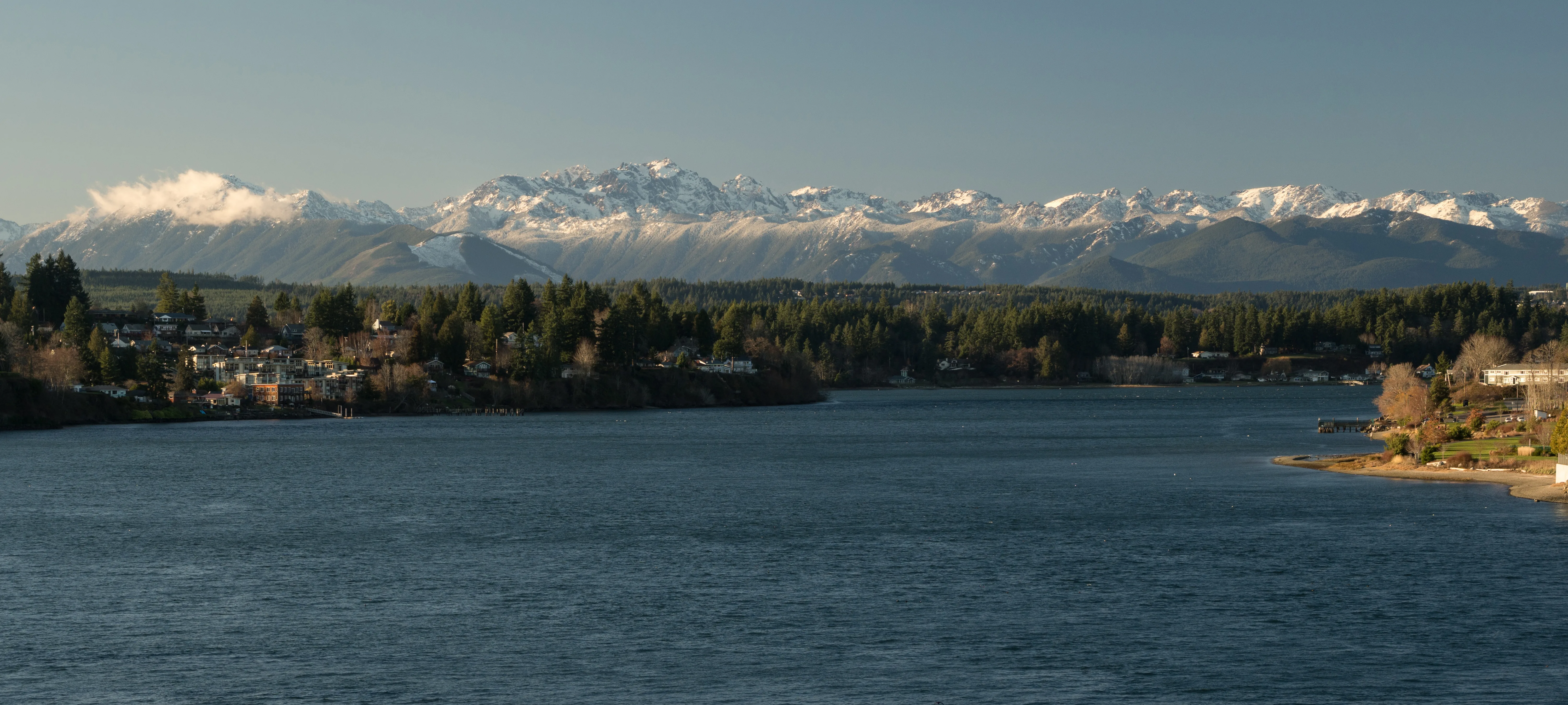
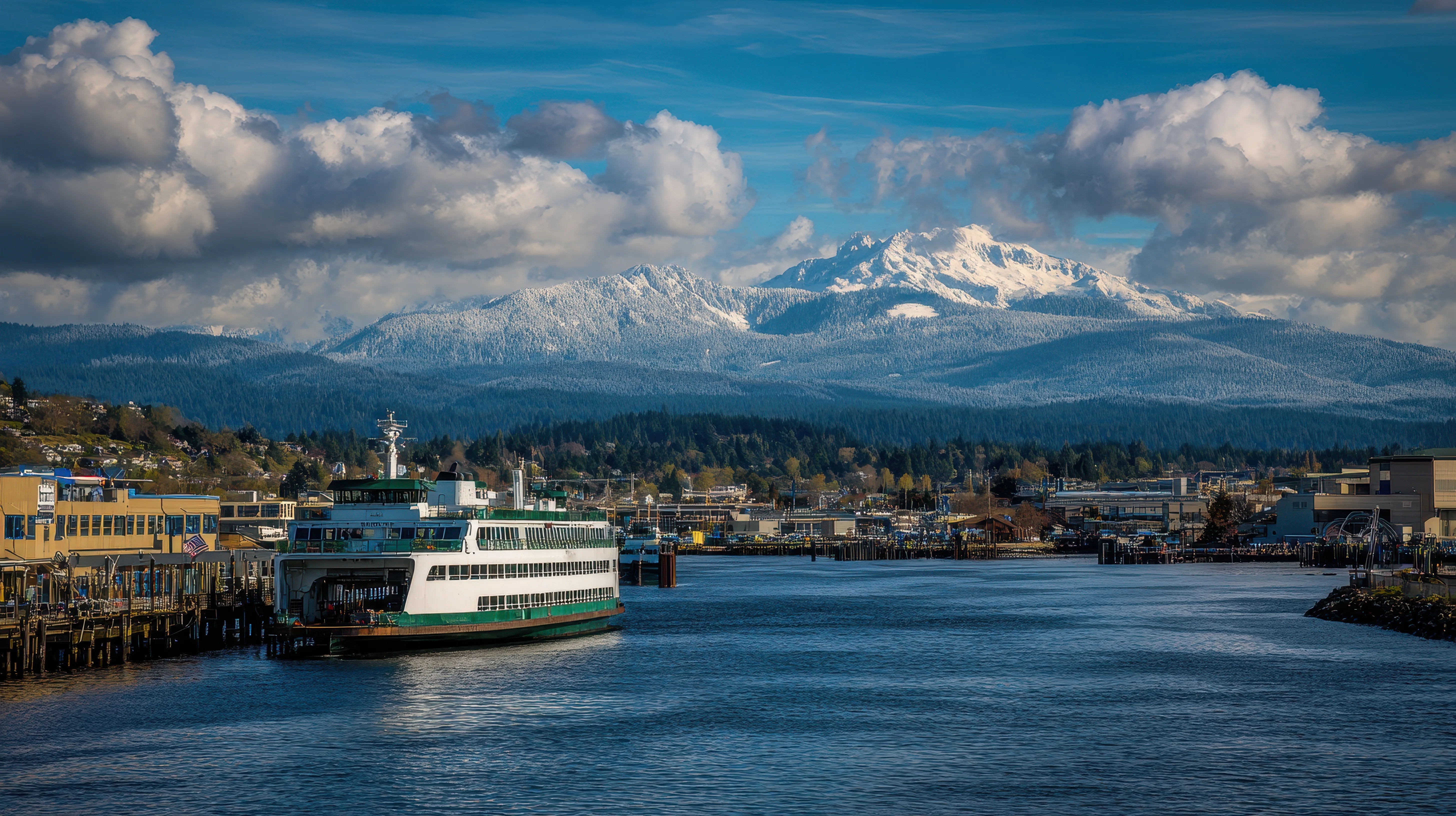
The key geographic divide is the water. The Port Washington Narrows physically separates Manette from the rest of Bremerton, and the ferry terminal anchors the downtown waterfront in a way that makes proximity to the dock a real variable in your commute math. East of the Manette Bridge, you get a walkable, arts-inflected neighborhood that feels nothing like the sprawling residential corridors further east along Wheaton Way — and nothing like the dense, utility-first blocks near the naval shipyard to the south.
This guide breaks down exactly where buyers and renters should be looking in 2026, what each neighborhood actually delivers, and what the real trade-offs are before you make an offer.
| Neighborhood | Best For | Price Range | Vibe |
|---|---|---|---|
| Manette | Walkability seekers, Seattle commuters | $475K–$725K | Artsy, walkable, Craftsman-heavy |
| East Bremerton | Families, military families | $430K–$550K | Suburban, convenient, well-served |
| Downtown | Urban renters, condo buyers | $380K–$480K | Urban waterfront, transitional |
| West Bremerton | First-time buyers, renters | $360K–$450K | Quiet residential, affordable |
| Charleston | Military families, value buyers | $340K–$430K | Working-class historic, lively corridor |
| Navy Yard City | Entry-level buyers, investors | $230K–$310K | Historic, blue-collar, improving |
| Union Hill | Established owners, large-lot buyers | $450K–$580K | Hillside, mature trees, quiet |
| North Bremerton | Growing families, commuters | $400K–$500K | Newer builds, neighborhood parks |
| Buyer Type | Best Neighborhood | Why |
|---|---|---|
| First-time buyer | West Bremerton or Navy Yard City | Lowest entry points in the city; manageable price range for single-income households |
| Luxury buyer | Manette (waterfront) | Waterfront Craftsmans and new builds with Narrows views; highest appreciation trajectory |
| Walkability seeker | Manette or Downtown | Coffee shops, restaurants, and ferry access all within walking distance |
| Families with kids | East Bremerton | More square footage, better school proximity, parks, and the Wheaton Way corridor for errands |
| Seattle commuters | Manette or Downtown | Shortest walk to the Bremerton ferry terminal; 30-minute sailing to downtown Seattle |
| Large lot buyers | Union Hill or North Bremerton | Bigger parcels, trees, and setbacks that suburban corridors can't match |
| Renters | East Bremerton or Downtown | Best rental inventory concentration; range of apartment types and price points |
Sitting just across the Manette Bridge on the east side of the Port Washington Narrows, Manette is the neighborhood Bremerton buyers fight over — and for good reason. The streets are lined with well-maintained Craftsman bungalows and newer infill builds, the waterfront views are genuine, and the walkable strip of cafés, boutiques, and small restaurants gives the area a distinctly urban Pacific Northwest feel that's rare on the Kitsap Peninsula. The trade-off is limited inventory and age: many homes were built in the early-to-mid 20th century and will need mechanical or structural updates that can add tens of thousands to your real cost. The median price here sits in the $475K–$725K range, with the most competitive homes going pending in under a week.
Best for: Seattle ferry commuters, buyers who prioritize walkability, and households who want character-driven architecture at a fraction of Seattle prices.
East Bremerton is the practical choice — and there's nothing wrong with that. The Wheaton Way corridor puts groceries, restaurants, hardware, and medical services within a short drive of most addresses, and the housing stock runs toward mid-century split-levels and updated ramblers on genuinely usable lots, typically in the $430K–$550K range. Families with school-age children tend to settle here partly for the proximity to parks and the Bremerton Ice Center, and partly because the neighborhood's scale gives kids room to breathe in a way that downtown-adjacent blocks simply don't. The honest downside is that the commute to the ferry terminal requires a drive, which adds meaningful time to any Seattle workday.
Best for: Military families, households with school-age children, and buyers who prioritize shopping convenience and lot size over walkability.
Downtown has changed more in the past decade than most Pacific Northwest cities manage in a generation. The waterfront redevelopment brought the boardwalk, Harborside Fountain Park, and a genuine restaurant and brewery scene to what was once a pretty sparse urban core — and the Admiral Theatre, the Puget Sound Navy Museum, and the USS Turner Joy keep the area active across multiple demographics. Buyers typically enter through condos or smaller townhomes in the $380K–$480K range, and about 22% of properties in this zone carry meaningful flood risk over a 30-year horizon, which is worth running through your insurance math carefully. For renters and first-time condo buyers, the access to the ferry terminal with no car needed is genuinely compelling.
Best for: Car-free commuters, condo buyers, and urban renters who want the most walkable version of Bremerton life.
West Bremerton tends to be the neighborhood that buyers end up in when they've been outbid elsewhere a few times. The median price here hovers around $360K–$450K, the ownership rate is unusually high at around 64%, and the blocks are quiet in a way that suits buyers who want residential calm without paying Manette prices. The flip side is that the area offers fewer local amenities within walking distance, and the commute to the ferry terminal requires a car. For buyers who primarily work at the naval shipyard or Harrison Medical Center and don't need Seattle access, West Bremerton delivers a solid, low-drama homeownership experience.
Best for: First-time buyers, shipyard employees, and households who want a quiet residential street without the premium attached to the waterfront neighborhoods.
Charleston was its own independent city before Bremerton annexed it in 1927, and that history shows in the streetscape — compact ramblers on small lots, a commercial corridor along Callow Avenue that functions more like a neighborhood main street than a highway strip, and a proximity to the Puget Sound Naval Shipyard that makes it a natural landing spot for military families. The music venue on Callow Avenue gives the area a livelier after-dark energy than its modest homes might suggest. Prices typically fall in the $340K–$430K range, making it one of the more accessible areas in the city, though buyers should factor in the density and lot sizes before assuming more space than the numbers imply.
Best for: Military personnel, value-focused buyers, and households who appreciate a neighborhood with genuine commercial walkability without paying for waterfront proximity.
Navy Yard City was purpose-built in the early 1900s to house naval workers, and the bones of that history are still visible in the compact streets and modest homes clustered near the Sinclair Inlet. The median price sits around $230K–$310K — among the lowest you'll find anywhere in the Bremerton market — and homes have been averaging around 46 days on market, giving buyers considerably more time to think than they'd get in Manette or East Bremerton. The trade-offs are real: the neighborhood's condition varies block by block, amenities are limited, and the longer days-on-market figure is itself a signal about demand levels. Investors and buyers with a high tolerance for improvement projects tend to find the most value here.
Best for: Entry-level buyers, investors, and households comfortable with a longer-term appreciation play in exchange for the lowest acquisition cost in the city.
Union Hill sits on higher ground above the downtown core and offers something Bremerton's flatter neighborhoods don't: mature tree canopy, larger lots with meaningful setbacks, and a quiet that's genuinely hard to find this close to the city center. Prices in the $450K–$580K range reflect the premium buyers pay for that combination of urban access and suburban feel. The practical downside is that the hillside geography makes daily errands more car-dependent than it might appear on a map, and some streets have grade and drainage considerations worth reviewing before you commit.
Best for: Established owners trading up, buyers who want larger lots without leaving the city, and households that value natural setting over neighborhood amenity density.
North Bremerton is drawing genuine buyer attention in 2026 as Silverdale prices have climbed and buyers on tighter budgets start looking at adjacent options. The newer construction here tends to sit on bigger lots than what you'll find in the older neighborhoods, and the price range — roughly $400K–$500K — positions it competitively against both East Bremerton and the lower end of the Silverdale market. The honest limitation is that the neighborhood is still building out its identity; the amenity infrastructure doesn't yet match what you'd find in more established parts of the city, and commute times to both the ferry terminal and the shipyard run longer than the city-wide median.
Best for: Growing families, buyers priced out of Silverdale, and households prioritizing newer construction and lot size over neighborhood density.
Treating Wheaton Way as a proxy for the whole East Side. The commercial corridor along Wheaton Way gives East Bremerton excellent errand convenience, but buyers sometimes assume that proximity to those services means proximity to everything. The streets immediately behind Fred Meyer and the strip malls vary significantly in traffic noise and lot privacy — buying one block closer to the Wheaton Way corridor can cost you the quiet that made the neighborhood attractive in the first place.
Underestimating the ferry commute math. The 30-minute ferry crossing to Seattle is real, but the full door-to-door commute from most Bremerton neighborhoods to a downtown Seattle office is closer to 75–90 minutes each way once you account for the drive to the terminal, boarding wait times, and the walk or transit ride on the Seattle end. Buyers who factor only the sailing time into their commute calculation frequently find the reality harder than expected in month two.
Buying in a flood zone without running the insurance numbers first. Downtown-adjacent properties carry meaningful flood risk — around 22% of properties in that corridor face elevated flooding probability over a 30-year ownership horizon. In a market where buyers are moving in 15 days on average, there isn't always time to slow down and price that risk properly. Get a flood zone determination before you make an offer, not after.
Assuming Navy Yard City is improving uniformly. The neighborhood has genuine appeal at its price point, but the condition of homes varies dramatically from block to block. Buyers who approach Navy Yard City expecting a rising tide across the neighborhood can find themselves holding a property that's improving more slowly than their initial optimism suggested. Street-by-street research before you buy matters more here than almost anywhere else in the city.

Bremerton's neighborhoods each tell a different financial story, and where you buy matters as much as what you buy. Waterfront proximity in Manette and the revitalization momentum in Downtown Bremerton have been driving consistent buyer interest, while established areas like Charleston offer more inventory and slightly more breathing room to make decisions. That said, well-priced homes across these neighborhoods — particularly those under $500,000 — are still moving fast, often within days of listing. Understanding which areas fit your long-term goals before you start touring will save you a lot of frustration.
Before you fall in love with a house in any of these neighborhoods, please talk to a lender first. Your pre-approval number and your comfortable monthly payment are two very different things, and your true monthly obligation includes property taxes, homeowner's insurance, any HOA dues, and your loan structure — all of which vary depending on the home and the neighborhood. Getting that full picture upfront means you're shopping with confidence, not scrambling when a great home in Manette or Charleston hits the market and you have 48 hours to act.
| Area | Ideal For | Typical Rent Range | Trade-off |
|---|---|---|---|
| Downtown / Waterfront | Ferry commuters, urban renters | $1,400–$2,200/mo | Limited parking; some flood risk exposure |
| East Bremerton | Military families, couples | $1,600–$2,000/mo | Car-dependent for most errands |
| West Bremerton | Budget-conscious renters | $1,400–$1,900/mo | Fewer walkable amenities |
| Manette | Remote workers, lifestyle renters | $1,700–$2,300/mo | Tight rental inventory; high competition |
| Charleston | Shipyard workers, value renters | $1,300–$1,750/mo | Older rental stock; variable quality |
Local Expert Takeaway: If you're buying in Bremerton in 2026, the single most important decision you'll make is which side of the Manette Bridge you land on. Manette's walkability and ferry access justify its premium, but buyers who don't specifically need that commute corridor often find East Bremerton or North Bremerton delivers more home for the money with less competition at the offer table. And if you're willing to do the homework block by block, Navy Yard City's $230K–$310K entry point is the most underappreciated value in the entire Kitsap Peninsula market.
Looking to buy in Bremerton? Estimate your payment.
Enter your numbers to see an estimated monthly mortgage payment.
Estimate only. Excludes HOA fees and mortgage insurance.
What is the most affordable neighborhood in Bremerton?
Navy Yard City consistently offers the lowest home prices in Bremerton, with a median in the $230K–$310K range — well below the citywide median of $471,000. Charleston and West Bremerton follow as the next most accessible options for buyers on tighter budgets.
Is Manette worth the premium over other Bremerton neighborhoods?
For Seattle ferry commuters and buyers who prioritize walkability, Manette's premium is well-justified. The neighborhood sits within walking distance of the Bremerton ferry terminal, has a genuine café and restaurant scene, and carries strong appreciation history. Buyers who primarily commute within Kitsap County may find East Bremerton or North Bremerton delivers better value for their specific lifestyle.
What are the best areas to rent in Bremerton for someone new to the area?
East Bremerton and Downtown Bremerton offer the largest concentration of rental inventory, with East Bremerton providing more affordable options and better access to daily conveniences along the Wheaton Way corridor. Downtown is the better fit for renters who want to walk to the ferry and the waterfront restaurant scene, but expect to pay a premium for that proximity.
Explore the full Bremerton series: The Ultimate Bremerton Relocation Guide · Is Bremerton Safe? · Cost of Living in Bremerton · Best Neighborhoods in Bremerton · Bremerton Schools & Family Life · Bremerton Youth Sports · Bremerton Parks & Recreation · Retiring in Bremerton · 1031 Tax-Deferred Exchange in Bremerton · Bremerton First-Time Homebuyers Guide · Bremerton Down Payment Assistance Guide · Moving to Bremerton from California