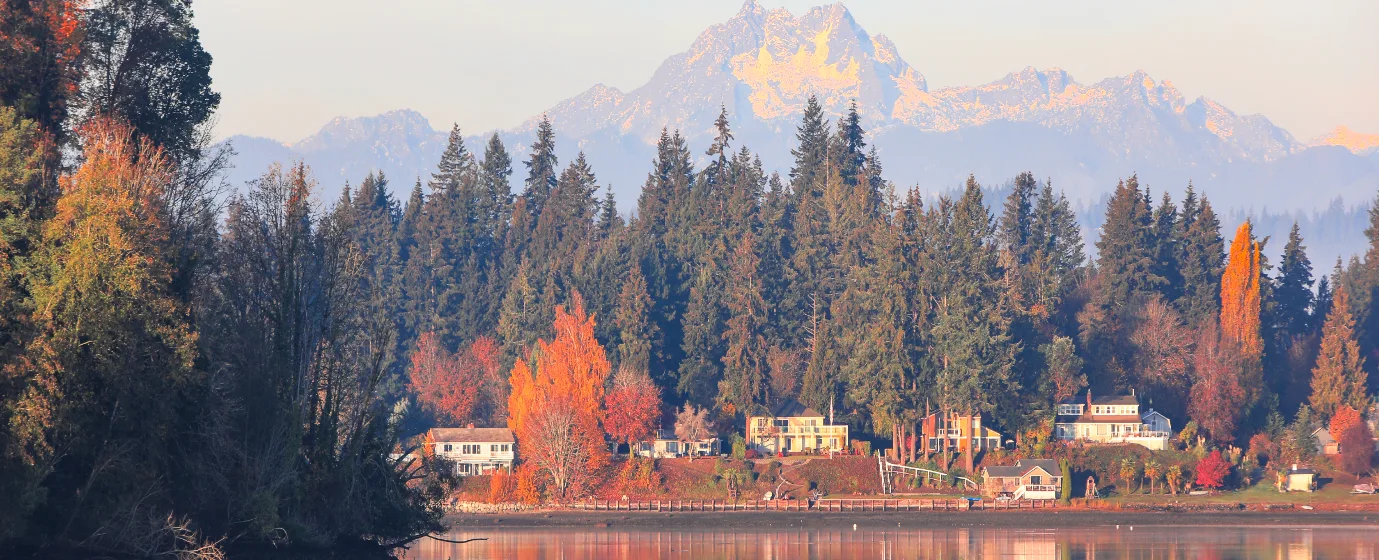
Puget Sound · Washington
Living in Bremerton: The Ultimate Relocation Guide (2026)
Maybe your company announced it's moving your team to the Puget Sound area and someone on Slack mentioned Bremerton as "the affordable option." Maybe you've watched Seattle home prices climb past $875,000 and started looking at a map, noticing a city just 30 minutes away by ferry where the median sold price is $471,000. Or maybe you drove through on a weekend trip to the Olympic Peninsula, caught the waterfront on a clear day with the Olympics stacked behind it, and thought: why doesn't anyone talk about this place? The honest answer is that Bremerton has always existed in Seattle's shadow — and that tension between its genuine strengths and its persistent reputation is exactly what every serious buyer needs to understand before making an offer.
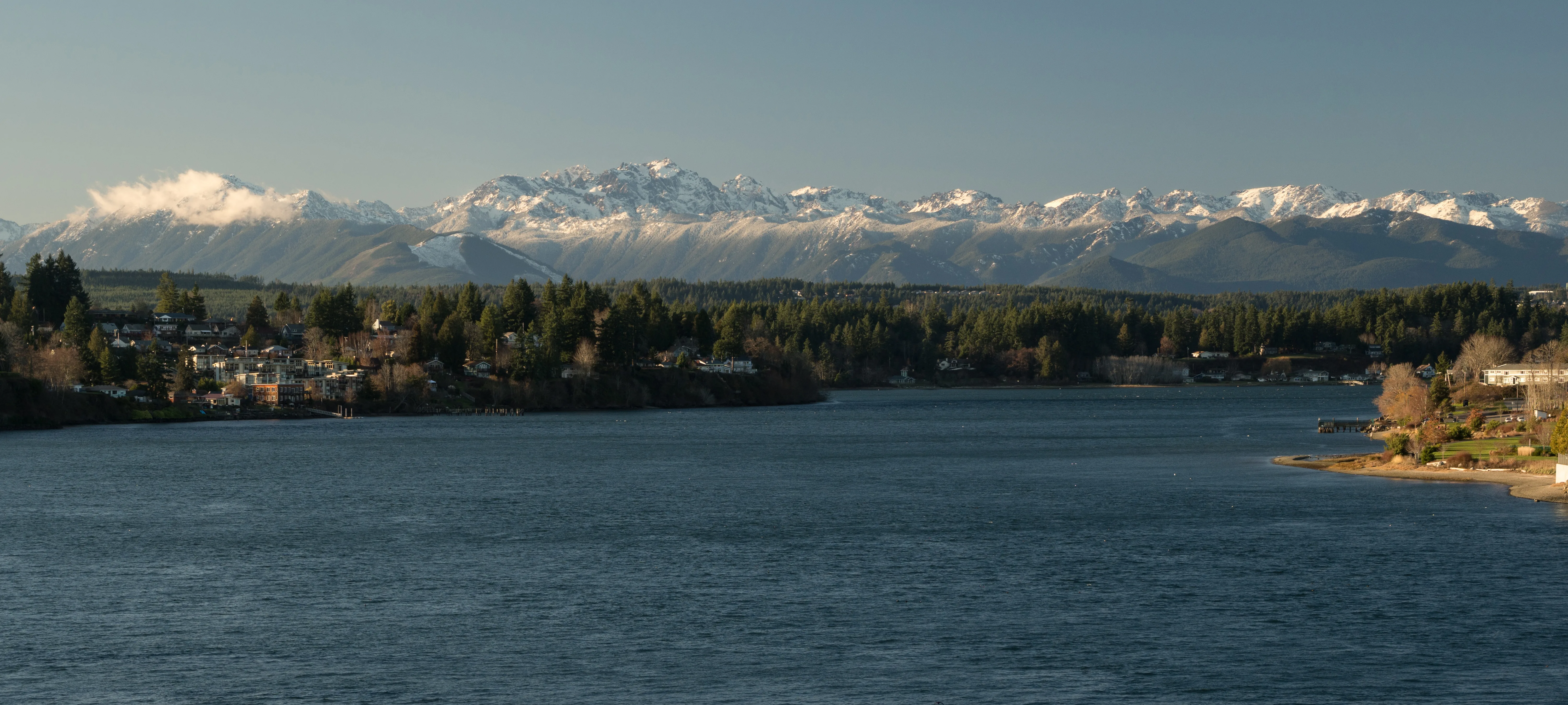
Geographically, Bremerton sits on the western shore of Puget Sound, the largest city on the Kitsap Peninsula and the hub of a region anchored by one of the largest naval installations on the West Coast. The Puget Sound Naval Shipyard and Naval Base Kitsap don't just shape the economy here — they shape the demographics, the pace of life, and the housing market in ways that casual visitors miss entirely. State Route 3 cuts through western Bremerton, the ferry terminal connects the downtown waterfront directly to Seattle's Colman Dock, and two bridges over Port Washington Narrows stitch together neighborhoods that feel distinctly different from one another. This is a city of geography: water on multiple sides, hills everywhere, and corridors that matter enormously when you're choosing a neighborhood.
This guide will help you answer the questions that Zillow can't: which neighborhoods actually suit which kind of buyer, what the ferry commute feels like at 7 a.m. in February, where Bremerton is genuinely improving and where the optimism is running ahead of reality, and whether the math of living here — relative to Seattle, Silverdale, or Bainbridge Island — actually works for your life. By the end, you'll have enough real information to decide whether Bremerton belongs on your shortlist or whether a neighboring city is the better fit.
Not every city works for every buyer, and Bremerton is more specific in its appeal than most. The table below cuts through the noise.
| Best For | Why |
|---|---|
| Seattle commuters on a budget | $471,000 median vs. $875,000+ in Seattle; fast ferry puts you at Colman Dock in under 30 minutes |
| Military families & DoD civilians | Naval Base Kitsap and PSNS are literally in the backyard; short-term rentals and resale both move quickly |
| Remote workers | Seattle-level salaries stretch significantly further; fiber internet increasingly available across the peninsula |
| First-time buyers | Entry-level homes start around $261,000; the market moves fast but isn't the bidding-war circus of Seattle proper |
| Retirees seeking waterfront access | Quieter pace, ferry access to Seattle without living there, strong healthcare infrastructure with St. Michael Medical Center |
| Artists and small-business owners | Downtown is mid-revitalization; rents are low enough to make brick-and-mortar viable in ways Seattle hasn't allowed in years |
The first thing most newcomers notice isn't the water — it's the hills. Bremerton is built on terrain that makes flat lots genuinely scarce, and the topography creates natural divisions between neighborhoods that a street map doesn't fully convey. The Manette neighborhood sits across the bridge from downtown proper; West Bremerton climbs toward SR-3 and feels more suburban in character; East Bremerton stretches south and east with split-levels on generous lots. Port Washington Narrows physically separates eastern and western Bremerton, and the two bridges — the Warren Avenue Bridge and the rebuilt Manette Bridge — are the daily connective tissue for residents who live on opposite sides.
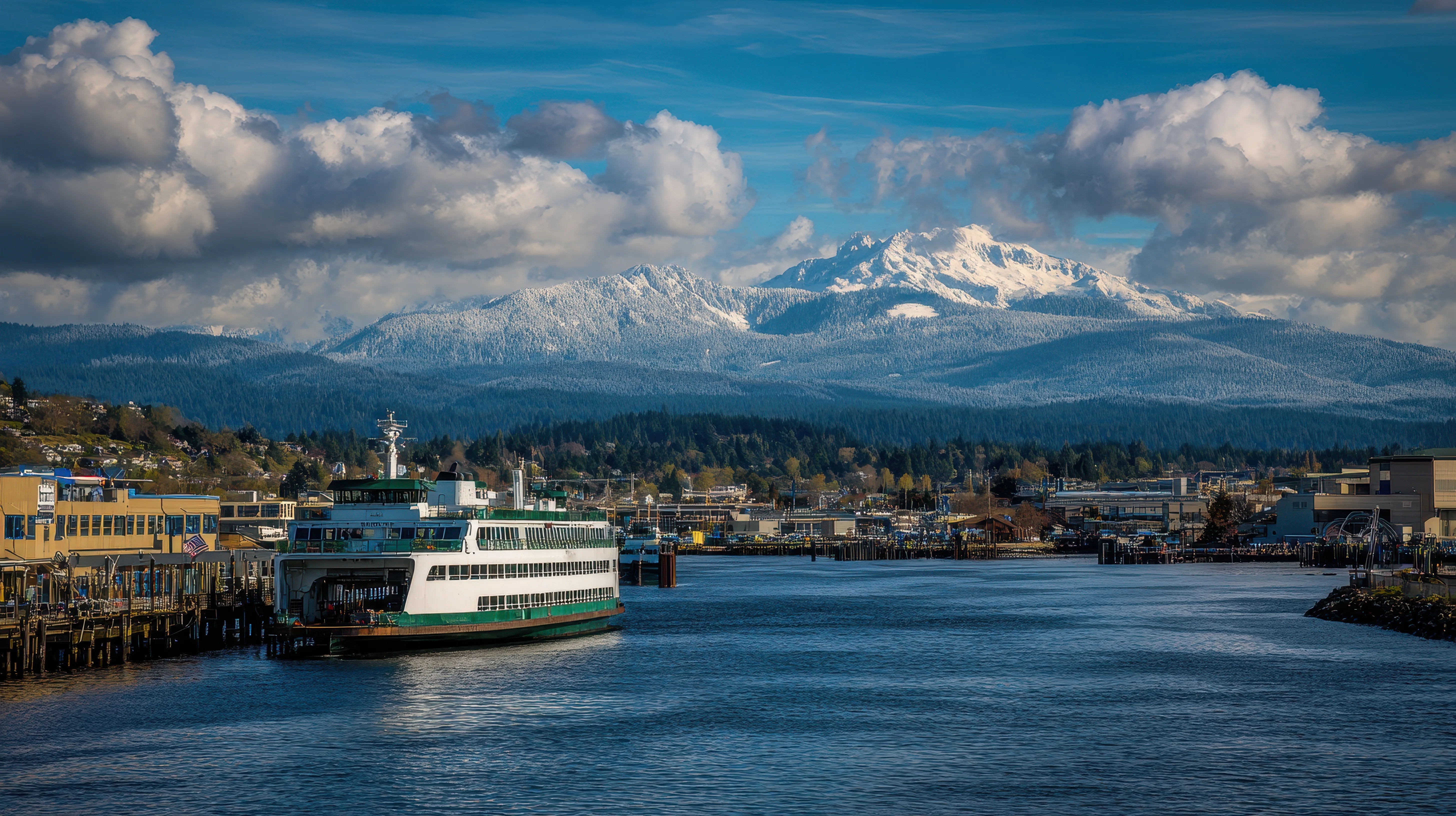
The ferry commute is the defining feature of life here for anyone working in Seattle. The Kitsap Transit Fast Ferry covers the crossing in roughly 28 to 30 minutes, and a monthly commuter pass runs around $170. What the transit schedule doesn't tell you is that ferry life has a rhythm: you plan around sailings, you learn the terminal parking situation early, and you accept that a missed boat means a real wait. In rain and wind, the crossing is still comfortable on the enclosed passenger ferry — but this isn't the same as hopping on a light rail. Most commuters adapt quickly and find the forced downtime on the water genuinely restorative compared to sitting on I-5.
The community vibe in Bremerton is genuinely difficult to characterize in a single sentence, which is part of what makes it interesting. The military population — drawn by PSNS and Naval Base Kitsap — creates a transient layer that keeps the housing market active and adds demographic diversity you don't find in most Puget Sound suburbs. Layered on top of that is a long-standing blue-collar working waterfront culture, a growing creative class drawn by low rents and the proximity to Seattle, and retirees who discovered that Bremerton's healthcare infrastructure and housing prices make more sense than anything on the east side of the Sound. These groups don't always overlap, but they coexist in a city that still feels more authentic than manufactured.
What surprises most people after six months of living here is how quickly the ferry becomes second nature — and how rarely they actually go to Seattle. The Kitsap Peninsula has enough: the farmers markets at the Bremerton ferry terminal on summer Saturdays, the Admiral Theatre for live music and touring shows, the community that gathers around the Harborside Fountain Park on warm evenings. The city rewards people who stop treating it as a satellite of Seattle and start treating it as a place in its own right.
The housing math is the headline, but it's not the whole story. At $471,000, Bremerton's median sold price is roughly 46% below Seattle's, and the homes are not compromises — you're getting split-levels and Craftsman bungalows with actual yards, garages, and views that would carry a substantial premium if they sat 30 minutes east on the other side of the water. Homes here sell in about 15 days on average with around two offers, which means the market is competitive enough to indicate real demand without the frantic all-cash-above-asking dynamics that have exhausted buyers in King County.
Access to the outdoors is exceptional and immediate. Illahee State Park sits within city limits and offers forested trails, saltwater access, and old-growth timber that genuinely surprises people expecting a scrubby suburban park. Evergreen Rotary Park adds more green space near the water. The entire Olympic Peninsula is within 90 minutes, the Hood Canal is closer than that, and the Kitsap trail network has expanded meaningfully in recent years. If your relocation is motivated at least partly by wanting a Pacific Northwest lifestyle rather than just a Pacific Northwest zip code, Bremerton delivers in a way that suburban Renton or Federal Way simply cannot.
The local identity and cultural infrastructure are stronger than most newcomers expect. The Admiral Theatre — a restored 1935 venue on Pacific Avenue — hosts national touring acts, film screenings, and community events throughout the year. The USS Turner Joy Museum Ship and the Puget Sound Navy Museum give the waterfront a genuine anchor beyond just ferry traffic. The downtown arts scene, while still developing, has real bones: First Friday gallery walks, the Bremerton Historic Theatre District designation, and enough independent restaurants and coffee shops to make the neighborhood feel lived-in rather than placeholder.
Healthcare access is a practical advantage that matters more as people age into the city. St. Michael Medical Center, which opened its new facility in Silverdale in 2021, is within easy reach, and Harrison Medical Center provides additional capacity. For a city of roughly 45,000 people, the healthcare infrastructure is notably strong — a direct function of the federal presence and the regional population base. This is a genuine quality-of-life differentiator compared to smaller towns further out on the peninsula.
The school district is the most common reason families with children reconsider Bremerton after an initial visit. The Bremerton School District carries a C+ rating, and that number reflects real challenges — test scores, resource gaps, and the transience that comes with a significant military-family population cycling through every two to three years. Families who've done the research often end up looking at Central Kitsap School District (centered in Silverdale) as an alternative, which means either accepting a longer commute or giving up the ferry-accessible neighborhoods that make Bremerton's price point so compelling. That's a genuine tradeoff that doesn't resolve neatly.
Crime statistics require honest context. Bremerton's property crime rate of approximately 29 incidents per 1,000 residents is elevated — roughly double the national average — and it's concentrated enough geographically that where you live within the city matters significantly. The violent crime rate of approximately 4.3 per 1,000 residents is higher than neighboring Silverdale or Bainbridge Island. Downtown Bremerton has improved meaningfully in recent years, but buyers who want the honest picture need to research specific streets and blocks rather than accepting a citywide average. The safety post in this series goes into considerably more depth.
The ferry dependency cuts both ways. The 30-minute crossing is efficient when ferries are running on schedule, but Washington State Ferries has contended with vessel shortages, staffing gaps, and mechanical issues that have disrupted service more than riders would like. Commuters who build their lives around the sailing schedule occasionally face cascading delays during high-demand periods or maintenance windows. Car ferry crossing time is closer to 60 minutes each way, and bringing a vehicle adds both cost and unpredictability. Most serious commuters eventually choose the passenger-only fast ferry and arrange their Seattle errands around it — but the dependency on a boat, rather than a road, is a real psychological and logistical adjustment.
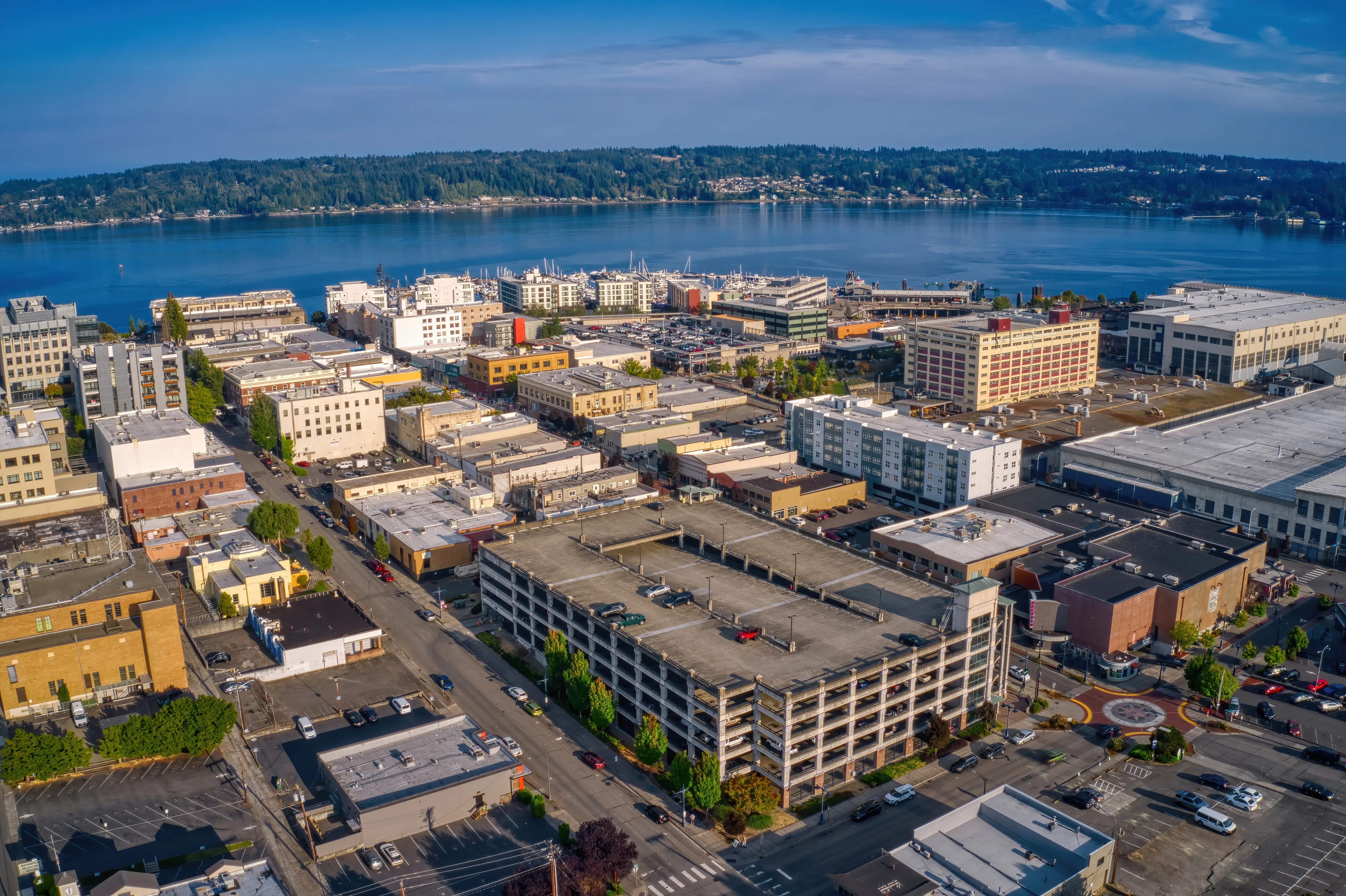
The downtown revitalization, while genuine, is still a work in progress. Pacific Avenue has improved, new development is visible near the waterfront, and the ferry terminal area has been meaningfully upgraded. But Bremerton's commercial core still has stretches that reflect decades of disinvestment, and the city doesn't yet have the density of dining, retail, and nightlife that would make it feel like a complete urban environment. People who move here expecting downtown Seattle energy will be disappointed. People who move here expecting a Pacific Northwest waterfront city with a functional core and strong bones will generally find what they were looking for.
Manette sits across the Manette Bridge from downtown and carries a reputation as Bremerton's most walkable, community-oriented neighborhood. The housing stock runs toward Craftsman bungalows and older cottages, with prices ranging from approximately $475,000 to $725,000 depending on waterfront proximity and renovation quality — making it among the priciest zip codes in the city. The tradeoff is that the bridge creates a single point of access that can back up during peak morning hours.
Best for: Buyers who want walkable neighborhood character, proximity to the ferry, and are willing to pay toward the top of the Bremerton range for it.
Charleston occupies the northeastern corner of Bremerton near the Naval base, and its identity is shaped almost entirely by that proximity. The neighborhood runs toward modest single-family homes and duplexes, with prices that tend to track the city's lower-to-mid range. Turnover is higher here than elsewhere due to military rotations, which keeps inventory moving but can make building long-term neighbor relationships feel harder.
Best for: Military families and DoD civilians who prioritize short commutes to Naval Base Kitsap and want manageable entry-level pricing.
East Bremerton is the city's largest residential district by footprint and arguably its most stable in terms of long-term owner-occupancy. The housing stock is dominated by split-levels, updated ramblers, and mid-century homes on generous lots, with a median price hovering around $456,000 as of early 2026. The neighborhood's distance from the ferry terminal means most residents are car-dependent commuters rather than ferry riders, but access to SR-3 for south-peninsula destinations is straightforward.
Best for: Families and households with kids who want more square footage per dollar and don't commute daily to Seattle.
Downtown Bremerton is the city's most visible transformation story, and buyers paying attention to the trajectory — rather than the starting point — are finding value. The waterfront corridor around the Bremerton Boardwalk and Harborside Fountain Park has been substantially improved, and the ferry terminal concentration means foot traffic actually exists here in ways it doesn't in most small-city downtowns. Median prices in the downtown area have appreciated sharply in recent years, and condo and mixed-use inventory is more common here than anywhere else in Bremerton.
Best for: Remote workers, walkability seekers, and buyers who want urban proximity to Seattle without paying Seattle prices, and who are comfortable with a neighborhood still mid-revitalization.
Union Hill is a residential neighborhood on the eastern slopes above downtown, offering elevated views and a quieter setting within walking distance — or a short drive — of the waterfront. The housing stock is varied, with older homes mixed alongside more recently renovated properties. Prices tend to run in the mid-range relative to the broader city market, and the neighborhood attracts a mix of long-time residents and newer buyers priced out of Manette.
Best for: Buyers who want proximity to downtown amenities without downtown density, and who prioritize views over flat yards.
Haddon sits in the southeastern portion of Bremerton and tends to attract buyers looking for more suburban character — larger lots, less dense development, and a neighborhood feel that doesn't require constant engagement with city traffic. It's not a destination neighborhood in the way Manette is, but it's consistently practical: reasonable prices, solid housing stock, and access to East Bremerton amenities.
Best for: Buyers who prioritize quiet, space, and value over neighborhood identity or walkability.
Evergreen is anchored by Evergreen Rotary Park and benefits from green space access that distinguishes it from more urban parts of the city. The neighborhood has a comfortable, established residential feel with a mix of family-sized homes and smaller properties. Proximity to the park and Puget Sound views in certain elevated pockets make it one of the more livable mid-range neighborhoods in Bremerton.
Best for: Families with kids who want park access and a quieter setting without committing to the premium prices of Manette or Tracyton.
West Bremerton is the most affordable quadrant of the city, with a median price around $410,000 as of early 2026. The neighborhood borders SR-3, which provides easy highway access but also creates some noise and visual impact along the corridor. The housing stock skews older and the neighborhood feels more working-class than its eastern counterparts, but for first-time buyers or investors watching value trajectories, the price entry point is hard to match within Bremerton proper.
Best for: First-time buyers, investors, and households prioritizing maximum square footage per dollar over neighborhood prestige or ferry proximity.

Bremerton's neighborhoods each tell a different financial story for buyers relocating here. Manette's walkability and waterfront character have made it one of the more competitive pockets in the city, with well-priced homes routinely going under contract within days of listing. Charleston and East Bremerton tend to offer more inventory and a wider range of price points, generally keeping options available under $750,000 for buyers who do their homework early. Understanding where you want to land geographically — and why — helps shape a loan strategy that actually fits the neighborhood you're targeting, not just a number on a screen.
Before you schedule a single tour, sit down with a lender. Not because it's a formality, but because your true monthly payment includes property taxes, homeowner's insurance, and potentially HOA dues layered on top of principal and interest — and that full picture often looks different than buyers expect. Getting pre-approved also tells you what you're comfortable spending, which isn't always the same as what you're approved for. Bremerton's desirable homes move fast, and having your financing ready means you're not scrambling when the right place appears.
| City | Best For | Median Home Price | Seattle Commute | Vibe |
|---|---|---|---|---|
| Bremerton | Ferry commuters, military families, first-time buyers | $471,000 | ~30 min (fast ferry) | Working waterfront, mid-revitalization, authentic |
| Silverdale | Families prioritizing schools and suburban convenience | ~$550,000 | 60+ min (car + ferry) | Suburban, commercial, Central Kitsap schools |
| Port Orchard | Budget buyers, South Kitsap families | ~$430,000 | 45–60 min | Slower pace, smaller scale, growing |
| Bainbridge Island | Premium buyers, short ferry crossing, top schools | ~$1,200,000 | ~35 min (ferry) | Affluent, walkable, highly desirable |
| Poulsbo | Families wanting charm with growth | ~$550,000 | 60–75 min | Historic downtown, Scandinavian character, expanding |
| Seattle | Urban lifestyle, no ferry dependency | ~$875,000 | N/A | Dense, high-cost, full urban amenities |
| Metric | Bremerton 2026 |
|---|---|
| Population | ~45,886 |
| Median Sold Home Price | $471,000 (March 2026) |
| Median Household Income | ~$74,940 |
| Property Tax Rate | ~0.98% |
| Average Rent (1-bed) | ~$1,587/month |
| Commute to Seattle | ~30 min (fast ferry) |
| Violent Crime Rate | 4.3 per 1,000 residents |
| Property Crime Rate | 29 per 1,000 residents |
| School District | Bremerton School District (C+) |
| Largest Employer | Naval Base Kitsap / PSNS |
| Cost of Living vs. National Average | ~16% above |
| Average Days on Market | ~15 days |
Bremerton runs on naval time in ways that aren't always visible to newcomers. When the fleet is in port — meaning ships have returned from deployment — the population density around the shipyard area spikes noticeably, traffic on specific corridors picks up, and even the local grocery stores feel different on a Friday afternoon. Long-time residents learn to read the rhythms of the base calendar the way farmers read weather, and it shapes everything from restaurant wait times to housing inventory.
The Bremerton Blackberry Festival is the city's signature summer event and has been a community anchor for decades. Held each August at the downtown waterfront, it draws residents from across the Kitsap Peninsula for live music, local vendors, and food — and it's one of the clearer signals that Bremerton has a civic identity that predates and exists independently of its Seattle satellite status. The Admiral Theatre's fall and winter concert season is another genuine local institution: seeing a national touring act in an intimate, restored 1935 Art Deco venue for a fraction of what the same show costs at a Seattle arena is one of those Bremerton advantages that residents quietly love.
The Kitsap Harbor Tours and the USS Turner Joy experience aren't just tourist attractions — locals treat them as conversation-starters for visitors and a reminder of what makes this waterfront historically distinctive. Summer Saturdays at the ferry terminal farmers market have become a community gathering point, with the Olympic Mountains as an involuntary backdrop and a consistent rotation of Kitsap Peninsula farms and food producers.
What I would not do if moving to Bremerton: Buy in West Bremerton near the SR-3 interchange without first sitting in the neighborhood during a Friday evening commute window. The highway access that makes the area convenient also concentrates noise and cut-through traffic in ways that daytime visits don't reveal. The price discount in that specific corridor is real — and so is the reason for it.
Local Expert Takeaway: If you're a Seattle-bound commuter with a household budget under $550,000, Bremerton is almost certainly worth a serious look — but neighborhood selection is everything. Prioritize properties within a 10-minute walk or flat bike ride of the Bremerton ferry terminal, and lean toward Manette or the downtown-adjacent corridors where appreciation has been strongest and the walkable-waterfront lifestyle is most intact. The school district is a real consideration for families with kids, and buyers in that situation should weight proximity to Central Kitsap District boundary lines in their neighborhood search. The market moves fast — 15-day average days on market — so come prepared.
✅ Bremerton offers the most compelling price-to-Seattle-access ratio on Puget Sound — $471,000 median with a 30-minute fast ferry crossing is a combination that doesn't exist anywhere else in the metro area.
⚠️ The school district and property crime rate are the two most common reasons buyers reconsider — both require neighborhood-level research rather than citywide averages, and both are more nuanced than the headline numbers suggest.
📍 The neighborhood you choose within Bremerton matters more than the city decision itself — Manette, downtown-adjacent, and East Bremerton have meaningfully different characters, price trajectories, and practical daily-life experiences.
Is Bremerton a good place to live for families?
Bremerton can work very well for families, particularly those connected to the military or DoD workforce, and those who prioritize outdoor access and housing value. The Bremerton School District's C+ rating is the primary concern for parents with school-age children, and many families who choose this city explore public school options carefully or consider the proximity to Central Kitsap District boundaries. The parks, the waterfront access, and the cost savings relative to Seattle or Bainbridge Island make the tradeoff worthwhile for many households.
What is the crime rate in Bremerton?
Bremerton's violent crime rate is approximately 4.3 per 1,000 residents and its property crime rate runs around 29 per 1,000 — both elevated compared to neighboring cities like Silverdale or Port Orchard. Property crime is the more prevalent concern and tends to be concentrated in specific corridors rather than evenly distributed across all neighborhoods. Manette, East Bremerton, and the hillside residential areas generally report calmer conditions than the downtown-adjacent commercial zones.
How does Bremerton compare to Silverdale for buyers?
Silverdale offers stronger schools through the Central Kitsap School District and a more conventional suburban infrastructure — shopping, chain dining, and flat terrain — at a median price point roughly $80,000 higher than Bremerton. What Bremerton has that Silverdale doesn't is ferry access to Seattle, genuine waterfront character, and a more textured urban identity. Buyers who commute to Seattle and value neighborhood authenticity tend to favor Bremerton; buyers prioritizing schools, suburban convenience, and car-based mobility often land in Silverdale.
Explore the full Bremerton series: The Ultimate Bremerton Relocation Guide · Is Bremerton Safe? · Cost of Living in Bremerton · Best Neighborhoods in Bremerton · Bremerton Schools & Family Life · Bremerton Youth Sports · Bremerton Parks & Recreation · Retiring in Bremerton · 1031 Tax-Deferred Exchange in Bremerton · Bremerton First-Time Homebuyers Guide · Bremerton Down Payment Assistance Guide · Moving to Bremerton from California