Puget Sound · Washington
Parks & Recreation in Issaquah: Trails, Facilities & Outdoor Life (2026)
You've probably heard Issaquah called a suburb. The label undersells what's actually here. Within 15 minutes of a downtown coffee shop, you can be standing at a trailhead with 80 miles of routes in front of you — and that's just one of three mountain systems surrounding the city. Issaquah has more than 200 miles of trails, over 60 trailheads, and 1,300 acres of managed open space. The nickname "Trailhead City" isn't marketing copy. It's an accurate description of daily life.
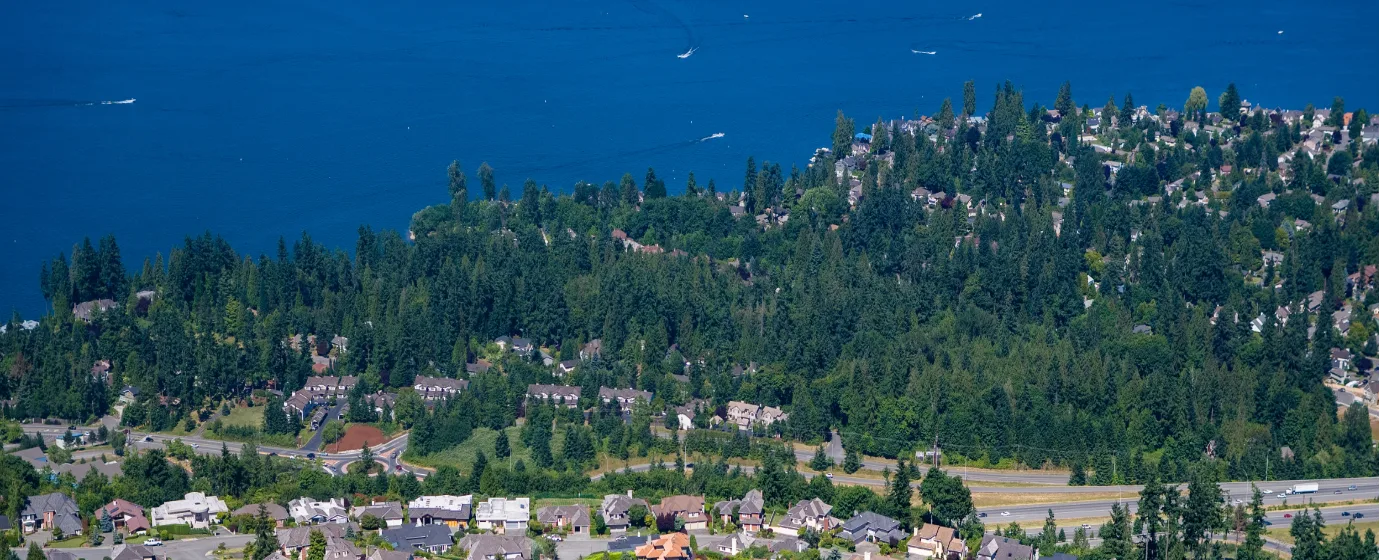
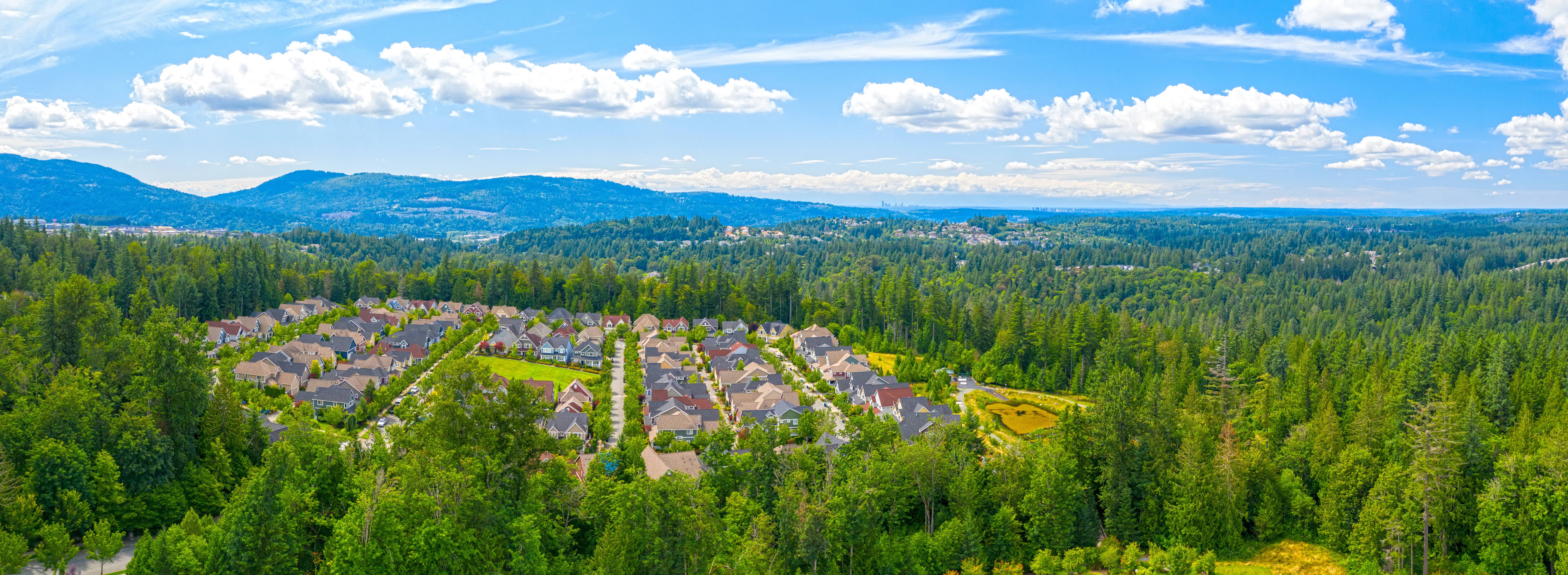
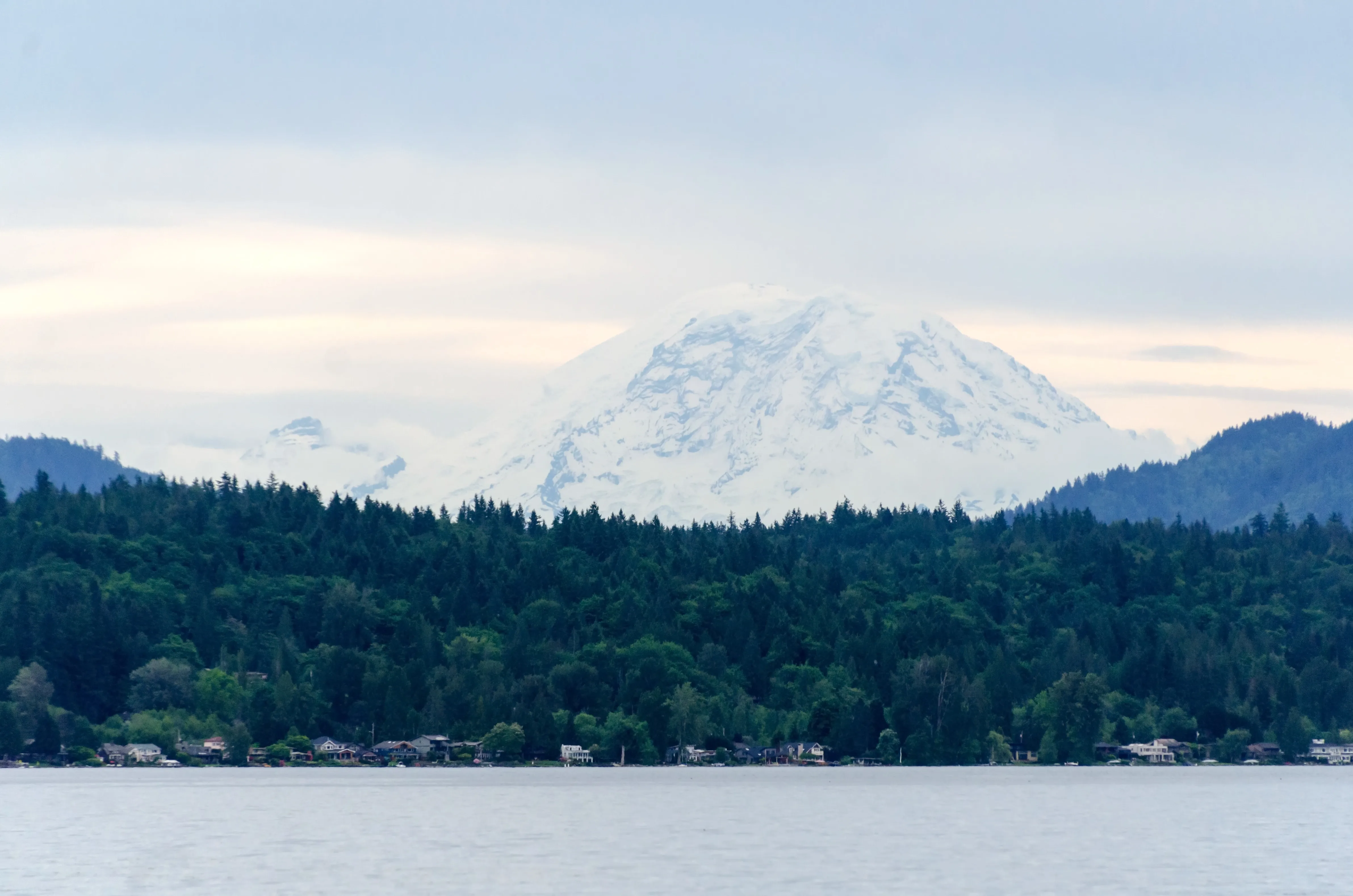
What shapes this outdoor landscape is geography. The Issaquah Alps — Tiger, Cougar, and Squak Mountains — frame the city on three sides, putting more than 15,000 acres of connected public forest land within easy reach. Layered on top of that is a lake that draws over two million visitors annually and a city trail network designed to connect neighborhoods directly to wilderness access.
This guide will help you understand what that actually means for a buyer or renter making a decision about where to live here — which parks anchor community life, which trails are worth knowing by name, and what recreational infrastructure exists beyond the open-space numbers.
| Park | Highlights | Best For |
|---|---|---|
| Lake Sammamish State Park | 512 acres, 6,858 ft of waterfront, 2 swim beaches, 9 boat launches | Swimming, boating, picnics |
| Cougar Mountain Regional Wildland Park | 3,115 acres, 38 mi hiking, 12 mi equestrian, free parking | Day hikes, equestrian, solitude |
| Tiger Mountain State Forest | 80+ mi trails, mountain biking, paragliding at Poo Poo Point | MTB, technical hiking |
| Squak Mountain State Park | 590+ acres, forest hiking, connects to Cougar via corridor | Quiet forest hikes |
| Grand Ridge Park | 1,200 acres, 7-mi trail, 600-ft boardwalk, MTB | Mountain biking, family hikes |
| Tibbetts Valley Park | 30 acres, lit athletic fields, skate park, tennis | Youth sports, community rec |
| Confluence Park | Creek-side green space, salmon viewing, downtown access | Casual walks, nature education |
| Duthie Hill Mountain Bike Park | 6+ mi dedicated MTB trails, connected to Grand Ridge | Technical mountain biking |
| Issaquah Salmon Hatchery (Creek area) | Wildlife viewing, educational, Tibbetts Creek corridor | Nature ed, fall salmon runs |
| Squak Valley Park | Creek access, picnic areas, connects to Alps trail system | Families, picnics |
Location: 2010 NW Sammamish Rd, Issaquah, WA 98027
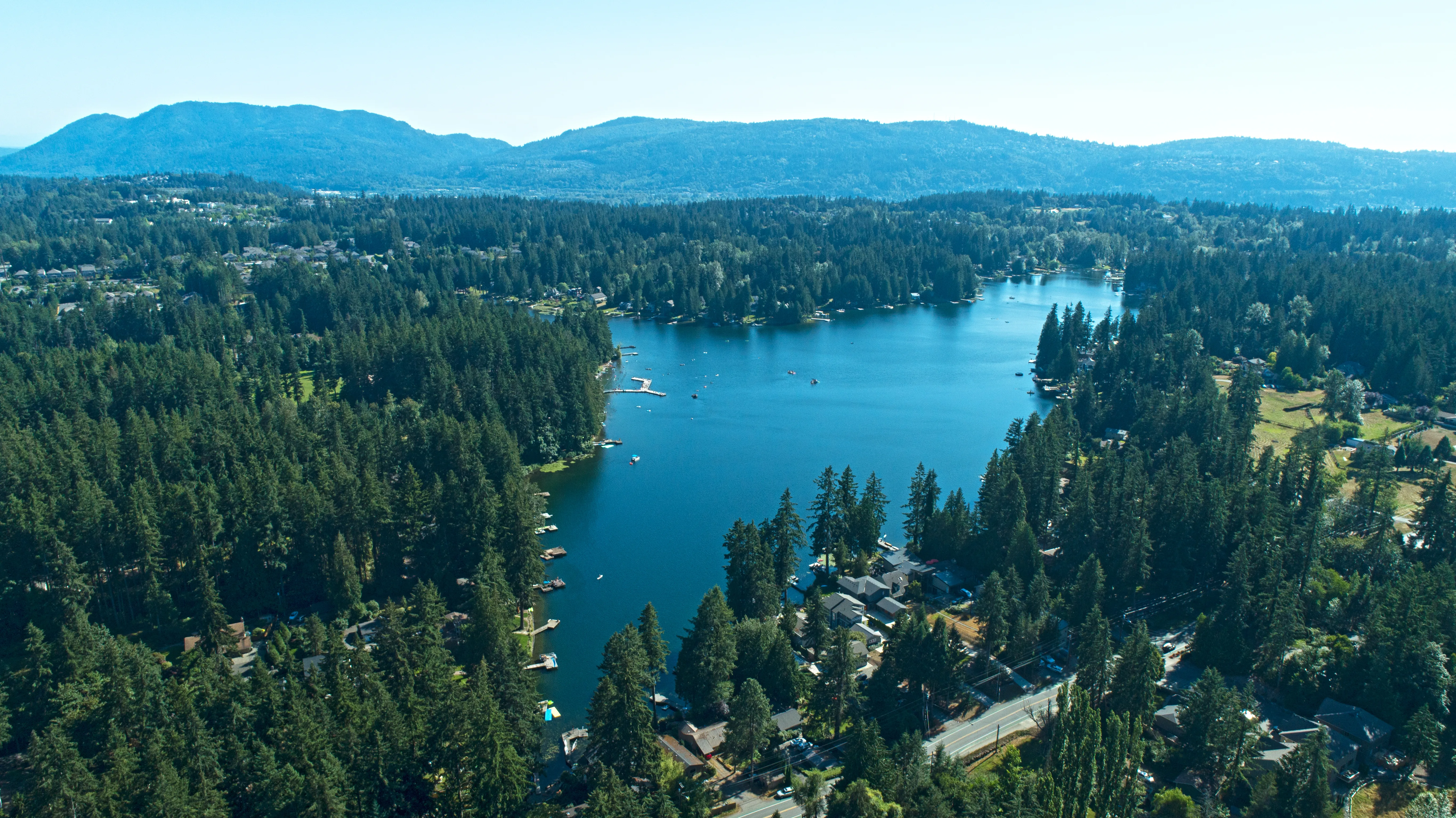
This is the crown jewel of Issaquah's outdoor system — 512 acres of waterfront park where Issaquah Creek meets Lake Sammamish, with two designated swim beaches (Tibbetts and Sunset), nine boat launches, and enough picnic capacity to host a small festival. The park draws over two million visitors annually, which rivals Mount Rainier visitation and tells you everything about how seriously the region takes this place. The insider move is arriving before 9 a.m. on summer weekends — parking fills fast, and the serenity of the morning water before the crowds arrive is worth the early start.
Best for: Families with kids, boaters, kayakers, summer weekend swimmers
Location: 18201 SE Cougar Mountain Drive, Issaquah, WA 98027
At 3,115 acres with 38 miles of hiking trails and 12 miles of equestrian routes, Cougar Mountain is Issaquah's closest thing to a wilderness preserve inside city limits — and unlike Tiger Mountain, it's a county park with free parking, no Discover Pass required. The trail system winds through second-growth forest past four waterfalls, cliffs, and stream crossings, with viewpoints looking out toward Lake Sammamish and the Cascades. Note that bicycles are prohibited on all trails here, making it one of the few local parks where hikers have the paths entirely to themselves.
Best for: Hikers, equestrians, anyone who wants the wilderness feel without the weekend MTB crowd
Location: Multiple trailheads southeast of Issaquah off I-90 and SR 18
Tiger Mountain is where Issaquah's reputation as a mountain biking destination was built — 80+ miles of trails ranging from smooth flow tracks for beginners to technical descents that challenge experienced riders. The Poo Poo Point Trail (7.2 miles round trip) draws paragliding spectators as much as hikers, with a launch pad used year-round and views extending to Mount Rainier on clear days. West Tiger 3, with its 2,001-foot elevation gain in roughly 5 miles, has become a de facto training route for Seattle-area trail runners preparing for bigger objectives.
Best for: Mountain bikers, trail runners, paragliding spectators, strong hikers
Location: Accessible via Issaquah Highlands Central Park; Duthie Hill access at 26150 SE Issaquah-Fall City Rd
Grand Ridge is the park that makes Issaquah Highlands real estate feel like a different category. At 1,200 acres ascending to 1,100 feet, with a seven-mile main trail open to hikers, mountain bikers, and equestrians, this is the park most Highlands residents reference when they explain why they paid what they paid. A 600-foot boardwalk near the Duthie Hill connection and a hand-built 40-foot bridge over Canyon Creek give the trail system a built-character that feels intentional — and it connects to more than 2,000 acres of public open space including Mitchell Hill Forest and Preston Ridge.
Best for: Issaquah Highlands residents, mountain bikers via Duthie Hill connection, family hiking
Location: 965 12th Ave NW, Issaquah, WA 98027
Tibbetts Valley is Issaquah's primary community athletic hub — 30 acres with five athletic fields (two lit for evening play), four tennis courts, a basketball court, a skate park, and Tibbetts Creek running through a natural interpretive corridor. This is where youth leagues convene, where pickup basketball happens on weekend mornings, and where families who don't need wilderness access on a Tuesday afternoon come to decompress. The park sits at the intersection of Newport Way and 12th Avenue, making it genuinely walkable from several downtown-adjacent neighborhoods.
Best for: Youth sports, pickup games, families with active kids, skaters
The single most defining outdoor feature of living in Issaquah isn't any individual park — it's the connectivity between them. Tiger, Cougar, and Squak Mountains form a contiguous trail system of more than 100 miles across 15,000-plus acres, all accessible from trailheads inside city limits. The Cougar-Squak Corridor Park links Cougar Mountain Regional Wildland Park to Squak Mountain State Park, creating roughly 5,000 acres of uninterrupted protected land you can traverse on foot or horseback without touching a road.
The Trailhead Direct seasonal bus service runs weekends and holidays from downtown Seattle directly to Issaquah Alps trailheads — a detail worth knowing if you have visiting friends without cars, or if you occasionally want to leave the vehicle behind entirely. The Issaquah Alps Trails Club, now in its fifth decade, leads guided hikes throughout the system and serves as the community's institutional memory for these mountains. For new residents, their guided hike calendar is one of the fastest ways to learn which trails are worth prioritizing in each season.
Issaquah's indoor recreation anchor is the Issaquah Community Center (301 Rainier Blvd N, Issaquah, WA 98027), operated by the city's Parks and Recreation department. It hosts fitness programs, youth classes, senior programming, and serves as the registration hub for city recreation leagues across sports and seasons.
For aquatic programming, the Issaquah Pool (301 Rainier Blvd N, inside the Community Center complex) offers lap swimming, recreational swim sessions, swim lessons for all ages, and water fitness classes. The facility draws consistent year-round use from families, competitive youth swimmers, and older adults looking for low-impact exercise options. For residents who want additional aquatic access, the Sammamish Valley YMCA and facilities in Bellevue are within a 15-minute drive.

Issaquah's outdoor lifestyle isn't just a quality-of-life perk — it genuinely shapes home values in ways buyers should understand before they start shopping. Neighborhoods like Issaquah Highlands and Klahanie sit adjacent to trail systems and parks that draw consistent buyer demand, which means well-priced homes in those areas often move within days, not weeks. Talus buyers get a similar story, with natural surroundings that keep resale appeal strong. If you're targeting something under $750,000 in any of these communities, expect competition and be prepared to move quickly.
That's exactly why connecting with a lender before you tour a single home makes a real difference. Your approval number is just a ceiling — what actually matters is understanding your full monthly obligation, which includes loan structure, property taxes, homeowner's insurance, and any HOA dues that vary considerably across Issaquah communities. A comfortable payment and a maximum approved payment are often two different numbers. When the right home near your favorite trail or park hits the market, you won't have time to scramble — having your financing sorted beforehand means you're ready to act with confidence.
| Destination | Distance | Highlights |
|---|---|---|
| Snoqualmie Falls | 20 min east | 268-ft waterfall, paved trail, year-round access |
| Rattlesnake Ledge | 25 min east | 4-mi RT hike, panoramic Cascades views |
| Mount Si | 30 min east | Classic training peak, 8-mi RT, 3,150-ft gain |
| Bellevue Downtown Park | 20 min west | Manicured urban green space, waterfall canal |
| Twin Falls (Olallie SP) | 25 min southeast | Old-growth forest, 2.6-mi RT, dramatic falls |
| Snoqualmie Valley Trail | 10 min east | 31-mi rail trail, flat, biking and walking |
| Flaming Geyser State Park | 30 min south | Tubing on Green River, picnicking |
| South Fork Snoqualmie River | 20 min east | Whitewater kayaking, summer swimming holes |
Local Expert Takeaway: The most underrated outdoor asset in Issaquah for buyers is the Cougar Mountain Regional Wildland Park — specifically because it's free, uncrowned compared to Tiger Mountain on weekends, and directly accessible from neighborhoods like Mirrormont and Cougar Mountain that are priced below the Highlands premium. If your buyers want trail-adjacent living without the $1.2M+ entry point, that southeast corridor deserves a serious look before they assume only the Highlands delivers on the outdoor lifestyle promise.
Is Issaquah good for hiking and outdoor recreation?
Issaquah is genuinely one of the best-positioned cities in Washington for outdoor access. The Issaquah Alps — Tiger, Cougar, and Squak Mountains — surround the city with more than 100 miles of connected trails, and Lake Sammamish State Park adds another dimension entirely with waterfront recreation, swimming, and boating within the city limits.
Are there good parks for kids and families in Issaquah?
Tibbetts Valley Park is the primary hub for youth athletics and casual family recreation, with lit fields, tennis, basketball, and a skate park. Lake Sammamish State Park's two swim beaches and picnic facilities handle summer family gatherings, and Grand Ridge Park's accessible trails work well for older kids and family hikes.
Do you need a Discover Pass for Issaquah parks?
It depends on the park. Lake Sammamish State Park and Tiger Mountain State Forest both require a Discover Pass for parking. Cougar Mountain Regional Wildland Park is a King County facility with free parking and no pass required — one of the few major parks in the region where you can walk up without planning ahead.
Explore the full Issaquah series: The Ultimate Issaquah Relocation Guide · Is Issaquah Safe? · Cost of Living in Issaquah · Best Neighborhoods in Issaquah · Issaquah Schools & Family Life · Issaquah Youth Sports · Issaquah Parks & Recreation · Retiring in Issaquah · 1031 Tax-Deferred Exchange in Issaquah · Issaquah First-Time Homebuyers Guide · Issaquah Down Payment Assistance Guide · Moving to Issaquah from California