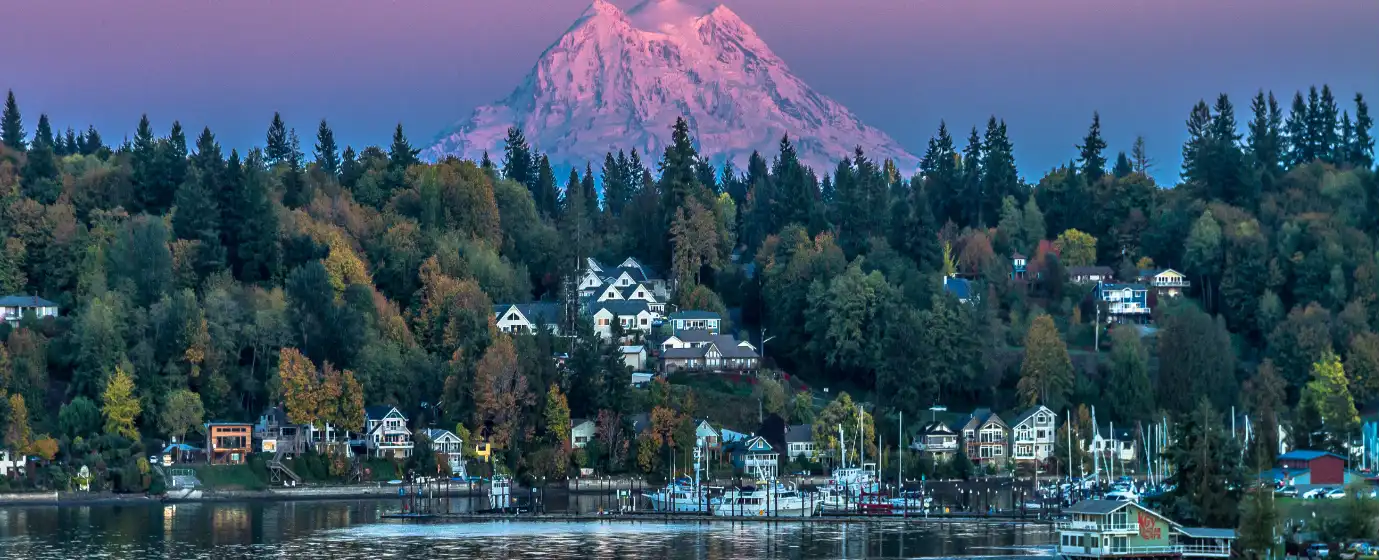
Puget Sound · Washington
Parks & Recreation in Olympia: Trails, Facilities & Outdoor Life (2026)
Olympia surprises most newcomers within the first few weeks — not with its proximity to the Capitol dome, but with how many times they find themselves deep in a temperate rainforest canopy or walking along saltwater shoreline without ever leaving city limits. A mid-size capital city of roughly 56,600 people managing over 1,466 acres across 45 parks is unusual by any measure in the Pacific Northwest.
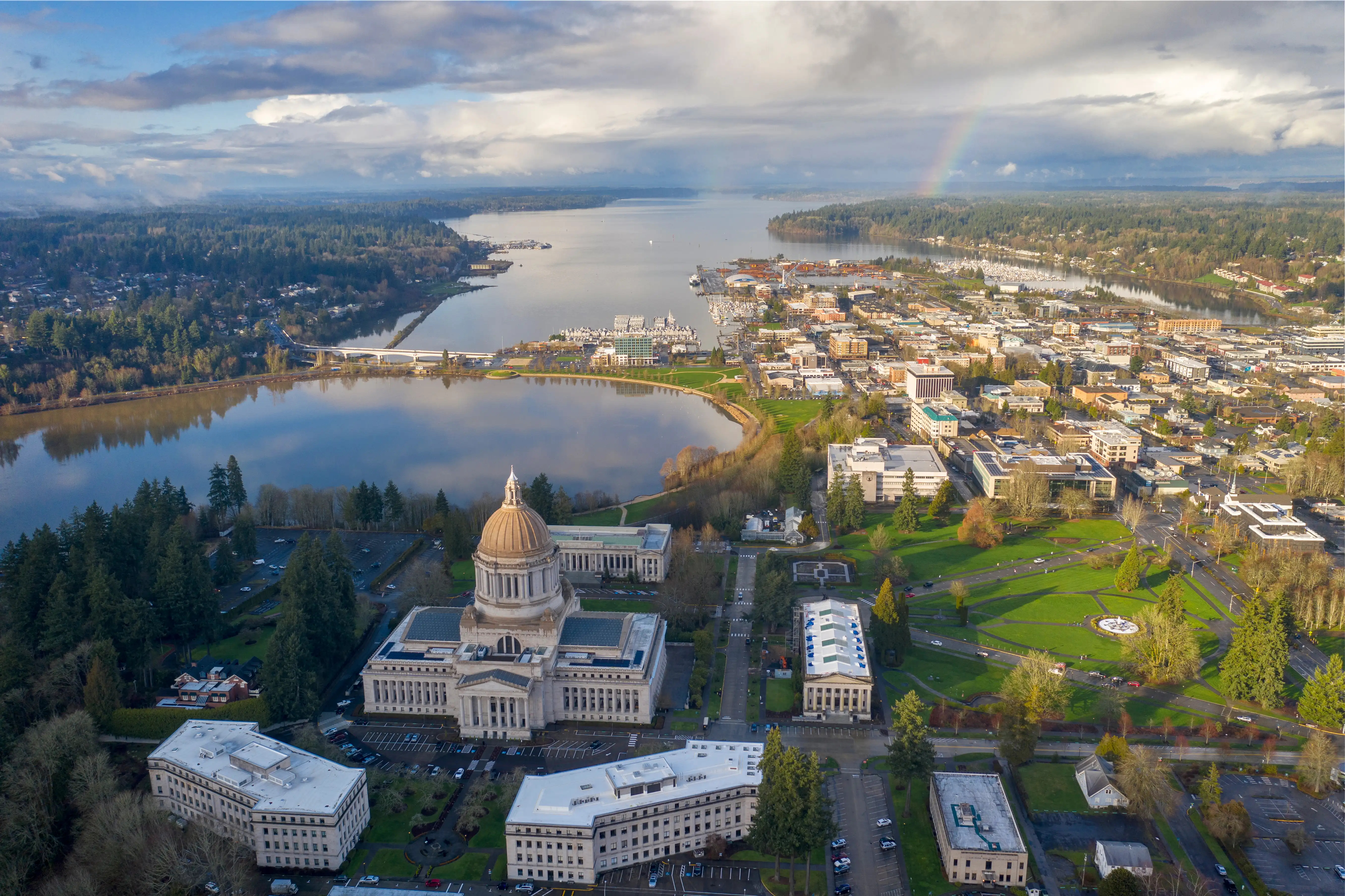
The parks landscape here is shaped by two forces: Olympia's position at the southernmost tip of Puget Sound, and the Squaxin Island Tribe's deep historical presence along the Budd Inlet shoreline. Water is everywhere — tidal flats, spring basins, creek headwaters, marine shorelines — and the city's open space system leans hard into preserving it. The Olympia Parks, Arts & Recreation Department (OPARD) manages everything from manicured downtown gathering spots to wild, near-undeveloped natural reserves.
This guide covers the parks that matter most for daily life, the trail corridors worth knowing before you move, where to swim and register kids for rec programs, and the day-trip destinations that make Olympia's outdoor life punch well above its city-size weight.
| Park | Highlights | Best For |
|---|---|---|
| Squaxin Park (formerly Priest Point) | 314 acres, 4+ miles of trails, saltwater shoreline, rose garden | Hiking, waterfront access, picnics |
| Watershed Park | Moxlie Creek springs basin, old-growth canopy, wetlands | Nature walks, solitude, birding |
| LBA Park and Woods | Tennis, baseball fields, 4 miles of trails, zip line playground | Families, joggers, youth sports |
| Percival Landing | 0.9-mile boardwalk, observation tower, sculptures | Waterfront strolling, events |
| Grass Lake Nature Park | CTC trail trailhead, salmon-supporting creek, intact wetlands | Wildlife, trail connectors |
| Garfield Nature Trail | 7.4-acre greenbelt, ravine corridor | Dog walking, neighborhood links |
| Karen Fraser Woodland Trail | Forested trail, Eastside corridor | Trail running, quiet walks |
| Stevens Field | Athletic fields, community complex | Youth sports, organized leagues |
| Yauger Park | Athletic complex, open turf | Soccer, recreational leagues |
| Sylvester Park | Historic downtown green (1850), State-managed | Events, downtown lunch breaks |
| McGrath Woods | Natural open space, Cain Rd corridor | Walking, unstructured exploration |
| Margaret McKenny Park | Southeast Olympia, open green space | Neighborhood families |
| Madison Scenic Park | Elevated views, 10th Ave SE | Passive recreation, scenery |
Location: 2600 East Bay Dr NE, Olympia, WA 98506
This 314-acre park along Budd Inlet is the anchor of Olympia's outdoor life, offering over four miles of hiking trails, nearly two miles of saltwater shoreline, picnic shelters, a rose garden, basketball courts, and a large playground. The Ellis Cove Trail circles the cove's perimeter, delivering views of downtown Olympia and the Capitol buildings that feel completely unearned for how easy the walk is. The park was renamed Squaxin Park in 2022 by unanimous City Council vote, honoring the Squaxin Island Tribe whose ancestral connection to this shoreline predates the city itself.
Best for: Waterfront hiking, family picnics, weekend nature immersion without leaving city limits.
Location: 2500 Henderson Blvd SE, Olympia, WA 98501
Watershed Park is what Olympia residents mean when they describe the city's "rainforest feel" — the canopy here closes overhead and the understory runs dense with ferns and moss, surrounding the Moxlie Creek Springs Basin, one of the largest spring basins in the region. Multiple trail access points give the park a genuinely exploratory quality, and the trail network feels longer than it is because the terrain changes as you move through the old-growth-like stands. If there's one park in Olympia that converts newcomers into permanent residents, this is it.
Best for: Solo trail walks, dog hiking, anyone who needs to decompress after a week of state government work.
Location: 3333 Morse-Merryman Rd SE, Olympia, WA 98501
LBA delivers the most mixed-use recreational offering in the city — four miles of looped walking and trail running paths behind the athletic fields, plus tennis courts, baseball diamonds, soccer space, a full playground with a zip line, and room for unstructured open play. Walkers and joggers can string together multiple loop variations, which keeps the experience from going stale after the first dozen visits. The trailhead features "The Philosopher," a Percival Plinth Project sculpture by Kevin Au, which has become one of those low-key local landmarks people end up photographing on their first visit.
Best for: Families with school-age children, joggers wanting a varied multi-mile loop, after-work athletic field use.
Location: 217 Thurston Ave NW, Olympia, WA 98501
Percival Landing is Olympia's downtown waterfront front porch — a 3.38-acre park anchored by a 0.9-mile boardwalk running along the eastern shore of West Bay from the Fourth Avenue Bridge to Thurston Avenue. The observation tower, two pavilions, and rotating public art installations make this a destination year-round, not just on summer weekends. It's also dog-friendly, which in Olympia is not a minor detail.
Best for: Evening walks, farmers market overflow, showing visitors what makes downtown Olympia worth living in.
Location: 814 Kaiser Rd NW, Olympia, WA 98502
Grass Lake Nature Park contains the headwaters of Green Cove Creek and one of the most environmentally intact wetland systems in northern Thurston County — the lower reaches of the creek support Coho salmon, chum salmon, steelhead, and cutthroat trout. In 2025, it became the first completed off-street segment of the Capitol to Capitol trail, positioning it as a future through-point for the corridor linking Capitol Forest to the State Capitol campus. For now, it functions as a quiet northwest Olympia natural reserve that most residents east of I-5 have never visited.
Best for: Wildlife observation, creek habitat exploration, early Capitol to Capitol trail access.
The Capitol to Capitol (CTC) Trail is Olympia's most ambitious long-range trail project — a multi-modal corridor designed to connect Capitol State Forest in the west to the Washington State Capitol campus near downtown. The route threads through existing trail networks and natural corridors throughout the city, with Grass Lake Nature Park representing the first completed off-street segment as of 2025. Surface varies by segment, moving between paved multiuse paths and unpaved natural trail, depending on where you enter. The Garfield Nature Trail — a 7.4-acre greenbelt connector at 620 Rogers St NW — is one of the urban segments that stitches the Westside neighborhoods into the broader trail network. When complete, the CTC will give Olympia something few cities its size have: a continuous off-road trail corridor crossing the full width of the urban area.
The Yauger Park Activity Center (1025 Yauger Park Way SW) serves as a primary indoor hub, offering recreation programs alongside the park's outdoor athletic fields. For aquatic programs, the Olympia Family YMCA (510 Franklin St SE) provides swim lessons, lap lanes, fitness classes, and youth programming — it's the most centrally accessible aquatic facility for families relocating to the downtown and South Capitol neighborhoods. OPARD itself runs hundreds of seasonal recreation classes, camps, and programs annually through various facilities, covering youth sports, fitness, arts, and outdoor education. The three city athletic field complexes — LBA, Yauger Park, and Stevens Field (300 24th Ave SE) — handle organized league play across baseball, soccer, and youth sports throughout spring and fall seasons.

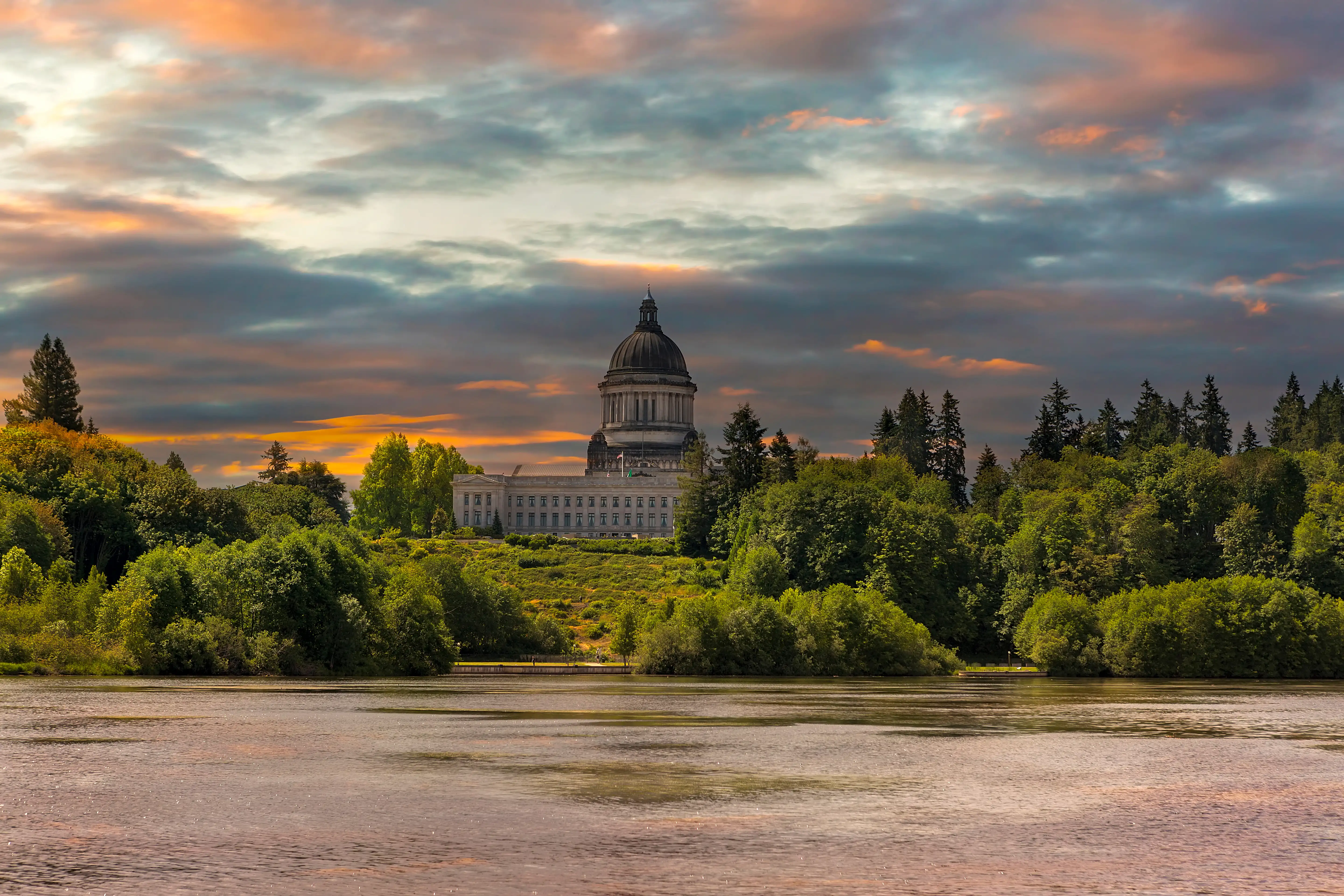
Proximity to Olympia's trail systems and green spaces genuinely influences how homes hold their value over time. Buyers consistently target the South Capitol and Eastside neighborhoods for their walkability to Capitol Lake trails and nearby parks, and well-maintained homes there — many priced under $600,000 — often receive offers within days of hitting the market. Northwest Olympia draws similar interest from outdoor-minded buyers who want quick access to woodland trails without leaving city limits. When a neighborhood checks the lifestyle box, inventory moves fast, and hesitation usually means losing out.
That's exactly why having a lender conversation before you start touring matters more than most buyers expect. Pre-approval gives you a realistic picture of your full monthly payment — not just principal and interest, but property taxes, homeowner's insurance, and any HOA dues — and that number can look very different from what an online calculator suggests. I always encourage buyers to think about a comfortable monthly payment, not simply the maximum they qualify for. When the right home appears in a competitive Olympia market, being prepared means you can actually act on it.
| Destination | Distance from Olympia | Highlights |
|---|---|---|
| Capitol State Forest | ~15 miles west | 90,000+ acres, mountain biking, equestrian trails, off-road access |
| Mount Rainier National Park | ~75 miles northeast | Wildflower meadows, glaciers, multi-day backcountry routes |
| Olympic National Park | ~90 miles northwest | Rainforest, alpine lakes, coastal wilderness |
| Nisqually National Wildlife Refuge | ~20 miles northeast | Delta estuary, birding, 5-mile loop trail |
| Black Hills (Capitol Forest) | ~15 miles west | Single-track mountain biking, the region's best XC network |
| Millersylvania State Park | ~15 miles south | Deep Lake swimming, forested camping, boat launch |
| Billy Frank Jr. Nisqually NWR | ~20 miles northeast | Award-winning estuary boardwalk, migratory waterfowl |
| Tolmie State Park | ~20 miles north | Saltwater swimming, tidepool access, snorkeling area |
Local Expert Takeaway: Watershed Park is chronically underrated in conversations about Olympia's outdoor infrastructure — buyers often walk it once and immediately start narrowing their neighborhood search to the Henderson Blvd and Eastside corridors that back up to it. If trail access to old-growth-feeling forest within walking distance of home matters to you, prioritize the Southeast Olympia neighborhoods before they absorb the attention the Westside and downtown get.
What are the best parks in Olympia for families with young children?
LBA Park and Woods is the top choice for families — it combines four miles of trails with baseball fields, tennis courts, a playground with a zip line, and enough open space to occupy a full Saturday. Squaxin Park's playground and picnic shelters along the Budd Inlet shoreline make it the favorite for weekend outings, especially on summer afternoons when the waterfront views are hard to beat.
Is Olympia good for hiking and trail running?
Yes — for a city of under 60,000 people, Olympia has a trail network that surprises most newcomers. Squaxin Park, Watershed Park, LBA Woods, and the Garfield Nature Trail greenbelt all offer multi-mile options within city limits. The Capitol to Capitol Trail project will add significant off-street mileage when fully complete, and Capitol State Forest fifteen miles west gives serious trail runners and mountain bikers access to an entirely different scale of terrain.
How does Olympia's park system compare to nearby Lacey or Tumwater?
Olympia's park system is larger in total acreage and more varied in character than either neighbor. Lacey has stronger purpose-built athletic tournament infrastructure, which matters for families in competitive youth sports leagues. Tumwater has Tumwater Falls Park, which is a genuine standout, but Olympia's combination of saltwater shoreline access, old-growth natural reserves, and downtown waterfront parks gives it a depth that neither neighboring city matches outright.
Explore the full Olympia series: Living in Olympia · Is Olympia Safe? · Cost of Living · Best Neighborhoods · Schools & Family Life · Youth Sports · Parks & Rec · Retiring in Olympia