Puget Sound · Washington
Best Neighborhoods in Redmond: Where to Buy or Rent (2026)
Redmond is not the kind of city where you can close your eyes, pick a neighborhood, and land somewhere you'll love. The gap between buying in a quiet Education Hill cul-de-sac and signing a lease in Overlake's walkable mixed-use corridor is significant — different price points, different commute patterns, different daily rhythms. Get the neighborhood wrong and you'll spend months realizing the home you bought doesn't match the life you wanted to build here.
The clearest dividing line in Redmond runs between its two urban centers and its residential neighborhoods. Downtown and Overlake pull in tech workers who want transit access, short bike commutes to Microsoft or Nintendo, and newer construction. Education Hill, Grass Lawn, North Redmond, and Bear Creek draw families who want top-rated schools, mature trees, and the kind of neighborhood where kids ride bikes to the park after school. Neither is better — but choosing the wrong one for your life is one of the most common mistakes buyers make.
This guide breaks down where to buy, where to rent, what each neighborhood actually costs, and which areas are best avoided depending on your priorities. Whether you're relocating for a Microsoft offer, upsizing from a Seattle condo, or retiring from a decade in the suburbs, the right Redmond neighborhood exists — and this is how to find it.
| Neighborhood | Best For | Price Range | Vibe |
|---|---|---|---|
| Downtown Redmond | Renters, condo buyers, transit users | $500K–$700K (attached) | Urban, walkable, mixed-use |
| Overlake | Tech workers, renters, commuters | $1.3M–$1.5M (SFH) | Corporate-adjacent, transit-rich |
| Education Hill | Families, school-focused buyers | $1.3M–$1.5M | Quiet, tree-lined, school-centric |
| Grass Lawn | Established buyers, large lots | $1.3M–$1.5M | Lush, suburban, park-access |
| North Redmond | Luxury buyers, space seekers | $1.5M–$1.8M | Premium, newer builds, trails |
| Bear Creek | Large lot buyers, nature lovers | $1.3M–$1.5M | Rural-edge, serene, spacious |
| Southeast Redmond | Families, value seekers | $1.1M–$1.4M | Residential, established |
| Willows/Rose Hill | Commuters, mixed buyers | $1.2M–$1.5M | Mixed, accessible, practical |
| Sammamish Valley | Agricultural feel, breweries | $1.1M–$1.3M | Open, rural-adjacent |
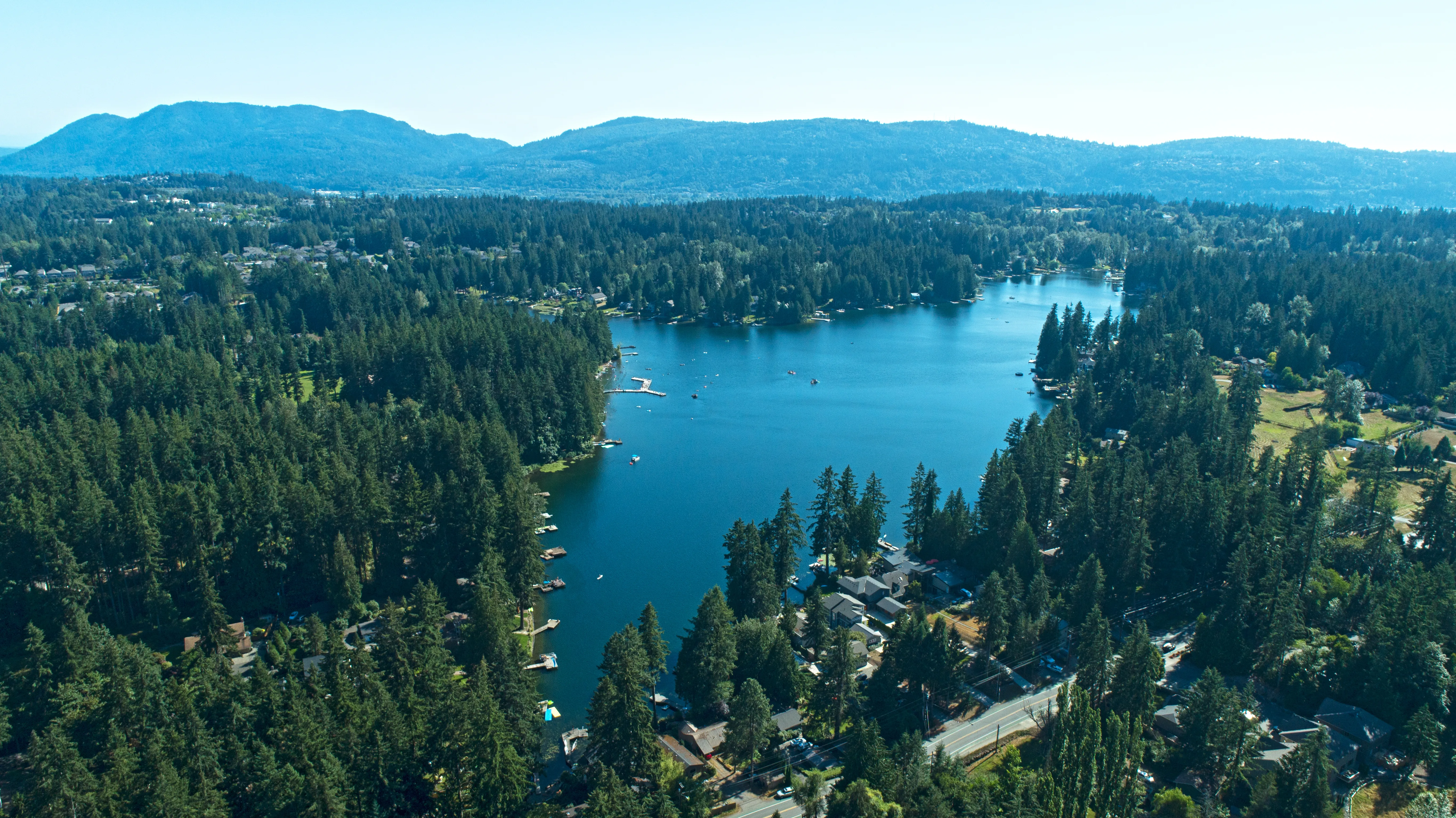
| Idylwood | Waterfront, luxury, lake access | $1.6M–$2.2M | Upscale, lakeside, quiet |
| Buyer Type | Best Neighborhood | Why |
|---|---|---|
| First-time buyer | Downtown Redmond | Condos start in the $500Ks — the most accessible entry point in the city |
| Luxury buyer | Idylwood | Lake Washington frontage, prestige addresses, limited inventory |
| Walkability seeker | Downtown Redmond / Overlake | Trail access, light rail proximity, Redmond Town Center within walking distance |
| Families with kids | Education Hill | Walking distance to top-rated schools, Hartman Park, quiet residential streets |
| Commuters (Microsoft/Nintendo) | Overlake | On-campus or near-campus; Overlake Village light rail stop |
| Large lot buyers | North Redmond / Bear Creek | Half-acre and above lots, more breathing room than the denser south |
| Renters | Overlake / Downtown Redmond | Most apartment inventory; newer buildings; best transit access |
Downtown Redmond is the city's most accessible entry point, with condos and attached homes pricing well below the citywide median — typically in the $500K–$700K range for attached product. The Sammamish River Trail runs directly through the area, Redmond Town Center is walkable, and the light rail station has triggered a zoning overhaul allowing mid-rise and mixed-use development at a scale the rest of the city won't see for years. The trade-off is density: buyers accustomed to yards and parking will find this neighborhood an adjustment, and the ongoing construction tied to the upzoning means the streetscape is still evolving.
Best for: Condo buyers, first-time buyers, renters, and commuters who want walkable access to transit and trails without a seven-figure single-family price tag.
Overlake is the beating heart of Redmond's tech economy — Microsoft's sprawling main campus sits here, Nintendo of America operates nearby, and the Overlake Village light rail station puts Seattle roughly 30 minutes away without a car. For renters and buyers who work in the tech sector, nothing in Redmond compares for commute convenience. The downside for buyers is a limited single-family inventory; Overlake has trended heavily toward apartments and mixed-use development, and recent zoning changes allow buildings up to 30 stories in select parcels — meaning the neighborhood will look substantially different five years from now than it does today.
Best for: Tech workers at Microsoft or Nintendo, renters who want walkability and transit access, and buyers comfortable with a denser, evolving urban character.
Education Hill is the neighborhood most families relocating to Redmond ultimately land in, and the reason is straightforward: Redmond High School sits within its boundaries, the streets are quiet, and Hartman Park provides the kind of green-space backyard the suburb lifestyle promises. Homes here run $1.3M–$1.5M, and competition has historically been stiff — though the current market has shown homes sitting closer to 37 days rather than the near-instant sales of prior years. The catch is that price point buys you an older home on a modest lot in many cases; buyers expecting newer construction at this price are sometimes surprised by the vintage of the housing stock.
Best for: Families with school-age children who prioritize Lake Washington School District access and walkable parks over newer construction or lot size.
Grass Lawn sits south of Education Hill and shares much of its residential character — mature trees, established lots, and a slower pace than Overlake or Downtown. Grass Lawn Park anchors the neighborhood and draws families throughout warmer months. Prices run in the $1.3M–$1.5M range, consistent with Education Hill, and proximity to SR-520 and SR-202 gives commuters meaningful flexibility depending on whether they're heading toward Bellevue or Seattle. The limitation here is that the neighborhood is almost entirely single-family residential; buyers who want a walkable coffee shop or restaurant scene nearby will need to drive.
Best for: Established buyers who want a traditional suburban setting with park access, strong schools, and good freeway access without paying the North Redmond premium.
North Redmond carries Redmond's highest price points outside of Idylwood, with homes regularly trading in the $1.5M–$1.8M range and larger parcels commanding more. The area is newer and more spread out than the central residential neighborhoods, with trail access and a quieter feel that appeals to buyers who've sized out of denser parts of the city. Homes have been moving quickly when priced competitively — days, not weeks. The honest trade-off is distance: North Redmond sits farther from Redmond Town Center, the light rail stations, and the downtown amenity base, meaning most errands require a car and commutes into Bellevue or Seattle add meaningful minutes.
Best for: Luxury buyers who want newer construction, larger lots, and a quieter edge-of-city feel, and who are comfortable being car-dependent.
Bear Creek occupies Redmond's rural-adjacent eastern edge, anchored by Bear Creek Park and the salmon-bearing stream the neighborhood is named for. Lots run larger here than anywhere in the urban core, and the feel is genuinely different — quieter, more wooded, more reminiscent of the Woodinville wine corridor than the tech campus adjacent neighborhoods to the west. Prices sit in the $1.3M–$1.5M range for single-family homes, making it one of the better value propositions for buyers who want space. The limitation is convenience: grocery runs, school drop-offs, and commutes all involve more driving than buyers from denser markets typically anticipate.
Best for: Large lot buyers, nature-oriented households, and families who want acreage without leaving the broader Redmond market.
Southeast Redmond is one of the city's more established residential pockets, with a mix of housing types and a slightly softer price range — typically $1.1M–$1.4M — that makes it one of the more attainable single-family options in the city. The neighborhood lacks the marketing cachet of Education Hill or the prestige of Idylwood, but the schools are the same Lake Washington School District, the streets are quiet, and access to SR-520 is reasonable. Buyers who focus on headline neighborhoods and skip Southeast Redmond often leave value on the table.
Best for: Buyers who want single-family space within Redmond's city limits at the lower end of the market, without sacrificing school quality.
Willows/Rose Hill straddles the line between Redmond and Kirkland, which is both its greatest asset and its most common source of buyer confusion. Prices run $1.2M–$1.5M, the neighborhood is established and practical, and commuters heading toward either city benefit from the positioning. The character is more utilitarian than Grass Lawn or Education Hill — this is a neighborhood where people spend time at home and in the car, not necessarily walking to local amenities. Buyers who expect the polish of a curated suburb sometimes find Willows/Rose Hill feels more transitional than they anticipated.
Best for: Commuters splitting time between Redmond and Kirkland, buyers who want an established neighborhood at a slight discount to the more sought-after residential pockets.
Assuming the city is geographically uniform. Redmond spans from dense light-rail-adjacent Overlake to the genuinely rural-feeling Bear Creek corridor, with 15–20 minutes of driving separating the two. Buyers who tour homes in one part of the city and assume the rest feels similar routinely end up surprised. Before writing an offer, drive from your prospective address to your daily destinations — school, employer, grocery store — at the time of day you'll actually make that trip.
Overlooking the Union Hill Road and Novelty Hill corridor at rush hour. Buyers drawn to the larger lots and newer construction in the northeastern reaches of the broader Redmond market — areas like Union Hill–Novelty Hill and Redmond Ridge — frequently underestimate how SR-202 and Union Hill Road perform between 7:30 and 9:00 a.m. What looks like a manageable 10-mile commute to Microsoft's campus can become a 40-minute crawl during peak morning traffic. If your job requires a 9 a.m. start at a fixed location, test that commute before committing.
Conflating the $595K Downtown median with a single-family home budget. The Downtown Redmond median reflects condos and attached product. Buyers who read that figure and assume they can find a detached single-family home in Redmond proper for under $800K are in for a rude awakening — the citywide single-family median sits considerably higher, and homes priced below $1M in Redmond are either condos, townhomes, or require significant renovation. Being clear about product type before setting a budget prevents a lot of wasted weekends.
Buying on the Overlake fringe without checking the zoning timeline. Several blocks adjacent to the Overlake Village light rail station are now zoned for mid-rise and high-rise development following the 2025 zoning overhaul. For buyers considering a quieter single-family home or small condo near the station, it's worth checking whether adjacent parcels carry new density allowances — construction noise and character change can arrive faster than expected in upzone corridors.

Redmond's neighborhoods each tell a different story when it comes to long-term value. Downtown Redmond and Overlake tend to attract buyers who want walkability and proximity to tech employers, and well-priced homes there can disappear within days. Education Hill draws families for its quieter streets and strong schools, with entry-level single-family homes sometimes available under $900,000 — though that window doesn't stay open long. Understanding which neighborhood fits your lifestyle before you start seriously shopping helps you move with confidence when something good hits the market.
Before you tour a single home, please talk to a lender. Your approval amount and your comfortable monthly payment are two very different numbers, and the gap matters more than most buyers expect. A realistic budget needs to account for property taxes, homeowner's insurance, any HOA dues, and the right loan structure for your situation — not just the purchase price. Redmond's desirable neighborhoods move fast, and sellers take pre-approved buyers seriously. Getting that conversation done early means you're ready to act, not scrambling when the right home appears.
| Area | Ideal For | Typical Rent Range | Trade-off |
|---|---|---|---|
| Overlake | Tech workers, transit commuters | $2,200–$3,200/mo (1–2BR) | Dense, corporate feel; limited neighborhood character |
| Downtown Redmond | Young professionals, walkers, trail users | $2,000–$3,000/mo (1–2BR) | Construction activity; smaller units |
| North Redmond | Families, renters wanting space | $2,100–$2,800/mo (2–3BR) | Car-dependent; limited walkability |
| Education Hill | Families prioritizing schools | $2,500–$3,500/mo (3BR) | Tight rental inventory; competitive market |
| Willows/Rose Hill | Budget-conscious renters | $1,900–$2,600/mo (1–2BR) | Less polished; limited amenities |
Local Expert Takeaway: If you're relocating for a tech role and haven't decided between buying and renting yet, consider renting in Overlake for 6–12 months before committing to a purchase. The city's neighborhoods feel dramatically different from the inside than they do on a map, and buyers who've lived near the Microsoft campus often end up preferring Education Hill or Grass Lawn once they understand the daily geography. For families set on buying immediately, Education Hill at $1.3M–$1.5M offers the strongest combination of school access, park proximity, and neighborhood stability — and Southeast Redmond at $1.1M–$1.4M is the same school district for less money, if you're willing to trade prestige address for value.
Looking to buy in Redmond? Estimate your payment.
Enter your numbers to see an estimated monthly mortgage payment.
Estimate only. Excludes HOA fees and mortgage insurance.
What are the best neighborhoods in Redmond, WA for families?
Education Hill is the most consistently cited neighborhood for families, with Redmond High School located within its boundaries and Hartman Park nearby. Grass Lawn and North Redmond are also strong options, offering quieter streets and strong school access throughout the Lake Washington School District. Southeast Redmond delivers comparable school quality at a slightly lower price point for buyers who want to stretch their budget.
Is Redmond, WA an expensive place to buy a home?
Yes — the median sold price for single-family homes in Redmond sits in the $1.4M–$1.55M range as of mid-2026, making it one of the higher-cost cities in the Eastside market. Entry-level attached condos and townhomes start around $500K–$550K in Downtown Redmond, offering a meaningful lower price tier for buyers who don't require a yard. The city is less expensive than neighboring Bellevue but significantly higher than Seattle.
Which Redmond neighborhood is best for Microsoft employees?
Overlake is the obvious answer for commute efficiency — Microsoft's main campus sits there, and the Overlake Village light rail station provides a car-free option. Many Microsoft employees, however, end up living in Education Hill or Grass Lawn and driving or biking to campus, trading commute simplicity for neighborhood character and school access. For buyers earlier in their careers who rent first, Overlake's apartment inventory provides the most direct campus proximity.
Explore the full Redmond series: Living in Redmond · Is Redmond Safe? · Cost of Living · Best Neighborhoods · Schools & Family Life · Youth Sports · Parks & Rec · Retiring in Redmond