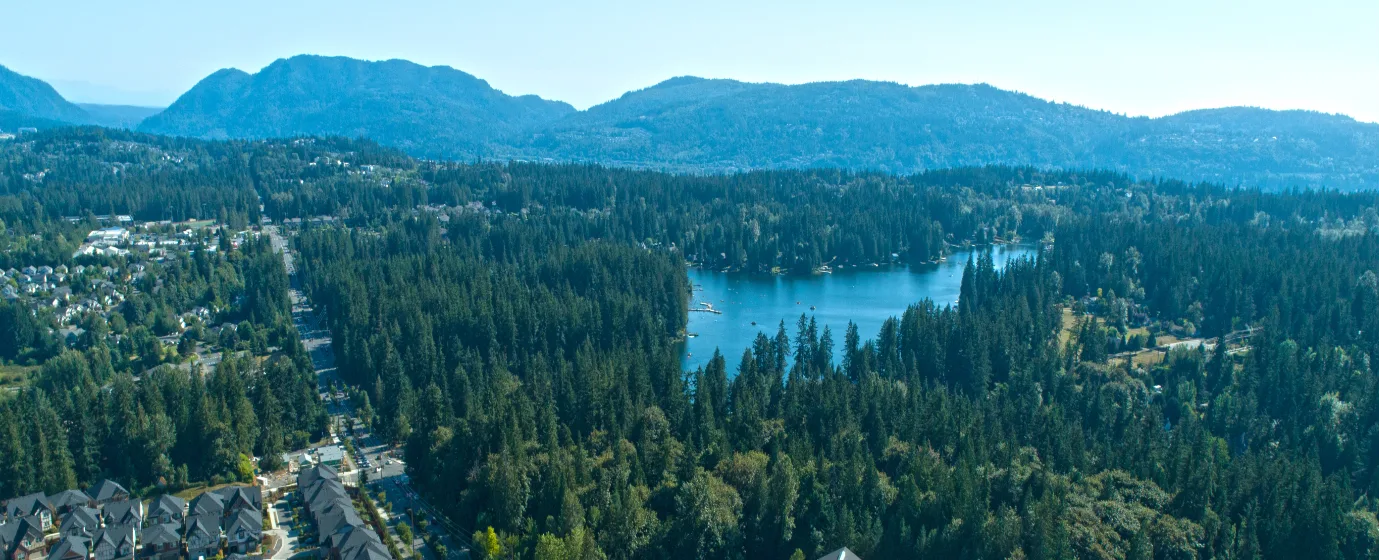
Puget Sound · Washington
Living in Redmond: The Ultimate Relocation Guide (2026)
Maybe you've been watching Seattle prices long enough to know they're not coming down. Maybe Microsoft just relocated you to the Eastside and someone in HR mentioned Redmond like it was the obvious answer. Or maybe you've been comparing spreadsheets of King County cities for three months, and Redmond keeps appearing near the top — strong schools, shorter commutes, a light rail line that now actually reaches downtown — but you can't quite figure out what living there would actually feel like. Here's the tension nobody puts in the brochure: Redmond is simultaneously a world-class tech hub and a city still working out its own identity. It houses more than 47,000 Microsoft employees, Nintendo of America's headquarters, and a Meta office — yet wide stretches of it still feel like the quiet Pacific Northwest suburb it was thirty years ago. Buying here without understanding which version of Redmond you're landing in is the most common mistake relocating buyers make.
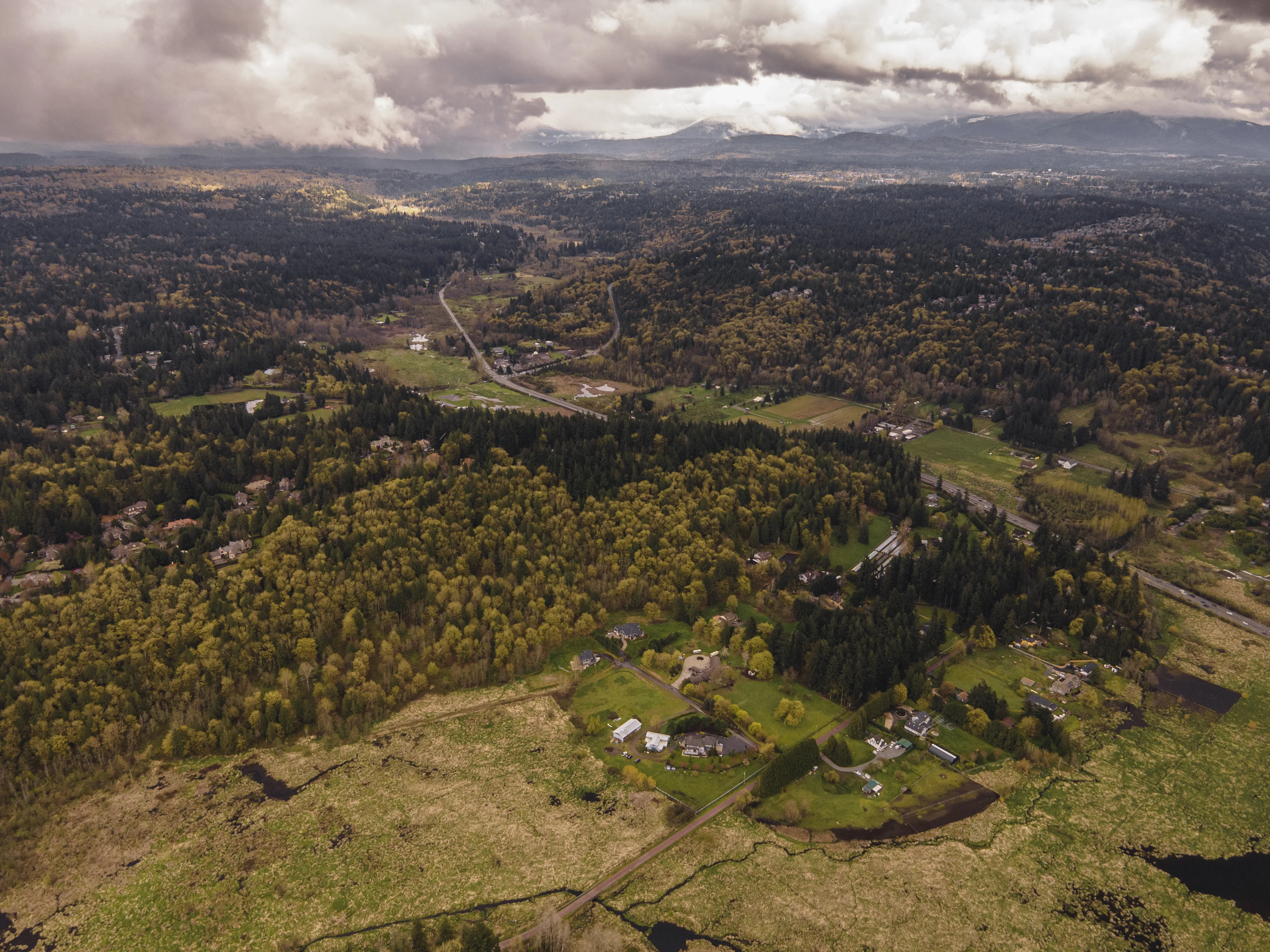
Geographically, Redmond sits on the eastern edge of Lake Washington, roughly 17 miles east of downtown Seattle via SR-520 and about 10 miles north of Bellevue on I-405. The Sammamish River cuts through the middle of the city, and the trail system that follows it defines how locals move through daily life. Two distinct commercial cores — the tech-dense Overlake corridor near the Microsoft campus and the more human-scaled Downtown Redmond — create very different versions of suburban life within the same city limits. Light rail now connects four stations through Redmond via Sound Transit's 2 Line, which opened its Redmond extension in May 2025, giving the city direct rail access to Bellevue and, once the Crosslake Connection completes, a roughly 30-minute link to downtown Seattle.
This guide is built for people making a real decision. Whether you're a tech worker weighing Redmond against Kirkland, a family trying to land inside the Lake Washington School District, or a remote worker who wants Eastside amenities without Bellevue's price ceiling, the sections below will walk you through what the market actually looks like, which neighborhoods suit which buyers, and what no one tells you until you've already signed.
| Best For | Why |
|---|---|
| Tech workers (Microsoft, Meta, Nintendo) | Minutes from campus; 4 light rail stations; Microsoft shuttle network means some workers never touch I-405 |
| Families with school-age children | Lake Washington School District holds an A+ rating; strong elementary feeders in Education Hill and Grass Lawn |
| Remote workers | High-income households sustain a strong local amenity base; Marymoor Park and the trail network make working from home genuinely enjoyable |
| Commuters to Bellevue | 2 Line light rail reaches Bellevue downtown in roughly 14 minutes; I-405 south adds minimal time by car |
| Move-up buyers from Kirkland or Bellevue | Larger lots in North Redmond and Bear Creek for similar or slightly lower prices than Bellevue equivalents |
| First-time buyers on Eastside budgets | Downtown condos and townhomes start closer to $595,000–$800,000, offering an entry point others don't |
Redmond's daily rhythm depends almost entirely on which part of the city you inhabit. The Overlake neighborhood, anchored by Microsoft's campus and its surrounding office parks, operates on a weekday energy that can feel more like a corporate district than a residential neighborhood — buses moving employees at shift changes, lunch crowds filling the surrounding strip, then near-quiet on weekends. Contrast that with downtown Redmond on a Saturday morning: the Sammamish River Trail is full by 8 a.m., the Saturday Redmond Farmers Market (running Saturdays through the growing season at Redmond Town Center) draws regulars who arrive with canvas bags and stay for an hour, and the general pace is unhurried in a way that surprises people who expected pure tech-suburb intensity.
Marymoor Park functions as the city's living room. At 640 acres, it anchors the southern end of the city near the Sammamish River, and on any given summer weekend it holds a concert at the amphitheater, a weekend sports tournament, and hundreds of off-leash dog walkers cycling through what locals call "the dog park" — formally the Marymoor Off-Leash Dog Area, one of the largest in King County. The park's velodrome, the Marymoor Velodrome, hosts competitive cycling events and beginner nights that have built a genuine local community around the sport. These aren't abstract amenities — they're where Redmond residents actually spend their Friday evenings and Sunday mornings.
The commute picture changed materially in May 2025 when Sound Transit extended the 2 Line to Downtown Redmond and Marymoor Village. The four Redmond stations — Overlake Village, Redmond Technology Center, Marymoor Village, and Downtown Redmond — mean that a Microsoft employee living near downtown can walk to the train, skip SR-520 entirely, and reach Bellevue in about 13 minutes. Driving to Seattle during peak hours via SR-520 remains the one genuine friction point: the floating bridge backs up reliably between 7:30 and 9:00 a.m. eastbound in the afternoon, and the toll adds up quickly for daily commuters who don't have transit alternatives.
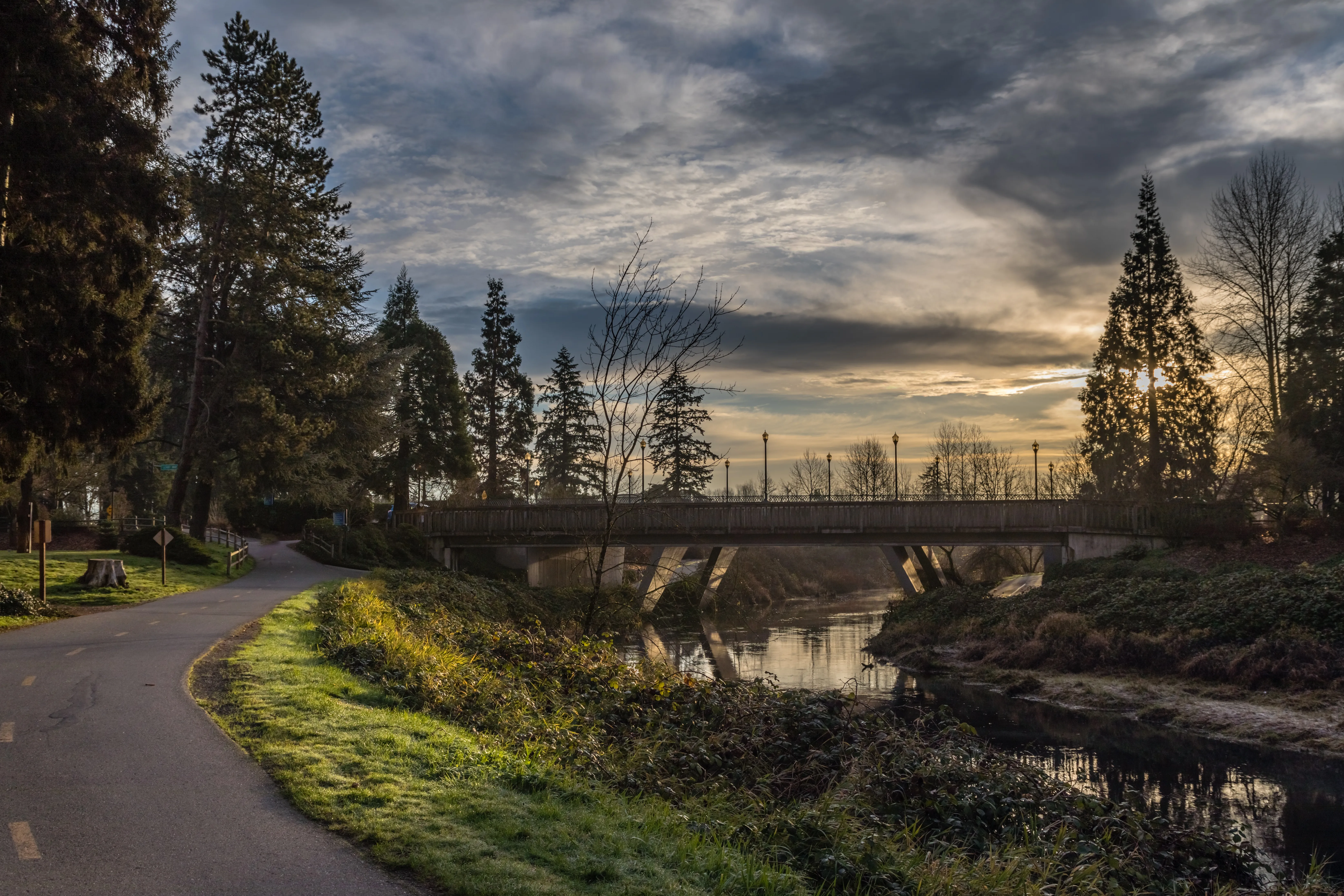
What surprises most people after six months of living here is how much they use the trail network. The Sammamish River Trail runs 10 miles through the city, connecting Marymoor Park northward through Woodinville, and the overall bike and pedestrian infrastructure exceeds 54 miles citywide. Residents who arrive expecting to drive everywhere discover that the trail system makes errands, school drop-offs, and weekend rides genuinely car-optional in a way that few other Eastside cities can match.
The school district is the single most frequently cited reason families plant here long-term. Lake Washington School District holds an A+ rating across multiple independent evaluations, and the combination of strong elementary schools, well-resourced secondary programs, and high graduation rates makes it competitive with any district on the Eastside — without the pressure of private-school waitlists that define parts of Bellevue. Roughly 72% of Redmond adults hold a bachelor's degree, and that educational culture permeates how the community engages with schools, youth programs, and civic life generally.
The employment concentration here is almost unmatched in the Pacific Northwest. Having Microsoft, Nintendo of America, Meta, SpaceX operations, Honeywell, and AT&T all within or immediately adjacent to city limits means that dual-income tech households don't face the long cross-commutes that define life in many suburban markets. Microsoft's internal shuttle network serves the Eastside, Seattle, and Snohomish County — meaning some employees never have to interact with I-405 at all. That commute freedom directly affects quality of life in ways that are hard to quantify but easy to feel.
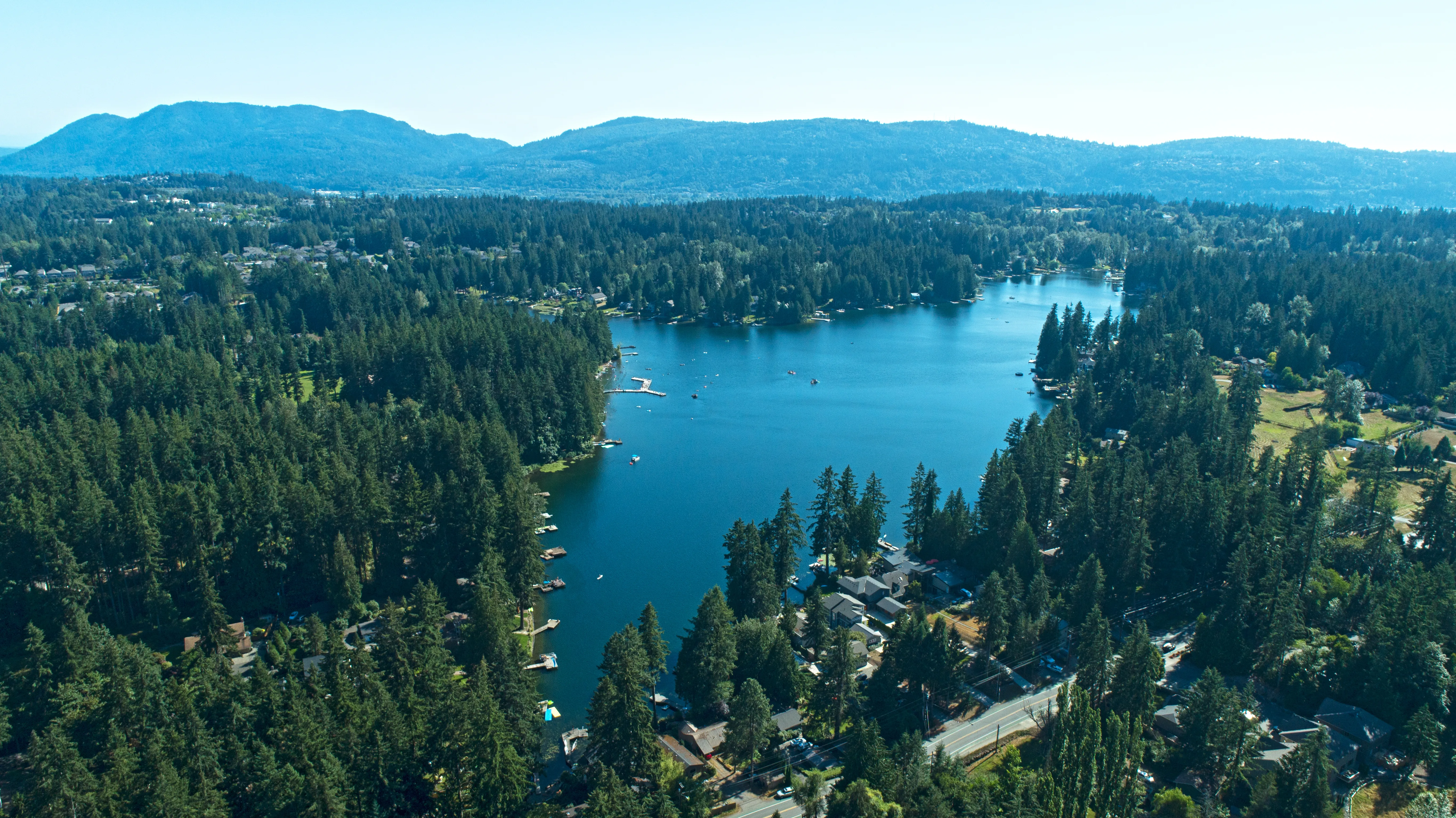
Redmond's outdoor infrastructure goes well beyond Marymoor. Bear Creek Park, Idylwood Beach Park on Lake Sammamish, and the Sammamish River Trail system give residents legitimate outdoor access without a weekend drive. The velodrome community, the farmers market culture, and recurring events at Marymoor — including summer concert series that draw regional acts — give the city a social texture that pure corporate suburbs lack. People who expected to stay two years frequently extend that timeline because the lifestyle compounds in ways they didn't anticipate.
The city's demographics also shape its amenities in distinctive ways. With approximately 40% of residents foreign-born and 39% identifying as Asian, Redmond's restaurant and grocery landscape reflects genuine diversity — you'll find authentic dim sum, Korean barbecue, Indian grocery stores, and Vietnamese bakeries within a few miles of each other in a way that many Pacific Northwest suburbs can't claim. That variety is a material quality-of-life factor for households arriving from major coastal metros.
The median sold price for single-family homes in Redmond currently sits in the $1.4 to $1.56 million range based on recent NWMLS closings — and the entry point for detached homes in desirable family neighborhoods runs meaningfully higher than that figure suggests. Buyers arriving from out of state expecting "cheaper than Seattle" frequently experience sticker shock, particularly when they realize that the Eastside's pricing floor is competitive with many of Seattle's most expensive neighborhoods. The condo and townhome segment offers genuine alternatives starting around $595,000 downtown, but families needing three bedrooms and a yard are working with a narrower budget buffer than they expected.
The Overlake corridor's character is the tradeoff that's hardest to communicate in writing. What you're sacrificing when you buy in or near Overlake is residential quiet during the work week. The density of office parks, employee buses, and commercial traffic creates a neighborhood texture that feels more transitional than settled — especially on the blocks immediately surrounding the Microsoft campus. Buyers who prioritize a quiet street and a sense of neighborhood cohesion tend to find that Overlake requires careful block-by-block evaluation.
Traffic on SR-520 remains the commute variable that catches Seattle-bound residents off guard. Light rail handles the Bellevue leg cleanly, but the 520 bridge corridor — particularly the merge at Montlake — creates genuine peak-hour frustration for anyone who can't shift their schedule or use transit. The toll on SR-520 adds cost that compounds over time. And while the city itself has excellent trail connectivity, accessing Eastside destinations north or south without a car remains inconvenient outside the light rail spine.
Why some people leave Redmond comes down to price progression. Households who arrived five to eight years ago on tech salaries bought in at meaningfully lower price points. As those residents grow their families and look for more space, the step-up within Redmond itself — from a townhome to a detached home, or from a smaller detached home to something with a guest suite or ADU — often crosses a price threshold that sends them to Sammamish, Woodinville, or even Snohomish County instead. Redmond doesn't have an affordable move-up inventory problem; it has a move-up price gap problem.
Downtown Redmond has changed more in the past three years than in the prior decade, driven largely by the light rail extension and a wave of mixed-use development around Redmond Town Center. The neighborhood's price profile is distinct from the rest of the city — condos and townhomes dominate the inventory, with medians running closer to $595,000–$800,000 depending on size and building. That makes it the most accessible entry point on the Eastside for buyers who want walkability, rail access, and proximity to Redmond's restaurant and retail core without a seven-figure price tag.
Best for: First-time buyers, single professionals, and remote workers who want the most walkable version of Redmond life.
Overlake is the employment engine of Redmond — the Microsoft campus, Nintendo of America's headquarters, and a cluster of supporting tech offices make this the densest concentration of white-collar employment on the Eastside outside of downtown Bellevue. Residential options skew toward townhomes and older single-family homes on smaller lots, generally priced in the $900,000–$1.3 million range. The upside is unbeatable proximity to the major employers and three of the four 2 Line light rail stations; the honest tradeoff is that the neighborhood character reflects its commercial surroundings more than its residential ones.
Best for: Microsoft or Nintendo employees who want a walkable commute and don't need a large yard.
Education Hill earns its name — the neighborhood sits east of downtown Redmond at a slightly elevated grade, and it feeds into some of the Lake Washington School District's most sought-after elementary schools. Homes here are largely single-family detached, built predominantly in the 1970s through 1990s, with the city-wide median roughly applicable here though competitive bidding frequently pushes well above it. The neighborhood has a genuine residential feel, with connected streets and proximity to Farrel-McWhirter Park, and families consistently rank it among the most livable pockets in the city.
Best for: Families with school-age children who prioritize elementary school quality and neighborhood walkability.
Grass Lawn sits north of the Microsoft campus and has quietly become one of the most family-oriented neighborhoods in Redmond without generating the same traffic volume as Education Hill. Grass Lawn Park anchors the neighborhood with athletic fields and community gathering space, and the streets feel settled and residential in a way that reflects long-term owner occupancy. Prices track the city-wide single-family range, with most homes offering more square footage per dollar than comparably priced options closer to downtown.
Best for: Families who want more lot size and outdoor space without paying Medina-adjacent premiums.
North Redmond offers the largest lots in the city at price points that still — relative to the broader Eastside — represent comparative value. The neighborhood is more car-dependent than the southern and downtown corridors, with residents relying on arterials to reach grocery and commercial amenities. What buyers gain is space: four- and five-bedroom homes with yards that don't exist in Overlake or downtown, often with more recent construction than the mid-century stock elsewhere in the city. Prices in this corridor can range from the city-wide median up to $2 million-plus for larger custom builds.
Best for: Households prioritizing space and newer construction who don't need to walk to a light rail station.
Bear Creek occupies the eastern edge of Redmond, adjacent to the Sammamish River and the Bear Creek corridor that feeds into it. The neighborhood mixes established single-family homes with a semi-rural character that feels distinctly different from the tech-forward west side of the city — streets are quieter, lots are often larger, and the pace is noticeably unhurried. Bear Creek Park provides local green space. Buyers typically find that the same budget stretches further here than in Education Hill or Grass Lawn, though transit access is limited and the car is non-negotiable.
Best for: Buyers who want more land, a quieter setting, and don't depend on transit access.
Southeast Redmond borders Sammamish and shares some of that city's newer residential character — developments here tend to be more recent, with planned communities and townhome clusters that attract buyers looking for lower-maintenance ownership. The area is convenient to SR-202 and I-90 connections southward, making it functional for Bellevue and Sammamish commuters. Price points can be somewhat softer than the Education Hill corridor, making Southeast Redmond worth examining for buyers who've been outbid consistently in the more central neighborhoods.
Best for: Buyers priced out of central Redmond who want newer construction and Sammamish-adjacent access.
Willows/Rose Hill straddles the Redmond-Kirkland border and benefits from the amenities of both cities without being centered in either. The neighborhood is predominantly single-family, with a mix of mid-century ranch homes and 1990s two-story builds that attract families who want more space than downtown and better transit access than North Redmond. NE 116th Street serves as a functional commercial spine, and the proximity to Kirkland's growing restaurant scene adds lifestyle value that's easy to overlook from the address alone.
Best for: Buyers who want Redmond's school district and lot sizes with easier access to Kirkland's walkable amenities.

Redmond's neighborhoods each tell a different story when it comes to long-term value. Downtown Redmond and Overlake tend to attract strong buyer demand given their walkability and proximity to major tech employers, and well-priced homes in those areas regularly go under contract within days. Education Hill appeals to families looking for a quieter setting while staying connected to the city's core, and that consistent demand has supported values there over time. If you're working with a budget under $750,000, North Redmond is worth exploring, though inventory moves quickly there too. Understanding where you want to land geographically before you start shopping makes the financing conversation much more focused.
That financing conversation is worth having before you ever walk through a front door. Your approval amount and your comfortable budget are two different numbers, and the gap between them matters once you factor in property taxes, homeowner's insurance, any HOA dues, and how your loan is structured. Relocating buyers sometimes underestimate those carrying costs until they're already emotionally attached to a home. Getting clarity upfront means when the right place appears — and in Redmond it can happen fast — you're ready to move confidently rather than
| City | Best For | Median Home Price | Commute to Seattle | Vibe |
|---|---|---|---|---|
| Redmond | Tech workers, families, outdoor enthusiasts | $1.4–1.56M (SF homes) | ~30 min via SR-520 or light rail | Corporate/residential hybrid; trail-forward |
| Kirkland | Walkable waterfront lifestyle, young professionals | ~$1.3M | ~35–40 min | Lakeside, more urban feel, tighter inventory |
| Bellevue | Urban amenities, luxury buyers, corporate HQs | ~$1.6M+ | ~25 min | High-density urban core; strongest luxury market |
| Sammamish | Families prioritizing space and newer builds | ~$1.25M | ~40–50 min | Planned communities, quieter, limited transit |
| Woodinville | Wine country lifestyle, larger lots, equestrian | ~$1.1M | ~45 min | Rural-adjacent, winery culture, lower density |
| Bothell | Value buyers, families, north Eastside commuters | ~$850K–$950K | ~40–45 min | Growing city; more affordable than Redmond core |
| Category | Detail |
|---|---|
| Population | Approximately 77,000–87,000 (recent census data; city projections vary) |
| Median Household Income | $162,560 |
| Median Sold Price (SF Homes) | $1.4M–$1.56M (NWMLS, spring 2026) |
| Property Tax Rate | Approximately 0.74% (King County) |
| School District | Lake Washington School District (A+) |
| Commute to Seattle | ~30 minutes (light rail or SR-520 off-peak) |
| Violent Crime per 1,000 | 1.3 |
| Property Crime per 1,000 | 28 |
| Light Rail Access | 4 stations on Sound Transit 2 Line (opened May 2025) |
| Major Employers | Microsoft, Nintendo, Meta, Honeywell, AT&T, SpaceX |
| Bike/Trail Miles | 54+ miles of bike and pedestrian infrastructure |
Redmond has a competitive cycling culture that shows up in unexpected places. The Marymoor Velodrome is a genuine community institution — one of only a handful of outdoor velodromes in the Pacific Northwest — and it draws everything from elite racers to Tuesday-night beginners who've never clipped into a road pedal before. If you move to Redmond and have any interest in cycling, showing up to a beginner night at the velodrome is the fastest way to meet a wide cross-section of local residents who have nothing to do with Microsoft.
The Redmond Farmers Market, held Saturdays at Redmond Town Center through the growing season, operates at a scale and variety that surprises newcomers. Unlike the drive-through format of some suburban markets, Redmond's version skews toward lingering — there are prepared foods, live music some weeks, and a vendor roster that includes produce, specialty foods, and local crafts. Long-term residents treat it as a social appointment as much as a grocery run.
The Derby Days Festival, held annually each summer in Redmond, is one of the city's longest-running community traditions — a multi-day event with a parade, carnival, live entertainment, and a genuine small-town-fair atmosphere that stands in ironic contrast to the city's global corporate footprint. It's the event that most reliably brings together the multigenerational, multicultural population in one place, and locals who've lived here for decades point to it as evidence that Redmond hasn't lost its identity despite the growth.
What I would not do if moving to Redmond: I would not buy in the commercial-adjacent blocks of Overlake — particularly within two or three blocks of the Microsoft campus boundary along 156th Avenue NE — without walking the street at 7 a.m. on a Tuesday first. The volume of employee shuttles, rideshares, and commercial deliveries creates a neighborhood atmosphere that bears no resemblance to what a weekend open house visit suggests. There are excellent blocks in Overlake, but proximity to the campus edge is not automatically a feature.
Local Expert Takeaway: If your budget is in the $1.2–$1.5 million range for a single-family home, the neighborhoods generating the best value right now are Bear Creek, North Redmond, and Southeast Redmond — all of which offer more square footage and lot size than the Education Hill and Grass Lawn corridors at comparable or lower price points. For buyers who want light rail walkability without a condo, the blocks immediately north and west of the Downtown Redmond station are seeing new townhome inventory that's moving faster than the headlines suggest. Get into a neighborhood before the Crosslake Connection fully integrates demand — once that connection opens and downtown Seattle is 30 minutes by rail from Redmond's station, pricing pressure in the downtown core will accelerate.
✅ Redmond offers the strongest combination of school quality, employer proximity, and trail-based outdoor lifestyle on the Eastside — with light rail now connecting four city stations to Bellevue and soon to downtown Seattle.
⚠️ The median sold price for single-family homes is firmly in the $1.4–$1.56 million range — not the Eastside-average figures some buyer guides quote. Budget accordingly before falling in love with a neighborhood.
📍 Neighborhood selection matters more in Redmond than in most Eastside cities — the difference between an Overlake block adjacent to the Microsoft campus and an Education Hill street a mile away is dramatic in terms of daily lived experience, not just price.
Is Redmond a good place for families?
Redmond is consistently ranked among the strongest family destinations on the Eastside. The Lake Washington School District's A+ rating, extensive trail and park infrastructure, and the tight-knit community culture in neighborhoods like Education Hill and Grass Lawn make it a top choice for households with school-age children. The combination of high household incomes, engaged parent communities, and well-funded schools creates an environment that families who move here typically don't want to leave.
What is the crime rate in Redmond?
Redmond's violent crime rate sits at approximately 1.3 incidents per 1,000 residents — well below state and national averages — making it one of the safer mid-sized cities in King County. Property crime runs around 28 per 1,000, which is more in line with comparable Eastside suburban cities and worth factoring into home security decisions, particularly in higher-density commercial corridors. Overall, safety is rarely cited as a concern by residents or relocating buyers evaluating Redmond against nearby alternatives.
How does Redmond compare to Kirkland and Bellevue?
Redmond offers more square footage per dollar than Bellevue and a stronger tech-employment concentration than Kirkland, while Kirkland competes on walkable waterfront lifestyle and Bellevue wins on urban amenities and luxury inventory. The practical deciding factor for most buyers is commute direction and employer proximity: Microsoft and Nintendo employees almost always choose Redmond or Overlake-adjacent Kirkland, while Bellevue-headquartered employers tend to pull buyers south. Redmond's light rail advantage is now a genuine differentiator — four stations within the city limits give it transit access that neither Kirkland nor Sammamish can currently match.
Explore the full Redmond series: Living in Redmond · Is Redmond Safe? · Cost of Living · Best Neighborhoods · Schools & Family Life · Youth Sports · Parks & Rec · Retiring in Redmond