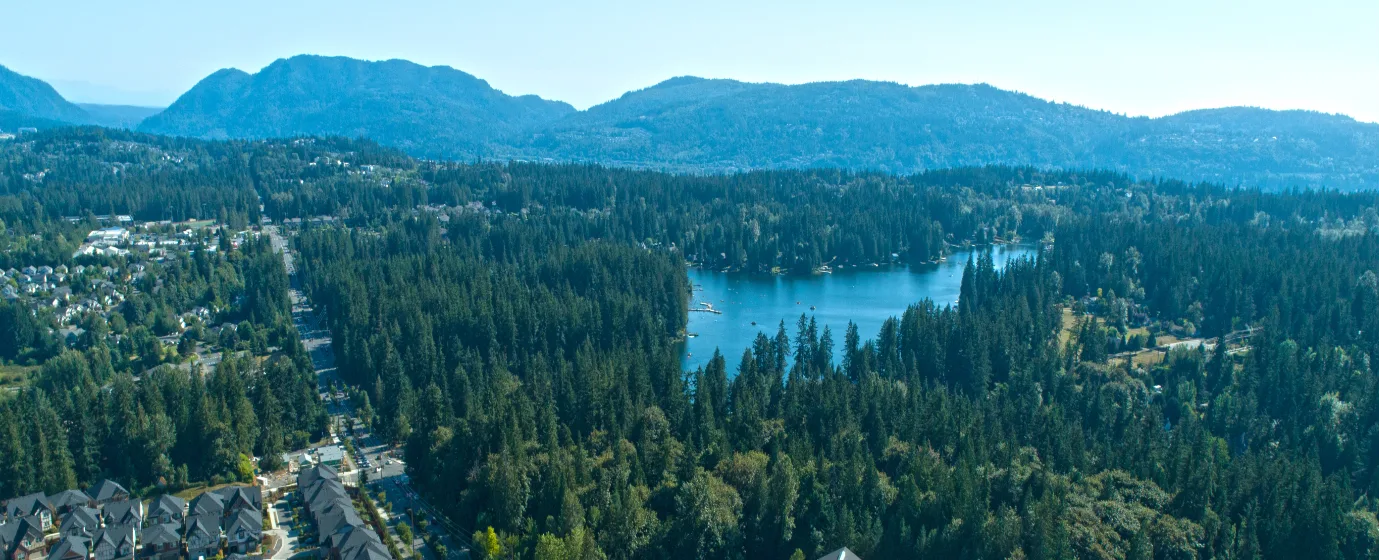
Puget Sound · Washington
Cost of Living in Redmond: Housing, Taxes, Utilities & Lifestyle (2026)
The number that stops most buyers cold is $1,240,000 — and that's the starting point for understanding Redmond's housing market, not the ceiling. Active MLS data from early 2026 puts the median sold price closer to $1.3–$1.4 million, and in neighborhoods like North Redmond and Grass Lawn, buyers routinely encounter $1.6 million and above. If you've been mentally benchmarking Redmond against Seattle proper, the gap is significant — and it surprises even buyers who think they've done their homework.
What shapes the cost picture here is the presence of Microsoft, Nintendo, Meta, and a cluster of major tech employers that have turned Redmond into one of the highest-income zip codes in the Pacific Northwest. The median household income sits at $162,560 — second highest among Washington cities over 50,000 — which means your competition at open houses is not the average buyer. It's engineers, product managers, and senior executives with stock portfolios and relocation packages. That dynamic keeps inventory tight and seller leverage high.
This guide breaks down exactly what you'll spend — on housing, rent, property taxes, utilities, and daily life — and compares Redmond to the cities most buyers are weighing against it. Whether you're arriving from California, relocating from the Midwest, or just crossing over from Seattle, the numbers here will give you an honest picture of what life in Redmond actually costs in 2026.

The Redmond housing market in 2026 is expensive, competitive, and moving quickly. The citywide median sold price over the three months ending April 2026 ran approximately $1.4 million — up 6.5% year-over-year — with homes averaging just 10 days on the market. At roughly $615 per square foot, a 2,000-square-foot single-family home in a mid-tier neighborhood lands somewhere between $1.1 and $1.3 million before you ever add a deck or a finished basement to the wish list.
What $1.4 million buys depends heavily on which neighborhood you're looking at. In Education Hill or Bear Creek, that budget gets you a four-bedroom home with a proper yard, solid bones, and proximity to Lake Washington School District campuses. In Grass Lawn or North Redmond, that same number may land you at the lower end of the market — a smaller footprint or an older build that hasn't been updated. Nearly 45% of homes sold in recent months closed above asking price, which means buyers need to treat list prices as floors, not ceilings.
The condo and townhome market does offer an entry point well below the single-family median. Downtown Redmond's attached housing — condos and row homes near the pedestrian core — saw a median sold price of around $595,000 in early 2026. For first-time buyers or buyers relocating without school-district requirements, that corridor represents the most accessible ownership path in the city.
| Budget Range | What You're Likely to Find |
|---|---|
| Under $700K | Condos and attached townhomes, primarily in Downtown Redmond; limited detached options |
| $700K–$1.1M | Older single-family homes in Southeast Redmond or Overlake; some townhomes with yards |
| $1.1M–$1.5M | Mid-size single-family homes in Bear Creek, Education Hill, Willows/Rose Hill; solid neighborhood quality |
| $1.5M–$2M+ | Newer construction in North Redmond, Grass Lawn, Redmond Ridge, Union Hill–Novelty Hill |
King County applies a property tax rate of approximately 0.74% on assessed value — which translates to roughly $9,176 annually on a $1,240,000 home. Washington's levy lid law caps annual property tax increases at 1% for most jurisdictions, which provides meaningful predictability for long-term homeowners. King County also runs a senior property tax exemption program for homeowners 61 and older who meet income thresholds, which can substantially reduce the annual bill — a meaningful benefit for retirees buying into Redmond's premium market.
Redmond rents roughly $560 above the national average, and that premium is baked into the market at every unit size. The average apartment rent across the city runs approximately $2,525 per month — a slight dip from the prior year's $2,581, suggesting the rental market is digesting recent apartment construction rather than softening in any dramatic way.
| Unit Type | Average Monthly Rent | Approx. Square Footage |
|---|---|---|
| Studio | $1,957 | ~508 sq ft |
| 1-Bedroom | $2,274 | ~696 sq ft |
| 2-Bedroom | $2,845 | ~1,031 sq ft |
| 3-Bedroom | $3,440 | ~1,295 sq ft |
Utilities in Redmond run on the moderate-to-average side for the Pacific Northwest. Puget Sound Energy handles electricity and natural gas for most of the city, and residents in a 2,000-square-foot home can expect a combined monthly utility bill somewhere in the $180–$260 range depending on season — gas heating in winter pushes the combined bill higher from November through February. Water, sewer, and garbage service through the city typically adds another $80–$120 per month, making total utility costs for a single-family home around $260–$380 monthly.
Car dependency is the honest reality for most Redmond households, particularly outside the Downtown and Overlake cores. State Route 520 is the primary commute artery into Seattle and south to Bellevue, and while the 30-minute average commute time to Seattle sounds manageable, the morning window between 7:45 and 9:00 AM can stretch that to 45–55 minutes without warning. The SR-520 bridge toll currently runs approximately $3.50–$5.50 per crossing depending on time of day, which adds up meaningfully for five-day-a-week commuters. Redmond does have Sound Transit Link light rail under expansion — the Eastside extension connecting Overlake to the regional network has been a major infrastructure story — but many residential neighborhoods still require a car for daily errands.
Groceries and dining are well-served from the Redmond Town Center anchor, where a QFC and Target handle mainstream grocery needs. For premium or international ingredients — a meaningful consideration given Redmond's large Asian community — H Mart in Bellevue is a short drive south. Dining in Redmond proper ranges from quick-service options along Redmond Way to sit-down restaurants in the downtown pedestrian core. A casual dinner for two typically runs $60–$85 before tip, and coffee shop spending in the downtown corridor is firmly Seattle-priced. The Redmond Saturday Market, running May through October at the Redmond Town Center area, is a genuine weekly gathering point for produce, flowers, and prepared foods that supplements grocery shopping during the warmer months.

| City | Median Home Price | Property Tax Rate | State Income Tax | Avg Commute to Seattle |
|---|---|---|---|---|
| Redmond | $1,240,000 | 0.74% | None | ~30 min |
| Bellevue | ~$1.5M | ~0.76% | None | ~25 min |
| Kirkland | ~$1.2M | ~0.75% | None | ~35 min |
| Sammamish | ~$1.35M | ~0.73% | None | ~40 min |
| Woodinville | ~$1.1M | ~0.72% | None | ~40 min |
| Bothell | ~$875K | ~0.80% | None | ~35 min |
| Seattle | ~$845K | ~0.92% | None | N/A |

From a mortgage standpoint, where you land within Redmond matters more than many buyers initially realize. Neighborhoods like Overlake and Downtown Redmond tend to command premium prices given their walkability and proximity to major tech employers, while areas like Education Hill often offer more breathing room for buyers searching under $750,000 without sacrificing quality of life. Desirable homes across Redmond move quickly — well-priced listings in sought-after pockets routinely see offers within days, so hesitation can be costly.
That urgency is exactly why I encourage buyers to connect with a lender before they start touring homes. Knowing your full monthly payment picture — not just principal and interest, but property taxes, homeowners insurance, any HOA dues, and how your loan is structured — gives you a realistic sense of what comfortable looks like versus what you're simply approved for. Those are often very different numbers. When the right home appears in a competitive market like Redmond, being pre-approved and clear-eyed about your budget means you can move with confidence rather than scrambling to catch up.
The table below reflects a household purchasing at the $1,240,000 median price with a 10% down payment and a fixed mortgage rate in the current range.
| Expense Category | Estimated Monthly Cost |
|---|---|
| Mortgage (P&I, 10% down, ~$1.116M loan) | $7,100–$7,400 |
| Property Taxes | ~$765 |
| Homeowner's Insurance | ~$180–$220 |
| HOA (if applicable) | $0–$400 |
| Utilities (electric, gas, water/sewer/garbage) | $260–$380 |
| Groceries (family of 3–4) | $900–$1,200 |
| Transportation (2 cars, fuel, SR-520 tolls) | $600–$900 |
| Dining & Entertainment | $500–$800 |
| Childcare or School Activities | $400–$1,200 |
| Estimated Total | $10,705–$12,465 |
Washington State's most important financial advantage for high earners is the absence of a state income tax. For a Redmond household earning $162,560 or more, the lack of state income tax represents a significant annual advantage over California (where that income would face a 9.3% marginal rate) or Oregon (9.9%). That tax benefit is a real and recurring financial win that often doesn't show up in surface-level cost-of-living comparisons.
Washington does impose a 6.5% state sales tax, and King County adds to that — Redmond's combined sales tax rate runs approximately 10.2%. Everyday purchases, restaurant meals, and vehicle purchases all carry that combined rate, which takes adjustment for buyers arriving from no-sales-tax states. The state's capital gains tax — passed in 2021 and upheld by the state Supreme Court — applies to long-term capital gains above $250,000, which is relevant for high-earning tech employees managing equity compensation.
For seniors aged 61 and older, Washington's property tax deferral program allows qualifying homeowners to defer a portion of their property taxes as a lien against the home, payable when it sells. Combined with the King County senior exemption program, this makes Redmond a meaningfully more affordable retirement option for longtime homeowners than the sticker price of a $1.2 million home would initially suggest.

Local Expert Takeaway: The number most buyers underestimate isn't the home price — it's the SR-520 toll impact over a five-year ownership horizon. A household commuting five days a week into Seattle racks up $4,000–$6,000 annually in bridge tolls on top of a mortgage that already leaves thin margin at median income. Buyers who find themselves choosing between Redmond and Kirkland should run the full commute-cost math: Kirkland's slightly lower median pricing and toll-free commute routes can close the gap considerably, particularly for households with one Seattle-based commuter.
Looking to buy in Redmond? Estimate your payment.
Enter your numbers to see an estimated monthly mortgage payment.
Estimate only. Excludes HOA fees and mortgage insurance.
Is Redmond an expensive place to live?
Yes — Redmond is one of the more expensive cities in Washington State by nearly every housing metric. The median sold price in early 2026 sits around $1.3–$1.4 million for single-family homes, and even rental costs run roughly 29% above the national average. The city's high median household income reflects the reality that most residents work in well-compensated tech or adjacent industries, and the cost structure is calibrated accordingly.
Does Washington's lack of income tax make Redmond more affordable than it appears?
For high earners, it makes a meaningful difference. A household earning $200,000 in Seattle pays no state income tax in Washington, versus $15,000–$19,000 or more in California. That annual savings changes the effective cost-of-living comparison significantly, particularly for tech workers relocating from the Bay Area. Sales tax at roughly 10.2% is a genuine offset, but it rarely erases the income tax advantage for six-figure earners.
How does Redmond compare to Bellevue for overall cost of living?
Redmond generally runs 10–15% below Bellevue on home prices and roughly 9% lower on median rents. Both cities share Washington's no-income-tax advantage and similar property tax rates. The key practical difference is commute geometry: Redmond is the logical choice for Microsoft and Nintendo employees, while Bellevue serves Amazon, T-Mobile, and financial services workers more directly. The decision between the two usually comes down to which employer campus you're anchored to and which school sub-district you're prioritizing.
Explore the full Redmond series: Living in Redmond · Is Redmond Safe? · Cost of Living · Best Neighborhoods · Schools & Family Life · Youth Sports · Parks & Rec · Retiring in Redmond