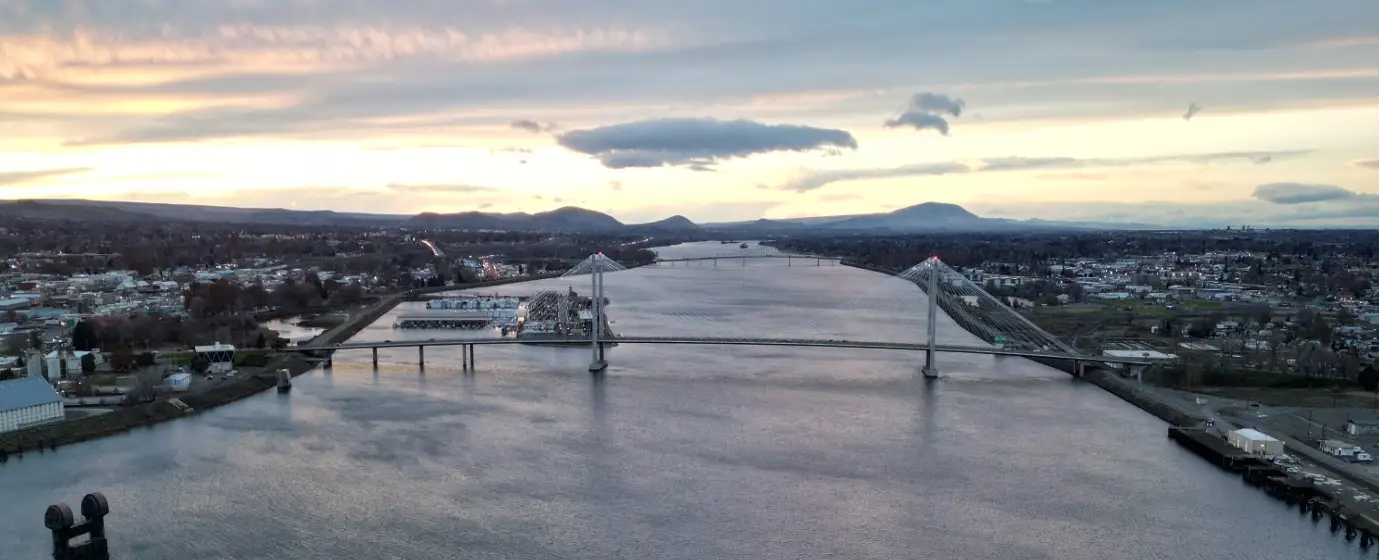
Eastern Washington · Washington
Living in West Richland: The Ultimate Relocation Guide (2026)
Maybe your employer is transferring you to the Tri-Cities region. Maybe you've been tracking home prices in Richland or Kennewick and someone in a Facebook group mentioned West Richland as the smarter play. Maybe you drove through it once on your way somewhere else and thought it looked like every other suburb — tidy, flat, unremarkable. The tension at the heart of West Richland is that it looks like a straightforward bedroom community but functions like something more deliberate. It sits just west of Richland proper, absorbing growth that Richland's older grid can't accommodate, drawing households priced out of Seattle and Portland who've done the math and landed here with a mix of pragmatism and relief.
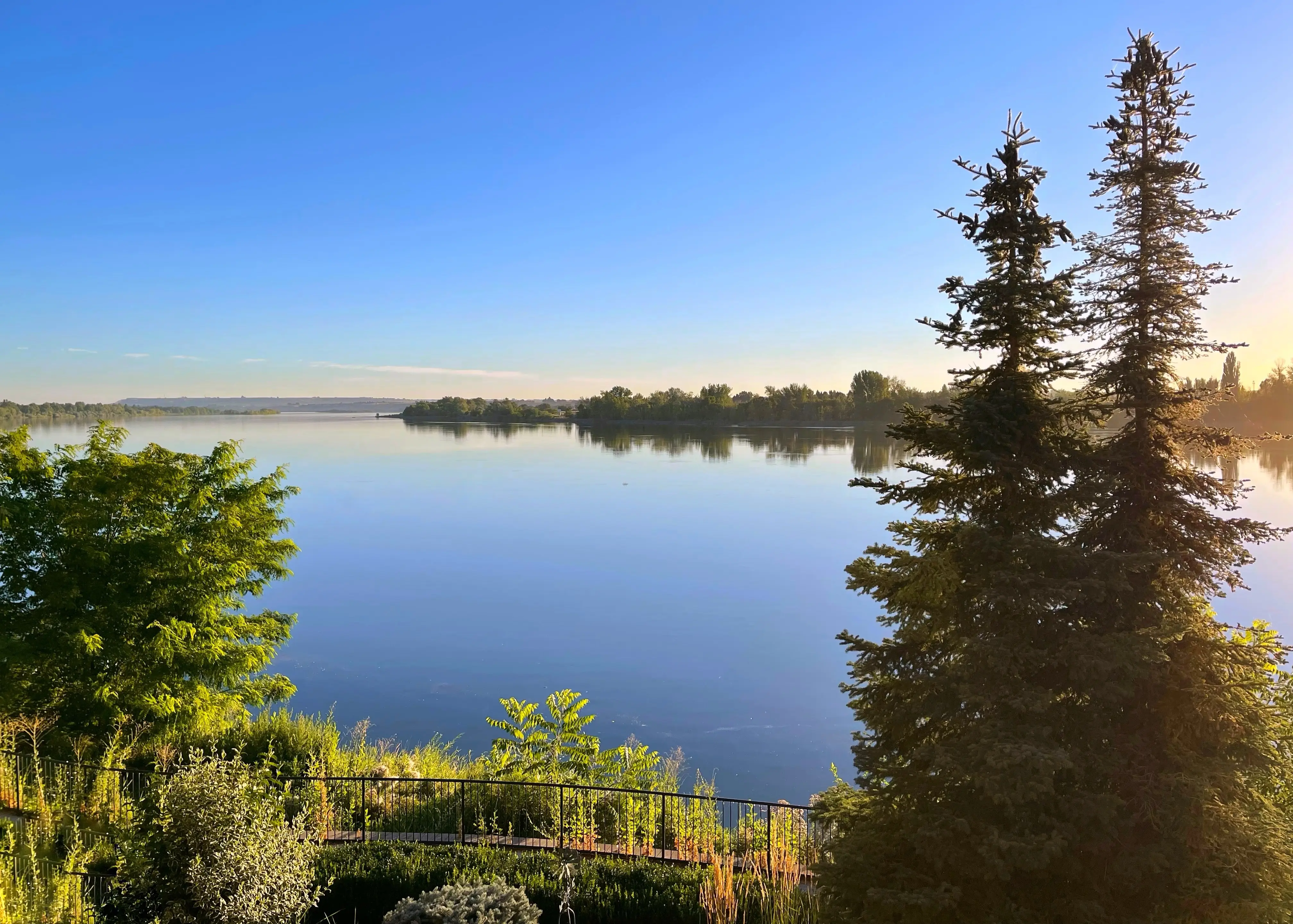
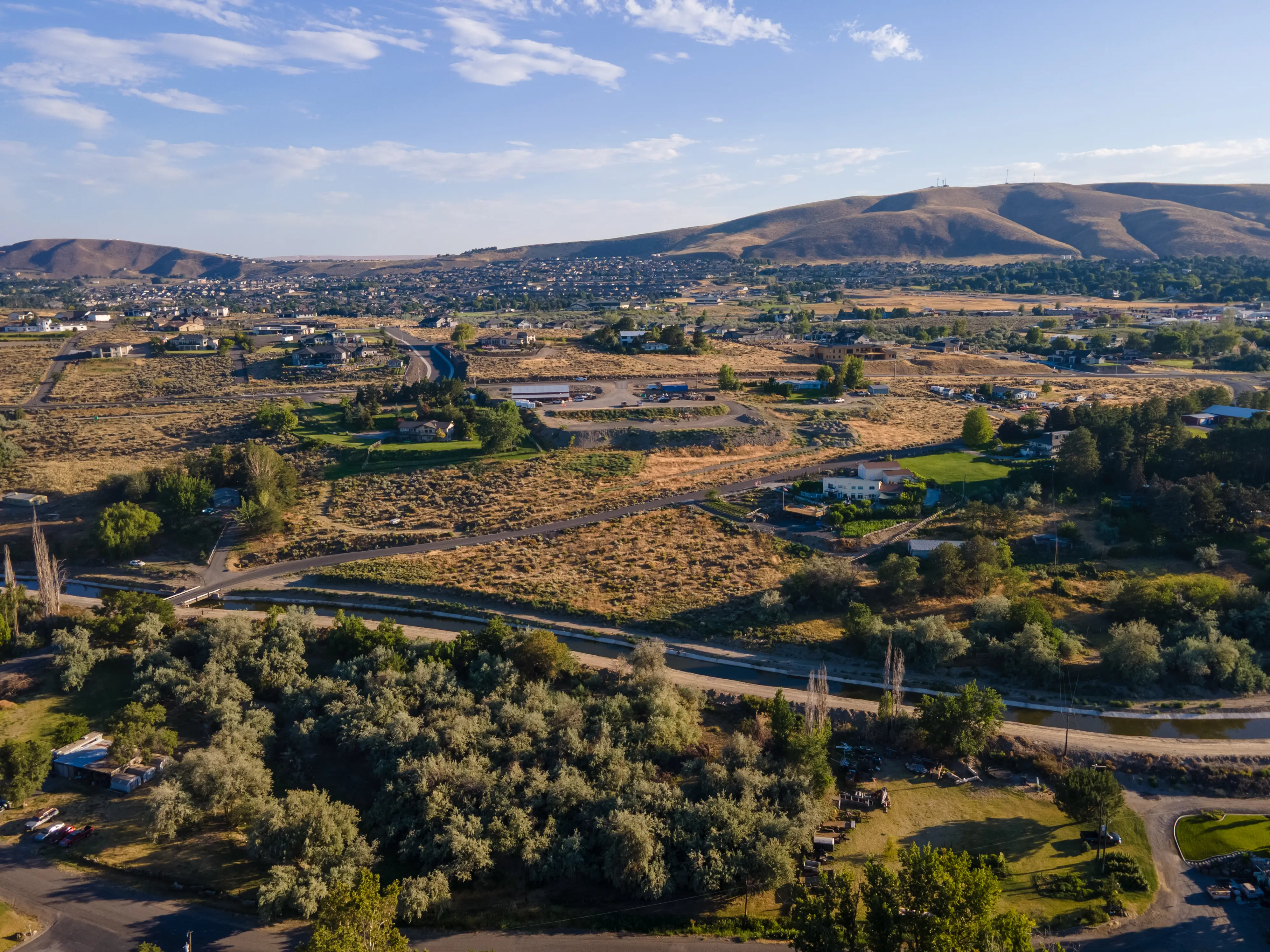
Geographically, West Richland occupies a stretch of high desert terrain between the Yakima River to the south and rolling agricultural hills to the west. Candy Mountain — the city's unofficial landmark, a basalt ridge visible from most of the residential areas — gives the landscape a distinctly Eastern Washington character that surprises newcomers expecting flat sprawl. The Yakima River borders the southern edge of town, the Richland border sits about ten minutes east by car, and most of the city's growth is pushing steadily westward into land that was farmland a decade ago. Commutes to the Hanford Site, PNNL, or Kadlec Medical Center typically run under fifteen minutes.
This guide covers what actually shapes daily life in West Richland: which neighborhoods deliver on their promise, how the schools perform in practice, what the housing market looks like heading into the second half of 2026, and where the honest tradeoffs are. If you're deciding between West Richland and one of its Tri-Cities neighbors, this guide will help you make that call with real information.
West Richland doesn't work equally well for every buyer. The table below cuts through the broad appeal to show who actually thrives here and why.
| Best For | Why |
|---|---|
| Tri-Cities commuters | 10-minute drive to Richland, under 20 to most Hanford/PNNL worksites; minimal traffic by Pacific Northwest standards |
| Families with school-age children | Richland School District rated A-, top 20% statewide; newer elementary schools on the west side feed growing neighborhoods |
| Remote workers from Seattle or LA | Median home price around $486,000 versus $900K+ in Seattle suburbs; no state income tax amplifies the savings |
| First-time buyers | More new construction entry points than Richland's established core; builder incentives available in western development corridors |
| Retirees seeking low maintenance | Quiet residential streets, mild Tri-Cities social scene, proximity to Kadlec Medical and Columbia Basin College programs |
| Outdoor-oriented households | Yakima River access, Candy Mountain trail system, Bombing Range Sports Complex — all within city limits |
The first thing you notice driving into West Richland from Richland on Van Giesen Street is that the density drops almost immediately. Richland has the coffee shops, the Friday night pedestrian traffic, the Columbia River waterfront energy — West Richland trades all of that for space, quiet, and newer construction. It's a deliberate tradeoff that residents either appreciate deeply or quietly regret within the first year.
Daily errands require a car. There is no genuine town center in the way Richland's George Washington Way corridor functions as one. The commercial anchors are strung along Van Giesen Street and Bombing Range Road — a grocery run, a quick-service lunch, a pharmacy stop — but the walkable mixed-use streetscape that Pacific Northwest transplants often crave simply doesn't exist here. If your mental picture of ideal daily life includes walking to a coffee shop or browsing a weekend farmers market on foot, West Richland will consistently disappoint on that front.
What surprises most people after six months of living here is how quickly the quiet becomes a feature rather than a bug. The neighborhood streets in Candy Mountain, Sunset Heights, and Western Ridge are genuinely calm in a way that suburban streets in the Puget Sound corridor haven't been in years. Kids ride bikes. People walk dogs at 7 p.m. without traffic noise as background. That Eastern Washington stillness — amplified by the high desert air, the visible stars, the absence of the constant low hum of dense development — is either the thing you came for or the thing you didn't know you were missing.
The community vibe skews younger than you might expect for a bedroom community. With a median age around 35 and roughly 58% of households with children under 18, most social life organizes around youth sports leagues at Bombing Range Sports Complex, school events through the Richland School District, and informal neighborhood gatherings. The YMCA of Greater Tri-Cities serves as a genuine community hub, not just a gym, and the Yellowstone Trail Community Garden draws a reliable cross-section of long-term residents and newcomers who want something to dig into — literally.
The housing dollar genuinely goes further here than almost anywhere else in Washington. A household earning the city's median income of just under $120,000 can realistically purchase a newer 3- or 4-bedroom home with a garage and a yard, finance it at payments that don't consume the budget, and still save at a meaningful rate. That combination — new construction, reasonable prices, no state income tax — is the core reason migration from Seattle, Los Angeles, and Portland has been so sustained. The people who arrive skeptical tend to stop being skeptical when they see their take-home pay and their mortgage statement side by side.
The outdoor access is underrated. Candy Mountain's basalt ridge trail system delivers genuine Eastern Washington terrain — exposed, windy on the summit, with views across the Yakima River valley that feel nothing like suburban recreation. Edgewater Park and the Yakima River corridor provide flat, accessible walking and cycling. Flat Top Community Park, Enterprise Park, Paradise Park, and Wildcat Park distribute green space across the residential grid so that most neighborhoods have park access within a short walk or drive. The Bombing Range Sports Complex handles organized youth sports at a scale that would impress cities three times West Richland's size.
The Richland School District is a genuine asset. Rated A- by independent education evaluators and placing in the top 20% of Washington's 306 school districts on combined math and reading proficiency, it performs well above what you'd expect for a mid-sized suburban district. Hanford High School ranks among the top 50 in the state, and the district's STEM-focused Delta High School offers a differentiated option for academically motivated students. For households with school-age children, this is one of the clearest wins West Richland offers over comparable-priced cities in the state.
The employment base is a stabilizing force that newer markets lack. When your city's largest employers include a Department of Energy national laboratory, a federal nuclear site, a regional medical center, and a major engineering contractor, you have insulation against the boom-bust cycles that hit single-industry or tech-dependent communities hard. That stability shows up in the housing market — West Richland didn't crater in 2022–2023 the way speculative West Coast markets did, and appreciation has been measured and consistent rather than volatile.

There is no real downtown, and that absence is structural, not temporary. West Richland incorporated in the 1950s as a Hanford workforce bedroom community and was never designed around a commercial core. Van Giesen Street has improved considerably over the past decade, but the gap between what it offers and what a walkable urban center would offer remains significant. Buyers who tell themselves they'll adjust to the car-dependent layout often do — but the ones who genuinely thrive here are the ones who didn't want that walkable streetscape to begin with.
Summer heat is a legitimate planning factor that out-of-state relocators consistently underestimate. Tri-Cities summers run regularly into the 100°F range from late June through August, and the high desert landscape amplifies the heat. Air conditioning isn't optional — it's infrastructure. Evenings cool significantly, which makes outdoor life feasible from roughly 7 p.m. onward, but the midday window from late May through September makes outdoor errands genuinely uncomfortable. California transplants often adjust faster than Pacific Northwest transplants, who aren't used to heat of that intensity.
The lack of walkability compounds when you consider dining and entertainment options. Richland and Kennewick are 10–15 minutes away and collectively offer most of the dining, arts, and nightlife the Tri-Cities provides — but it's all a deliberate car trip. Residents describe this as "driving to do anything interesting," and for households that priced themselves out of urban cores specifically because they wanted those urban amenities, the realization arrives sharply. West Richland is best understood as a place to live well and commute to life, not a place where life happens at your doorstep.
Why some people leave: The households most likely to exit are remote workers in their early 30s who arrived for the housing value but find the social infrastructure thin for adults without children, and retirees who discover the medical specialist network — while anchored by Kadlec — requires travel to Seattle or Portland for complex care. Those are the specific profiles that tend to relocate out after two to three years.
Belmont Heights sits in the mid-to-upper tier of West Richland's residential market, featuring newer construction homes that skew toward four-bedroom layouts aimed at households with children. Proximity to Tapteal Elementary and quick access to Bombing Range Road make it one of the more practical choices for dual-income families with school-aged kids. Prices generally run in the mid-$400,000s to low $500,000s for newer builds, with the tradeoff being streets that still feel unfinished in places as surrounding development continues.
Best for: Families with young children who want newer construction and easy school access without paying the premium of the city's most established neighborhoods.
The Candy Mountain neighborhood clusters around the city's signature basalt ridge, and the real estate reflects the view premium. Homes here mix older ranch-style construction from the 1990s with newer infill, and the price range runs accordingly — roughly $400,000 on the lower end for dated interiors up to $550,000 for updated homes with ridge views. The trail access from neighborhood streets to the Candy Mountain summit is the single biggest draw, and residents reference it constantly as the reason they chose this specific pocket.
Best for: Outdoor-oriented buyers who want trail access from their front door and don't need the newest construction to feel at home.
Glenbrook represents one of West Richland's more established residential corridors, with homes that trend slightly older — primarily 2000s and early 2010s builds — and a neighborhood character that feels more settled than the city's western growth edge. Prices typically land in the $420,000–$480,000 range for three- and four-bedroom homes. The streets are quieter than the new-construction pockets because the surrounding development has been complete for years rather than still-in-progress.
Best for: Buyers who want a move-in-ready home in an established neighborhood and prioritize quieter streets over the newest finishes.
Harvest Meadows sits toward the western development corridor and features some of the city's more recent construction, with homes built primarily in the 2010s and 2020s. The neighborhood draws households relocating specifically for the Richland School District's western elementary schools, and the floor plans tend toward open-concept four-bedroom designs popular with growing families. Prices in the low-to-mid $500,000s reflect both the newer construction and the demand pressure from the relocation market.
Best for: Relocating families who want newer construction, school proximity, and a neighborhood where most of your neighbors arrived within the last five years.
Sunset Heights commands some of the best elevated views in West Richland, with homes positioned on the rolling terrain west of the city's commercial strip. The neighborhood mixes price points — older ranch-style homes from the 1990s alongside more recent construction — which creates an approachable entry point compared to newer premium developments. Expect to see homes ranging from the upper $380,000s for dated older builds to the mid-$500,000s for updated or newer construction with view lots.
Best for: Buyers who prioritize views and quiet elevation over newness of finishes, and want a mid-range price point with upside potential.
Sunset Ridge positions itself as one of West Richland's more polished residential areas, featuring newer construction homes with larger lots than you typically find in the city's denser pockets. It draws households that want the feel of a semi-custom home without the full custom price tag, and the neighborhood's elevated position gives it a distinct character from the flatter streets closer to Van Giesen. Prices typically run in the $500,000–$600,000 range for four-bedroom homes with finished interiors.
Best for: Move-up households who want newer construction, larger lots, and a neighborhood aesthetic that feels a step above standard suburban development.
Western Ridge sits at the leading edge of West Richland's westward growth, meaning it's newer, more sprawling, and closer to the agricultural edge of the city than any of the established neighborhoods. The homes are predominantly 2010s and 2020s construction, the streets are wide, and the lots are generous. It's also the neighborhood where the "driving to everything" reality is most pronounced — the commercial amenities of Van Giesen feel farther away here than the map suggests during peak after-work hours.
Best for: Households prioritizing new construction, lot size, and indoor space over proximity to amenities, particularly those with school-age children enrolled in the district's western schools.
The Lakes is West Richland's clear luxury outlier — a gated community with custom homes that are in a different pricing category from the rest of the city. Properties here routinely reach $700,000 to well over $1 million, and the active market has seen listings above $2.7 million for large custom builds. The setting features water features and larger parcels that don't exist elsewhere in the city's residential inventory. Anyone comparing The Lakes to Harvest Meadows or Glenbrook is comparing two different markets.
Best for: Buyers seeking West Richland's highest-end product — custom construction, gated access, and a price point that reflects both the finishes and the premium setting.

West Richland's location along the Yakima River corridor gives it a distinct advantage over neighboring Tri-Cities communities, and buyers who understand neighborhood dynamics here tend to make smarter long-term decisions. Areas like Sunset Ridge and Candy Mountain consistently attract strong buyer interest because of their elevation, views, and proximity to outdoor recreation — and desirable homes in these neighborhoods often receive multiple offers within days of listing. Harvest Meadows appeals to families prioritizing newer construction and walkability, with well-maintained properties generally priced under $600,000. Knowing which pockets align with your lifestyle before you start shopping helps you move with confidence rather than scrambling to catch up.
Getting pre-approved before you tour a single home isn't just a formality — it's how you avoid falling in love with something outside your actual comfort zone. Your full monthly obligation includes principal, interest, property taxes, homeowner's insurance, and sometimes HOA dues, and that combined number can look very different from the purchase price alone. I always encourage buyers to think about a comfortable payment, not just maximum approval. When the right home in West Richland appears, being financially ready means you can act — not wait
| City | Best For | Median Home Price | Commute to Richland/Hanford | Vibe |
|---|---|---|---|---|
| West Richland | Families, new construction, outdoor access | ~$486,000 | 10 min | Quiet, suburban, growing west side |
| Richland | Walkability, Columbia River access, established community | ~$445,000–$480,000 | 0–5 min | Urban-adjacent, river-focused, more established |
| Kennewick | Affordability, urban services, proximity to airport | ~$380,000–$420,000 | 15–20 min | More urban density, commercial hub |
| Pasco | Entry-level pricing, diverse community, growth opportunity | ~$340,000–$380,000 | 20–25 min | Fastest-growing Tri-City, more affordable |
| Benton City | Rural character, wine country adjacency, lower price | ~$280,000–$340,000 | 20–25 min | Small-town, agricultural, quiet |
| West Pasco | Newer construction, affordable family homes | ~$350,000–$400,000 | 20–30 min | Suburban growth corridor, less established |
| Category | Detail |
|---|---|
| Population | 20,036 (2026 estimate; +22% since 2020) |
| Median Home Price | $486,000 (mid-2026) |
| Property Tax Rate | Approximately 1.13% |
| Median Household Income | $119,892 |
| Cost of Living Index | 94.8 (U.S. average = 100) |
| School District | Richland School District — rated A- |
| Commute to Richland Core | ~10 minutes |
| Violent Crime per 1,000 | 0.9 |
| State Income Tax | None |
| Median Age | 35.5 years |
| Broadband Access | 91.2% of households |
Candy Mountain is more than a landmark — it's a social institution. The basalt ridge accessible from multiple trailheads within the city limits functions as a gathering point for the outdoor-oriented half of West Richland's population in a way that formal parks don't quite replicate. Regulars run into each other at the summit. Families treat the sunset hike as a Tuesday evening activity rather than a weekend event. If you want to meet your neighbors without an organized event as pretext, the Candy Mountain trailhead does that work naturally.
The Yellowstone Trail Community Garden on the city's east side has developed into one of the quieter but more durable community traditions in West Richland — plot holders range from multigenerational families with decades of gardening history to newer residents using the garden as a way to anchor themselves in the city. Waiting lists for plots are not uncommon, and the social ecosystem around the garden tends to pull in a cross-section of the city that you don't find at other organized community events.
The Bombing Range Sports Complex hosts tournaments most weekends from spring through fall that draw teams from across the Tri-Cities and southeastern Washington, which means the traffic on Bombing Range Road from Saturday morning through early Sunday afternoon is legitimately heavier than the rest of the week. If you're moving into one of the neighborhoods directly adjacent to the complex, run that commute on a tournament Saturday before you make an offer — the access points can back up in ways the weekday drive doesn't prepare you for.
What I would not do if moving here: I would not buy in the far western development edge of Western Ridge without visiting on a summer weekday afternoon. The combination of construction traffic, limited shading from immature landscaping, and the longer drive to Van Giesen commercial amenities is a package that photographs well and shows well in spring — but the heat, the dust from surrounding active construction, and the isolation register differently once you're living it. The newer neighborhoods closer to Bombing Range Road and the established school corridors offer most of the new-construction benefits without that specific combination of friction.
Local Expert Takeaway: If you're relocating to the Tri-Cities from out of state, West Richland's value proposition is strongest in the Harvest Meadows, Sunset Ridge, and Belmont Heights corridors — established enough to feel like a real neighborhood, new enough to offer builder warranties and modern floor plans. Don't anchor your search to the far western edge of development unless lot size is your primary priority. And factor the no-income-tax reality into your budget modeling before you compare Washington prices to Oregon or California — the effective cost gap is larger than the sticker prices suggest.
✅ West Richland delivers genuine housing value — a $486,000 median in a no-income-tax state, with newer construction, strong schools, and a 10-minute commute to Richland's employment core, is a combination that doesn't exist in most Pacific Northwest markets at this price point.
⚠️ The car-dependent layout is non-negotiable — there is no walkable town center, dining is a drive away, and the city's commercial infrastructure is still catching up to its residential growth. Buyers who need urban amenities within walking distance will find this a persistent frustration.
📍 The western development edge is still actively building — neighborhoods like Western Ridge and areas beyond Harvest Meadows are surrounded by ongoing construction that will continue for several more years. If you're buying new construction in those corridors, visit on a weekday in July before committing.
Is West Richland a good place for families?
West Richland is well-suited for families with school-age children, primarily because of the Richland School District's performance — rated A- and placing in the top 20% statewide. The city's demographics reflect this orientation: roughly 58% of households have children under 18, the median age sits around 35, and the social infrastructure around youth sports at Bombing Range Sports Complex and community programs through the YMCA is genuinely substantial for a city this size.
What is the crime rate in West Richland?
West Richland is among the safer communities in the state, with a violent crime rate of approximately 0.9 per 1,000 residents — significantly below both the Washington state average and the national average. The overall crime rate runs about 39% below national norms, and the city places in roughly the 61st percentile for safety among U.S. cities. Residents generally describe the city as low-stress from a personal safety standpoint, which aligns with the demographic profile of a relatively high-income, family-oriented community.
How does West Richland compare to Richland, its nearest neighbor?
The two cities share a school district, a regional employment base, and roughly comparable home prices — West Richland's median sits around $486,000 while Richland's established neighborhoods run in a similar range. The meaningful differences are lifestyle-oriented: Richland has a walkable commercial core, Columbia River waterfront access, and a more established urban character; West Richland has newer construction, larger lots, quieter streets, and more new-construction inventory. Most buyers who choose West Richland over Richland do so for space, lot size, or specific school corridor preferences — not because it's significantly cheaper.
Explore the full West Richland series: The Ultimate West Richland Relocation Guide · Is West Richland Safe? · Cost of Living in West Richland · Best Neighborhoods in West Richland · West Richland Schools & Family Life · West Richland Youth Sports · West Richland Parks & Recreation · Retiring in West Richland · 1031 Tax-Deferred Exchange in West Richland · West Richland First-Time Homebuyers Guide · West Richland Down Payment Assistance Guide · Moving to West Richland from California