Puget Sound · Washington
Parks & Recreation in Everett: Trails, Facilities & Outdoor Life (2026)
Most people landing in Everett for the first time expect a dense industrial port city without much breathing room. What they find instead is nearly 1,000 acres of parkland spread across 64 parks — a system that covers roughly 16% of the city's land area and stretches from saltwater bluffs overlooking Puget Sound to quiet river corridors along the Snohomish.
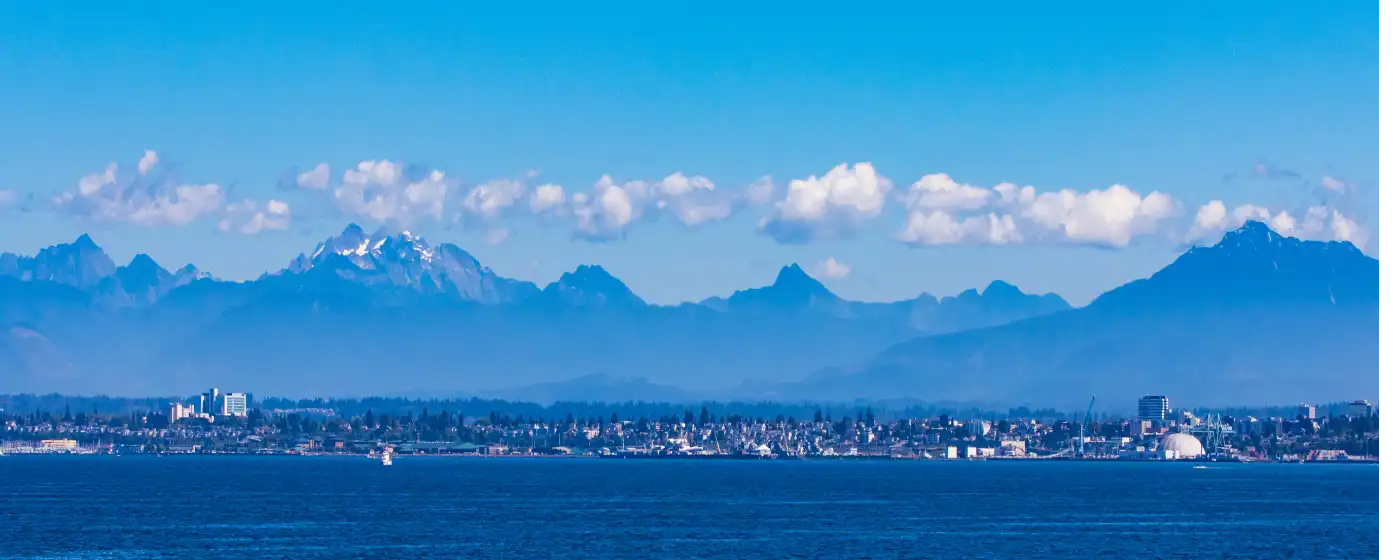
Geography is the defining factor here. Everett sits on a peninsula with water on three sides, which means a surprising number of parks deliver genuine Puget Sound views, beach access, or river frontage rather than the landlocked green rectangles you'd find in most inland suburbs. The network ranges from a 197-acre urban forest with a petting zoo to a barrier island you can only reach by free ferry — a range that few cities of Everett's size can match.
This guide is built for people who want specifics: which parks are actually worth your Saturday, where the best trails run and how long they are, what happened to the public pool, and where families with kids gather once school lets out. If you're relocating to Everett and outdoor access matters to you, the picture here is more interesting than the city's industrial reputation suggests.

| Park Name | Highlights | Best For |
|---|---|---|
| Forest Park | 197 acres, animal farm, water playground, hiking trails | Families with young children |
| American Legion Memorial Park | Panoramic views of Port Gardner Bay, Olympics & Cascades | Photographers, veterans events |
| Langus Riverfront Park | 3 miles paved trail, fishing pier, boat launch, Spencer Island access | Walkers, kayakers, birders |
| Howarth Park | Beach access, off-leash dog area, Olympic Mountain views, 1-mile loop | Dog owners, beach walkers |
| Grand Avenue Park | 5-acre bluff park, pedestrian bridge, Puget Sound overlook | Sunset seekers, scenic walkers |
| Harborview Park | Baseball field, playgrounds, Possession Sound views | Families, casual walkers |
| Lowell Riverfront Park | 3.3-mile paved riverfront trail, van-accessible parking | Cyclists, joggers |
| Narbeck Wetland Sanctuary | 42-acre wetland, 1.5-mile interpretive trail, 150+ bird species | Birders, nature education |
| Jetty Island | Free summer ferry, natural beach, wildlife habitat | Summer recreation, kids |
| Emma Yule Park | Community events, family-friendly green space | Local families |
| Rucker Hill Park | Quiet hilltop setting, city escape | Peaceful walks |
Location: 802 E Mukilteo Blvd, Everett, WA 98203
At 197 acres, Forest Park is the anchor of Everett's entire park system — and the most family-trafficked green space in the city. A small animal farm and petting zoo make it genuinely distinct from the typical municipal park, and an outdoor water playground with 16 interactive water features (open May through mid-September) keeps it packed through summer. The park is free to enter, which matters in a city where plenty of other amenities require membership or fees.
Best for: Families with kids under 12, summer afternoons, and anyone who wants genuine acreage without driving out of town.
Location: Bluff Road, Everett (off Mukilteo Blvd)
Howarth is the park locals keep coming back to for its combination of beach access, bluff trail, and off-leash dog area — a trifecta that's harder to find than it sounds anywhere near Puget Sound. The 28-acre park sits on a bluff above the water, and the 1-mile loop trail terminates at a viewpoint where the Olympic Mountains fill the entire horizon on a clear day. Dog owners in the Evergreen and Northwest Everett neighborhoods treat it as their default evening destination.
Best for: Dog owners, beach access, trail walkers looking for a short but scenic loop.
Location: 400 Smith Island Rd, Everett, WA 98201
At 93.5 acres along the Snohomish River, Langus offers something rare in an urban park system: genuine wilderness access within city limits. Three miles of paved trail connect the main park to Spencer Island, a 413-acre intertidal nature reserve that hosts bald eagles, great blue herons, and migratory waterfowl. A fishing pier, boat launch, and rowing dock give the park year-round purpose beyond just walking.
Best for: Birders, anglers, kayakers launching onto the Snohomish, and anyone who wants a longer riverside loop without leaving Everett.
Location: Grand Avenue, Everett (Port Gardner neighborhood)
Grand Avenue Park packs an outsized visual impact into just 5 acres. The Grand Avenue Park Bridge connects the bluff park to the waterfront below, and the paved, accessible walkways make this one of the most usable viewpoint parks in the city for people of all mobility levels. Sunset views across Puget Sound toward the Olympics are the consistent draw — this is the park Everett residents send out-of-town visitors to first.
Best for: Photographers, sunset walks, accessible waterfront access, visitors getting their first look at the city from above.
Location: 7007 Seaway Blvd, Everett, WA 98203
Narbeck is the most underused park in the city, which is either a complaint or a selling point depending on your personality. The 42-acre wetland sanctuary features a 1.5-mile interpretive trail with educational signage and self-guided tour materials — more than 150 bird species have been recorded here across the year. During the school year, park rangers can be scheduled for interpretive programs, making it a legitimate field trip destination for Everett families.
Best for: Birders, quiet weekend walks, families interested in nature education, and anyone who wants a trail without a crowd.
The Lowell Riverfront Trail is Everett's most accessible long-format recreational path — 3.3 miles of paved, flat surface running along the Snohomish River through the Lowell neighborhood. The trail is wide enough for cyclists and walkers to share without tension, and the river views are consistent throughout rather than appearing only at designated viewpoints. Parking is straightforward at the southeast trailhead off Lowell Snohomish River Road, with van-accessible spaces available.
What separates Lowell from Langus is the mood: Lowell feels like a neighborhood trail that happens to be beautiful, while Langus runs wilder and connects to genuine conservation land. Both are worth adding to a weekly rotation, and residents in the Lowell and Valley View neighborhoods can access the trail directly from their streets.
Everett's public aquatics situation requires an honest explanation. The Forest Park Swim Center, which operated at 802 E Mukilteo Blvd from 1976 until March 2020, has been closed since the early pandemic period — not a temporary closure, but a permanent one driven by budget constraints. The city has commissioned a study on the 16,390-square-foot building's future, but as of 2026 it is not operating as a swim facility.
The current primary public aquatic option is the Everett Family YMCA (4730 Colby Avenue, Everett, WA 98201). Through a formal partnership with the city, Everett residents in qualifying zip codes can access the YMCA pool without a full membership — purchasing a reduced-price day pass instead. The facility goes well beyond a lap pool: it houses a regional medical clinic, a nutrition kitchen, a Big Brothers Big Sisters center, and a new neighborhood park on the grounds. Senior programs specifically include water fitness classes, group exercise, and social gatherings, which makes the YMCA a functional community hub rather than just a fitness center.
The Carl Gipson Senior Center, managed under Everett Parks & Community Services, serves the city's older residents with programming that runs parallel to YMCA offerings. The School Playground Partnership with Everett School District also opens additional play space to community members outside school hours, expanding effective recreational square footage across neighborhoods.

Proximity to parks and trail systems genuinely influences what buyers will pay and how long homes stay available in Everett. Neighborhoods like Cascade View and Boulevard Bluffs tend to attract buyers who prioritize outdoor access, and well-maintained homes near green space in those areas move quickly — sometimes within days of listing. Evergreen sees similar demand from buyers drawn to its natural surroundings. If you're targeting homes under $600,000 with solid trail or park access, expect competition and have your financing squared away before you start touring.
That's exactly why connecting with a lender early matters more than most buyers expect. Your true monthly obligation includes not just principal and interest, but property taxes, homeowner's insurance, any HOA dues, and the loan structure itself — and those layers together can shift your comfortable budget significantly from what a pre-approval number alone suggests. Maximum approval and comfortable payment are rarely the same figure. When the right home near Interurban Trail or Forest Park appears and moves fast, you want to be positioned to act — not scrambling to get paperwork started.
| Destination | Distance from Everett | Highlights |
|---|---|---|
| Wallace Falls State Park | ~38 miles east | 2,028-acre park, stunning waterfall, popular hiking |
| Mt. Pilchuck State Park | ~35 miles east | Fire lookout hike, panoramic Cascades views |
| Ebey's Landing (Whidbey Island) | ~20 miles by ferry | Prairie trails, historic reserve, beach access |
| Mukilteo Lighthouse & Beach | ~6 miles south | Waterfront park, ferry to Whidbey, picnic areas |
| Lord Hill Regional Park | ~15 miles east | 1,300-acre forested park, equestrian and hiking trails |
| Centennial Trail | ~10 miles east | 30-mile paved multi-use trail through Snohomish County |
| Boulder River Wilderness | ~45 miles east | Old-growth forest, waterfall hike, remote backcountry |
| Lake Stevens waterfront | ~10 miles east | Swimming, kayaking, lakefront park access |
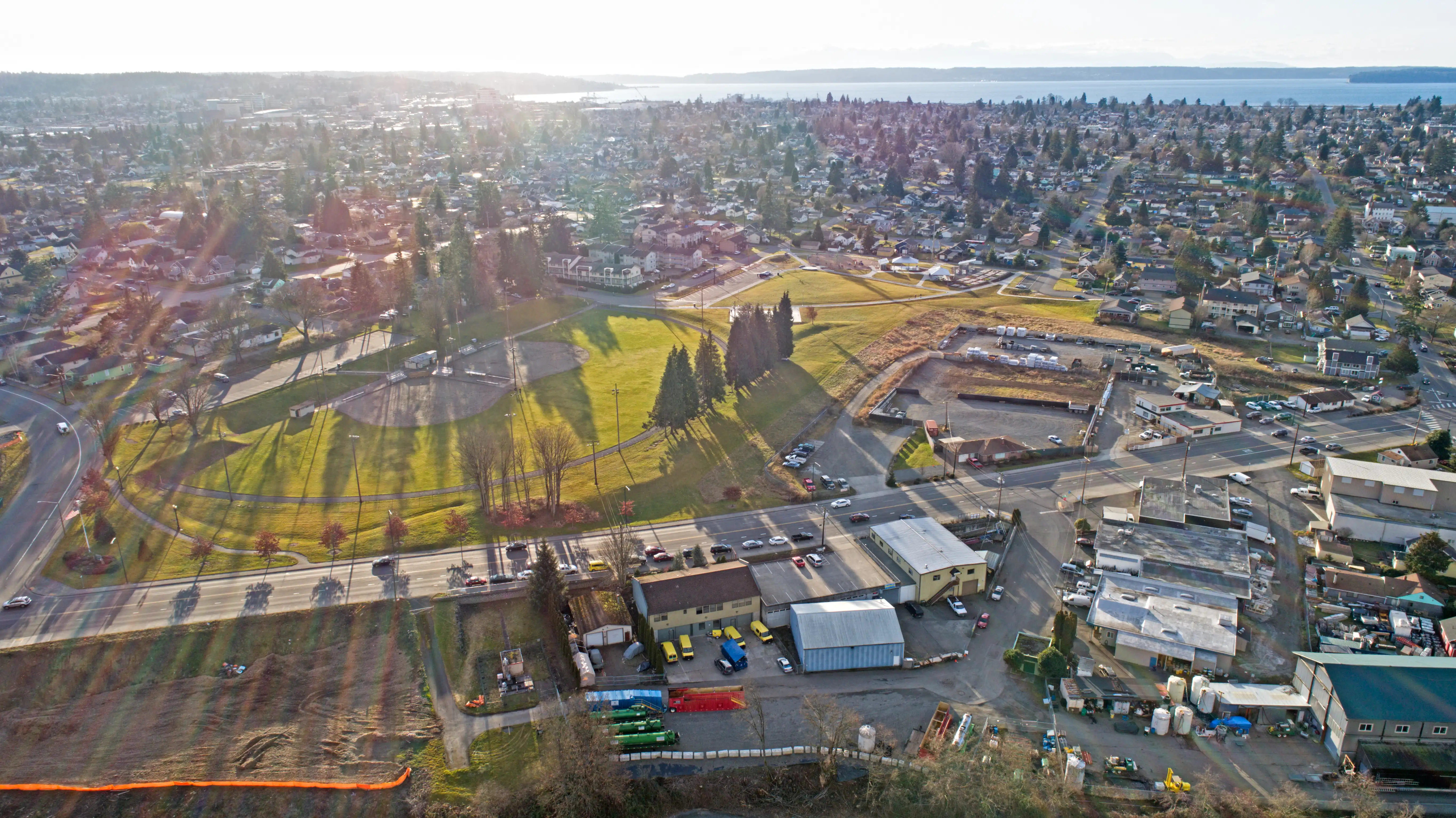
Local Expert Takeaway: The most underrated outdoor asset in Everett isn't a park — it's the combination of the Lowell Riverfront Trail and Langus Riverfront Park as a connected system. Buyers searching in the Lowell neighborhood often don't realize they can step out their front door onto a flat paved riverside trail that eventually connects to 93 acres of wildlife habitat and Spencer Island. That kind of walkable trail access, in a market where homes are priced around $570,000, is a genuine value that buyers in Mukilteo or Edmonds would pay a significant premium for.
Are there good parks for dogs in Everett?
Howarth Park includes a designated off-leash area where dogs can roam without a leash, and the waterfront trails make it more interesting than a standard fenced dog run. The Lowell Riverfront Trail and Langus Riverfront Park are also popular with dog owners for longer leashed walks along the river.
Does Everett have a public swimming pool?
The Forest Park Swim Center closed in 2020 and has not reopened. Everett residents can access the Everett Family YMCA pool through a city partnership that allows day passes at a reduced resident rate — no full membership required. The Forest Park spray pad remains open seasonally as an outdoor water play option for families.
How does Everett's park system compare to neighboring cities?
Everett's 64 parks and nearly 1,000 acres of parkland give it a stronger outdoor infrastructure than many buyers expect for a working port city. The waterfront and river corridor parks — particularly Howarth, Langus, and Grand Avenue — offer access that smaller neighbors like Mukilteo simply don't have at scale. The main gap compared to Mill Creek or Lynnwood is a centralized recreation campus with an active public aquatic facility.
Explore the full Everett series: Living in Everett · Is Everett Safe? · Cost of Living · Best Neighborhoods · Schools & Family Life · Youth Sports · Parks & Rec · Retiring in Everett