Puget Sound · Washington
Retiring in Everett: Is It the Right Fit for Your Next Chapter? (2026)
Everett doesn't sell itself to retirees the way Scottsdale or Palm Springs might. It's a working port city with a Boeing factory, a Navy base, and a waterfront that's been quietly transforming for the better part of a decade. But that's exactly what makes it worth a serious look. The tax picture alone — no state income tax on Social Security, pensions, or retirement account withdrawals — puts Washington among the most retiree-friendly states in the country, and Everett delivers that advantage at a median sold price of $570,000, well below what you'd pay in Bellevue or Kirkland.
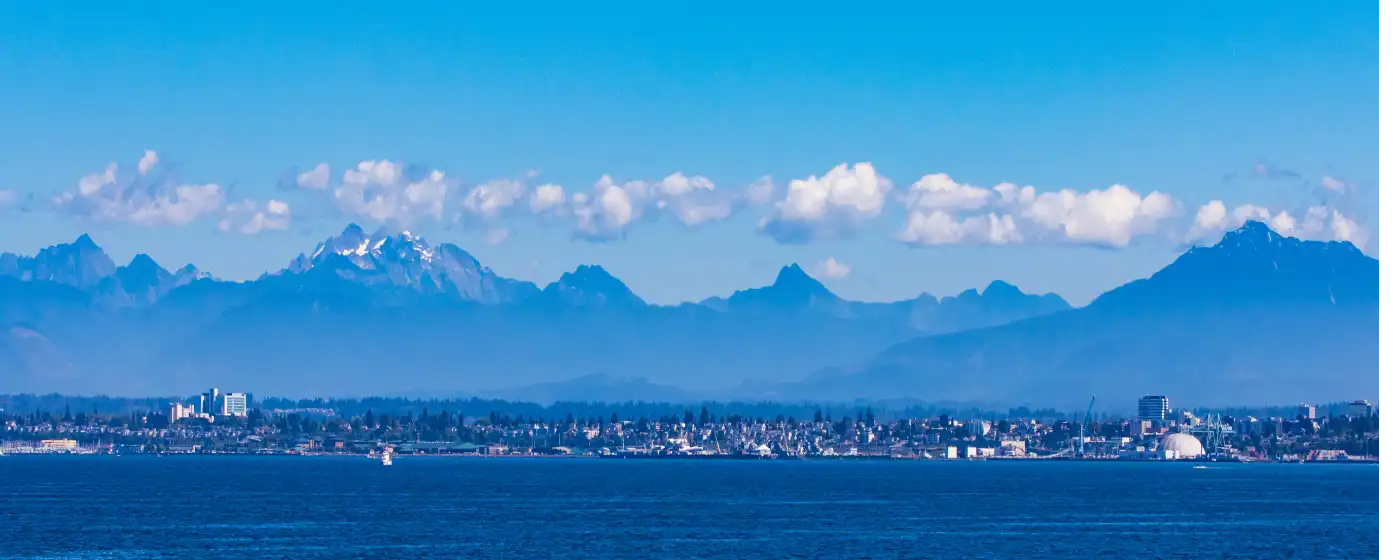
The retiree who does well here is someone who doesn't need a resort town to feel at home. You're drawn to the water, the mountains visible on clear days, the sense that this city is still becoming something. You want a real hospital close by, not a 45-minute drive to decent care. You're comfortable in a car-dependent city with some walkable pockets, and you'd rather have waterfront access than curated boutiques.
This guide covers what actually matters for retirees choosing Everett: the tax advantages, the healthcare infrastructure, the senior living landscape, what a realistic day looks like, and how Everett stacks up against the alternatives you're probably already comparing it to.

Washington's tax treatment of retirement income is genuinely difficult to overstate. The state has no income tax — none — which means Social Security benefits, pension income, 401(k) and IRA distributions, and investment dividends all arrive without a state-level haircut.
| Income Type | WA State Tax Treatment |
|---|---|
| Social Security Benefits | Not taxed |
| Pension / Defined Benefit | Not taxed |
| 401(k) / IRA Withdrawals | Not taxed |
| Investment Dividends & Capital Gains | Not taxed (state level) |
| Military Retirement Pay | Not taxed |
| Part-Time Employment Income | Not taxed |
| Property Tax (Everett rate) | Approximately 0.83% of assessed value |
| Sales Tax (Snohomish County) | 10.6% |
Washington's senior property tax relief program adds another layer of financial protection. Homeowners 61 and older may qualify for the Senior Citizen Exemption, which reduces or eliminates the taxable value of their primary residence based on income thresholds set by the state. At Everett's property tax rate of 0.83%, a $570,000 home carries an annual tax bill of roughly $4,731 — and that figure can drop meaningfully for qualifying seniors. Income thresholds are adjusted periodically, so households earning in the mid-$50,000 range or below will typically qualify for meaningful relief.
Providence Regional Medical Center Everett (PRMCE) sits at 1321 Colby Avenue, roughly in the center of the city, and it is the primary reason healthcare-conscious retirees consistently include Everett on their shortlist. Licensed for 571 beds across two campuses — 448 at Colby and 123 at the Pacific Campus — PRMCE carries Level II Trauma Center designation and has been ranked among the top three hospitals in both Washington state and the Seattle metro by U.S. News and World Report for 2025–2026.
For retirees specifically, the specialties matter more than the bed count. PRMCE holds High Performing ratings in 18 adult procedures and conditions, including stroke, heart attack, pneumonia, abdominal aortic aneurysm repair, and spinal fusion. The hospital also houses Washington's first Cardiac Surgery Single Stay Unit — a purpose-built space for open-heart surgery patients that consolidates pre- and post-operative care in one unit, which reduces handoffs and has shown meaningful improvements in recovery outcomes. Orthopedic and outpatient joint replacement care earned national recognition from Healthgrades, which matters for the significant percentage of retirees who'll eventually need hip or knee work.
What PRMCE handles well covers the vast majority of what retirees need. For highly specialized cases — pediatric oncology, advanced organ transplant, complex neurosurgery — the standard referral path leads to UW Medical Center in Seattle, approximately 30 miles south. That drive runs 38 minutes under normal conditions, though I-5 southbound in the afternoon is a different story.
Kaiser Permanente's Everett Medical Center at 2929 Pine Street expanded dramatically in June 2025, growing to more than three times its previous size. The expanded facility now covers more than 20 medical specialties including cardiology, neurology, gastroenterology, endocrinology, and rheumatology — departments that simply weren't available locally before the expansion. Kaiser members in particular benefit from the integrated model: specialist referrals, advanced imaging, and pharmacy pickup all in one location, with self-serve prescription lockers added in the renovation. For retirees who are Kaiser members or considering enrollment, this expansion significantly raises the ceiling on what can be handled locally.
Everett has 28 senior living communities, a number that gives the market genuine range — from affordable 55-plus rental communities to full-service CCRCs that handle independent living through memory care under one roof.
| Community | Type | Location | Est. Monthly Cost |
|---|---|---|---|
| Washington Oakes | Independent + Assisted Living | Historic Downtown Everett | $4,500–$7,500 |
| MorningStar at Silver Lake | Independent + Assisted Living | Silver Lake neighborhood | $4,800–$7,200 |
| Brookdale Alderwood | Assisted Living | 3915 Colby Avenue N | $5,500–$8,000 |
| Brookdale Everett | Assisted Living | Near 4th Ave W / Hwy 99 | $5,500–$7,800 |
| Reserve at Everett | 55+ Active Adult | Central Everett | $2,200–$3,200 |
| Solista Everett | Independent + Assisted | South Everett | $4,200–$6,500 |
| Bethany at Silver Crest | Assisted Living | Everett | $5,000–$7,500 |
| Sunrise View Retirement Villa | Assisted Living + Rehab | Everett | $5,000–$7,500 |
| Harbour Pointe Senior Living | Independent + Assisted | Near Mukilteo border | $4,500–$6,800 |
| Adult Family Homes (various) | Residential Care | City-wide | $4,500–$6,500 |
CCRCs in the Everett area run from approximately $3,500 to $13,050 per month depending on care level and contract structure. MorningStar's respite care and trial stay programs — from one week to a full month — give families a lower-risk way to evaluate fit before committing to a full contract, an option worth taking advantage of when the stakes are this high.

The honest version of daily life in Everett starts with a car. Walkability scores in most residential neighborhoods run in the 30–50 range, which means a car handles groceries, appointments, and most errands. The exception is a narrow corridor centered on Downtown Everett and the immediate Colby Avenue area, where retirees who choose proximity to the waterfront or Washington Oakes can actually walk to the library, coffee, and waterfront restaurants on flat-ish terrain.
The cultural calendar has real depth for a city this size. Broadway touring productions come through Everett's Historic Everett Theatre, and the Angel of the Winds Arena hosts concerts and events that would otherwise require a Seattle drive. The Everett AquaSox, the city's high-A baseball affiliate, run a full summer schedule at Funko Field — low-key, affordable, and exactly the kind of thing retirees with flexible schedules enjoy on a Tuesday afternoon. The Imagine Children's Museum, while built for grandkids, anchors a downtown arts and culture cluster that includes First Friday art walks and a growing restaurant scene near Hewitt Avenue.
Jetty Island is the detail that converts skeptics. The two-mile sandy island in the Snohomish River delta is accessible by free ferry from the Port of Everett Marina during summer months, and it delivers a beach experience that genuinely surprises people who assume Puget Sound beaches are cold and rocky. For retirees who enjoy walking, picnicking, or just watching container ships move through the Sound, it becomes a weekly ritual from July through early September.
Getting around without a car is possible but requires planning. Community Transit operates fixed routes through Everett and connects to the Sounder commuter train at Everett Station, which runs to Seattle on weekday schedules. Swift bus rapid transit on Highway 99 runs frequently and is more useful than most visitors expect. For retirees who still drive, groceries are well-covered — Fred Meyer, Safeway, and QFC operate multiple Everett locations, and a Costco sits in south Everett near the Everett Mall corridor.
What surprises most people after six months here is the pace of waterfront improvement. Retirees who moved to Everett in 2022 or 2023 have watched the Port Gardner marina area add restaurants, a new boardwalk extension, and weekend farmers market activity that didn't exist before. The city is in the middle of something, and for retirees who've seen cities improve from the inside, that energy is a feature rather than a distraction.

Everett offers some genuinely compelling options for retirees, and where you land within the city matters more than people often expect. Neighborhoods like Bayside and Boulevard Bluffs tend to attract strong buyer interest because of their proximity to water views and quieter streets — and well-maintained homes there can move within days when priced right. Cascade View appeals to retirees who want a more settled, residential feel without sacrificing access to amenities. If you're working with a budget under $750,000, you'll find real options across these areas, but being prepared to move quickly is part of the reality here.
Before you fall in love with a house on a tour, sit down with a lender first. Your full monthly obligation goes well beyond a loan payment — property taxes, homeowner's insurance, and any HOA dues all factor in, and the combination can shift your comfort level significantly. Getting pre-approved based on a comfortable budget rather than your maximum approval keeps you in control. When the right home appears in a competitive Everett neighborhood, you'll want to be ready to act with confidence, not scrambling to get paperwork together.
| City | Median Home Price | Primary Hospital | Walkability | Senior Living Depth | Overall Fit |
|---|---|---|---|---|---|
| Everett | $570,000 | PRMCE (Level II Trauma, Top 3 WA) | Moderate | Strong (28 communities) | ★★★★☆ |
| Mukilteo | $750,000+ | Relies on Everett / Seattle | Low | Limited | ★★★☆☆ |
| Marysville | $490,000 | Relies on Everett | Low | Moderate | ★★★☆☆ |
| Lake Stevens | $575,000 | Relies on Everett | Low | Limited | ★★☆☆☆ |
| Mill Creek | $680,000 | Swedish Edmonds (Level III) | Moderate | Moderate | ★★★☆☆ |
| Lynnwood | $580,000 | Swedish Edmonds (Level III) | Moderate–High | Moderate | ★★★★☆ |
| Snohomish | $620,000 | Relies on Everett / Monroe | Low | Limited | ★★★☆☆ |
Mill Creek skews younger and car-dependent in a way that works well during healthy years but becomes isolating without a license. It's a fine choice for the early retirement decade; it becomes complicated in the late stages.
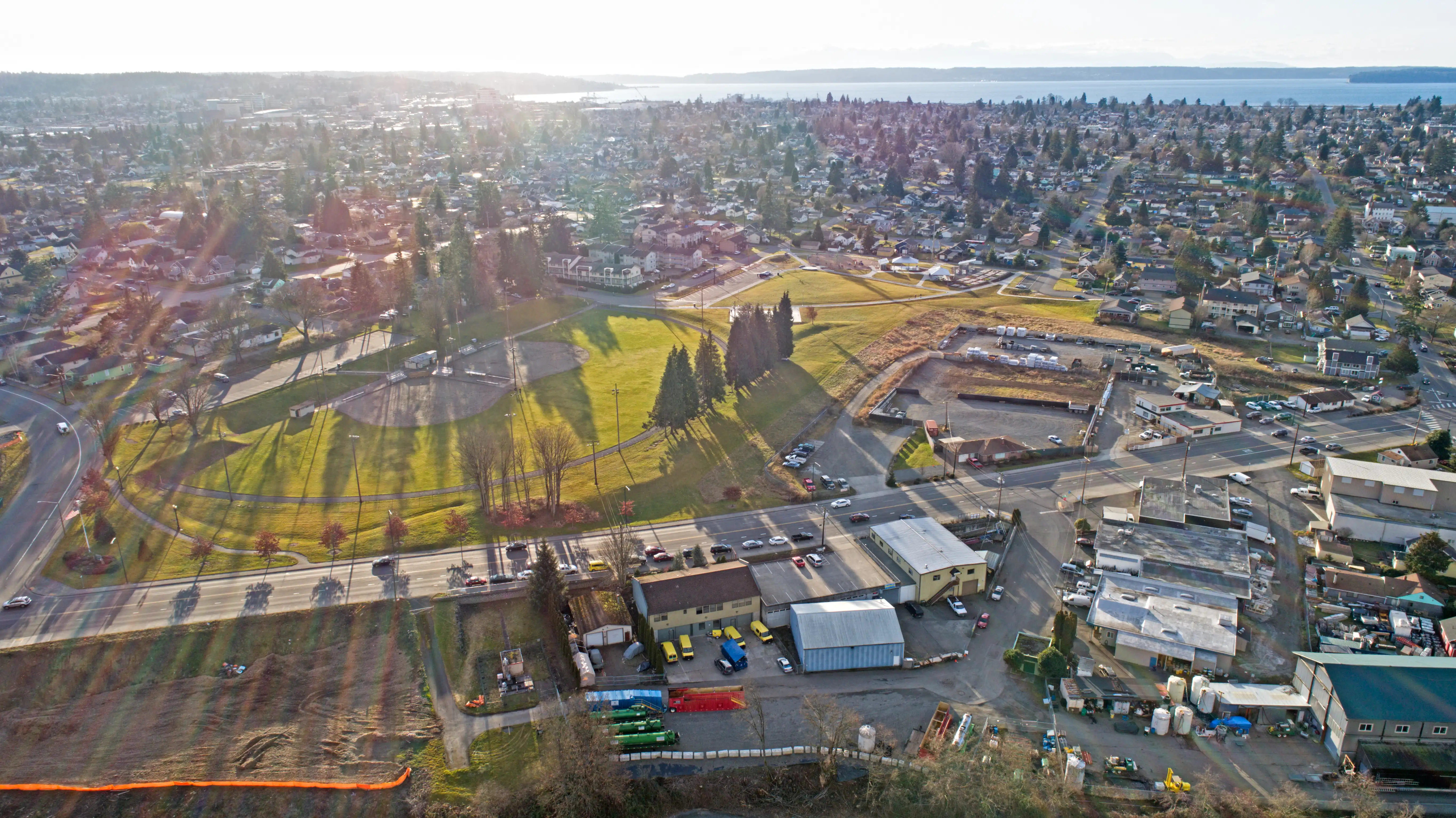
Local Expert Takeaway: Retirees who thrive in Everett tend to cluster near two zones: the Downtown/Port Gardner waterfront corridor and the Silver Lake area near Providence Regional Medical Center. The waterfront suits retirees who are mobile, engaged with the city's cultural momentum, and interested in a condo or smaller home — prices in that zone have moved faster than the citywide median, so earlier entry pays off. Silver Lake makes more sense for retirees who are farther along in the retirement timeline and want hospital proximity built into daily geography. If you're comparing Everett to Lynnwood and healthcare access is your primary driver, the Level II Trauma designation at Providence is a meaningful difference — Swedish Edmonds carries Level III status. Retirees who need resort-style amenities, warm winters, or a highly walkable city center should look elsewhere; Everett rewards people who trade those things for real estate value, strong healthcare, and a Washington tax environment that works in their favor.
Is Everett a good place to retire?
Everett works well for retirees who prioritize healthcare access, financial efficiency, and proximity to the water over walkability or resort-style amenities. The combination of Washington's no-income-tax environment, a strong Level II trauma hospital, and 28 senior living communities gives Everett more retirement infrastructure than its price point would suggest.
What is the cost of senior living in Everett?
Assisted living in Everett generally runs from $5,500 to $8,000 per month, with adult family homes coming in closer to the $4,500–$6,500 range. CCRCs with tiered care levels span a wider range depending on contract type and care intensity. The Reserve at Everett offers 55-plus active adult living at a lower monthly cost for retirees who don't yet need assistance.
How does Everett compare to nearby cities for retirement?
Everett offers a stronger healthcare foundation than Marysville, Mukilteo, or Lake Stevens, all of which rely on Everett's hospital system for serious care anyway. Lynnwood is the closest comparison in terms of price and transit access, but lacks the waterfront identity and the Level II trauma designation. Retirees willing to trade some lifestyle polish for real healthcare infrastructure and Washington's tax advantages tend to find Everett's value proposition difficult to argue with.
Explore the full Everett series: Living in Everett · Is Everett Safe? · Cost of Living · Best Neighborhoods · Schools & Family Life · Youth Sports · Parks & Rec · Retiring in Everett