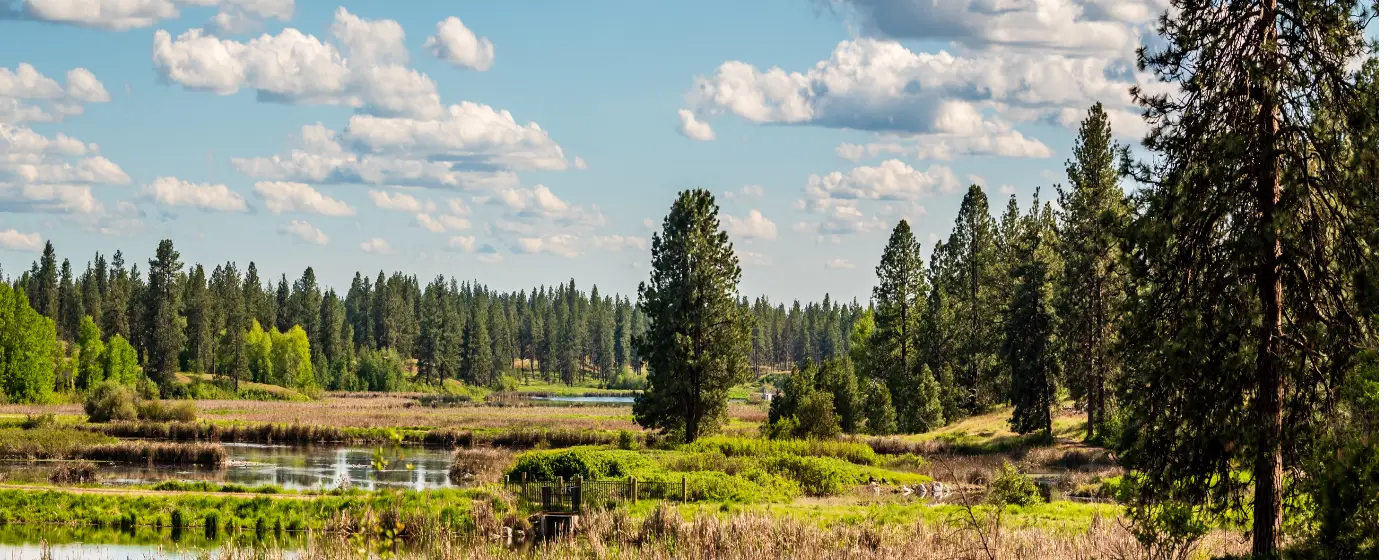
Eastern Washington · Washington
Retiring in Cheney: Is It the Right Fit for Your Next Chapter? (2026)
Cheney doesn't market itself to retirees the way Scottsdale or Coeur d'Alene does. There are no retirement billboards on I-90, no glossy brochures at the real estate office. What you get instead is a genuine small college town with affordable homes, zero state income tax on your retirement income, and a pace of life that feels nothing like the suburbs you may be leaving behind. Whether that's appealing or alarming depends entirely on what you want from retirement.
The retirees who land well here tend to share a few traits: they value financial breathing room over amenities density, they're comfortable driving 25 minutes to Spokane when they need a hospital or a Nordstrom, and they genuinely enjoy the seasonal rhythms of Eastern Washington — hot summers, snowy winters, and a distinct small-town social fabric anchored by Eastern Washington University. Retirees who need walkable everything, Level I trauma care nearby, or a robust senior social scene may find Cheney's offerings thin.
This guide walks through everything that matters for a retirement decision: Washington's remarkable tax picture, the healthcare reality, what senior living costs here, and how daily life actually unfolds when you're no longer commuting to Spokane every morning.
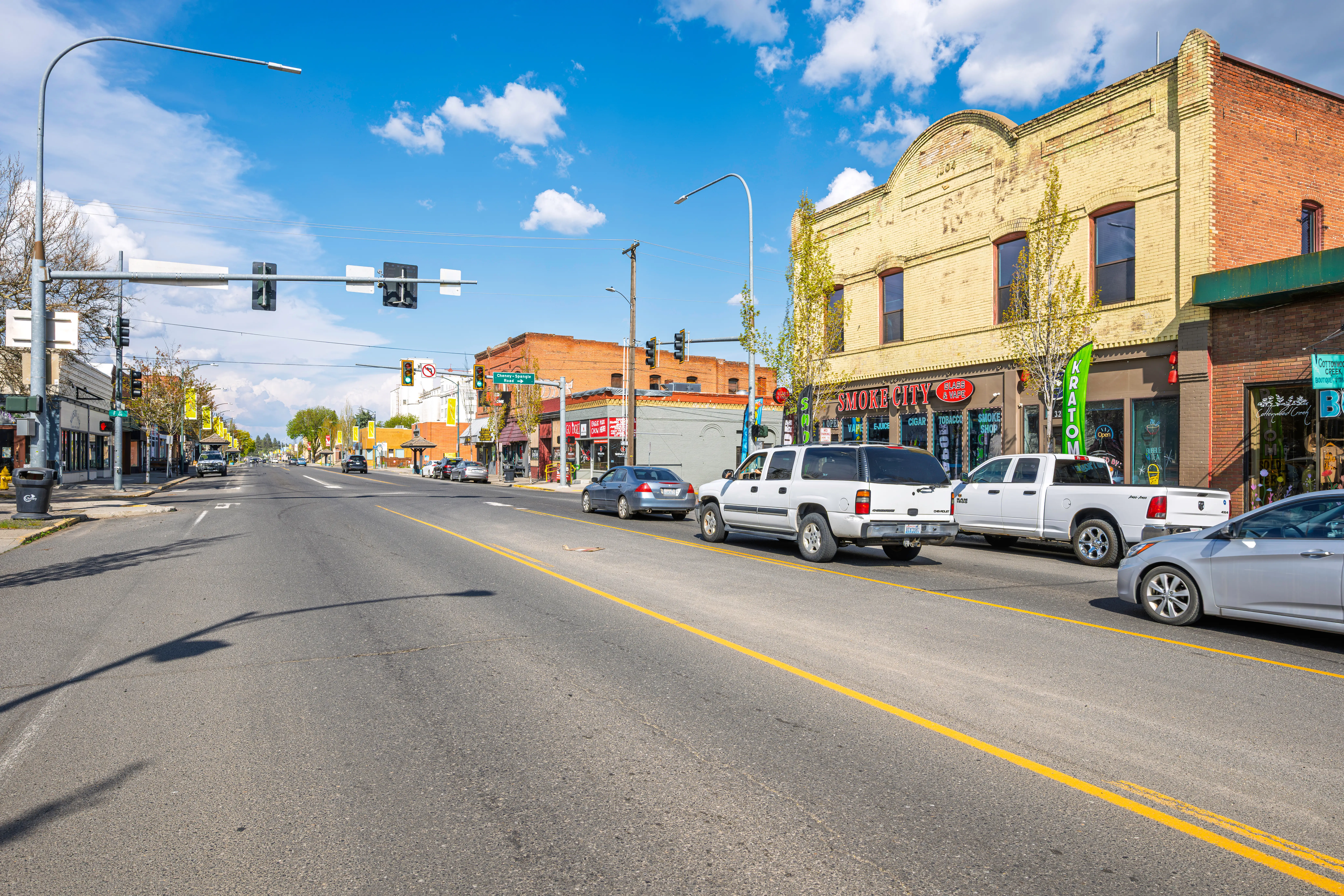
Washington is one of nine states with no personal income tax, and that single fact reshapes the retirement math for anyone moving from Oregon, California, Idaho, or most other states. In practical terms, it means your pension checks, Social Security benefits, and IRA or 401(k) withdrawals are not taxed at the state level — zero. For a retiree pulling $60,000 to $80,000 per year from a combination of Social Security and a defined-benefit pension, the annual savings compared to Oregon's income tax structure can easily reach $3,000 to $6,000 or more, depending on income level and filing status. That difference compounds meaningfully over a 20- or 25-year retirement.
Washington does levy a state sales tax — the combined rate in Spokane County runs around 8.9%, which applies to most purchases but not to groceries or prescription medications. Property taxes in Cheney are the other key line item. Cheney's median home price of approximately $438,000 places property tax obligations at a level that is reasonable by Pacific Northwest standards, and Washington offers a property tax exemption program for senior homeowners who meet income thresholds — worth reviewing through the Spokane County Assessor's office once you've established residency. There is no state estate tax exemption at the federal level, but Washington does have its own estate tax with a $2.193 million exemption threshold, which is worth discussing with an estate planning attorney if your assets approach that range.
The overall picture for retirees is genuinely favorable compared to most western states. The absence of income tax is the standout advantage, and it applies automatically — you don't need to structure your withdrawals differently or rely on specific account types to benefit. Paired with Cheney's relatively modest home prices, that tax environment creates a retirement cost structure that holds up well against higher-amenity alternatives like Coeur d'Alene or Spokane's South Hill, even accounting for the tradeoffs in walkability and healthcare access that come with choosing a smaller community.
The honest answer is that Cheney has primary care, and Spokane has everything else. There is no hospital within Cheney's city limits — the nearest full-service facilities are in Spokane, roughly 16 miles east.
For day-to-day healthcare, MultiCare Rockwood Clinic at 19 N 7th Street is the primary anchor in town. The clinic covers family medicine, urgent care walk-ins, and runs a diabetes education center that has produced measurable outcomes for patients managing chronic conditions. CHAS Health at 1720 2nd Street adds a nonprofit community health option with family medicine and behavioral health services — useful for retirees managing multiple chronic conditions who benefit from integrated care coordination. These two clinics cover the routine care that fills most retirees' calendars: annual physicals, prescription management, lab work, follow-up appointments.
What Cheney cannot provide is anything requiring inpatient care, surgical intervention, or specialist consultation. For that, you're looking at Providence Sacred Heart Medical Center at 101 West Eighth Avenue in Spokane — a 648-bed regional hospital with more than 800 specialists on staff and a strong Level II emergency department. Providence Holy Family Hospital in North Spokane and MultiCare Deaconess and Valley hospitals round out the Spokane metro network. The 25-minute drive from Cheney to downtown Spokane hospitals is manageable for non-emergency care, but retirees with cardiac histories, mobility limitations, or conditions requiring frequent specialist visits should weigh that commute honestly. In a cardiac emergency, 25 minutes is not nothing.
For retirees with straightforward health profiles who are comfortable with the Spokane commute for specialists, the healthcare picture here is adequate. For those managing complex or rapidly changing health needs, the proximity to Spokane's medical infrastructure should factor directly into which neighborhood in Cheney you buy in — or whether Cheney is the right fit at all.
Cheney has a modest but functional senior living ecosystem, with around 20 communities in the broader Cheney area ranging from fully independent living to memory care and skilled nursing.
| Community | Type | Location | Est. Monthly Cost |
|---|---|---|---|
| Cheney Care Community | CCRC (Independent, AL, Memory Care, SNF) | 2229 N 6th St, Cheney | ~$6,000–$6,500 |
| Cheney Care Center | Skilled Nursing / Long-Term Care | Cheney | Varies by care level |
| Jubilee House | Assisted Living / Dementia Care | 520 W 3rd St, Cheney | Varies |
| Bess Quality Care | Assisted Living | 19267 S Aspen Meadows Dr, Cheney | Varies |
| Anderson AFH | Retirement / Adult Family Home (55+) | 7309 S Craig Rd, Cheney | Varies |
The smaller adult family homes — Jubilee House, Bess Quality Care, and Anderson AFH — cap at six or fewer residents and offer a more intimate setting than a large institutional community. For retirees who want care support in a genuinely home-like environment rather than a facility with long hallways and a dining hall, these smaller homes are worth a tour. The trade-off is fewer on-site amenities and services compared to the larger CCRC.
Retirees who want a broader selection of senior living options, including higher-end luxury communities with resort-style amenities, will find Spokane offers significantly more depth. The 16-mile drive is easy enough that comparing Spokane communities alongside Cheney's during your search makes sense — particularly if memory care or skilled nursing is a near-term consideration.
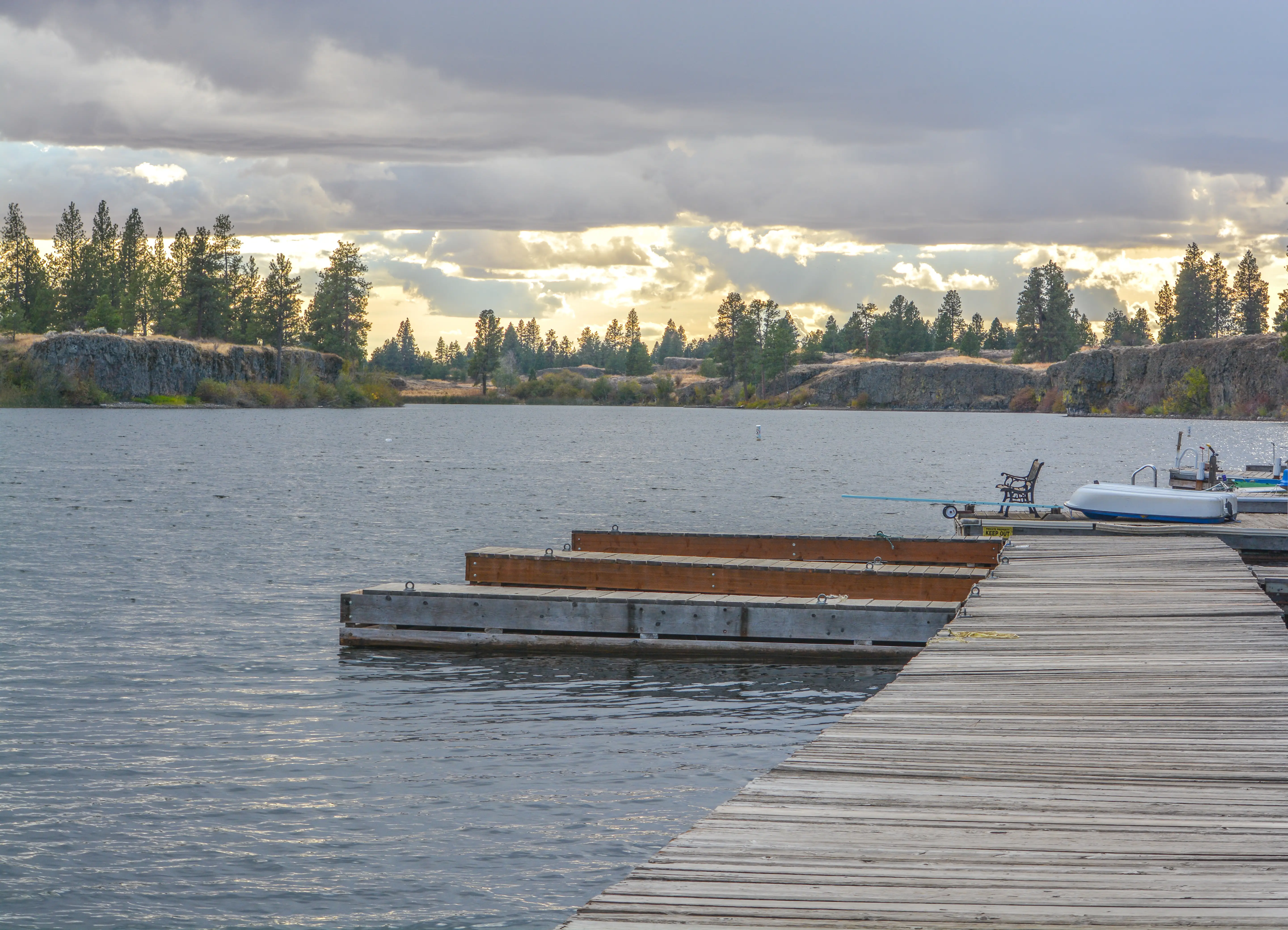
Cheney is not a walking city in the way Portland or even Coeur d'Alene aspires to be. The downtown core around First Street has a handful of businesses — Marketplace Bakery is a genuine gathering spot for morning coffee — and the EWU campus creates some pedestrian energy. But most errands require a car, and retirees who are planning a car-free or car-light lifestyle will find Cheney limiting. The city's transit connections to Spokane exist via the Spokane Transit Authority, but frequency and coverage are designed around commuters, not seniors navigating appointments and errands.
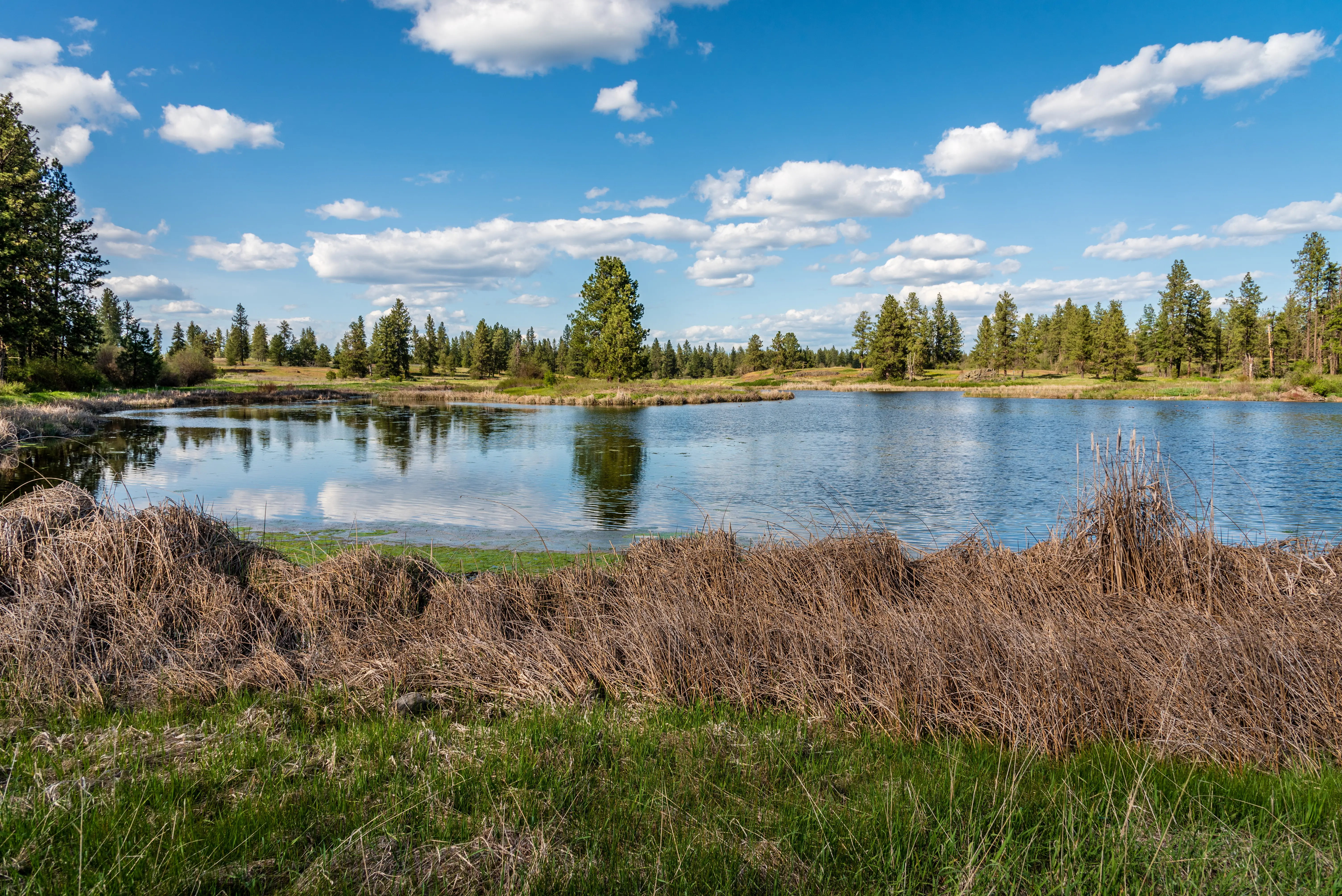
Where Cheney earns real marks is the natural surroundings. Turnbull National Wildlife Refuge sits just south of town — 16,000 acres of wetlands, ponderosa pine, and basalt outcroppings that attract serious birdwatchers and casual walkers alike. The seasonal changes at Turnbull are genuinely dramatic: nesting waterfowl in spring, golden larches in fall, and quiet frozen lake trails in winter. For retirees who built careers in offices and want to spend their next chapter outside, this access is not trivial. Fish Lake Regional Park and Centennial Park add closer-to-home options for daily walks.
EWU brings cultural texture that most cities this size cannot match. The campus hosts theater productions at the EWU Performing Arts Center, athletic events (Eagles football and basketball draw real hometown energy), public lectures, and seasonal events that bleed into the surrounding community. Cheney also maintains a genuine small-town event calendar — the summer Farmers Market, Cheney Rodeo (a multi-decade tradition at Cheaney Arena), and the Holiday Parade in early December are community fixtures that retirees from large metros find surprisingly engaging after years of impersonal suburb life.
What surprises most people after six months here: the winters. Eastern Washington gets genuine snow — not Pacific Northwest drizzle, but actual accumulation that stays on the ground. Retirees from California or western Oregon consistently underestimate how much this changes daily logistics. Ice on the driveway, warming up the car before appointments, and building extra time into any medical trip to Spokane in January are real parts of life here. The flip side is that summers in Cheney are genuinely exceptional — dry, warm, low humidity — and many retirees from rainy western Washington consider the sunny season trade-off more than worth it.
Why some retirees eventually leave: the limited restaurant and entertainment scene. Cheney has the basics, but a regular dining-out lifestyle eventually drives most people toward Spokane for variety. Retirees who genuinely want walkable dining, arts venues, and nightlife within a few blocks tend to make the move to Spokane's South Hill or North Side within a few years.

Cheney's retirement appeal varies quite a bit depending on where you land within the community. Homes near Centennial Park and Sutton Park tend to attract steady buyer interest from retirees who want walkable green space without the upkeep of a large lot, and those properties move quickly when priced well — sometimes within days of listing. The areas surrounding Eastern Washington University also draw attention, partly because of the cultural programming and continuing education options that keep retired residents engaged. Most comfortable single-family homes in Cheney's desirable pockets are available under $400,000, which makes this market genuinely accessible compared to larger Pacific Northwest metros.
That said, knowing what you can comfortably spend and knowing what a lender will approve you for are two different conversations worth having before you ever walk through a front door. Your full monthly obligation includes property taxes, homeowner's insurance, any HOA dues, and the loan structure itself — and those pieces together paint a truer picture than the purchase price alone. Retirees especially benefit from working through that complete number early, so when a home near Fish Lake Regional Park or Turnbull National Wildlife Refuge comes available, you're ready
| City | Median Home Price | Nearest Hospital | Walkability | Senior Living Depth | Overall Retirement Fit |
|---|---|---|---|---|---|
| Cheney | $438,000 | Spokane (16 mi) | Low | Moderate | Good for budget-focused, outdoors-oriented retirees |
| Spokane (South Hill) | ~$480,000–$550,000 | In-city (multiple) | Moderate–High | High | Strong across most retiree profiles |
| Medical Lake | ~$350,000–$380,000 | Spokane (20 mi) | Very Low | Limited | Rural quiet; limited services |
| Airway Heights | ~$320,000–$360,000 | Spokane (18 mi) | Low | Limited | Affordable entry; sparse amenities |
| Coeur d'Alene, ID | ~$550,000–$650,000 | In-city | Moderate | High | Premium lifestyle; Idaho income tax applies |
| Spokane Valley | ~$420,000–$480,000 | MultiCare Valley (in-city) | Low–Moderate | High | Suburban convenience; less character |
Local Expert Takeaway: Cheney works best for retirees who are financially motivated, physically active, and comfortable being 25 minutes from a full-service hospital. The zero state income tax combined with a median home price well below the Spokane metro average creates one of the stronger financial cases for retirement in Eastern Washington — particularly if you're coming from Oregon or California. Retirees who buy near downtown Cheney or on the EWU-adjacent streets get the most walkable experience the city offers. Retirees who need proximity to specialists more than once a month, or who anticipate a higher level of care in the next few years, may be better served by the South Hill neighborhoods in Spokane proper — where you stay in the same tax-favorable state but cut the hospital commute entirely.
Is Cheney a good place to retire?
For the right retiree, yes. Cheney offers affordable homes relative to the rest of the Pacific Northwest, zero state tax on retirement income, and immediate access to Turnbull National Wildlife Refuge for year-round outdoor recreation. The honest limitations are a car-dependent layout, a modest dining and entertainment scene, and a hospital commute to Spokane — factors that matter more to some retirees than others.
What healthcare is available to seniors in Cheney?
Cheney has two primary care clinics — MultiCare Rockwood at 19 N 7th Street and CHAS Health at 1720 2nd Street — covering family medicine, urgent care, chronic condition management, and behavioral health. Full-service hospital care requires a 16-mile drive to Spokane, where Providence Sacred Heart, MultiCare Deaconess, and Providence Holy Family provide comprehensive specialist and inpatient services.
How does Cheney compare to retiring in Spokane itself?
Cheney offers lower home prices and a quieter small-town pace, while Spokane provides in-city hospital access, more senior living options, walkable neighborhoods like South Hill and Kendall Yards, and a broader dining and cultural scene. Both cities share Washington's retirement tax advantages. Retirees prioritizing budget and outdoor access often choose Cheney; those prioritizing services and walkability more commonly settle on Spokane's South Hill.
Explore the full Cheney series: The Ultimate Cheney Relocation Guide · Is Cheney Safe? · Cost of Living in Cheney · Best Neighborhoods in Cheney · Cheney Schools & Family Life · Cheney Youth Sports · Cheney Parks & Recreation · Retiring in Cheney · 1031 Tax-Deferred Exchange in Cheney · Cheney First-Time Homebuyers Guide · Cheney Down Payment Assistance Guide · Moving to Cheney from California